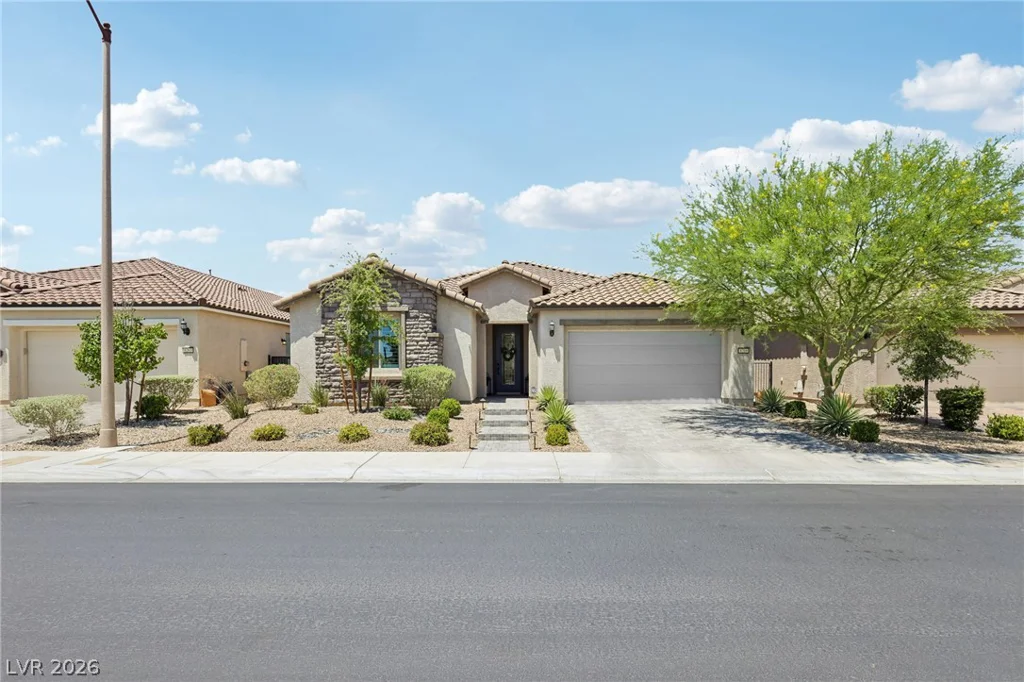
Why Spas and Hot Tubs Matter in Skye Canyon
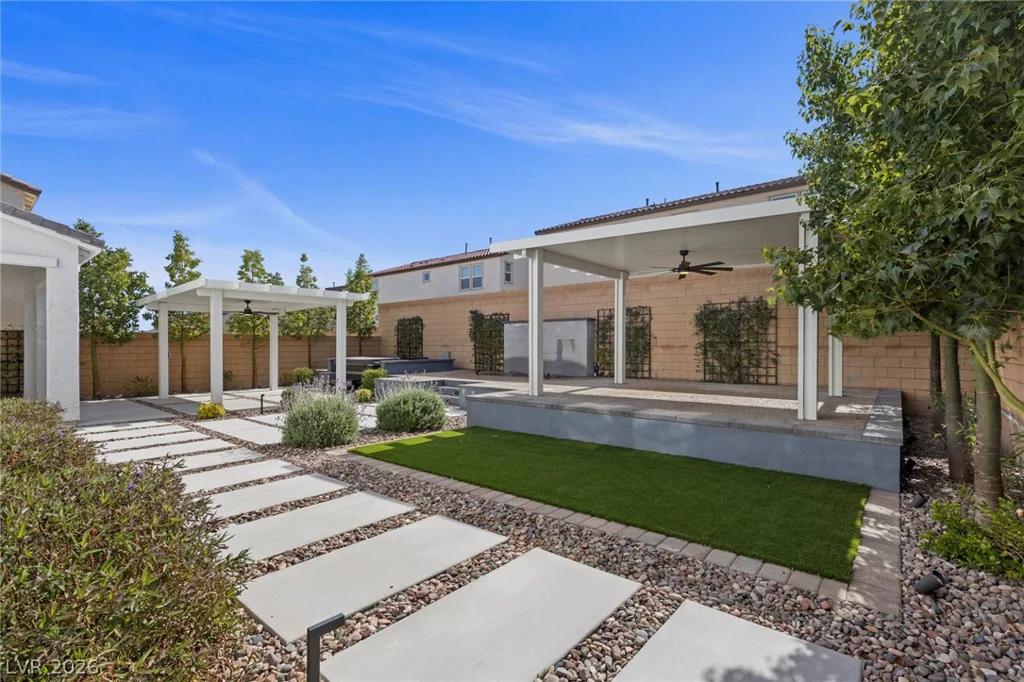
Once the sun drops behind the Spring Mountains and desert evenings cool off, a spa or hot tub becomes one of the more practical backyard additions in Skye Canyon, especially for active residents nursing sore muscles after a day of mountain biking or hiking toward Mt. Charleston. Unlike a full pool, a spa fits more easily into the smaller backyards common in this newer master plan, making it a realistic addition even on lots where a pool wouldn’t leave room for much else. For families who spend weekends at the sports complex or running the dog at the dog park, an evening soak can be the wind-down routine that bookends an active day, which is part of why spas show up frequently as aftermarket additions in this community rather than only as builder upgrades. Buyers focused on backyard amenities often also compare against Skye Canyon Homes with Dens or Offices to see how a home balances indoor flex space with outdoor additions like a spa.
What to Inspect Before You Make an Offer
- Confirm whether the spa was installed with HOA architectural approval, since unpermitted backyard additions are a common issue in newer communities with active ARC enforcement.
- Check the heater, pump, and jet system for service history, since spa equipment has a shorter lifespan than a home’s major systems and may need attention even on a relatively new installation.
- Inspect the surrounding decking or pavers for proper drainage away from the home’s foundation, particularly important on newer construction where grading was designed without a spa in mind.
- Ask about electrical permitting for the spa’s dedicated circuit, since a hot tub typically requires its own GFCI-protected circuit installed to code.
- Review utility costs with the spa in regular use, since heating a spa can noticeably affect electric or gas bills depending on the home’s setup.
The Most Common Buyer Mistake in Skye Canyon
Buyers often focus on whether a spa “works” during a quick tour without asking whether it was installed with proper permits and HOA approval, an issue that can surface later as a violation notice or complicate a future sale. A Skye Canyon buyer purchased a home with an in-ground spa that seemed well-maintained, only to later learn from the HOA that the addition had never been submitted for architectural review, creating a paperwork headache that delayed their own future resale plans.
Resale Perspective & Market Reality
A properly installed and well-maintained spa can be a nice differentiator for Skye Canyon listings, particularly for buyers who value the cooler-weather outdoor living this community’s climate supports for much of the year, but a spa with unclear permitting history or visible equipment issues can become a negotiating point that slows down a transaction. For young families, a working spa is often viewed as a bonus rather than a deciding factor, so its condition and documentation matter more than its mere presence.
Local Cost Context
Spa additions in Skye Canyon are typically owner-installed after the original purchase, meaning their cost and quality vary widely from one home to the next, unlike standardized builder features. Because the HOA here is centrally managed with relatively active architectural review, any spa addition should have gone through that process, and buyers should request documentation of approval as part of due diligence, along with budgeting for ongoing equipment maintenance that’s separate from the home’s other systems.
Frequently Asked Questions
Does adding a spa to a Skye Canyon backyard require a separate building permit from Clark County?
Yes, in-ground and many above-ground spa installations require permitting for plumbing and electrical work, and buyers should ask sellers for copies of permits and final inspection sign-offs for any spa on the property.
How does a spa affect a home’s water and electric usage in a Skye Canyon household?
A spa’s heater and pump run regularly to maintain temperature, which can add a noticeable amount to monthly utility costs, particularly during cooler months when the heater works harder, so reviewing utility bills with the spa in use is the best way to estimate the impact.