Why Horse Properties Matter in Las Vegas
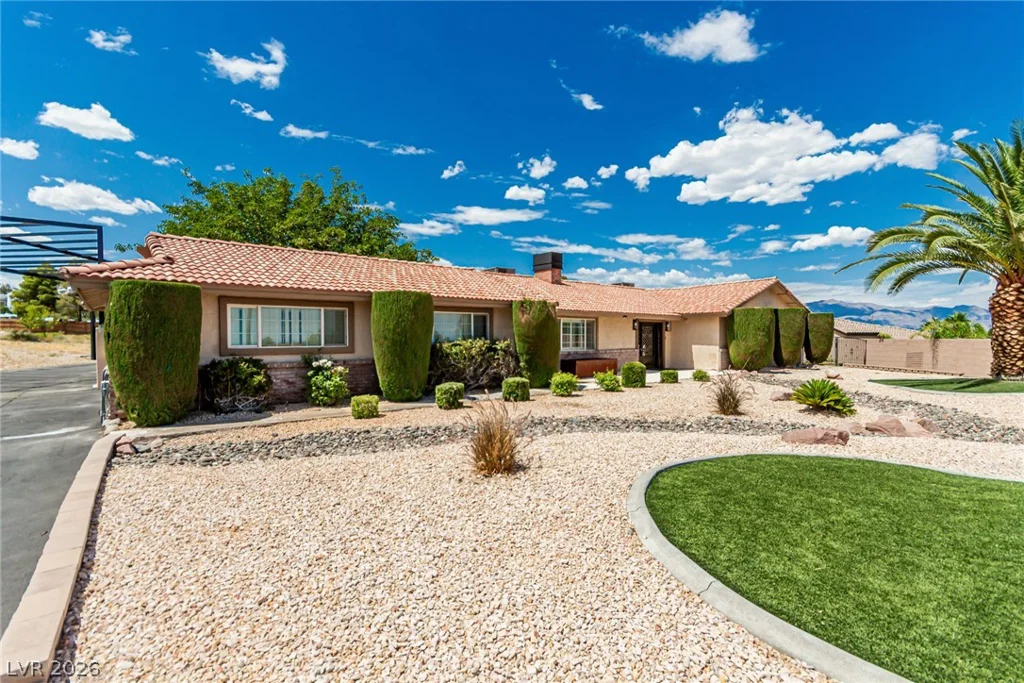
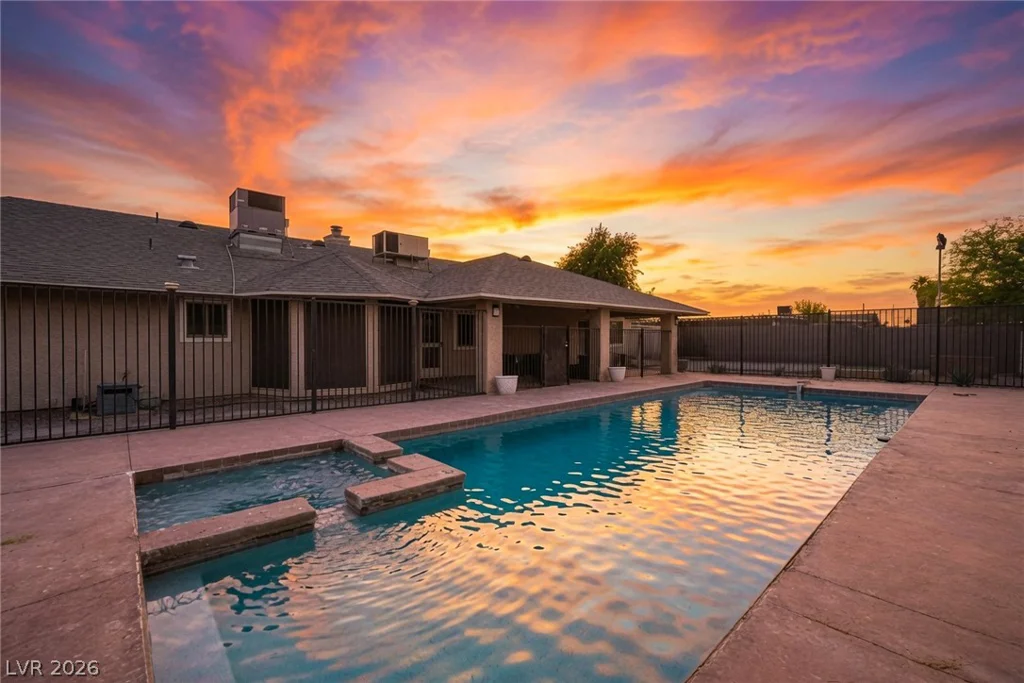
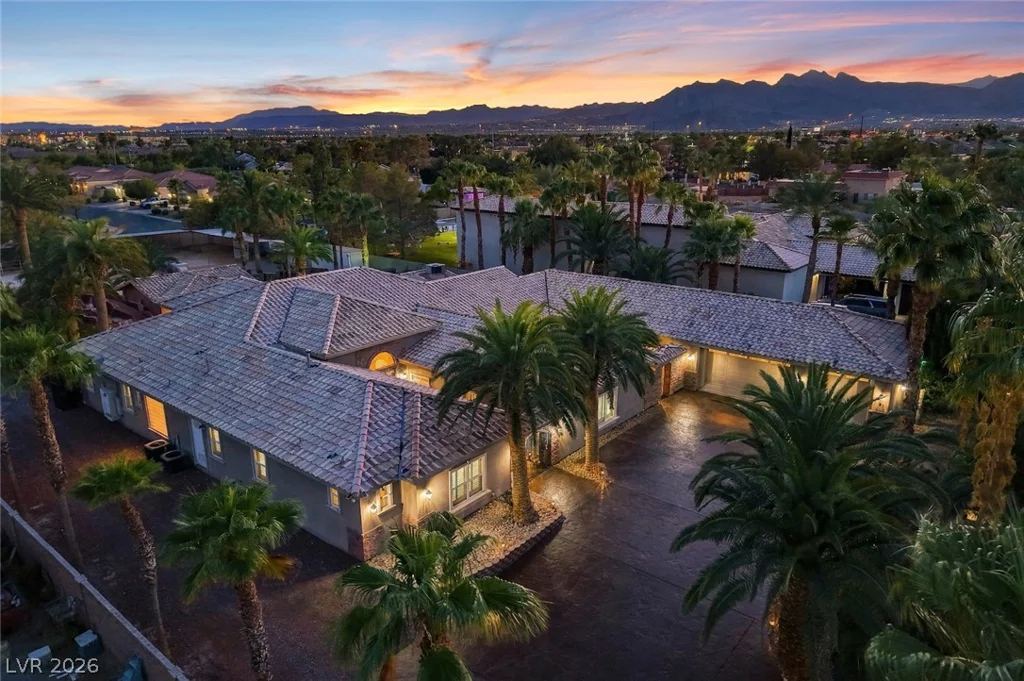
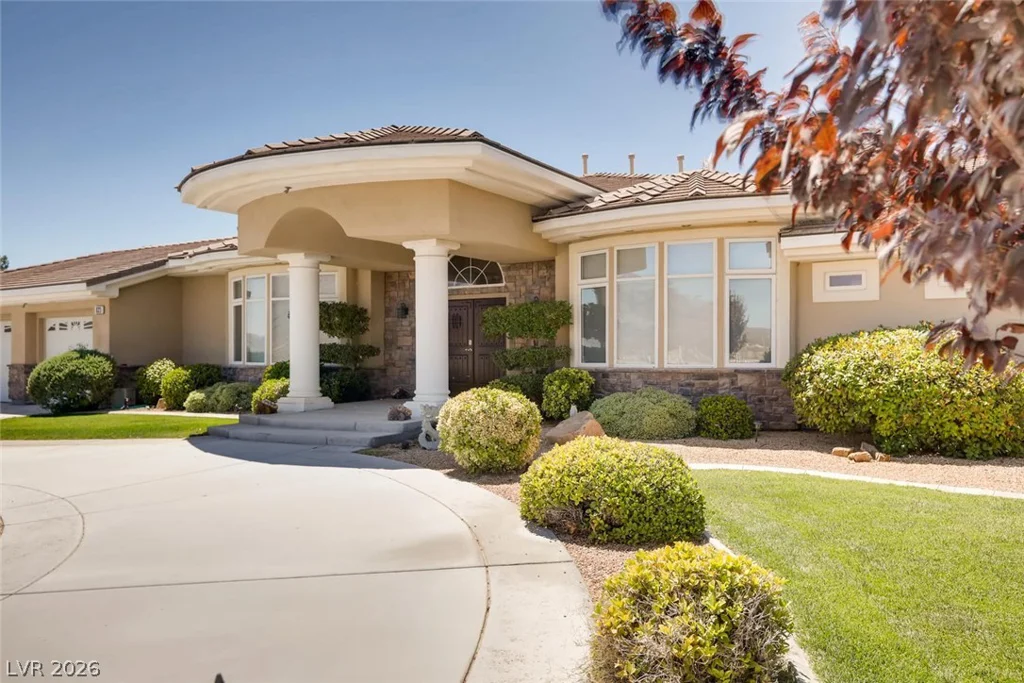
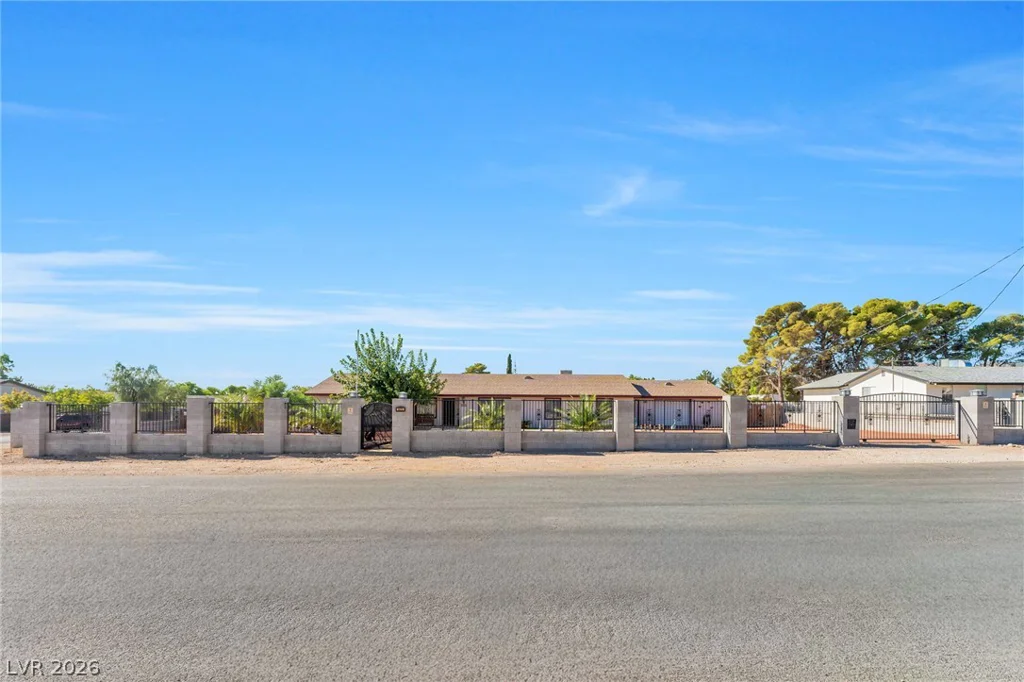
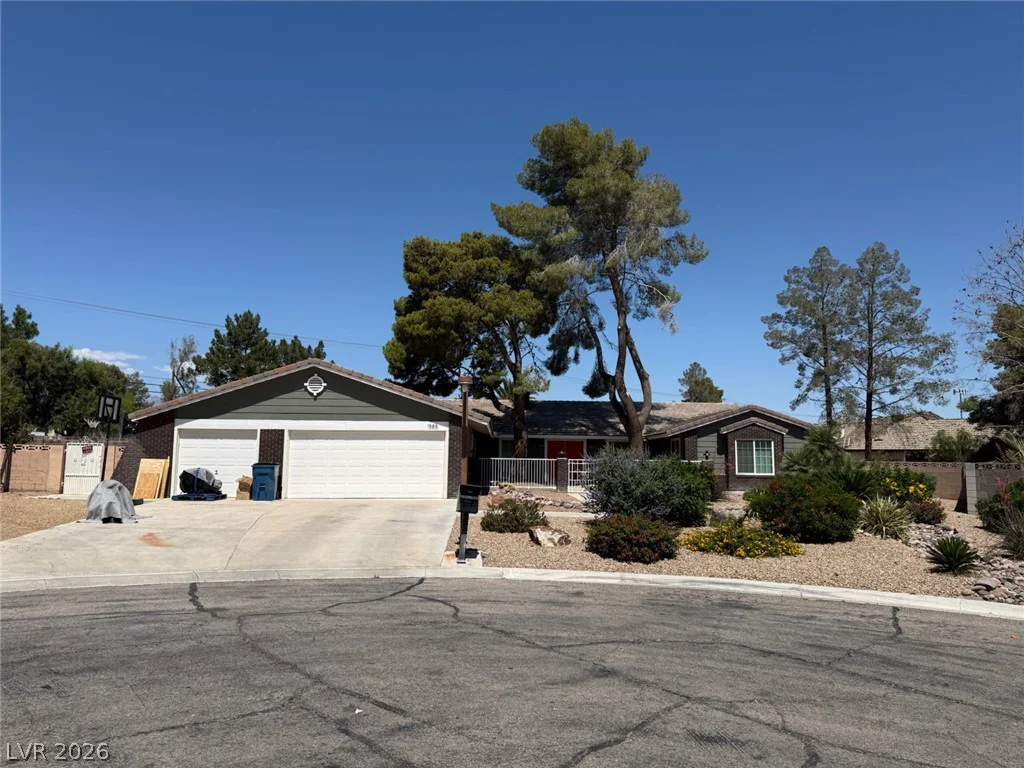
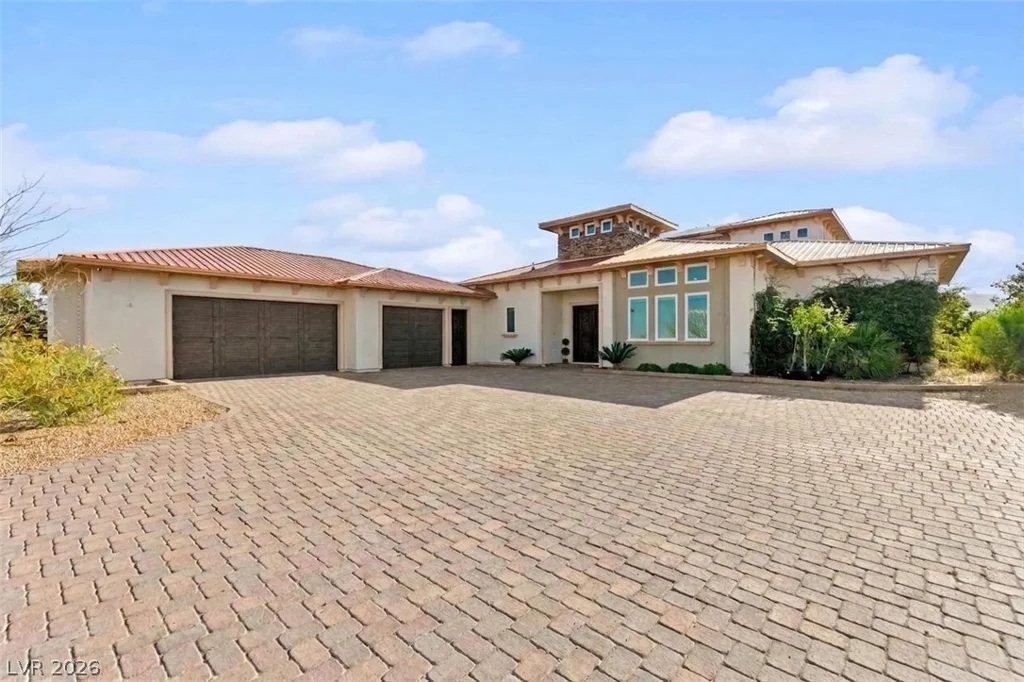
Equestrian-zoned parcels exist within the Las Vegas valley primarily in pockets where larger-lot residential zoning has survived the broader trend toward dense subdivision development — areas where animal keeping has historically been part of the community character rather than an afterthought. For buyers drawn to this lifestyle, the appeal isn’t just having a horse on the property; it’s the surrounding culture of larger lots, quieter streets, and neighbors who share an understanding of arena noise, trailer traffic, and the maintenance demands of keeping large animals in a desert climate. These properties stand apart from the valley’s dominant HOA-governed subdivisions precisely because animal keeping is woven into the zoning itself rather than something residents have to seek special permission for.
What to Inspect Before You Make an Offer
- Confirm the parcel’s zoning designation explicitly permits horses or other large animals — “large lot” alone doesn’t guarantee animal rights, and zoning can vary parcel by parcel even within the same general area.
- Check water rights and well documentation if the property isn’t on a municipal water connection, since horses require substantial daily water and a property without adequate water access for livestock isn’t truly horse-ready regardless of acreage.
- Inspect all fencing for condition and appropriateness for horses specifically — fencing adequate for keeping a dog in the yard is often inadequate or unsafe for horses, and replacing perimeter fencing on a large parcel is a significant expense.
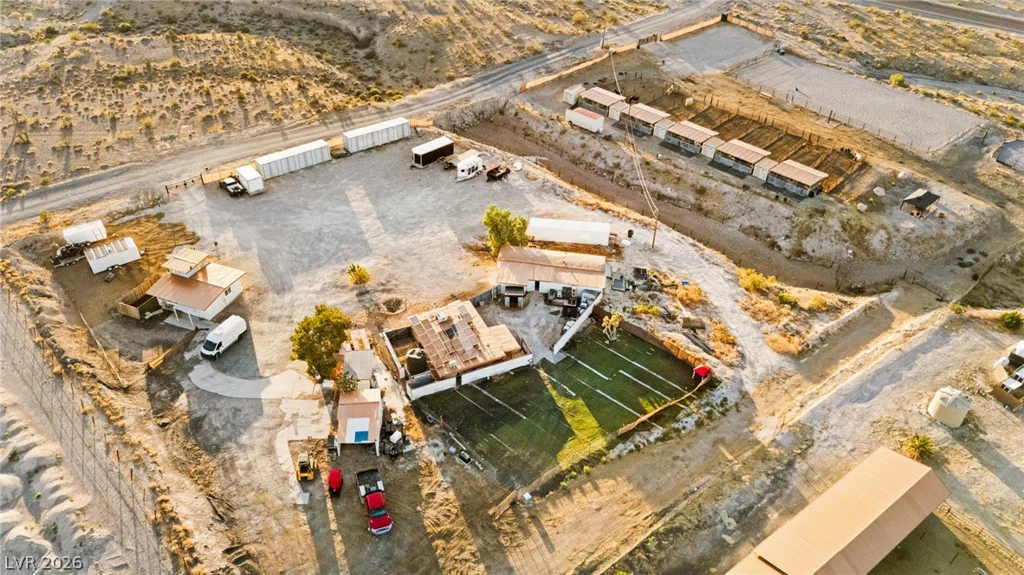
- Evaluate any existing barn, shelter, or stable structures for permits, structural condition, and whether they were built to code versus assembled informally.
- Check trailer access — gate width, turning radius, and parking area for a truck and trailer combination, since even a property with great pasture can be impractical if you can’t get a trailer in and out.
The Most Common Buyer Mistake in Las Vegas
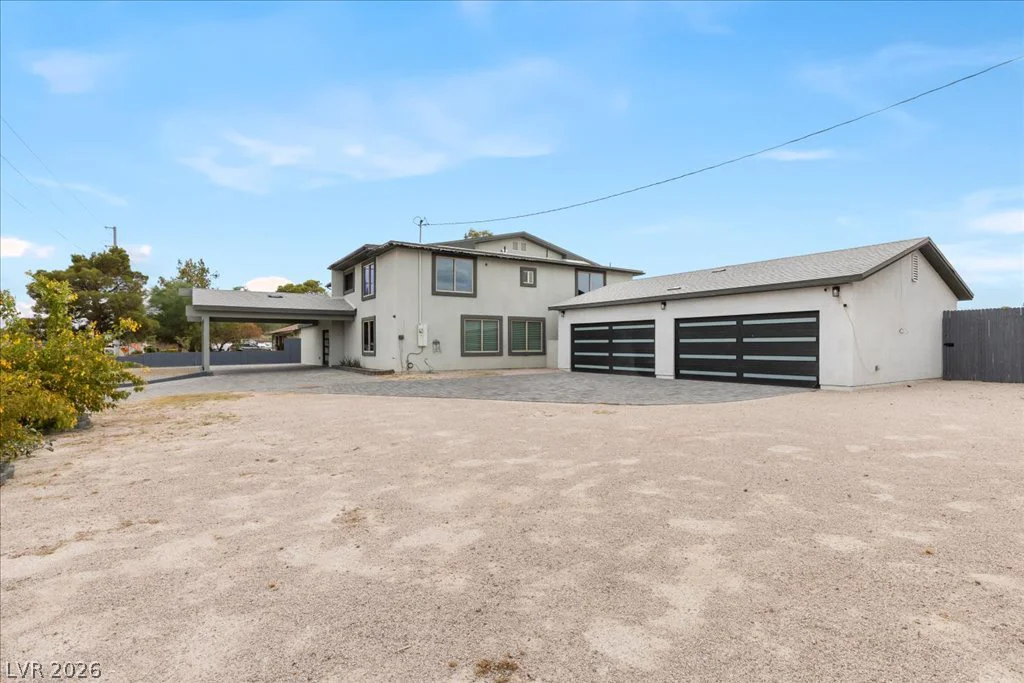
Buyers see a large lot — an acre or more — in a part of the valley that feels rural and assume animals are automatically allowed because the property “looks like” horse country. But zoning in the valley can be inconsistent even between adjacent parcels, particularly where older agricultural-zoned land sits next to parcels that were rezoned for residential use decades ago. A buyer who closes on a large lot assuming horse rights, only to find the parcel’s actual zoning designation prohibits large animals, can end up with an expensive property that doesn’t support the lifestyle that motivated the purchase in the first place.
Resale Perspective & Market Reality
True horse properties — correctly zoned, with usable infrastructure already in place (functional fencing, a barn or shelter, water access) — represent a small slice of valley inventory and tend to attract a dedicated buyer pool willing to travel further from urban amenities for the lifestyle. These properties can sit longer on market simply due to the smaller buyer pool, but well-prepared horse properties with documented zoning and working infrastructure often sell at a premium to similarly sized large-lot parcels that lack the equestrian-ready setup, since the buyer avoids having to build that infrastructure themselves.
Local Cost Context
Building horse-appropriate fencing on a multi-acre parcel can run into the tens of thousands of dollars depending on materials and perimeter length, and a basic shelter or barn structure adds substantially more — costs that should be weighed against a property’s asking price if that infrastructure isn’t already in place. For buyers who want the energy and water cost picture for a larger property, Las Vegas Homes with Paid-Off Solar and Las Vegas Energy Efficient Homes are worth reviewing, since larger parcels often mean larger homes with correspondingly larger utility bills. Buyers open to a more rural setting beyond the valley itself should also consider Pahrump Horse Properties, where larger acreage and more consistent equestrian zoning is more common.
Frequently Asked Questions
How can I verify whether a Las Vegas-area parcel is zoned for horses before making an offer?
Contact the Clark County (or relevant city) planning/zoning department directly with the parcel’s APN number — they can confirm the current zoning designation and any specific animal-keeping allowances or restrictions tied to that parcel, which is more reliable than relying on a listing description or general neighborhood reputation.
Are there minimum acreage requirements for keeping horses on residential property in the Las Vegas valley?
Minimum acreage and animal-per-acre limits vary by jurisdiction and zoning designation, with some areas requiring a minimum lot size before any large animals are permitted at all and others setting a maximum number of animals per acre — these specifics need to be confirmed for the exact parcel rather than assumed based on general valley norms.