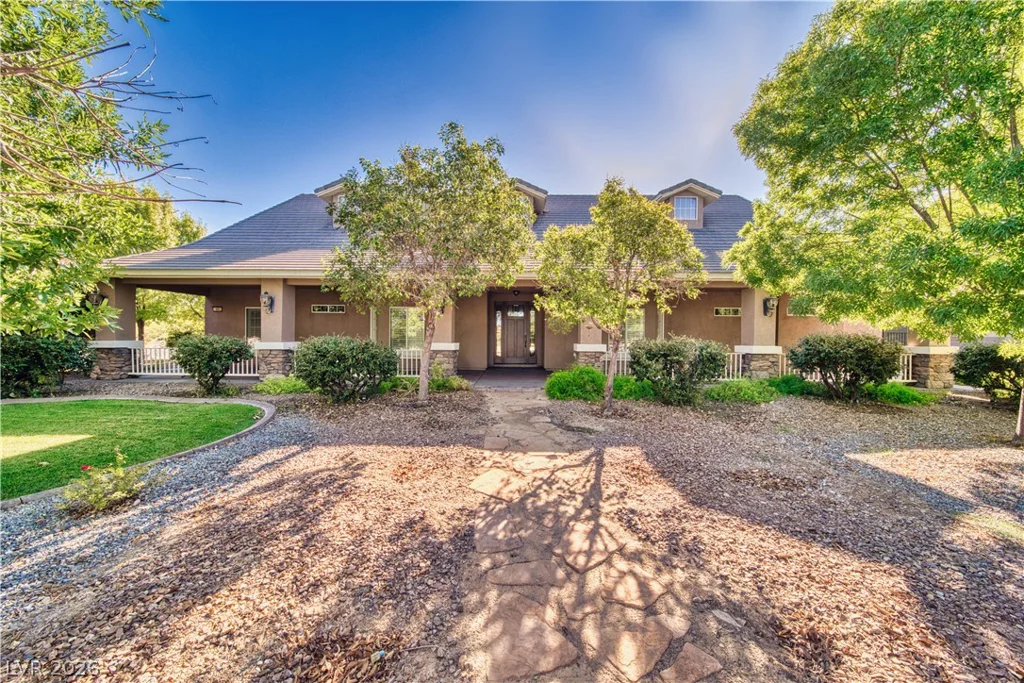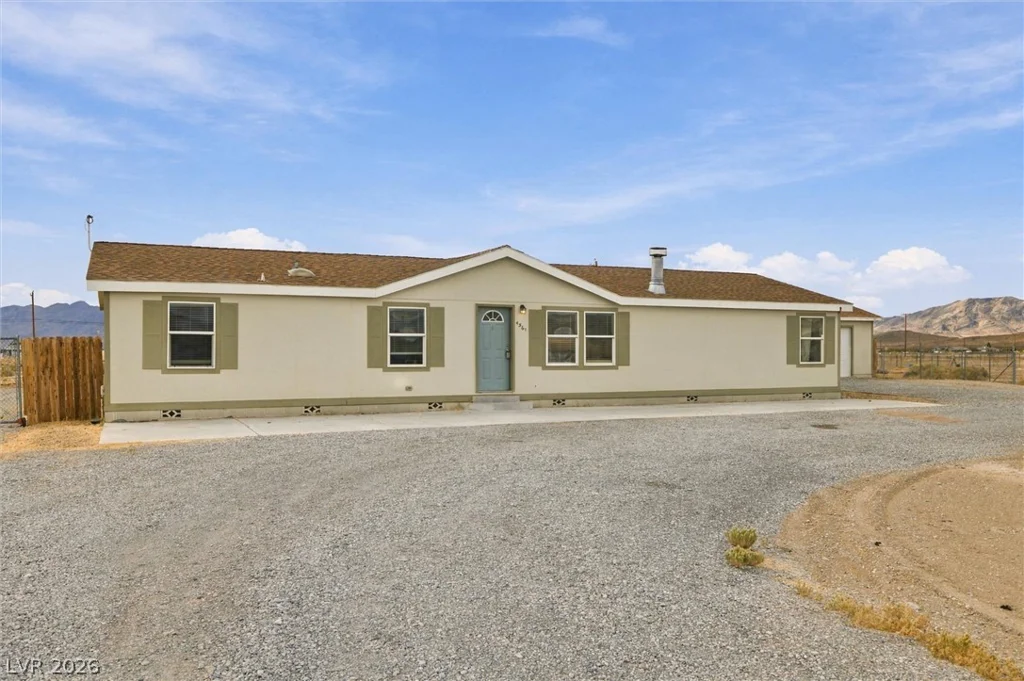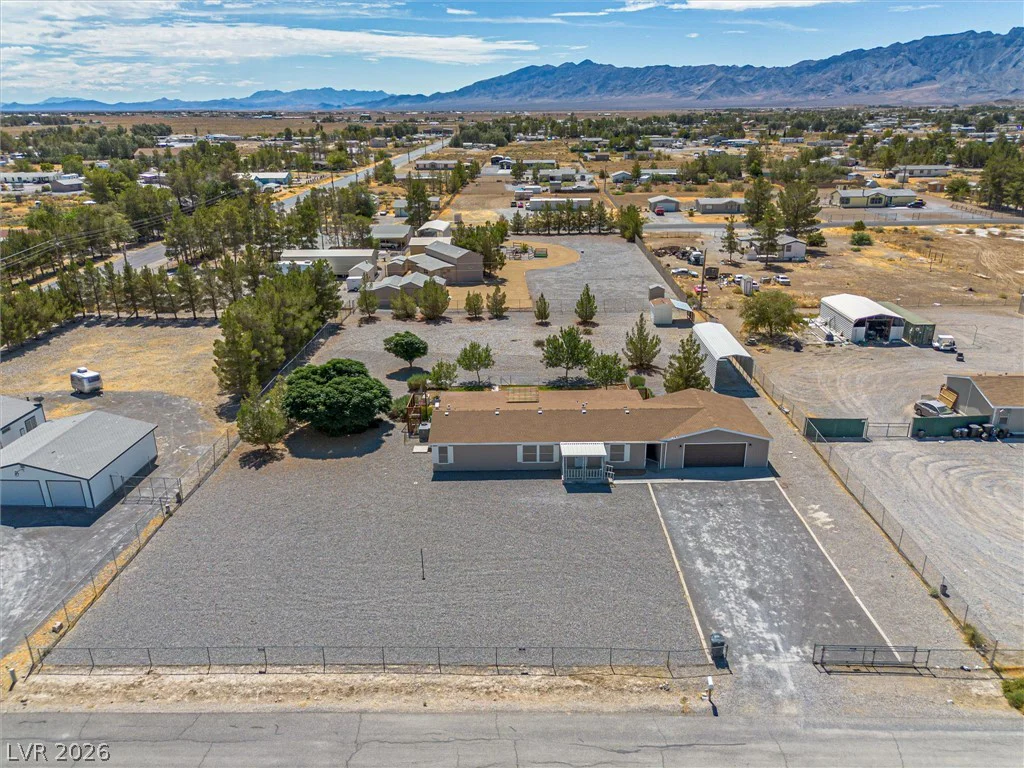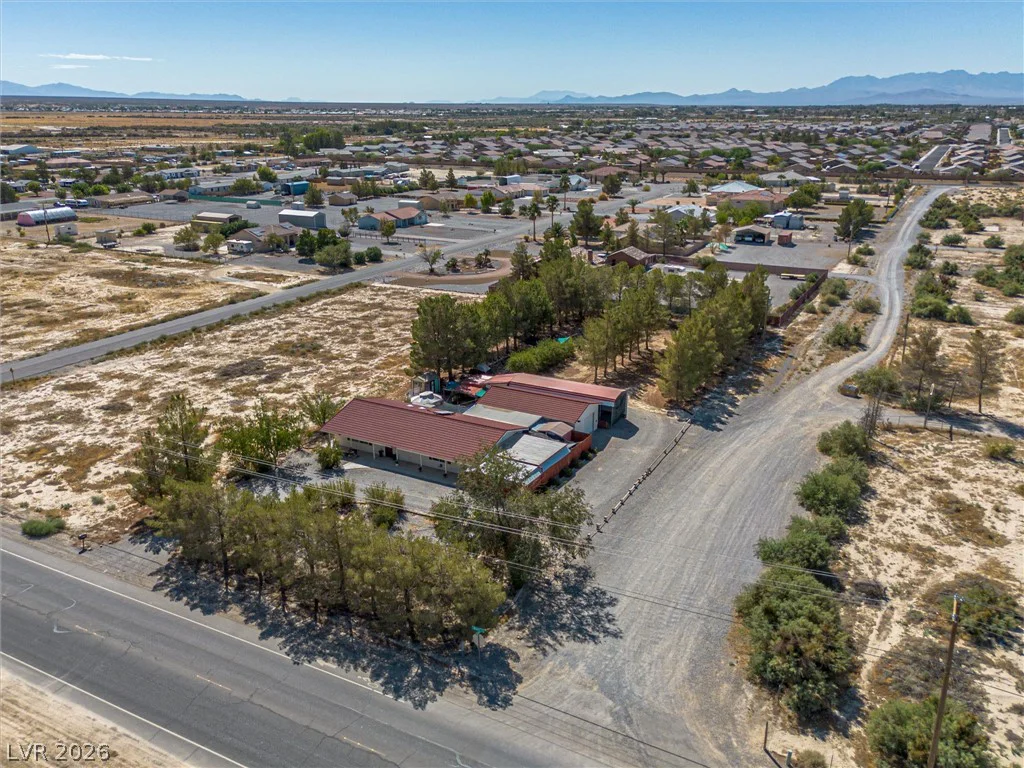
Why Horse Properties Matter in Pahrump
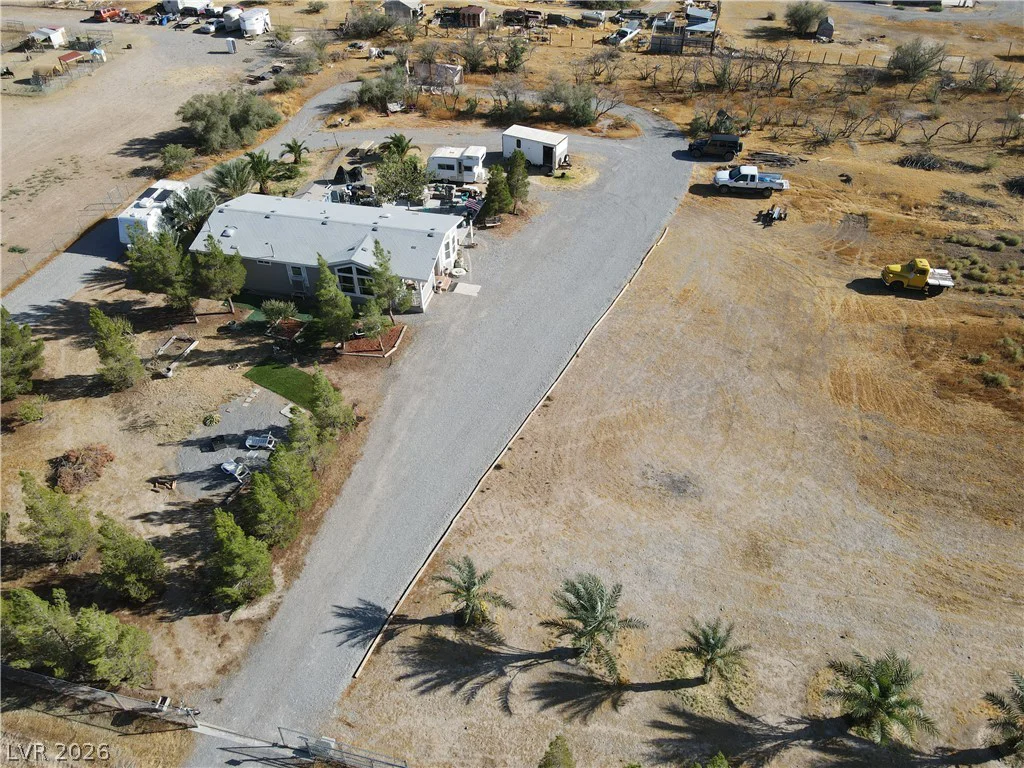
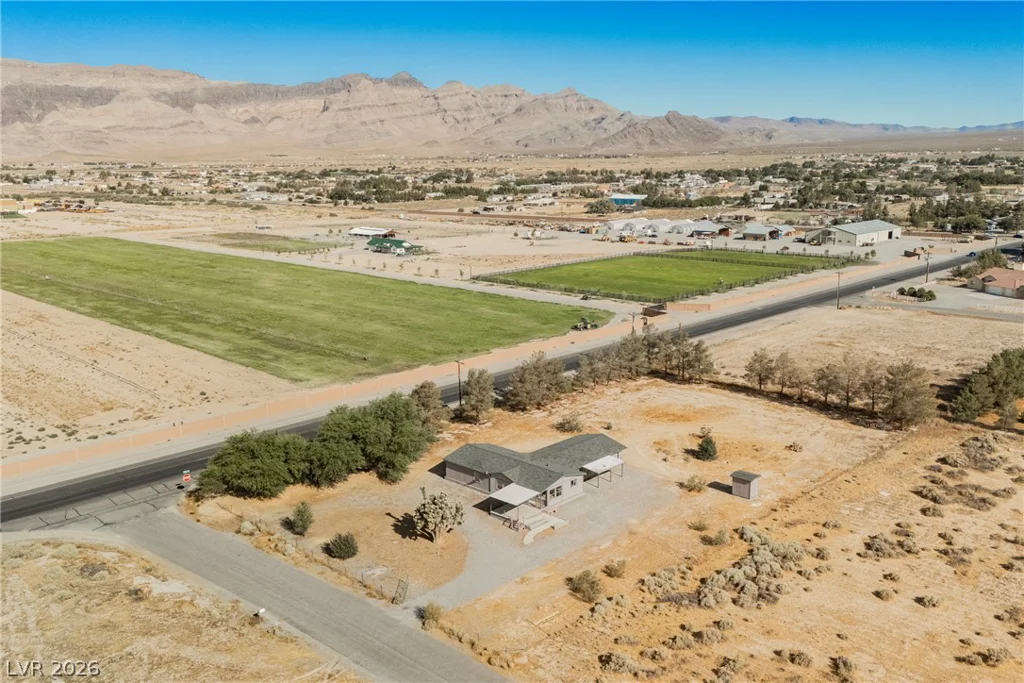
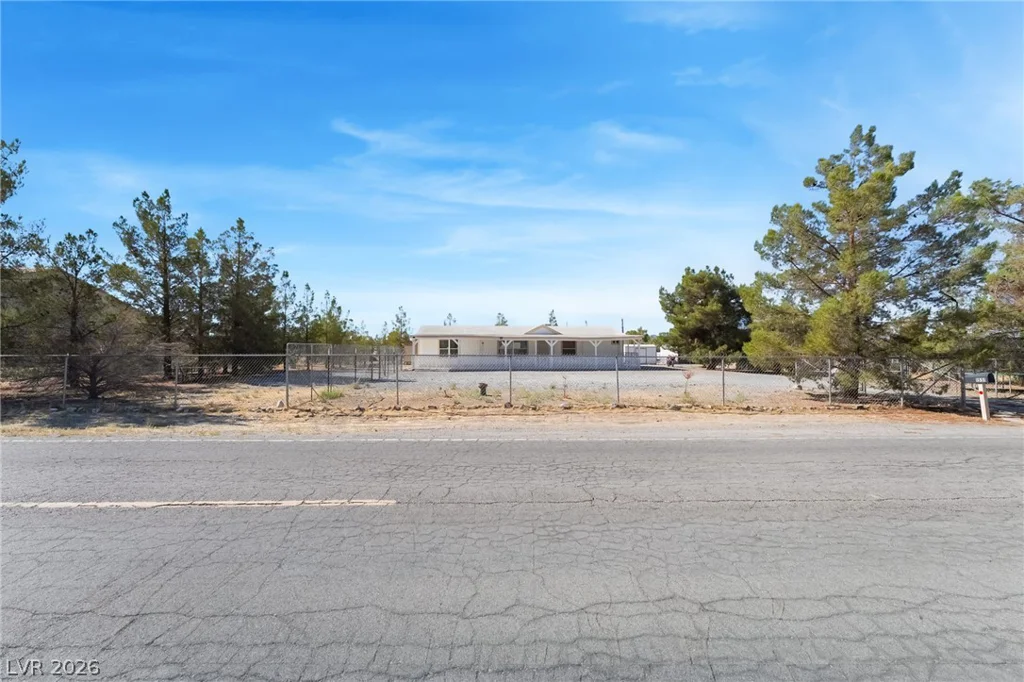
Saddle up the conversation differently here: Pahrump’s horse property market exists because Nye County zoning, unlike most of Clark County, generally allows large animals on residential parcels as a matter of course rather than as a special exception. For buyers relocating specifically to keep horses, llamas, or other livestock, Pahrump represents one of the closest options to the Las Vegas valley where that lifestyle is straightforwardly legal and culturally normal — arena setups, round pens, and small barns dot the landscape in a way that would draw immediate HOA violations in most Henderson or Summerlin neighborhoods. The Spring Mountains form a dramatic backdrop for trail riding on undeveloped land bordering many properties, and the broader off-grid and ranchette culture here means horse property owners are rarely the odd one out.
What to Inspect Before You Make an Offer
- Verify the parcel’s actual zoning designation with Nye County to confirm large animals are permitted, since some smaller in-town parcels may have different designations than outlying acreage
- Assess water availability and well capacity specifically for livestock needs, since horses require significantly more daily water than a household alone, and an undersized well can struggle to keep up
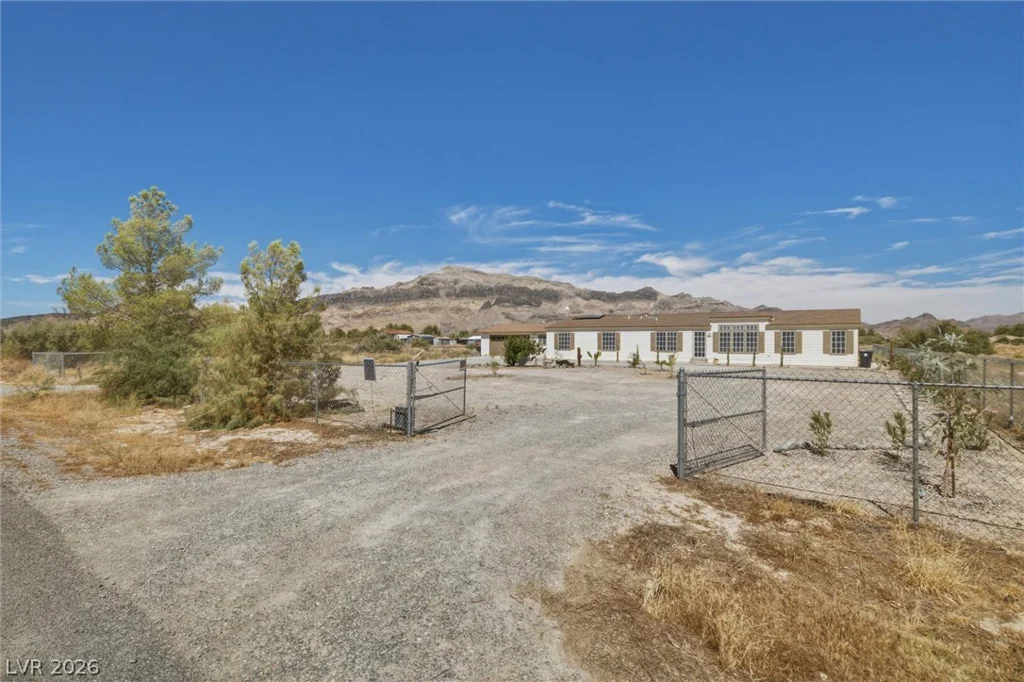
- Inspect fencing condition and type throughout the property, not just near the house, since perimeter fencing on larger parcels is expensive to replace and often shows the property’s true age
- Check any barn, shelter, or run-in structures for permits and structural soundness, since many were built without formal permits and may have code issues
- Confirm trailer access routes are wide enough and the surface can support a loaded trailer, particularly after rain
The Most Common Buyer Mistake in Pahrump
Buyers sometimes assume that because a property has a large lot and no HOA, animals are automatically allowed, but Nye County does maintain zoning categories, and a handful of more in-town or higher-density parcels carry residential designations that restrict or prohibit livestock despite having generous acreage. Before purchasing specifically for horse-keeping, confirm the parcel’s zoning code directly with the county rather than relying on the size of the lot or the presence of existing fencing as proof that animals are permitted.
Resale Perspective & Market Reality
Among roughly 58 horse property listings, those with verified zoning, adequate well capacity documented for livestock use, and functional existing infrastructure — fencing, shelters, water troughs — tend to attract serious horse-owning buyers more quickly than properties where the buyer would need to build everything from scratch. These listings are often shown alongside Pahrump New Construction Homes for buyers who want to build a custom equestrian setup on a larger new-build parcel, and Pahrump Homes with Pools for those balancing equestrian use with family-oriented amenities.
Local Cost Context
Building out horse infrastructure from scratch — fencing, a barn or shelter, water troughs, and an arena — can represent tens of thousands of dollars in additional investment beyond the home’s purchase price, so an existing, functional setup carries real embedded value. Since the vast majority of Pahrump has no HOA, there are no restrictions on the number of horses or the type of shelters you can build, though Nye County may still have setback requirements for structures and manure management considerations relative to wells and property lines.
Frequently Asked Questions
How much well capacity do I need for a horse property in Pahrump?
Each horse typically requires roughly 10 to 15 gallons of water per day depending on activity level and temperature, so a well’s documented flow rate and recovery time should be evaluated against both household needs and the number of animals you plan to keep, particularly during peak summer demand.
Do manure management practices need to meet any county standards near a well or septic system?
Nye County and state environmental guidelines generally recommend keeping manure storage and composting areas a safe distance from wellheads and septic leach fields to avoid groundwater contamination, so when evaluating a horse property, check the relative positions of any existing manure storage area, the well, and the septic system.