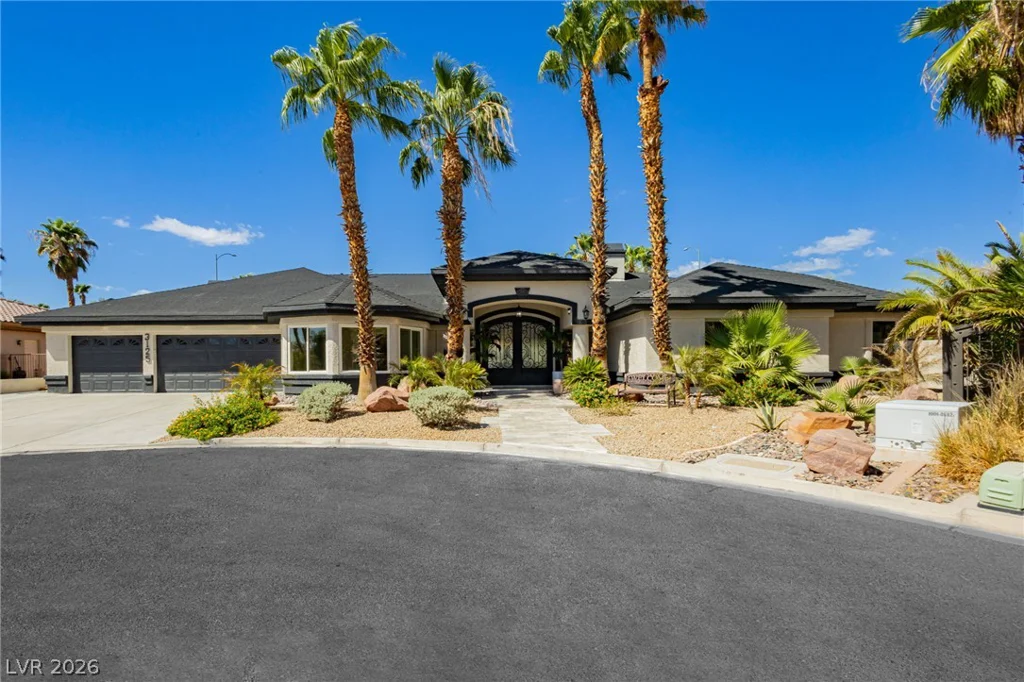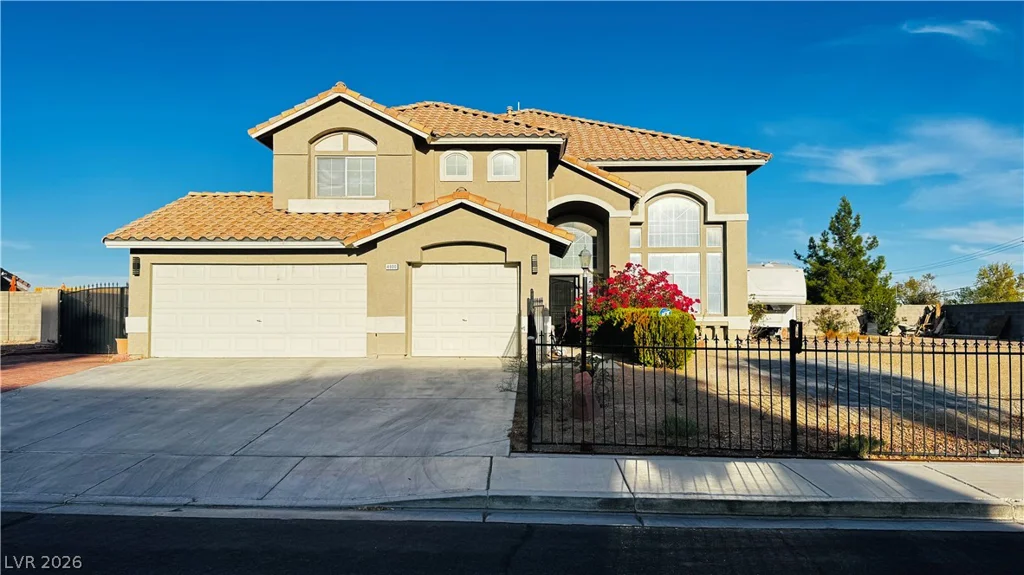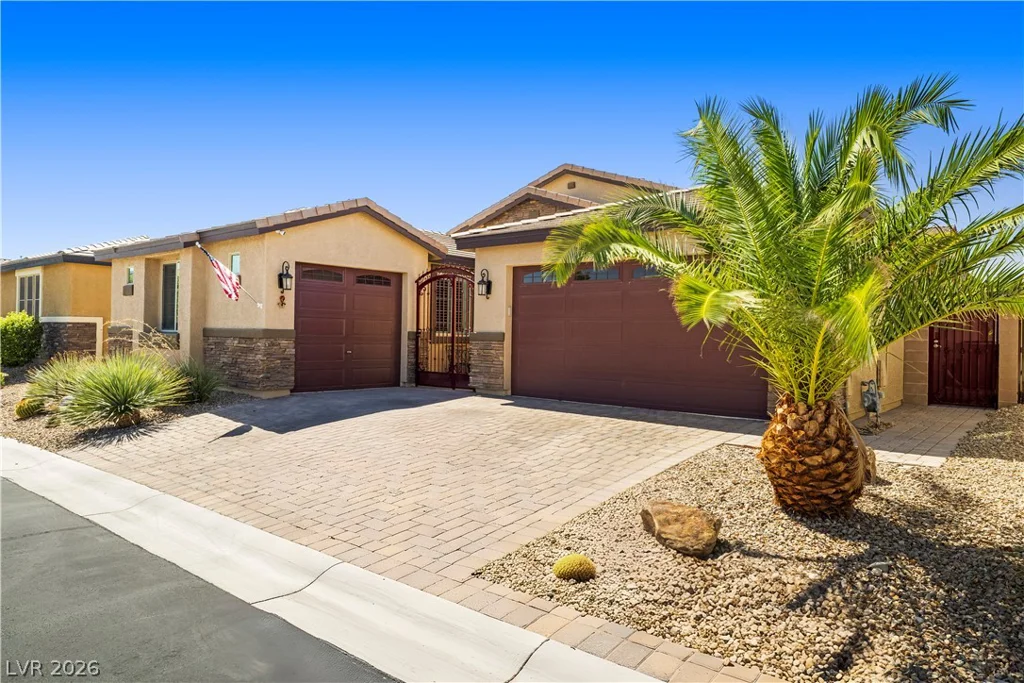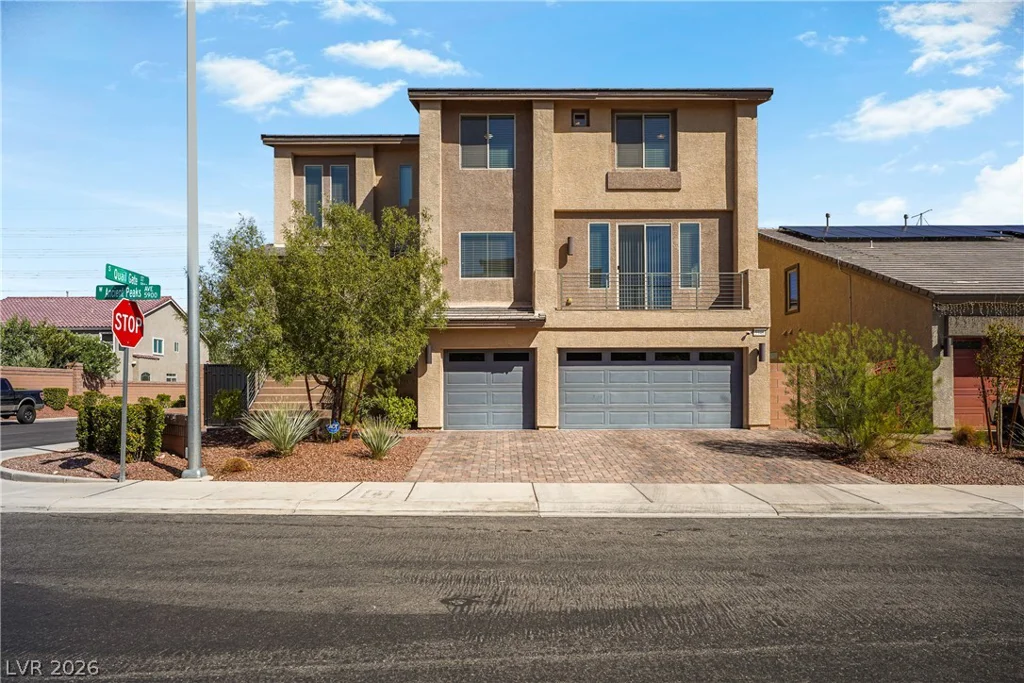
Why Paid-Off Solar Matters in Las Vegas
Summer power bills are the line item that makes or breaks a Las Vegas budget, and a home where the solar array is already owned outright removes one of the biggest unknowns in the deal. Whether the listing sits in a 1960s ranch block near the Scotch 80s, a stucco subdivision off the 215 Beltway, or a newer build out toward the eastern desert near Sunrise Mountain, a paid-off system means the buyer inherits the production without inheriting a lease payment, a UCC filing, or a loan that has to be paid off at closing. For households running multiple AC units from June through September, that distinction can be worth hundreds of dollars a month. It also matters for resale: appraisers and buyers alike treat owned solar as real property value, while leased systems are often treated as a complication to be untangled.
What to Inspect Before You Make an Offer
- Request the original solar contract or paid-in-full documentation directly from the installer, not just a verbal assurance from the seller.
- Pull 12 months of NV Energy bills to confirm the system’s actual production matches the home’s usage, especially during July and August peaks.
- Check the roof’s age and condition underneath and around the panels — re-roofing a home with an existing array adds significant labor cost for panel removal and reinstallation.
- Confirm the county permits and final inspection were closed out, since unpermitted installs can complicate insurance and future refinancing.
- If the home is in an HOA-governed subdivision, verify the array was approved by the architectural committee, particularly for ground-mounted or visible front-facing installations.
The Most Common Buyer Mistake in Las Vegas
Buyers regularly assume “paid off” automatically means “problem free,” then skip a real conversation about inverter age. Most residential inverters carry a 10 to 12 year lifespan, and a system installed in 2014 that’s technically owned outright may need a $1,500 to $3,000 inverter replacement within a year or two of closing. Because Las Vegas listings span everything from older infill near Charleston Blvd to fresher construction near the 215, the age of the underlying system varies enormously even among homes advertised identically as “paid-off solar” — so the marketing language tells you nothing about the equipment’s remaining useful life.
Resale Perspective & Market Reality
Across the valley, owned solar tends to shorten time on market modestly, but the effect depends heavily on how the listing documents it. A home with a clean payoff letter, recent production data, and a roof under 10 years old will photograph well in showings and field fewer buyer-financing questions, which keeps it moving. A home where the agent simply notes “solar — owned” with no backup paperwork often stalls during the appraisal or inspection period while the buyer’s lender or agent chases down documentation — costing a week or two of momentum that competitive listings in price-sensitive valley submarkets can’t always afford.
Local Cost Context
A typical owned residential system in the valley sized for a 2,000 to 2,800 square foot home runs in the 6 to 9 kW range, and replacing a failing inverter alone can run $1,500–$3,000, while a full panel re-lay during a roof replacement (tear-off, panel removal, reinstall) commonly adds $1,500–$4,000 to a roofing job depending on array size. If you’re also weighing a home with a casita or attached guest suite, browse Las Vegas Homes with Casitas to see how solar capacity holds up when a second living unit adds to the electrical load. Buyers comparing finish quality alongside utility savings often cross-reference Las Vegas Homes with Quartz Countertops to gauge whether a listing’s overall upgrade level matches its solar claims. And if Summerlin’s master-planned HOAs feel like a better fit for your search, Summerlin Homes with Paid-Off Solar covers how that community’s design guidelines treat rooftop arrays differently than older valley subdivisions.
Frequently Asked Questions
How do I confirm a Las Vegas solar system is truly UCC-lien-free at closing?
Ask the title company to run a UCC-1 search against the seller’s name and the property address; solar financing companies often file a UCC fixture filing that must be released before clear title can transfer, even if the seller insists the loan was paid off years ago.
Does NV Energy’s net metering rate transfer automatically to a new owner?
Net metering agreements are tied to the meter and service address rather than the individual, so a new owner generally inherits the existing interconnection agreement, but you should still request the seller’s most recent NV Energy statement to confirm the account is in good standing and the export rate hasn’t changed under a newer rate schedule.