Why Community Pools Matter in Las Vegas
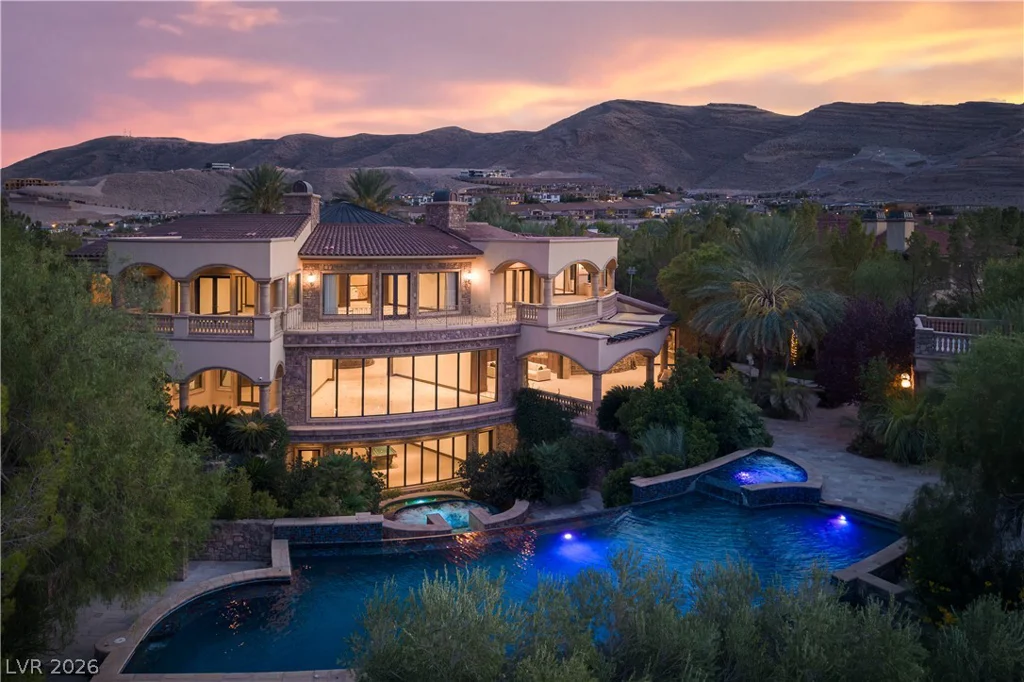
Plenty of Las Vegas buyers want pool access without taking on the upkeep, and that’s exactly what a community pool offers in subdivisions scattered across the valley. In gated enclaves near the 215 Beltway, a clubhouse pool often anchors the social calendar for residents, while in higher-density condo and townhome clusters near Spring Mountain Road and the Strip corridor, a community pool can be the deciding amenity for buyers who don’t have a private yard at all. First-time buyers near the Arts District and Charleston Blvd frequently choose a community pool over a private one simply to keep monthly costs predictable, since chemicals, resurfacing, and equipment repairs become the HOA’s responsibility instead of theirs. The catch is that “community pool” can mean a single small pool serving hundreds of units or a resort-style amenity package with multiple pools, spas, and cabanas, so the actual experience depends heavily on which subdivision you’re looking at.
What to Inspect Before You Make an Offer
- Pull the HOA’s reserve study to see whether pool resurfacing, deck repairs, or equipment replacement are funded or likely to trigger a special assessment soon.
- Ask for the posted pool hours and any guest policies, since some associations restrict access during peak summer hours or limit the number of guests per household.
- On older subdivisions built before the early 2000s, look at the pool deck for cracking or settling, which can signal broader drainage issues across the common area.
- Confirm what other amenities are bundled into the same HOA fee — fitness centers, splash pads, or tennis courts can justify a higher monthly cost if you’ll actually use them.
- Check the distance from the specific unit or lot to the pool, since a “community pool” two streets away functions very differently than one visible from your backyard.
The Most Common Buyer Mistake in Las Vegas
Buyers often assume a low HOA fee in a community with a pool means the amenity is well-maintained, then discover during ownership that dues are about to increase sharply to cover deferred maintenance. Because pool upkeep is one of the largest line items in many Las Vegas HOA budgets, a community that has kept dues artificially low for years is a red flag worth investigating before closing.
Resale Perspective & Market Reality
Homes in communities with a well-kept, recently resurfaced pool tend to move faster than comparable units in associations where the pool has been closed for repairs or looks dated in listing photos. Buyers comparing a unit here against Las Vegas Homes with Private Pools often end up choosing the community-pool option specifically for the lower maintenance burden, which keeps demand steady even when private-pool inventory is abundant.
Local Cost Context
HOA dues that include pool maintenance in Las Vegas commonly run from the low hundreds per month in modest subdivisions to several hundred dollars in resort-style gated communities with multiple pools and full-time staff. Architectural review boards in these communities are typically less concerned with pool-adjacent rules and more focused on patio enclosures, exterior paint, and landscaping near common areas, but always confirm what the association actually enforces versus what’s written in outdated CC&Rs. If a covered patio for shade is also on your list, Las Vegas Homes with Covered Patios is worth a parallel search, and buyers focused on a specific master-planned area should also look at Tuscany Homes with Community Pools to compare how that community’s amenity package stacks up.
Frequently Asked Questions
Can an HOA restrict pool access for renters in Las Vegas communities?
Many associations allow renters the same pool access as owners but require a signed acknowledgment of rules, and some communities cap the number of guests a renter or owner can bring, so it’s worth requesting the rental and guest policy in writing before you buy if leasing is part of your plan.
How often are community pools resurfaced in Las Vegas HOAs?
Plaster or pebble-finish resurfacing is typically needed every 10 to 15 years depending on water chemistry and usage, and a reserve study should show when the last resurfacing occurred and when the next one is budgeted.