Why Private Pools Matter in Las Vegas
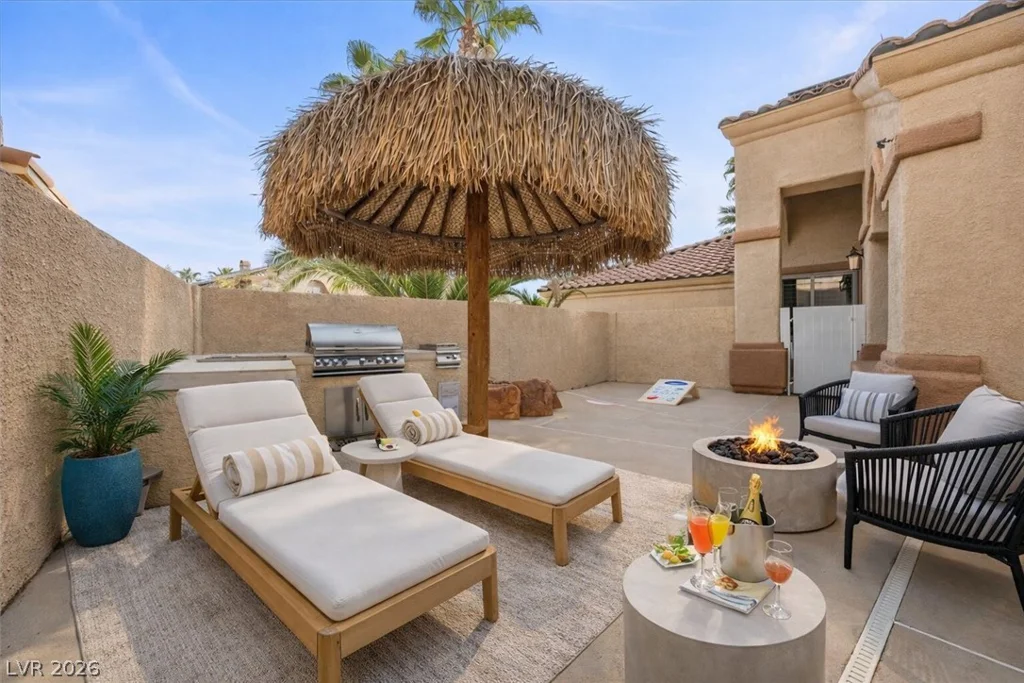
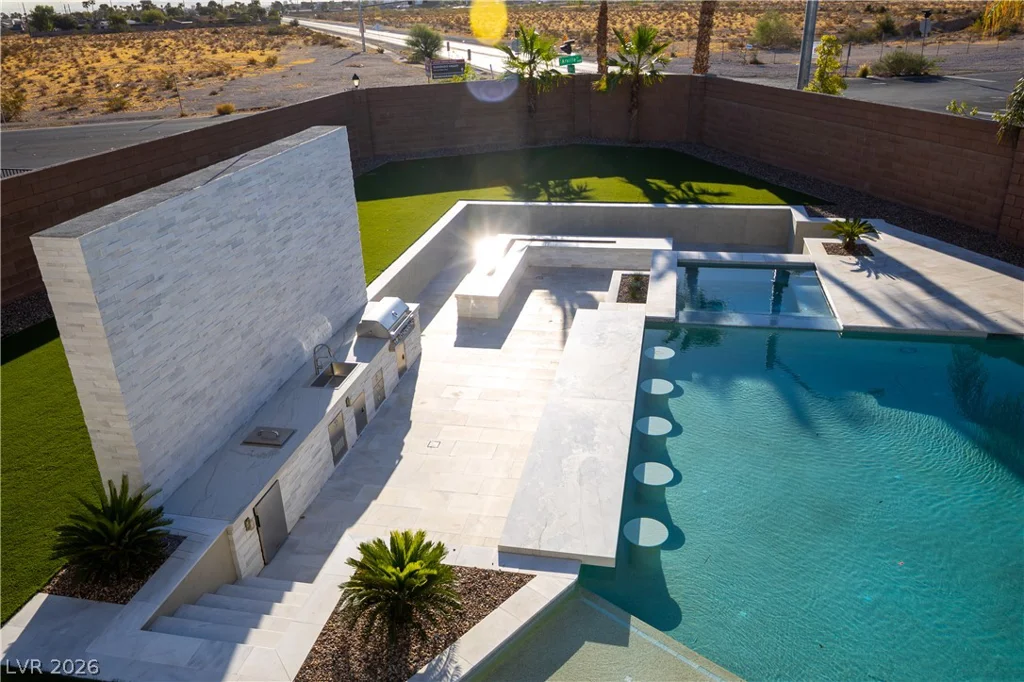
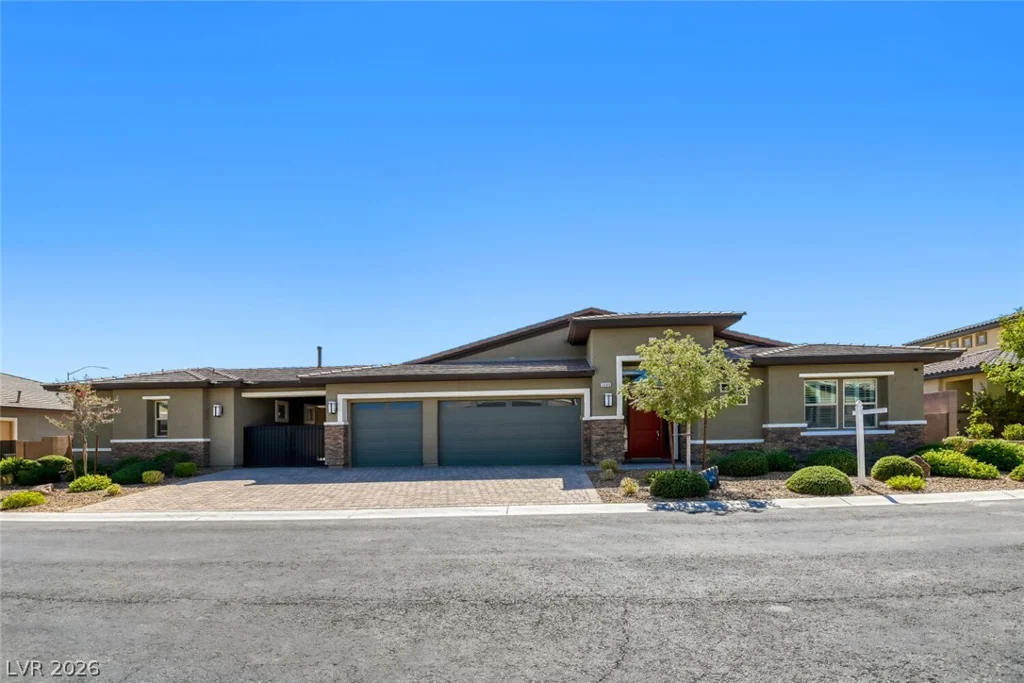
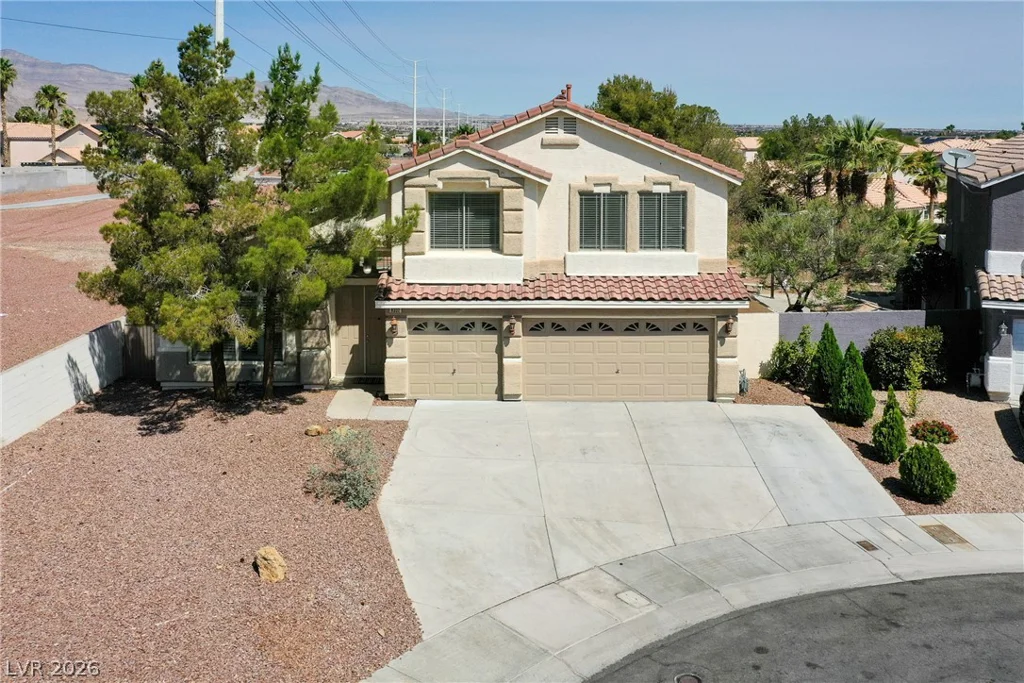
Unlike a community pool shared with neighbors, a private backyard pool in Las Vegas offers something many buyers specifically relocate for: the ability to swim laps before work, host a birthday party without reserving a clubhouse, or simply float at 9 p.m. when the air finally cools. In gated communities near the 215 Beltway, private pools are often part of larger entertaining backyards with built-in barbecue areas, while in older central-valley homes, a private pool might be a simple rectangular shape installed decades ago with minimal surrounding hardscape. For buyers coming from climates where a pool sits unused most of the year, the math on a Las Vegas private pool is different — with roughly five to six months of regular swimming weather, the cost-per-use calculation tends to favor ownership for households that will genuinely use it.
What to Inspect Before You Make an Offer
- Request a pool inspection separate from the general home inspection, covering surface condition, structural integrity, and equipment age for the pump, filter, and heater.
- On older pools, check for signs of leaks by reviewing water bills for unusual spikes or asking the seller about water level changes between fills.
- Inspect the pool’s safety features, including fencing, gate latches, and any pool alarms, particularly important if the home will be used by families with young children.
- Evaluate available shade around the pool, since direct sun exposure all afternoon can make the deck surface too hot to walk on barefoot during summer months.
- Check whether the pool has a variable-speed pump, which significantly affects monthly electricity costs compared to older single-speed pumps still common in homes built before the 2010s.
The Most Common Buyer Mistake in Las Vegas
Buyers sometimes choose the home with the lowest price among similar pool listings without asking why it’s priced lower, then discover the pool needs resurfacing or a full equipment replacement shortly after move-in. A pool that looks fine in photos can still be within a year or two of needing major work, and that cost should be factored into any price comparison.
Resale Perspective & Market Reality
Private pools remain one of the most-searched features for buyers relocating to Las Vegas from out of state, and a pool in excellent condition with a usable surrounding yard can be a meaningful differentiator that shortens days on market, especially in summer listing season. Buyers who also want a casita or guest space alongside the pool can check Las Vegas Homes with Casitas, a common pairing for households hosting visiting family.
Local Cost Context
Annual maintenance for a private pool in Las Vegas — chemicals, occasional service visits, and electricity for the pump — adds a recurring cost that buyers should factor into their monthly budget beyond the mortgage. HOA architectural review boards in gated communities often have specific requirements for pool fencing materials, deck finishes, and equipment screening that must be visible-from-street compliant, so check before planning any pool-area changes. Buyers who want the home fully set up and ready to enjoy immediately can check Las Vegas Move-In Ready Homes, and those focused on a specific master-planned area can compare Summerlin Homes with Private Pools.
Frequently Asked Questions
How much does it typically cost to run a private pool pump monthly in Las Vegas?
Costs vary based on pump type and run time, but a variable-speed pump running efficiently can cost considerably less per month than an older single-speed pump running on a longer daily cycle, which is worth factoring into utility cost comparisons between homes.
What should I look for to confirm a Las Vegas pool isn’t leaking?
A simple bucket test — comparing water loss inside a bucket placed on the pool steps versus the pool’s own water level over 24 to 48 hours — can help identify whether water loss is from evaporation or an actual leak, though a professional leak detection service is more reliable before closing.