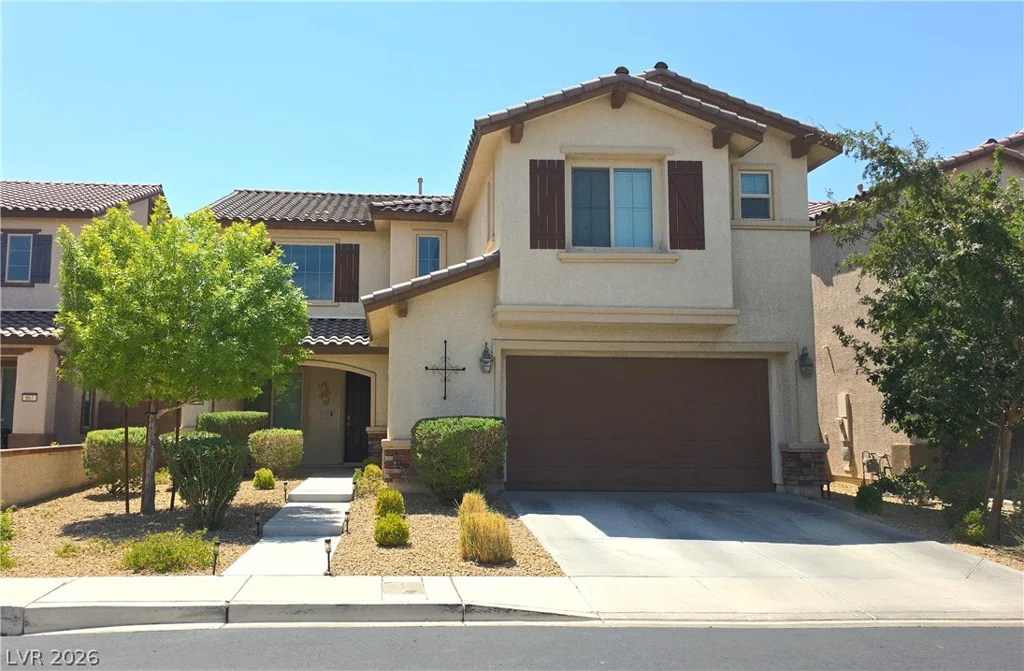
Why Guard-Gated Access Matters in Tuscany
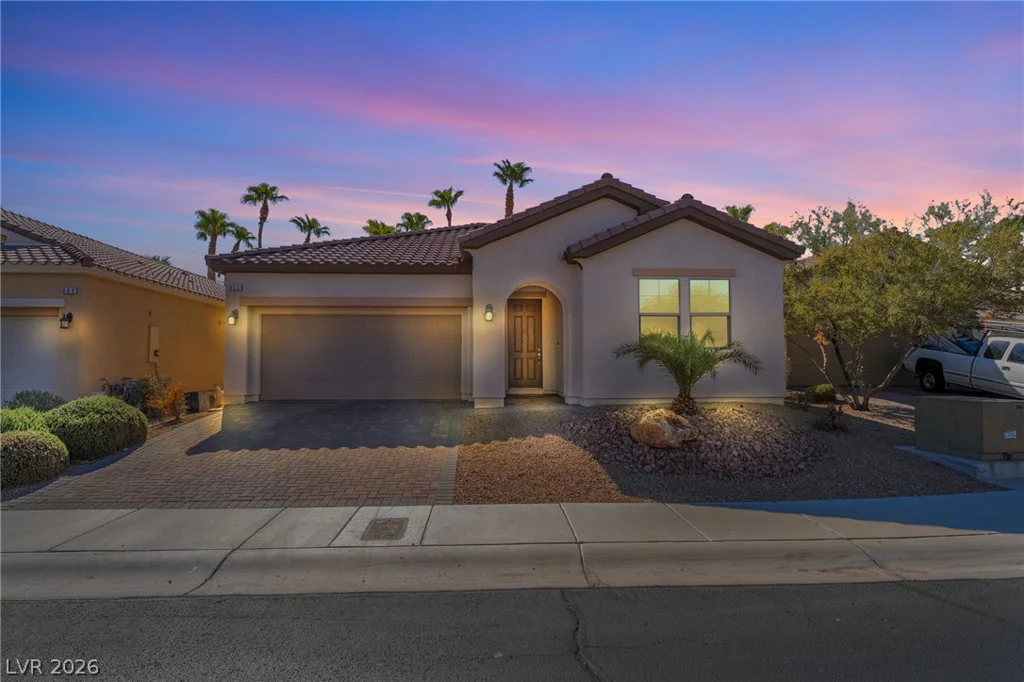
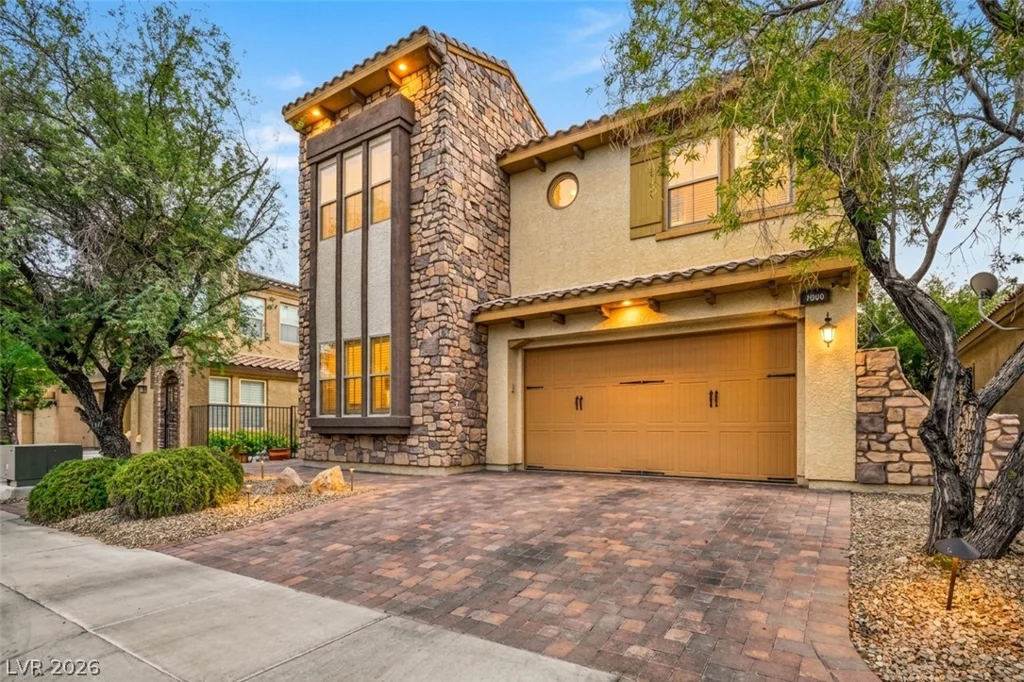
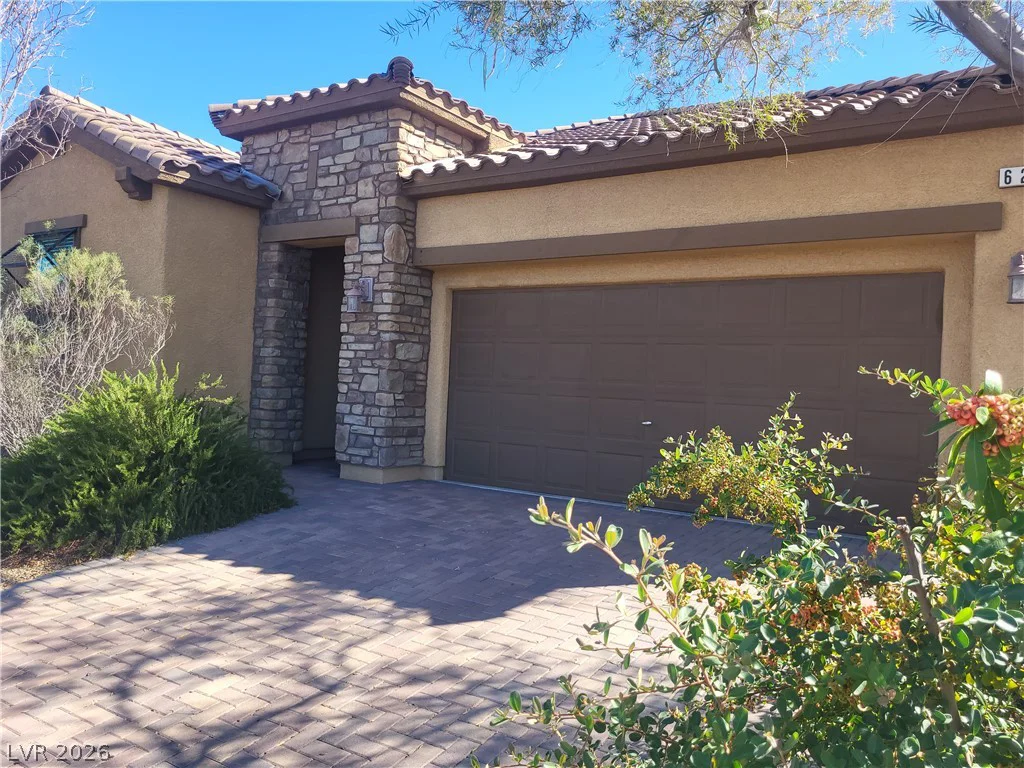
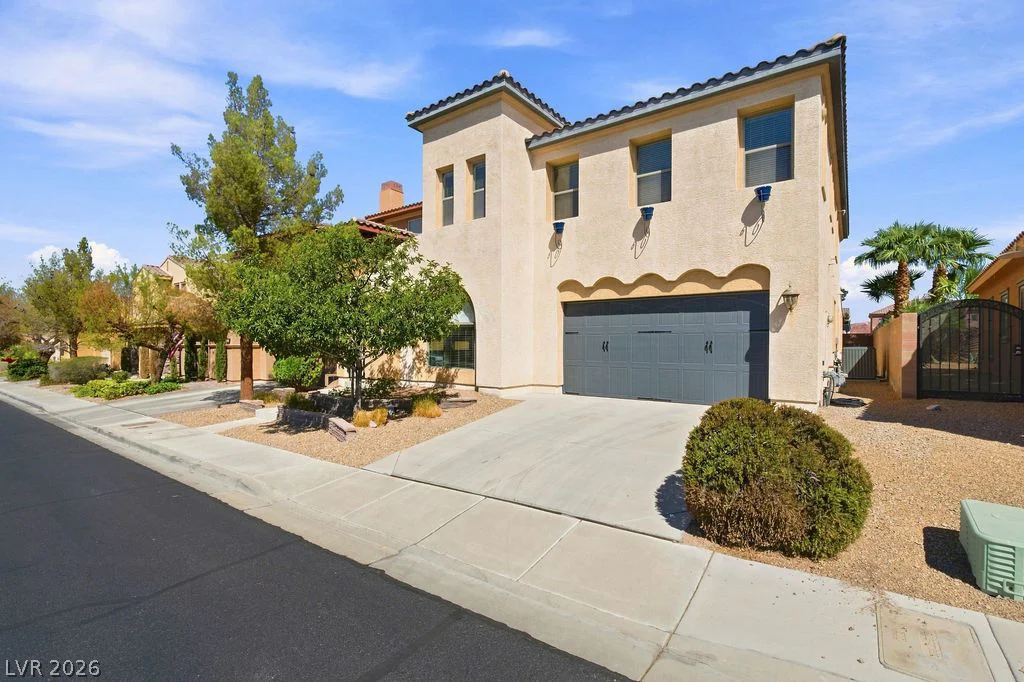
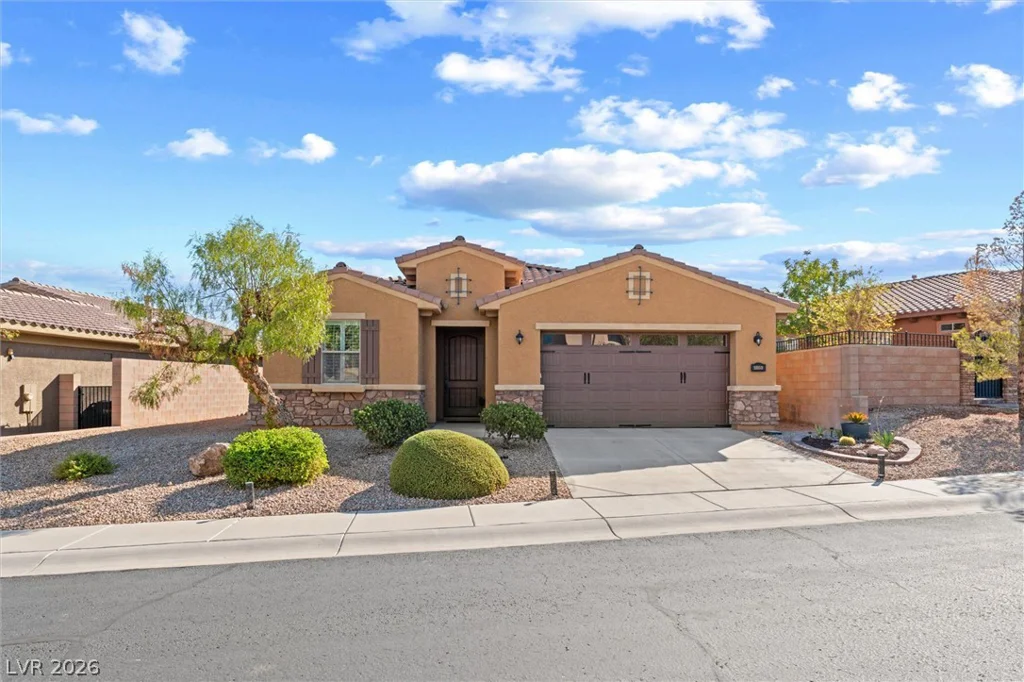
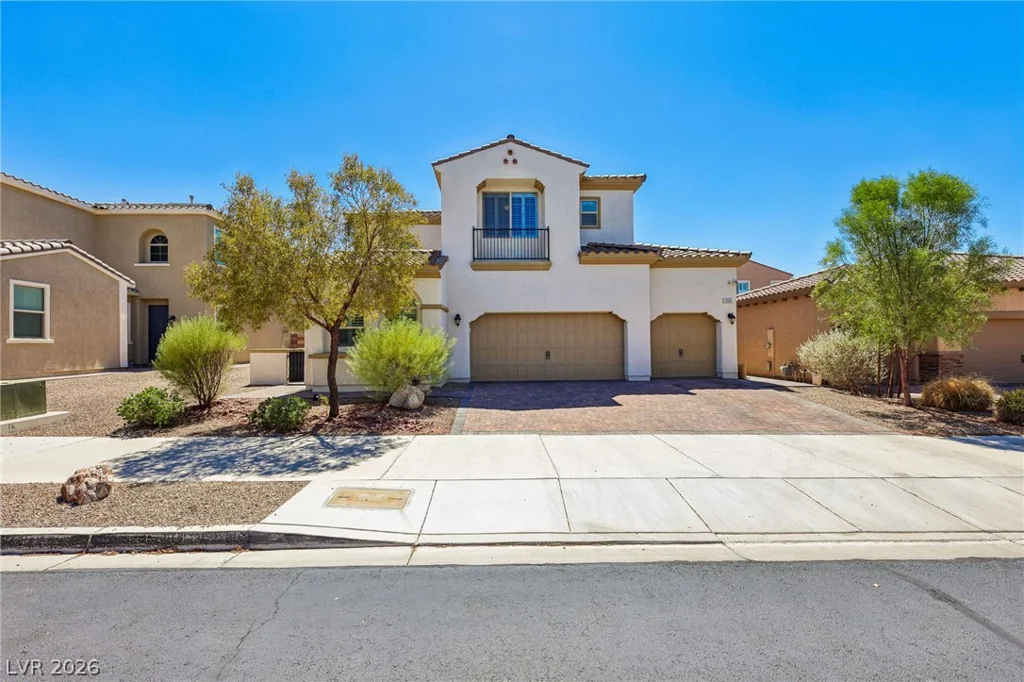
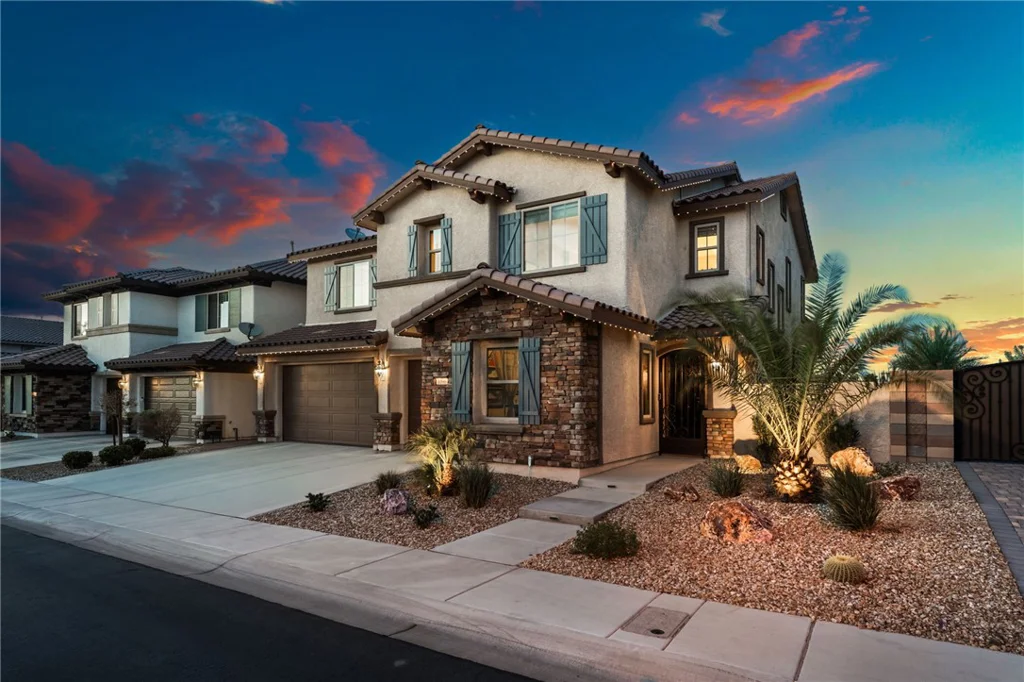
Not every section of Tuscany sits behind a manned gate, which surprises buyers who assume the entire Mediterranean-themed village near Sunset Park shares one security perimeter. In reality, a handful of enclaves within Tuscany were built with guard-gated or attended-gate access during the community’s early-2000s buildout, and these pockets command a noticeably different lifestyle than the open-access streets nearby. For move-up families drawn to the uniform tile-roof aesthetic that defines the neighborhood, the guard-gated sections add a layer of privacy that pairs well with the area’s proximity to the Sunset Rd retail corridor — residents get quick access to shopping and dining without through-traffic cutting across their streets. If you’re cross-shopping Tuscany homes with covered patios or comparing notes with buyers looking at Sun City Anthem’s guard-gated homes, understand that Tuscany’s gated pockets are smaller in scale and the guard staffing hours can vary by enclave, so verify exactly what “guard-gated” means for the specific address you’re considering.
What to Inspect Before You Make an Offer
- Verify whether the gate is staffed around the clock or only during peak hours, since some Tuscany enclaves use part-time guard coverage
- Check the gatehouse and entry wall stucco and tile detailing for wear, as these structures date to the early-to-mid 2000s and are subject to the same HOA exterior standards as homes
- Ask whether the gated enclave has its own sub-HOA dues separate from the broader Tuscany master association, since guard staffing is typically funded through an additional assessment
- Confirm visitor and vendor access procedures, particularly for deliveries and contractors, since gated sections often require advance registration
- Review whether the gate’s access control system (transponders, codes) has been upgraded since original construction, as older systems can mean higher replacement costs down the line
The Most Common Buyer Mistake in Tuscany
Buyers frequently assume a listing description that says “Tuscany – guard gated community” applies to the entire neighborhood, then discover at the title company that the specific parcel sits in a non-gated section a few streets away from the guarded enclave. This mismatch can affect both the monthly dues estimate and the buyer’s expectations around traffic and privacy. Always have your agent confirm the exact enclave boundary on a plat map before assuming gated access applies.
Resale Perspective & Market Reality
Homes inside Tuscany’s truly guard-gated enclaves tend to attract a narrower but more committed buyer pool — move-up families who specifically want that added privacy layer and are willing to pay the higher associated dues. These homes can sit slightly longer on market simply because the buyer pool is smaller, but they rarely see price reductions once a serious buyer engages, since the guard-gated inventory in this price range is limited. Non-gated Tuscany homes with strong tile-roof and stucco condition often sell just as quickly, since the broader community’s reputation for architectural consistency does most of the marketing work regardless of gate status.
Local Cost Context
Guard-gated enclaves in Tuscany typically carry a sub-association assessment on top of the master HOA dues, and that combined fee funds both the guard staffing and the upkeep of entry monuments built to match the community’s mandated stucco color palette and tile-roof style. If you’re considering modifying an entry wall, mailbox kiosk area, or perimeter landscaping near a gated entrance, expect the same architectural review process that applies to individual homes — any visible exterior change must match the approved tile-roof and stucco specifications, and gated-enclave changes often face additional scrutiny since they’re visible to every resident passing through the gate daily.
Frequently Asked Questions
Are all of Tuscany’s guard-gated sections governed by the same sub-HOA?
No. Tuscany includes multiple distinct gated enclaves developed in different phases, each with its own sub-association and dues structure layered on top of the master Tuscany HOA, so the guard-gated fee can differ from one enclave to the next.
If the guard gate equipment fails, who is responsible for repairs — the master HOA or the sub-association?
Typically the sub-association tied to that specific gated enclave is responsible for gate equipment, staffing, and entry monument upkeep, while the master Tuscany HOA governs the broader community-wide stucco and tile-roof standards that the entry structures must still comply with.