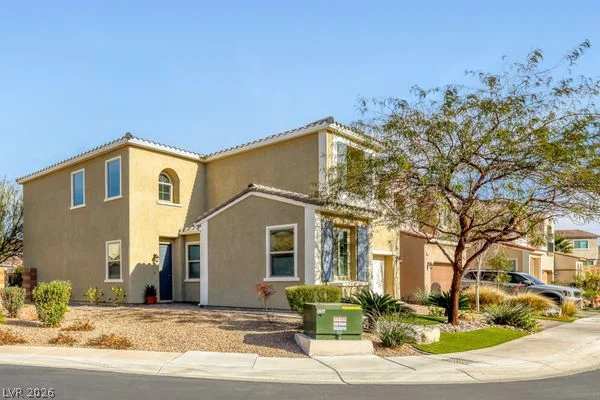
Why Covered Patios Matter in Tuscany
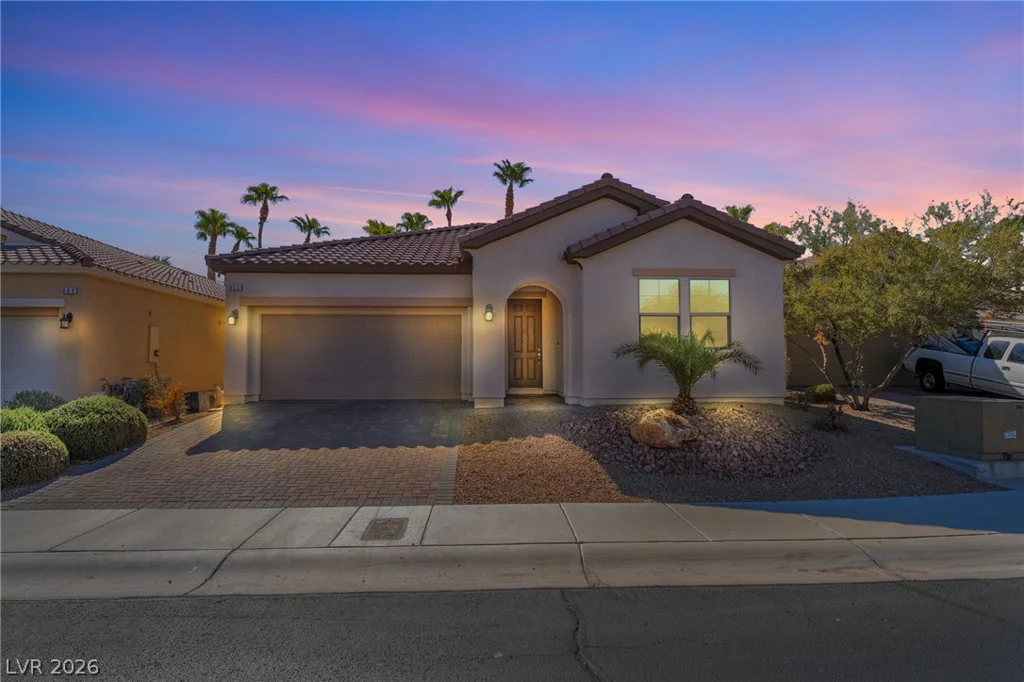
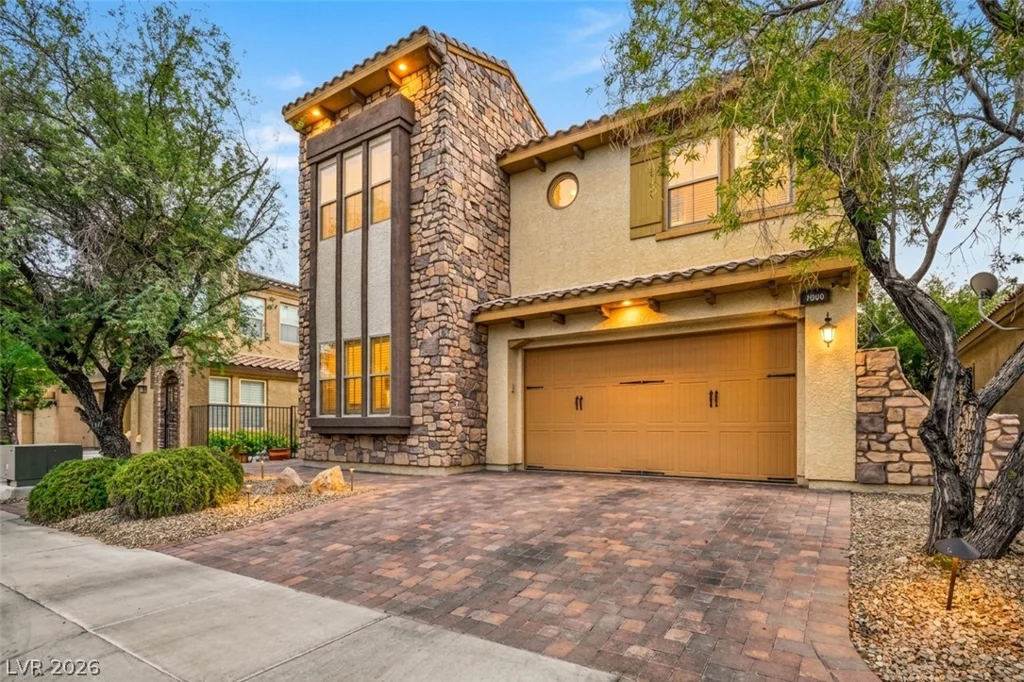
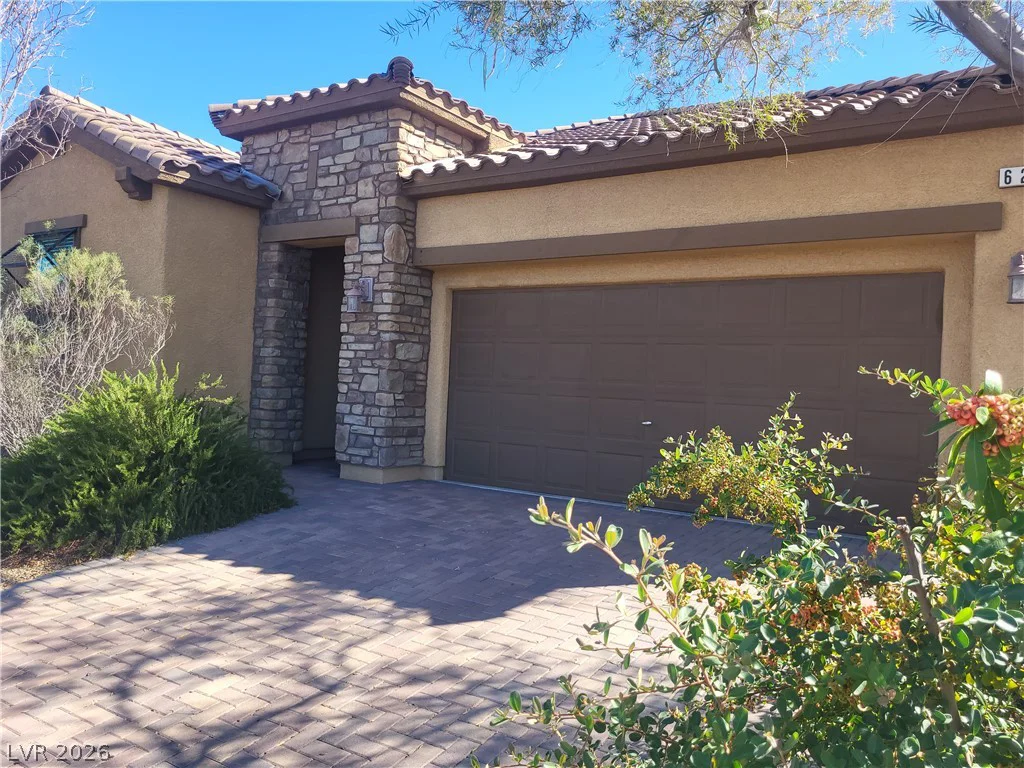
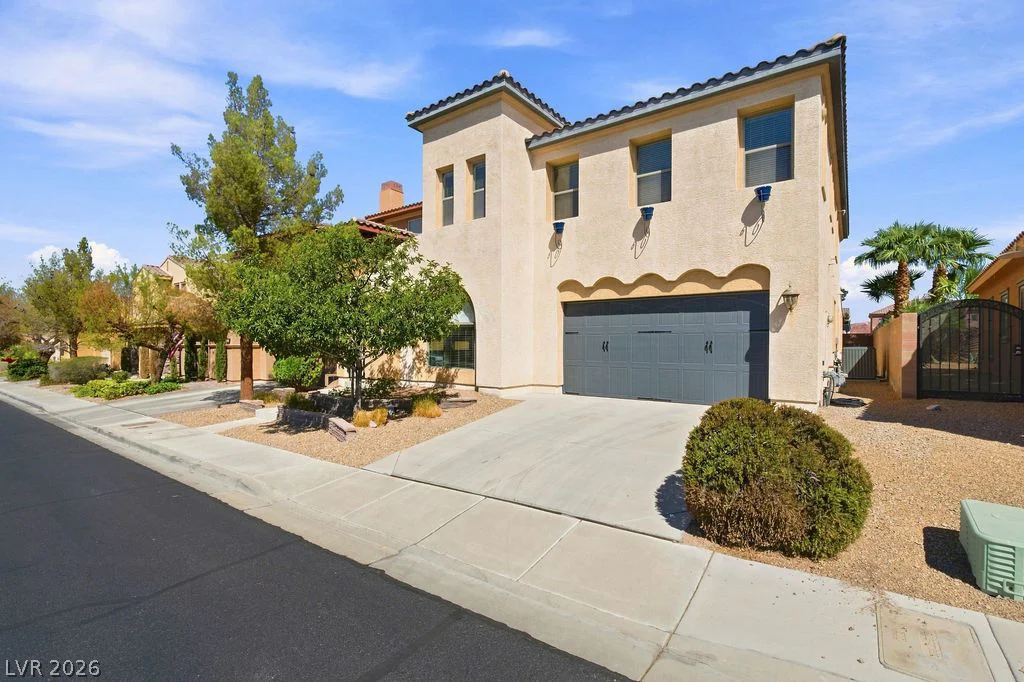
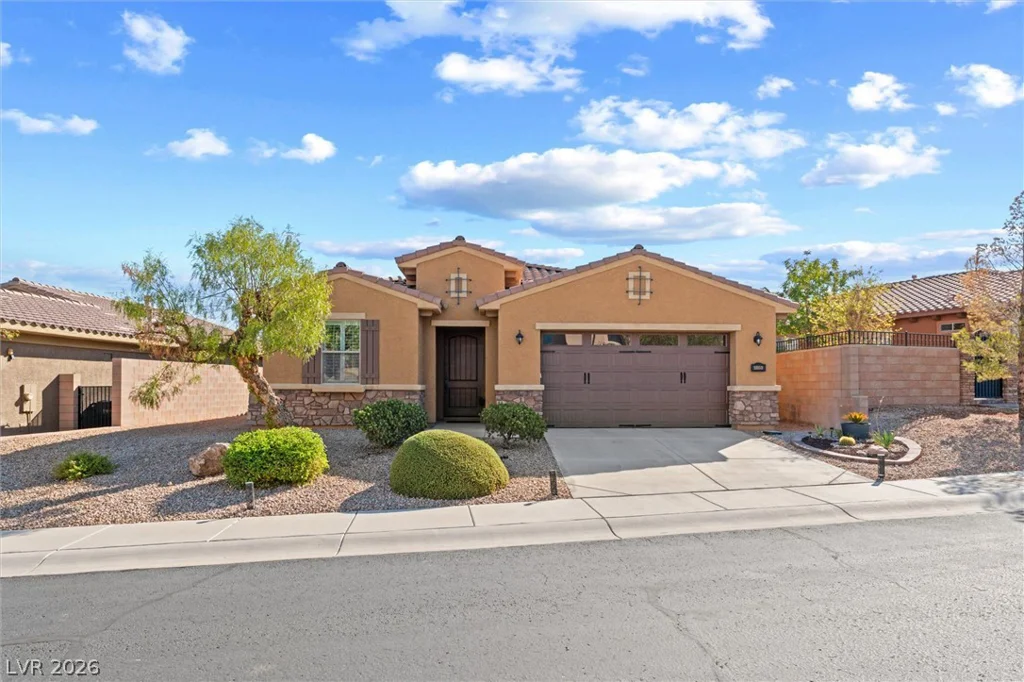
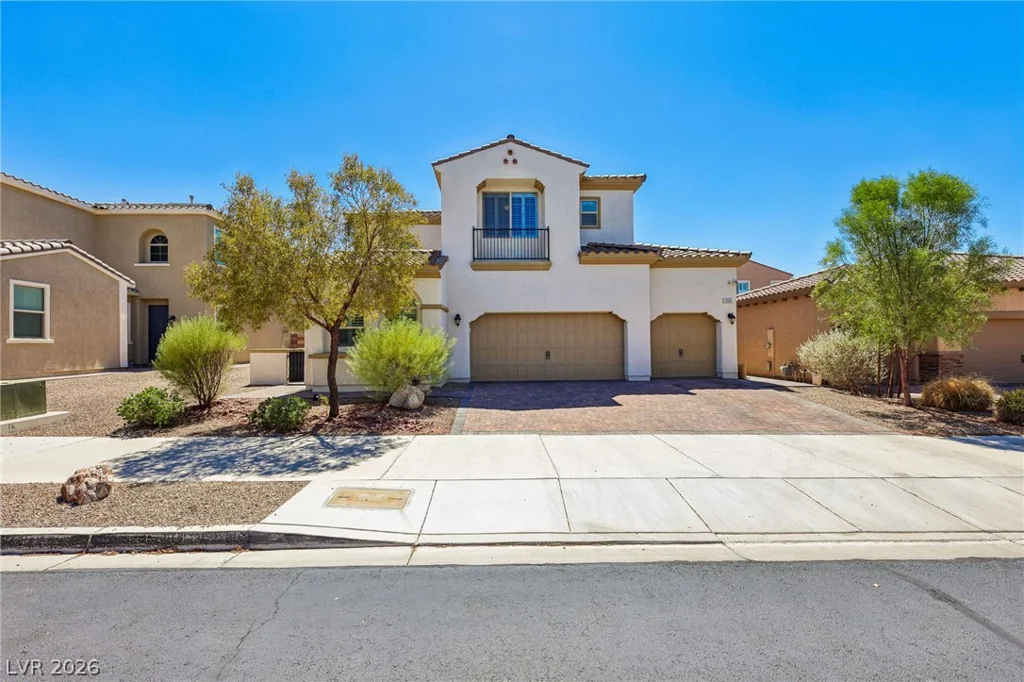
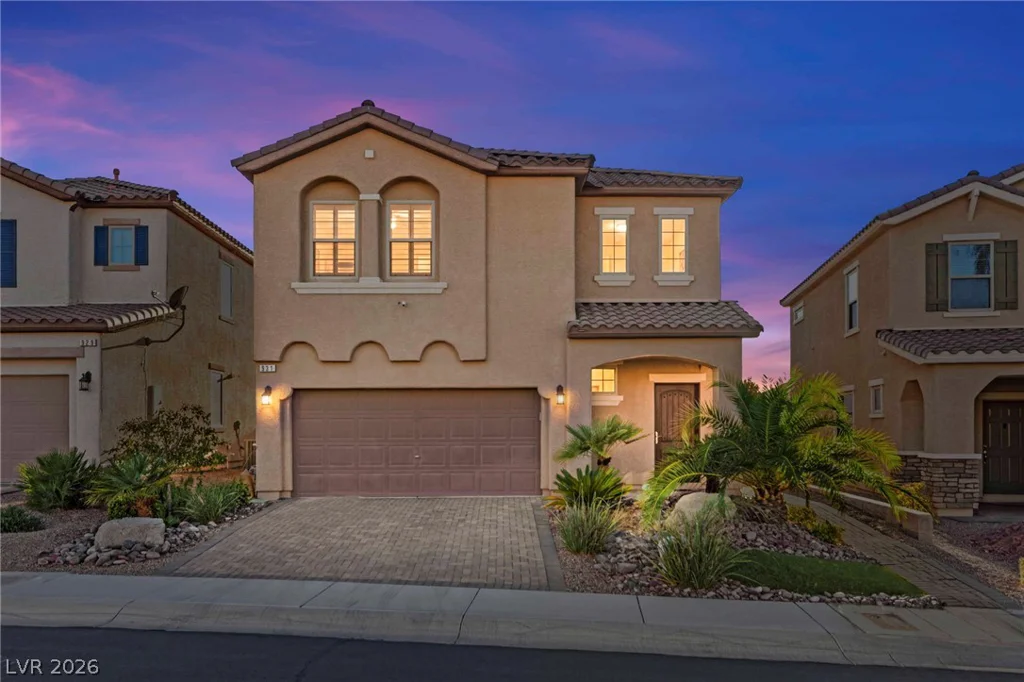
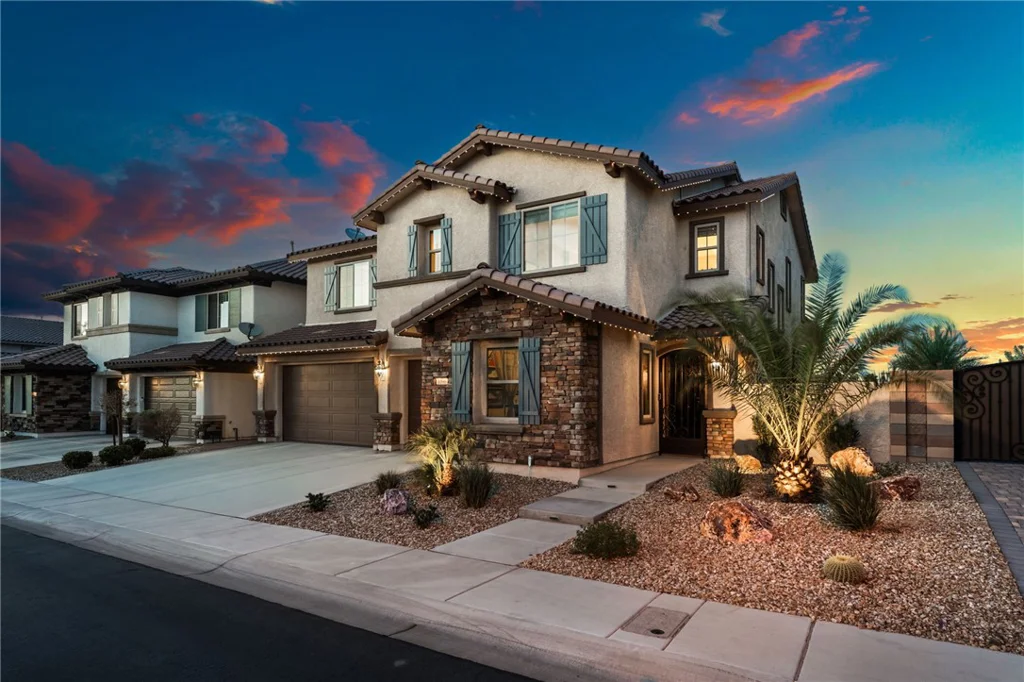
Summer afternoons in Henderson hit hard, and in a village built around the Tuscany Village Golf Course, a covered patio often determines whether a backyard gets used three seasons a year or sits empty from May through September. Tuscany’s lot sizes — mostly modest, courtyard-style yards typical of early-2000s production building — mean the patio cover frequently functions as the primary outdoor living space rather than a bonus feature. Because the HOA’s tile-roof and stucco consistency rules extend to patio cover structures, a well-built covered patio in Tuscany usually matches the home’s roofline in both material and pitch, which is part of why the community reads as so visually cohesive from the street. For families who picked Tuscany partly for its walkability to the Sunset Rd retail corridor, a shaded patio also extends the home’s livable square footage on days when a quick walk to grab dinner isn’t appealing in 105-degree heat. If you’re also considering Tuscany homes with open floor plans, pay attention to how the kitchen or great room connects to the patio, since the indoor-outdoor flow matters as much as the cover itself.
What to Inspect Before You Make an Offer
- Check whether the patio cover’s tile roofing matches the main house in age and material, or if it was added later with mismatched tile that may not meet current HOA standards
- Inspect the stucco where the patio structure attaches to the home for cracking, a common issue on early-to-mid 2000s construction where the attachment point wasn’t properly flashed
- Confirm the patio cover was permitted and HOA-approved, since unpermitted additions can complicate resale and refinancing
- Test the afternoon sun angle relative to the patio’s orientation, as some Tuscany floor plans place the covered patio on a west-facing wall where shade coverage is minimal until late evening
- Look for water staining or efflorescence on stucco near the patio roofline, which can indicate drainage issues common in homes nearing the 20-year mark
The Most Common Buyer Mistake in Tuscany
Buyers often tour a home during a cooler morning showing, see a covered patio, and assume it provides usable shade all day — then move in and discover the cover only blocks morning sun while the patio bakes in direct afternoon light through August. In Tuscany specifically, several floor plans orient the covered patio toward the west or southwest to maximize golf course views, which trades golf-course sightlines for usable shade. Always ask what time of day the patio is actually shaded before assuming it solves your outdoor-living needs.
Resale Perspective & Market Reality
A covered patio in good repair, with tile and stucco that visibly match the main house, signals to move-up buyers that the home has been maintained to the HOA’s standards — and that perception alone can shave days off a listing’s time on market. Conversely, a patio cover with mismatched roofing materials or visible stucco cracking near the attachment point often triggers buyer questions during inspection that slow negotiations, even if the issue itself is minor. In a market where Tuscany competes against newer Henderson product, a patio that extends usable outdoor space without looking like a bolted-on afterthought is a meaningful differentiator for families who entertain.
Local Cost Context
Because Tuscany’s HOA mandates uniform stucco color and tile-roof profiles across the community, adding or modifying a covered patio isn’t a simple weekend project — any structure attached to the home or visible from the street or golf course must be submitted for architectural approval with materials matching the community’s approved palette. This typically means sourcing tile that matches the original roof batch, which can be more expensive than generic replacement tile if the home is in an older Tuscany phase where the original tile profile is no longer in standard production. Factor in both the approval timeline and the potential cost premium for matching materials when budgeting a patio addition or repair.
Frequently Asked Questions
Can I install a detached shade sail or freestanding gazebo instead of a permanent patio cover to avoid the HOA tile-matching requirement?
Even freestanding shade structures in Tuscany generally require HOA architectural review if visible from neighboring properties, common areas, or the golf course, though freestanding fabric structures sometimes face less stringent material-matching rules than permanent tile-roofed additions — confirm specifics with the architectural committee before purchasing.
If my home’s patio cover tile no longer matches the main roof due to a prior repair, will that affect my ability to sell or get HOA approval for other changes?
A mismatched patio cover from a prior repair won’t necessarily block a sale, but it can become a negotiation point during inspection, and the HOA may require correction before approving unrelated future exterior modifications to bring the property back into full compliance.