Why Open Floor Plans Matter in Tuscany
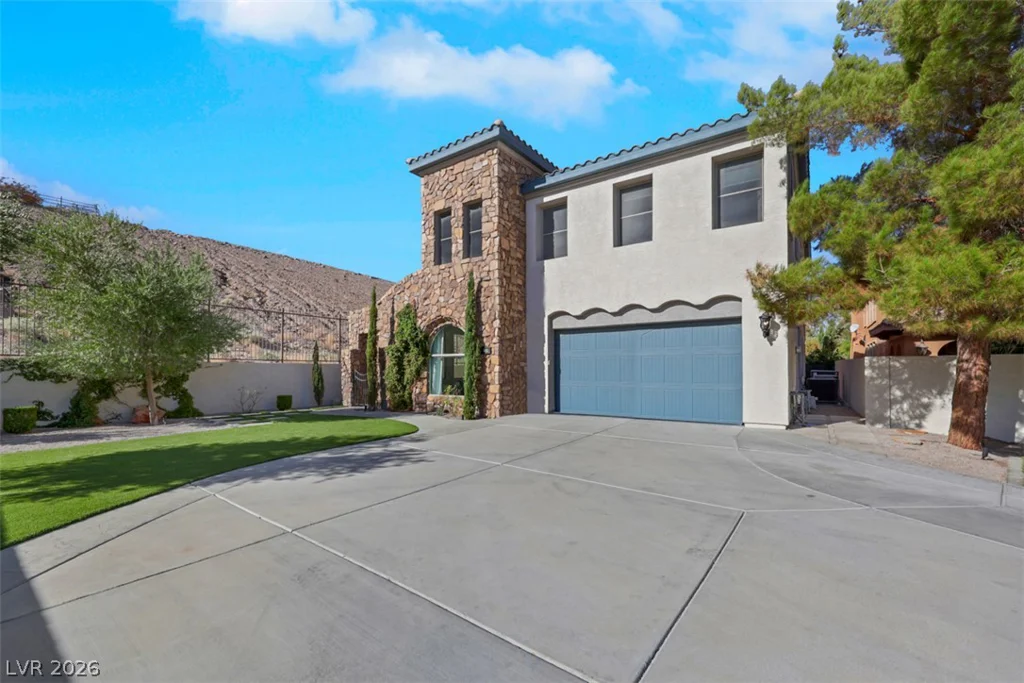
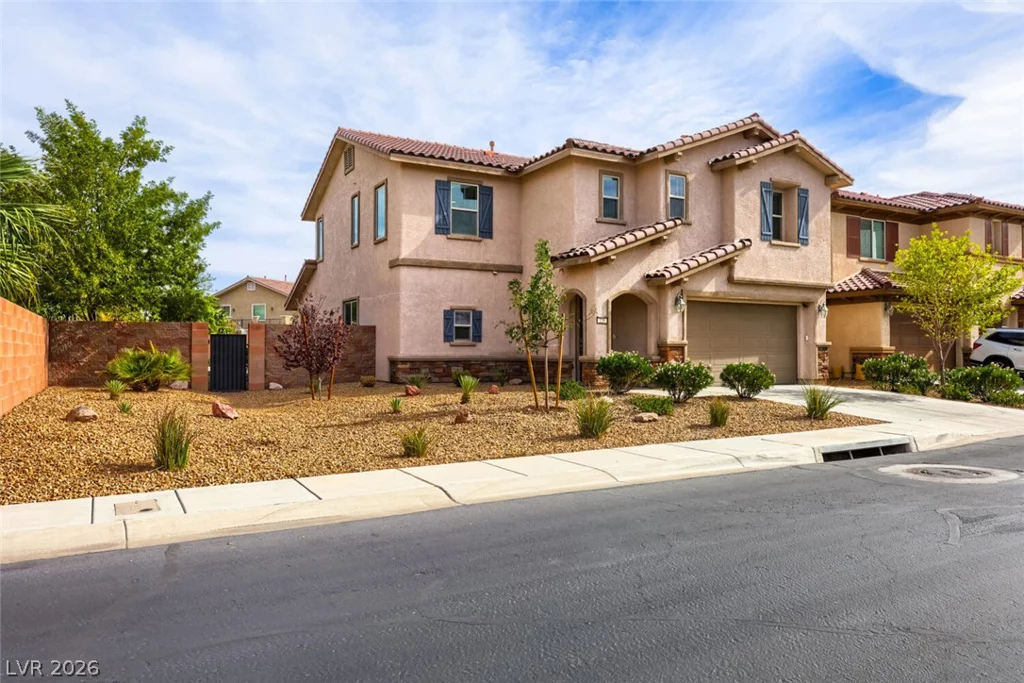
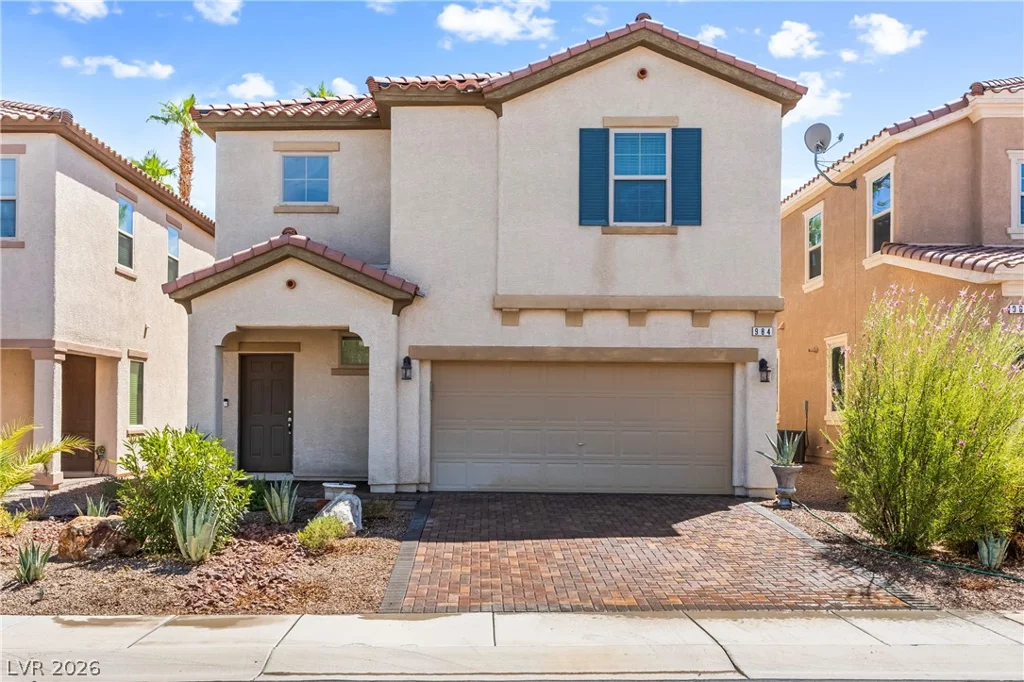
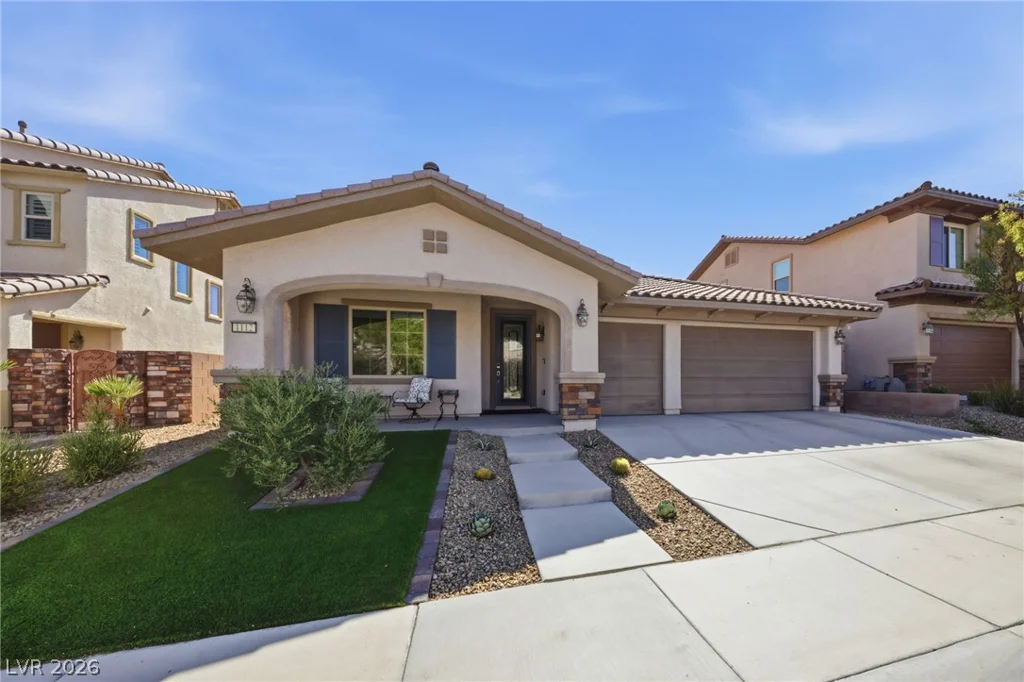
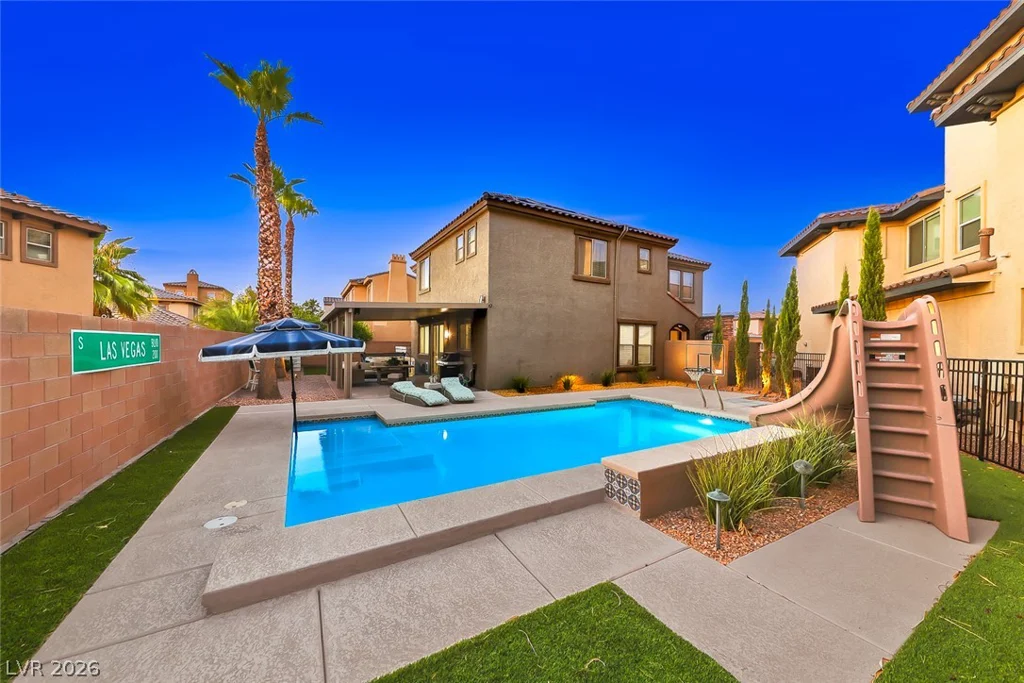
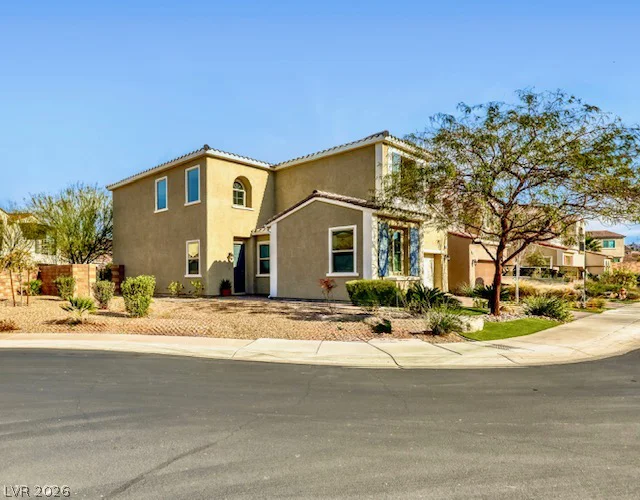
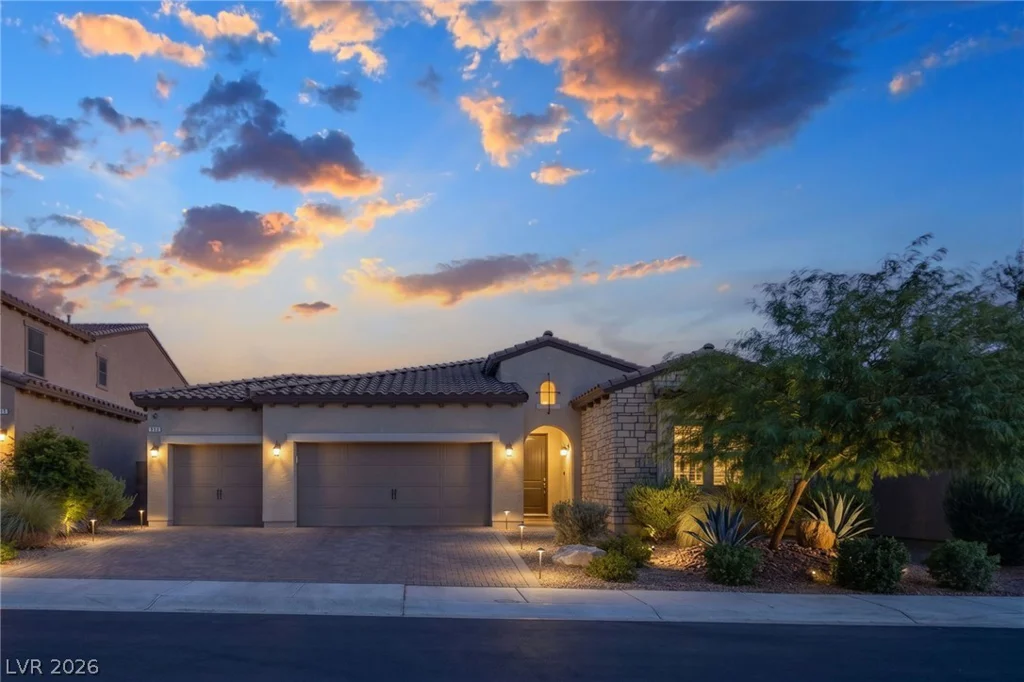
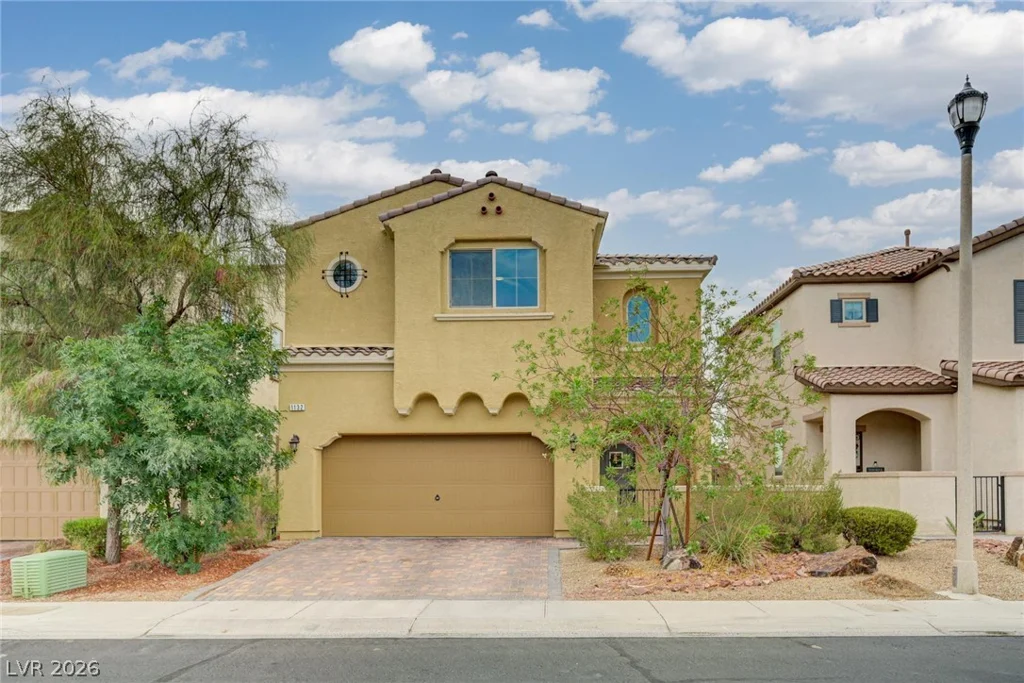
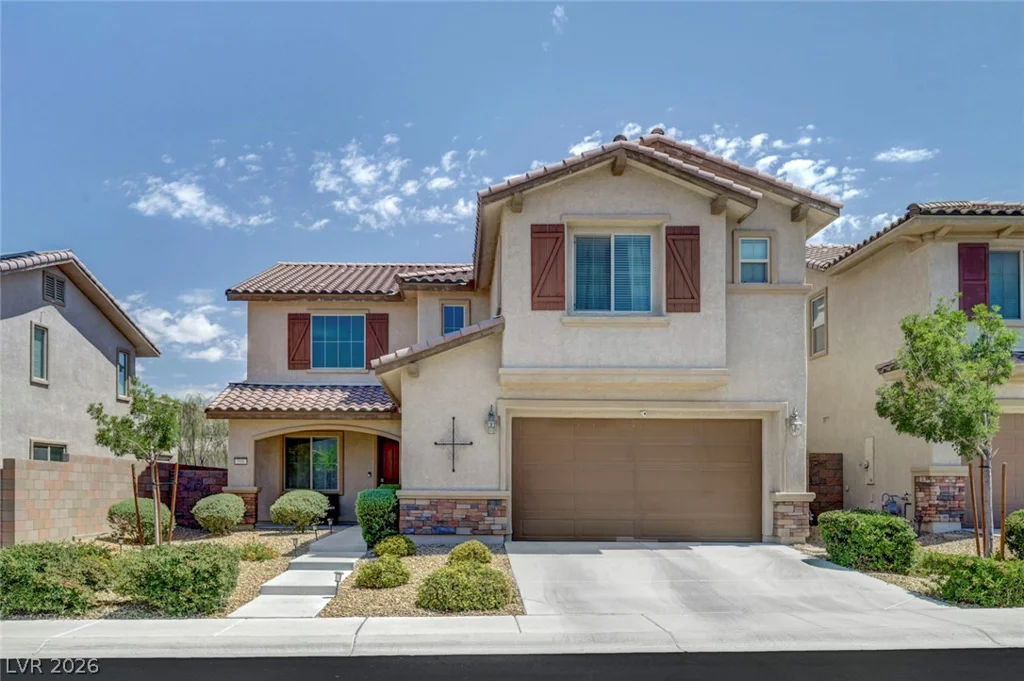
Step inside a typical Tuscany home from the early-2000s and you’ll find a layout philosophy that was just starting to shift toward today’s open-concept expectations — some floor plans here feel airy and connected, while others still carry the formal living and dining room separations common to that construction era. This makes open floor plans a genuine differentiator within the community rather than a given, and for move-up families coming from older, more compartmentalized homes elsewhere in the valley, finding a Tuscany floor plan with a connected kitchen-to-great-room layout can be the deciding factor. The village’s tile-roof, stucco-consistent streetscape near the Tuscany Village Golf Course gives an impression of architectural sameness from the curb, but interior layouts vary more than buyers expect across the different phases and builders that contributed to Tuscany’s buildout. If garage space is also on your checklist, cross-reference with Tuscany homes with 3-car garages, since the larger floor plans that tend to include a third bay are often the same models with the more open layouts.
What to Inspect Before You Make an Offer
- Walk the kitchen-to-living transition and note whether load-bearing walls were part of the original design or if an open feel was created through a later, possibly unpermitted, wall removal
- Check ceiling and roofline continuity above any open great room sections, since early-2000s construction sometimes used dropped soffits or varied ceiling heights that affect the open feel
- If a wall has been removed, ask for permit documentation, as structural modifications to homes of this era need to be verified against the original engineering
- Assess noise transfer between the kitchen and adjacent rooms, since open layouts in homes built before sound-dampening became standard can carry kitchen noise further than expected
- Confirm the home’s overall square footage allocation, since some “open” Tuscany layouts achieve the look by combining smaller secondary rooms rather than adding net livable space
The Most Common Buyer Mistake in Tuscany
A frequent misstep is touring a Tuscany home with a great room that feels open and assuming every floor plan in the community follows the same layout, then making an offer on a different listing sight-unseen based on that impression. Tuscany’s homes were built by multiple builders across several phases through the early-to-mid 2000s, and floor plan philosophies differ significantly between phases — a buyer who loved one model’s flow can be disappointed by a more compartmentalized layout just a few streets away with a nearly identical exterior.
Resale Perspective & Market Reality
Open floor plans in Tuscany tend to attract faster offers from move-up families who are coming from newer construction elsewhere and have grown accustomed to that layout style, making these homes a relatively quick sell when priced appropriately. Homes with more traditional, segmented layouts from this era aren’t necessarily harder to sell, but they often appeal to a different buyer — multigenerational households or those wanting distinct formal spaces — so pricing and marketing strategy should account for which segment a given floor plan serves rather than assuming “open” is universally preferred.
Local Cost Context
If you’re considering opening up a floor plan by removing an interior wall, that work is generally interior and doesn’t trigger Tuscany’s exterior architectural review focused on stucco color and tile-roof uniformity — but if the renovation requires adding windows, skylights, or altering the roofline to bring in more natural light to a newly opened space, those exterior changes absolutely fall under the HOA’s approval process and must match the community’s established tile-roof and stucco standards. Structural engineering costs for wall removal in a 20-plus-year-old home should also be budgeted separately from any HOA-related exterior costs.
Frequently Asked Questions
Were any Tuscany floor plans originally designed with open-concept great rooms, or were all of them retrofitted later?
Some of the later-phase floor plans in Tuscany’s buildout were designed with more open kitchen-to-family-room connections as open-concept layouts gained popularity through the mid-2000s, while earlier phases tend to follow more traditional, segmented layouts; this varies by builder and phase.
If I add a skylight to brighten an open great room, does that require HOA approval given the tile-roof standards?
Yes, any roof penetration or modification, including skylights, requires architectural approval in Tuscany since it affects the tile-roof appearance and must be installed in a manner consistent with the community’s roofing material and profile standards.