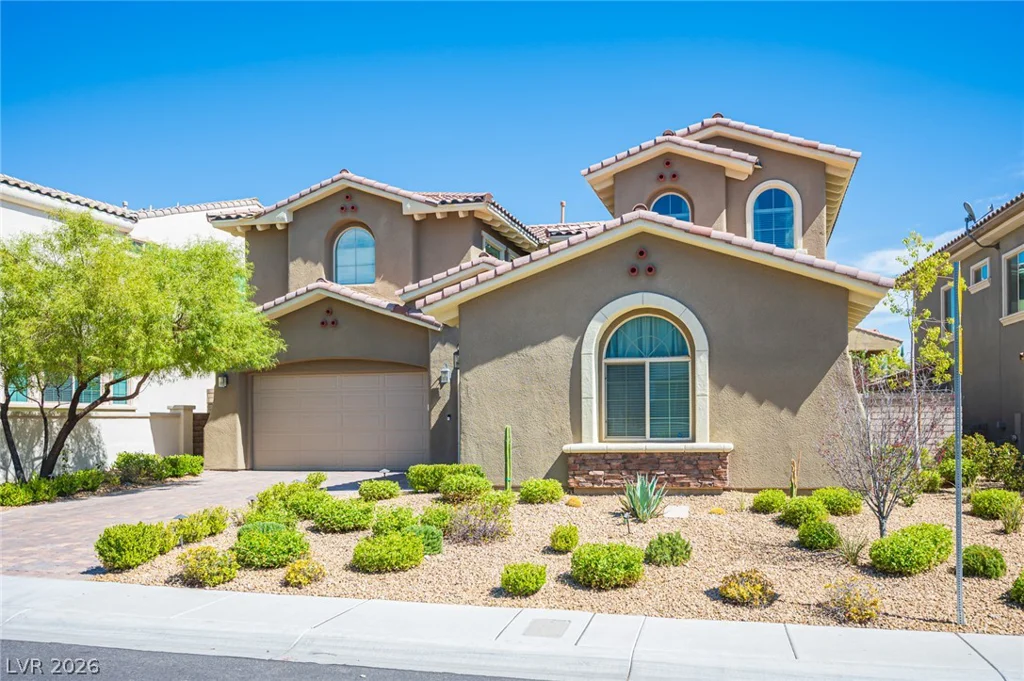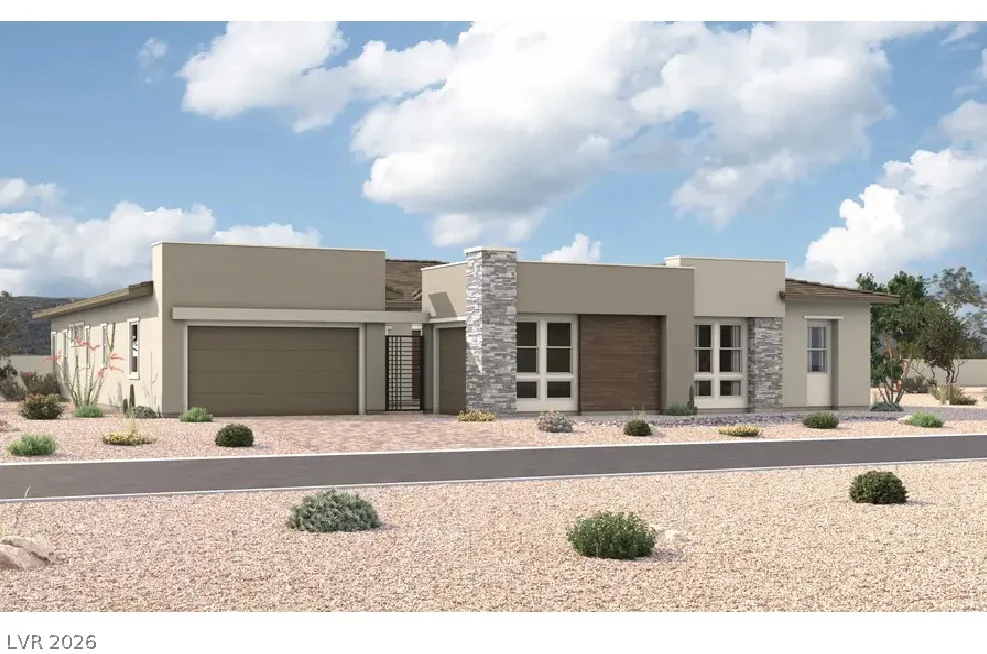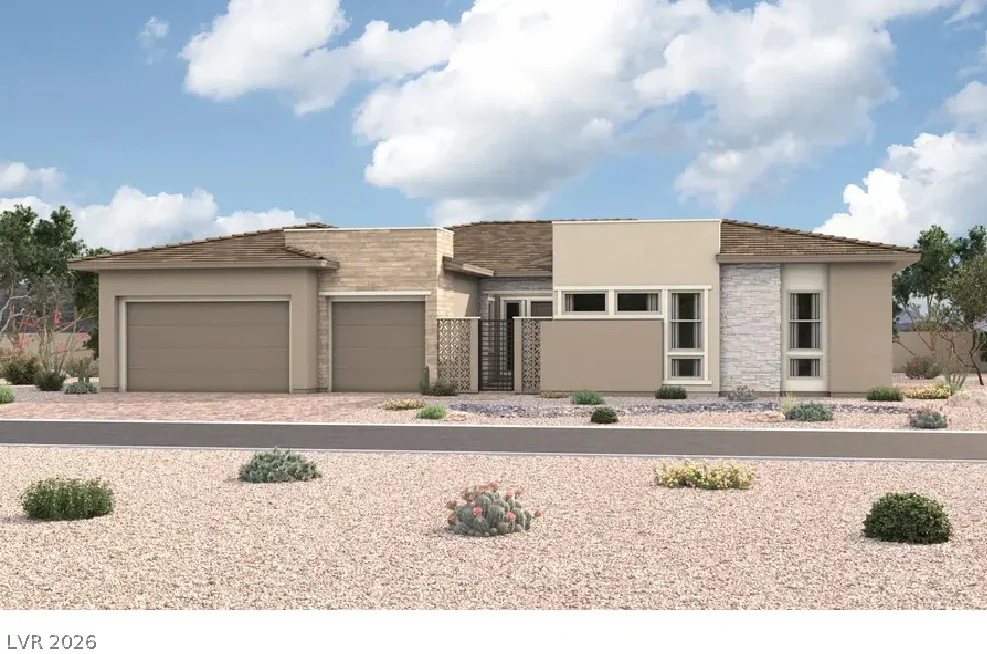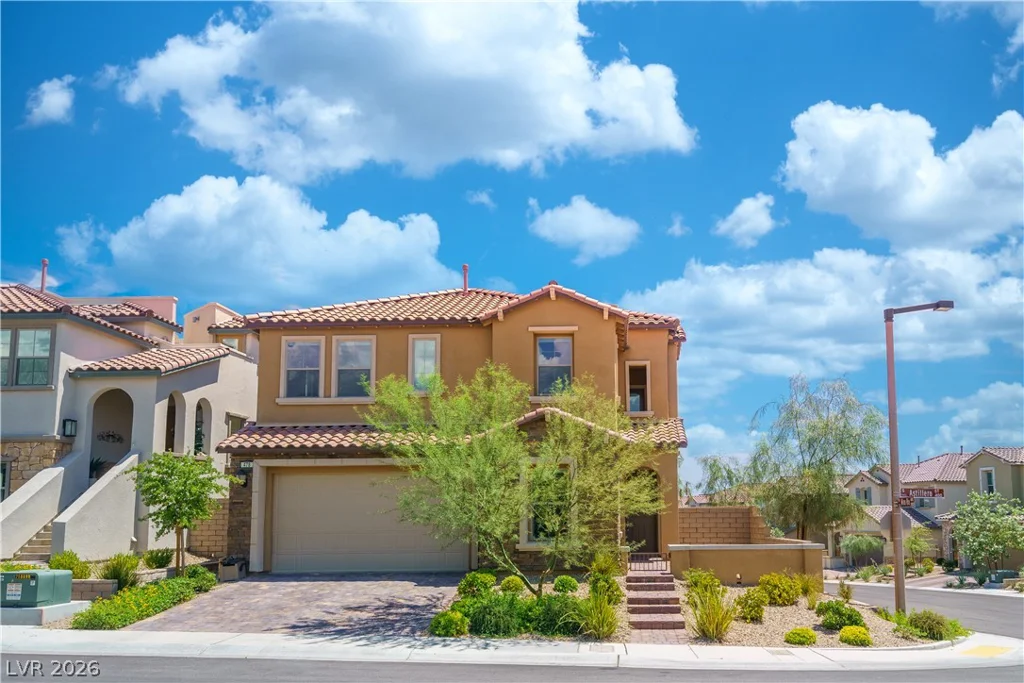
Why EV Charging Matters in Summerlin
With Downtown Summerlin’s shops, restaurants, and the Red Rock Casino all within easy reach, many residents here run errands and commute shorter distances than buyers in farther-flung valley suburbs — making an EV a practical fit, especially paired with a home charger that takes advantage of off-peak NV Energy rates overnight. In newer villages like Redpoint and Stonebridge, builders increasingly pre-wire garages for Level 2 chargers as part of base or upgraded packages, reflecting how mainstream EV ownership has become among move-up buyers in west Summerlin. For households with multiple vehicles, including residents who also use golf carts for trips around trail-adjacent neighborhoods, a garage already equipped with EV charging infrastructure removes a step that would otherwise require an electrician and possible HOA notification in older sections.
What to Inspect Before You Make an Offer
- Verify the charger’s amperage and whether it’s hardwired (240V Level 2) versus a standard outlet setup, since the difference significantly affects charging speed.
- Check the home’s electrical panel capacity — older Summerlin homes near Hills Center with 100-amp panels may need an upgrade to support a Level 2 charger alongside other major appliances.
- Confirm whether the charger and any associated equipment (wall unit, cabling) convey with the sale or whether the seller plans to remove it.
- Ask whether the installation was permitted through Clark County, since unpermitted electrical work can complicate insurance or future resale disclosures.
- Inspect garage layout for charger placement relative to parking — some retrofitted chargers in older garages are mounted in awkward positions that limit which vehicle can charge.
The Most Common Buyer Mistake in Summerlin
Buyers sometimes assume a listed “EV charging” feature means a dedicated 240V circuit ready for any electric vehicle, when in some older Summerlin homes it actually refers to a standard 120V outlet in the garage that charges an EV very slowly — adequate for occasional top-offs but not for a daily-driver charging routine. Confirming the actual electrical specification before assuming full charging capability avoids a post-closing surprise that requires an electrician visit and panel evaluation.
Resale Perspective & Market Reality
EV charging infrastructure is becoming a modest but real differentiator in Summerlin listings, particularly among buyers also evaluating Summerlin homes with mountain views in newer west-side villages where both features often appear together as part of a forward-looking buyer profile. Homes without any EV provisions aren’t penalized heavily yet, but a properly installed charger can be a small edge in multiple-offer situations among similarly priced listings.
Local Cost Context
Installing a Level 2 charger with a dedicated circuit in a Summerlin home typically costs $1,200-$2,500 depending on panel capacity and the distance from the panel to the garage, with costs rising if a panel upgrade is also needed. Buyers focused on overall energy efficiency and reducing the cost of EV charging should also look at Summerlin smart homes, where integrated energy monitoring systems can help schedule charging during lower-cost utility windows.
Frequently Asked Questions
Does Summerlin’s HOA require approval for installing an EV charger?
Interior garage electrical work for an EV charger generally doesn’t require HOA architectural approval since it’s not visible from outside the home, though any exterior-mounted charging equipment or modifications to the garage door or exterior wall would need committee review in HOA-governed villages.
Are newer Summerlin homes pre-wired for EV chargers as standard?
Many builders in Redpoint and Stonebridge now offer EV-ready garage wiring (a dedicated empty conduit or breaker space) as a standard or low-cost option, but buyers should confirm with the specific builder whether this means just wiring infrastructure or an actual installed charging unit.