Why Covered Patios Matter in Spanish Trail
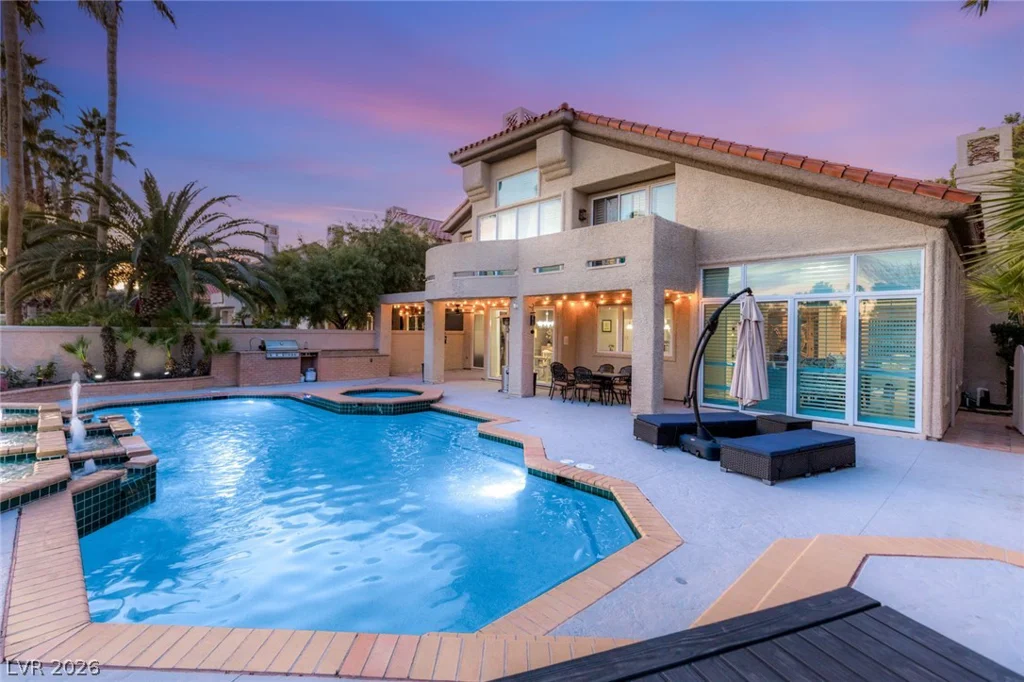
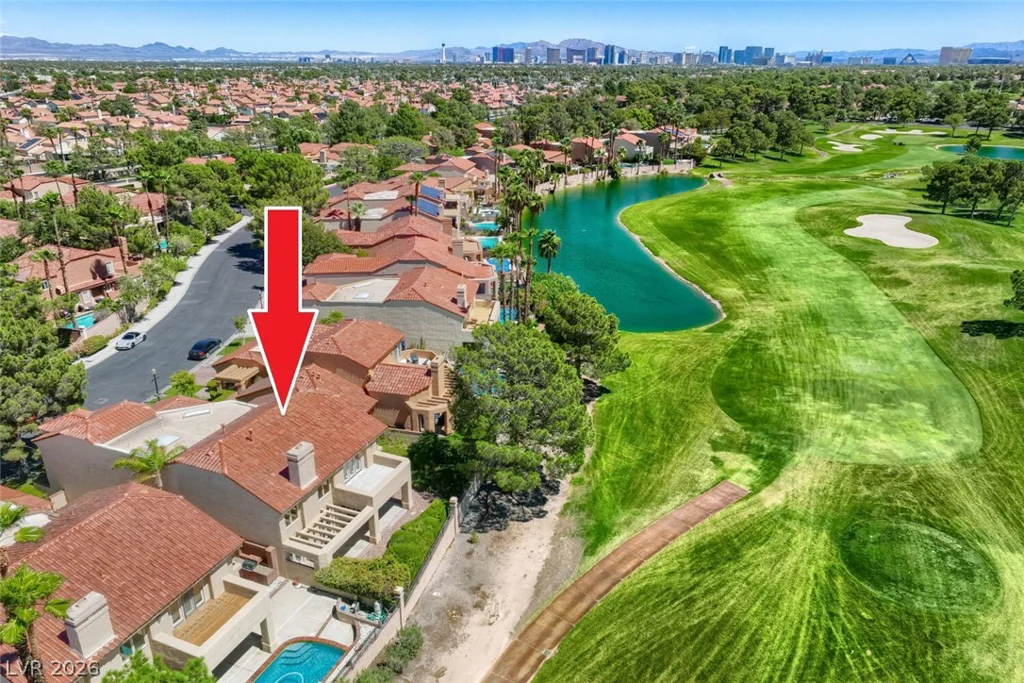
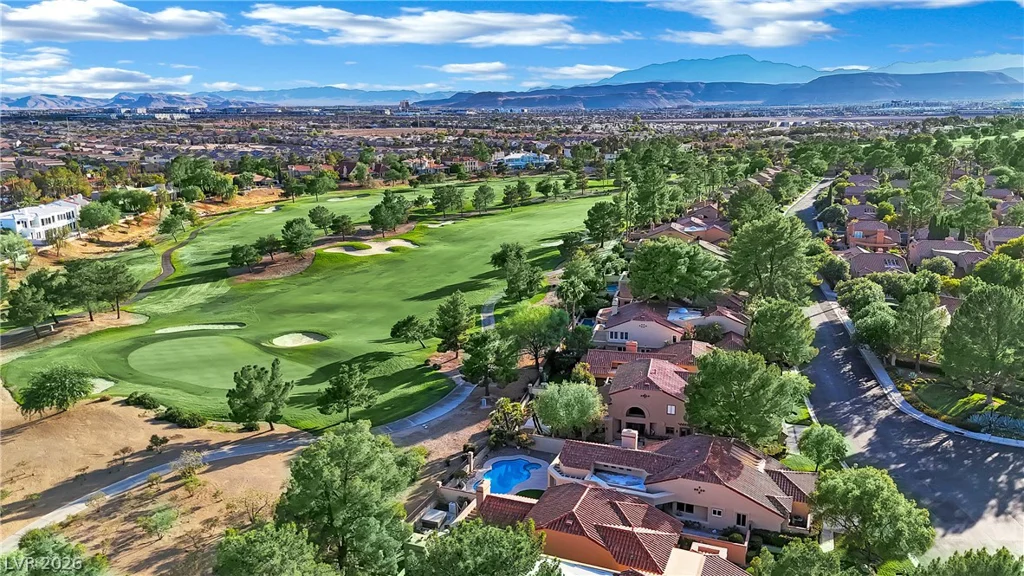
Walk any backyard along Spanish Trail’s golf frontage and you’ll notice how often the original builders oriented covered patios toward the fairway view rather than toward shade efficiency, since the priority in the 1980s was sightlines to the Spanish Trail Country Club’s nine-hole layouts rather than summer afternoon comfort. That tradeoff still matters today: a covered patio facing west toward the course can deliver a stunning sunset view over the South or North nine while also absorbing brutal late-day sun for several months of the year. For empty-nesters who plan to spend retirement mornings with coffee on the patio, or for Strip-commute professionals who only get home after work in the evening heat, the orientation of the existing patio cover relative to the golf course determines whether the space functions as advertised or sits unused from June through September.
What to Inspect Before You Make an Offer
- Check the patio cover’s structural attachment points to the original stucco fascia, since 1980s ledger boards were often nailed rather than properly flashed and lag-bolted
- Look for water staining or wood rot on any wood-beam patio covers, a common issue where original covers have never been resealed
- Ask whether the home’s electrical panel has been upgraded, since adding patio misters, fans, or heaters often requires capacity beyond what 1980s-era 100-amp panels can support
- Inspect the slab and patio decking for cracking near the foundation transition, which can indicate soil settlement common in homes of this age
- Confirm with the HOA whether the existing patio cover was permitted and approved, since unpermitted additions can complicate insurance and resale
The Most Common Buyer Mistake in Spanish Trail
A frequent mistake is touring a home in the late morning, finding the covered patio pleasantly shaded, and assuming that comfort holds throughout the day. Because many Spanish Trail patio covers were built with open lattice or minimal overhang depth to preserve golf course sightlines, the same patio that feels shaded at 10am can be in direct, unfiltered western sun by 4pm. Buyers should ask to see the patio at different times of day or at minimum check the home’s orientation against a compass before assuming the cover delivers all-day usability.
Resale Perspective & Market Reality
For the empty-nester and Strip-commuter buyer pool that dominates Spanish Trail demand, a genuinely usable covered patio with a golf course backdrop is one of the strongest lifestyle selling points the community offers, and listings that can document recent patio cover upgrades or solid-roof conversions tend to spend fewer days on market than those with original lattice covers needing work. Buyers cross-shopping outdoor living space sometimes also look at Spanish Trail Homes with Private Pools, since a covered patio paired with a pool resurfacing project can become a package renovation that sellers either complete before listing or price in as a credit.
Local Cost Context
Converting or upgrading an original 1980s patio cover in Spanish Trail typically requires HOA architectural committee approval before permitting, given the community’s long-established design standards around roofline consistency and exterior color palettes visible from the golf course and common areas. Buyers should budget both the construction cost and the lead time for HOA review, which can run several weeks beyond what the same project would take in a non-gated subdivision. Guard-gate dues, separate from any construction costs, remain a fixed monthly line item regardless of patio condition.
Frequently Asked Questions
Does the Spanish Trail HOA restrict patio cover materials or colors that face the golf course?
Yes, exterior elements visible from the golf course or community common areas, including patio cover roofing material and stucco color, generally require submission to the architectural committee for approval, and unapproved changes can be required to be reverted at the owner’s expense.
If a covered patio was enclosed into a sunroom by a previous owner, does that count toward the home’s permitted square footage?
Only if the enclosure was permitted through Clark County and reflected in the assessor’s records; buyers should pull the permit history before assuming an enclosed patio adds to livable square footage, since unpermitted conversions are common in older Spanish Trail resales and can affect both appraisal and future insurance claims.