Why Private Pools Matter in Spanish Trail
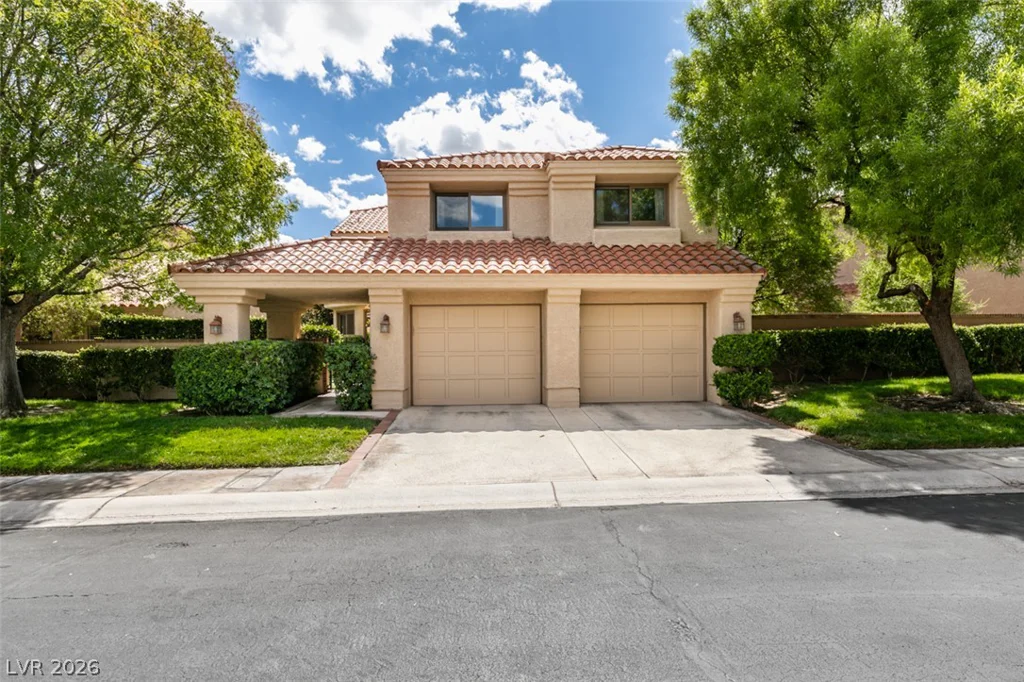
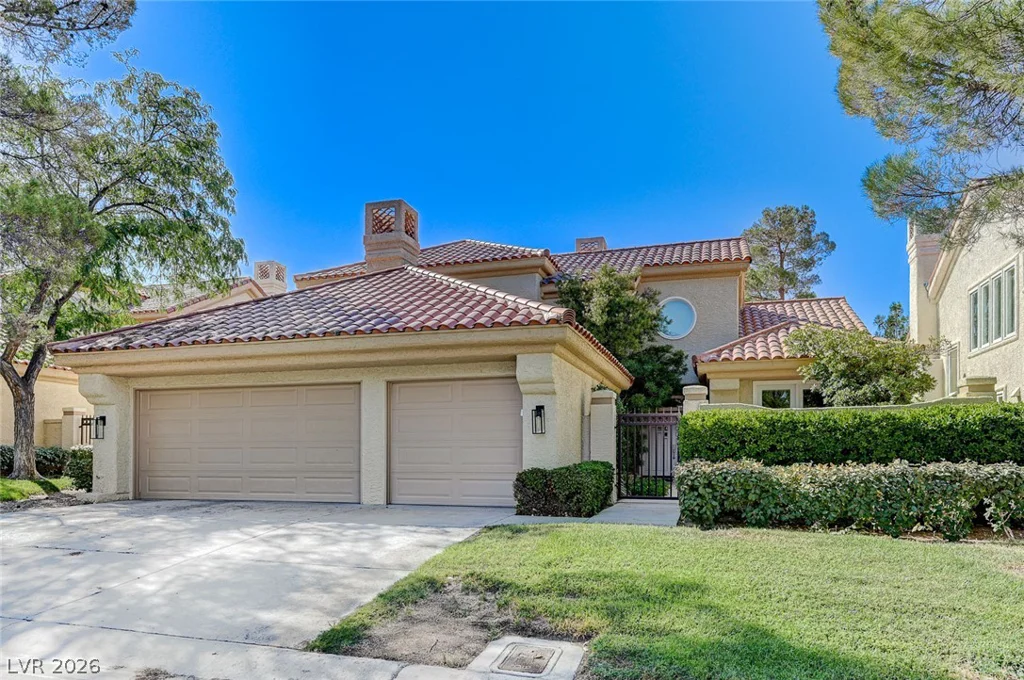
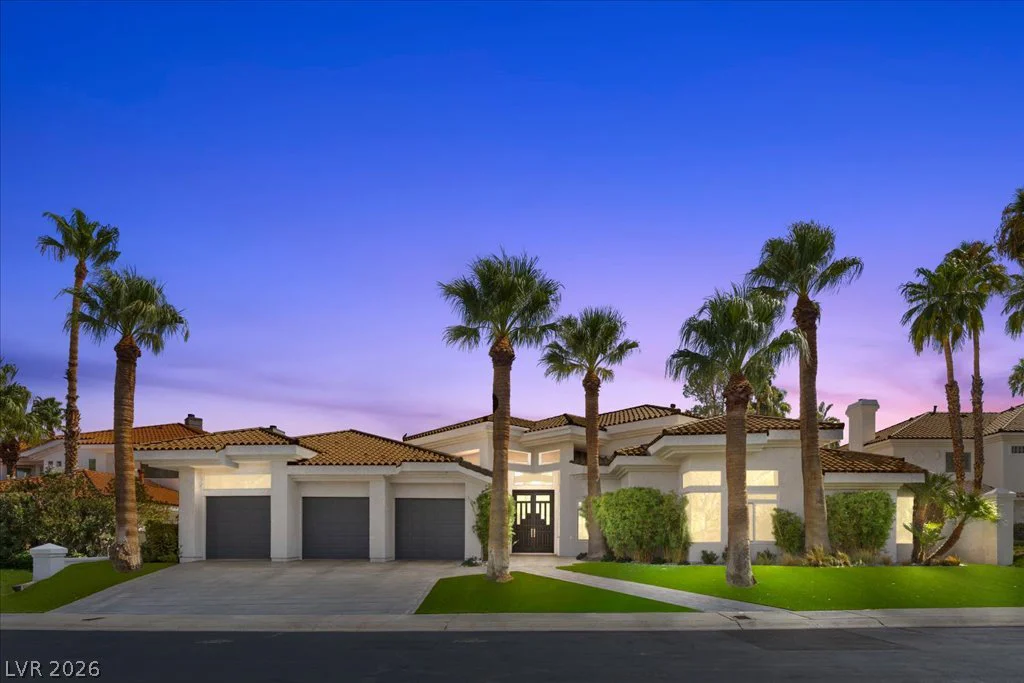
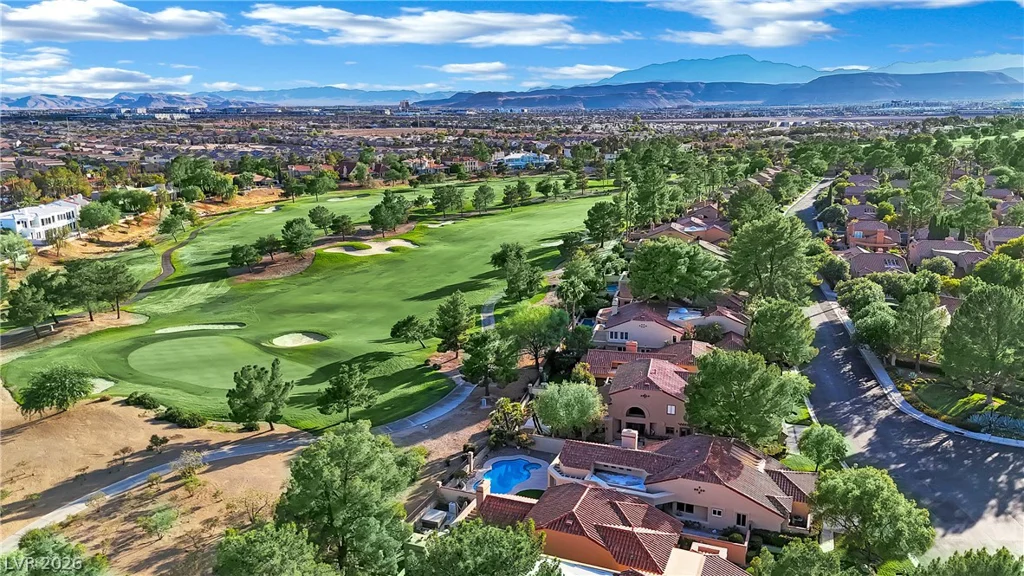
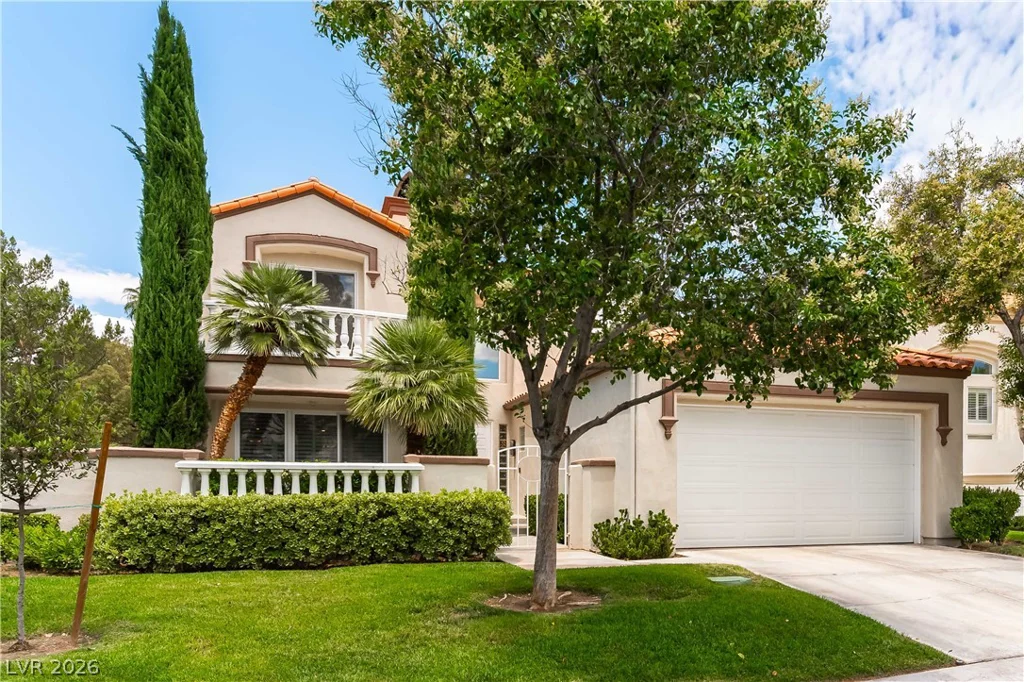
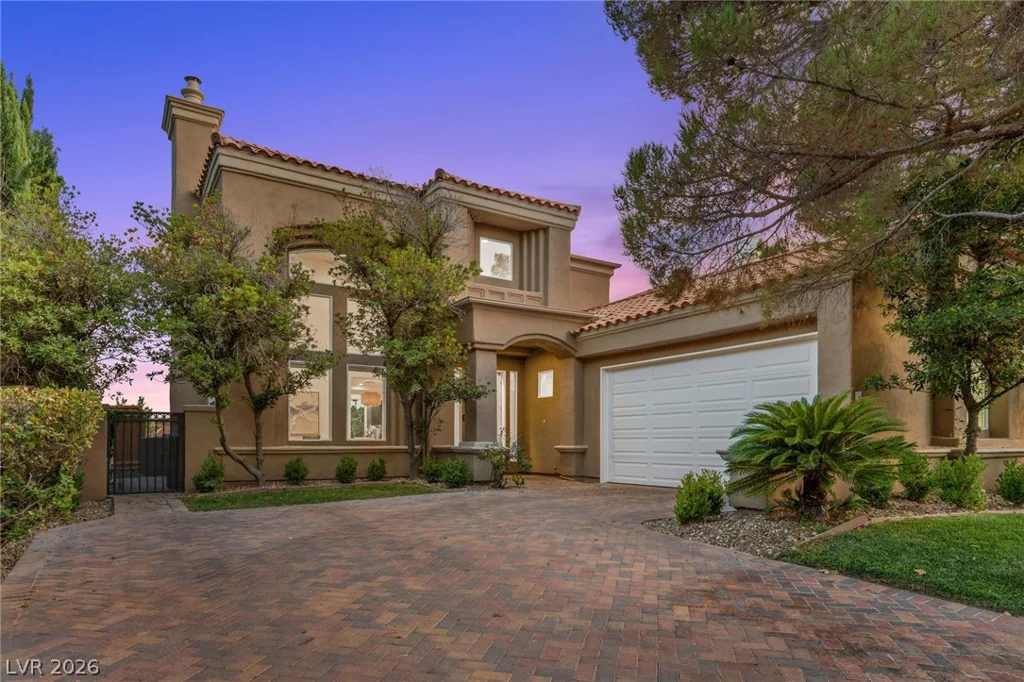
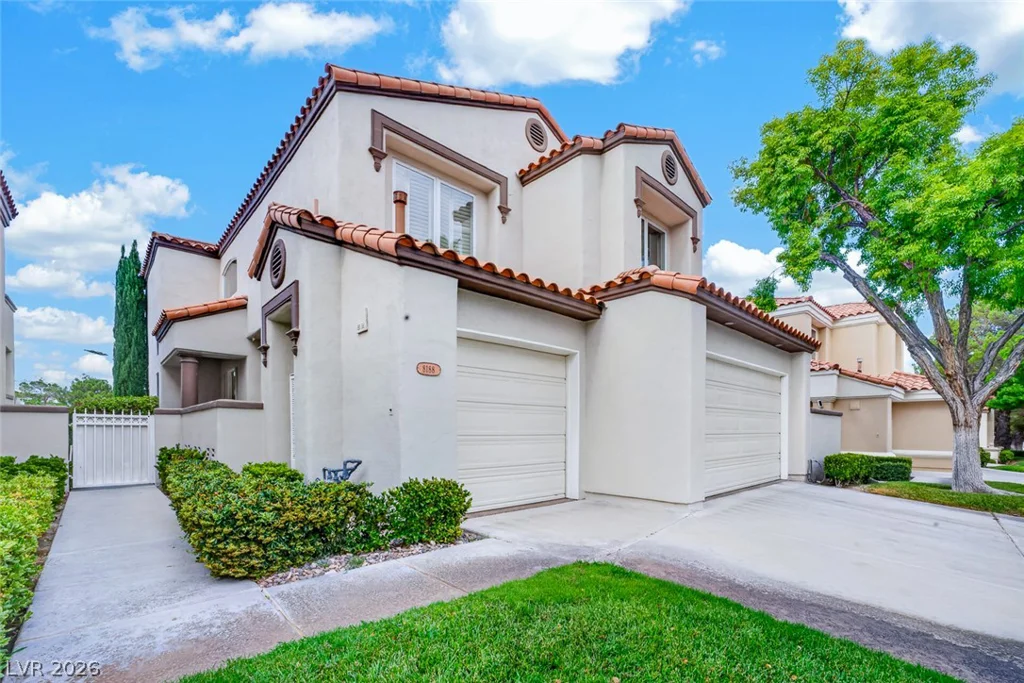
Generous lot sizes have always set Spanish Trail apart from newer, more compact subdivisions, and that extra room shows up most clearly in the backyard pools that came standard with many of the community’s original 1980s estates. Unlike production-built tract homes where pools were sometimes squeezed into minimal yard space, Spanish Trail’s lots — drawn around the Spanish Trail Country Club’s green belts — often gave pools enough surrounding deck and landscaping to feel like a genuine retreat rather than an afterthought. For empty-nesters downsizing from even larger properties, a private pool here can be the right-sized version of a lifestyle they’re not ready to give up entirely. For Strip-commute professionals, privacy is often the bigger draw than the pool itself — a backyard where neighbors and golf cart traffic aren’t part of the view.
What to Inspect Before You Make an Offer
- Have the pool surface evaluated for plaster age and condition, since original 1980s plaster jobs are long past their typical service life even if a later resurfacing isn’t documented
- Check pump, filter, and heater equipment dates against service tags, as original equipment from this era is almost certainly due for replacement
- Test for leaks with a bucket test or professional pressure test, particularly important on lots with mature trees whose roots may have shifted underground plumbing
- Inspect pool decking and coping for cracks consistent with soil settlement common across Spanish Trail’s established lots
- Verify pool safety features such as fencing or alarms meet current code, since requirements have evolved significantly since the original construction era
The Most Common Buyer Mistake in Spanish Trail
The most common mistake is chasing the lowest-priced pool home in the community without accounting for what “lowest-priced” often signals — frequently a pool that hasn’t been resurfaced or had equipment replaced since the original build. A buyer who saves on purchase price but then faces resurfacing, equipment replacement, and possibly re-plumbing within the first year or two often ends up spending more in total than if they’d purchased a slightly higher-priced home with documented pool updates. Always weigh the purchase price against the realistic near-term cost of bringing an older pool current.
Resale Perspective & Market Reality
Private pools remain central to how empty-nester buyers evaluate Spanish Trail listings, and homes with recently updated pool equipment and surfaces tend to command stronger interest and shorter time on market. Buyers often compare private pool homes against Spanish Trail Homes with Vaulted Ceilings when weighing whether to prioritize interior architectural features or outdoor living space, and against Spanish Trail Homes with Spas and Hot Tubs when deciding whether a combined pool-spa setup better fits their year-round usage plans. Buyers casting a wider net sometimes also look at Las Vegas Homes with Private Pools to compare pricing across the broader market.
Local Cost Context
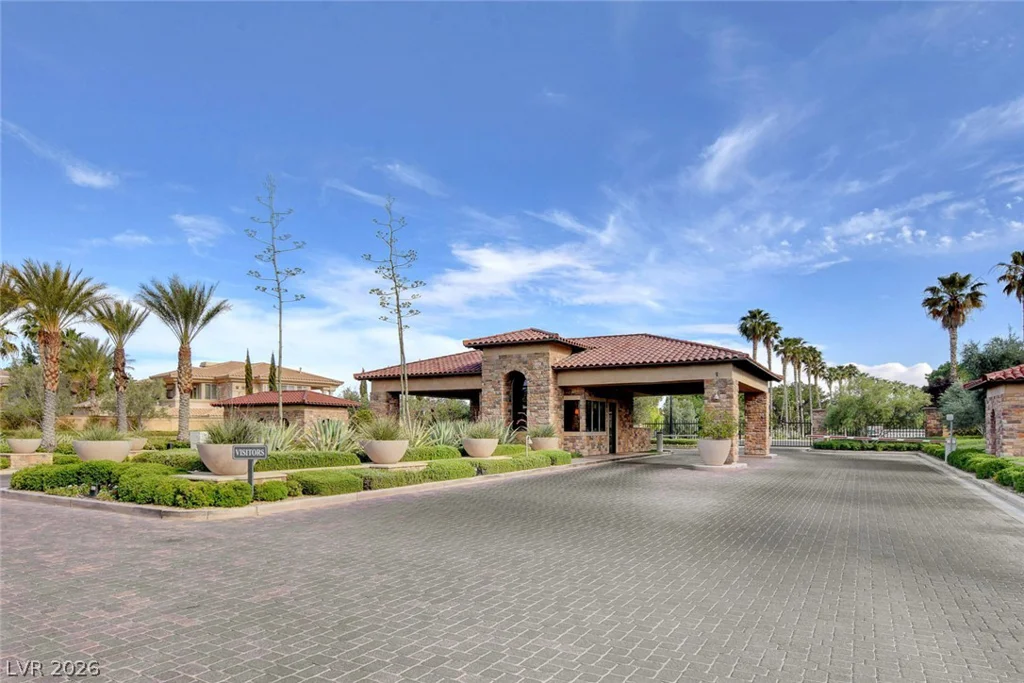
Pool renovation costs across the Las Vegas valley have climbed, and Spanish Trail’s older private pools are frequently at the point where both resurfacing and equipment replacement are needed simultaneously. Beyond the pool itself, buyers should factor guard-gate and HOA dues into their monthly budget, and remember that any visible changes to pool equipment, decking expansions, or added structures near the pool typically require HOA architectural review given the community’s established design standards for lower-density, mature lots.
Frequently Asked Questions
Do Spanish Trail HOA rules limit how close a pool equipment pad can be to a shared property line?
Setback and screening requirements for pool equipment are typically addressed in the community’s architectural guidelines, and homeowners replacing or relocating equipment should confirm placement requirements with the HOA before installation to avoid required relocation later.
How can a buyer estimate remaining life on a Spanish Trail pool’s original plaster surface?
A pool professional can assess surface roughness, staining, and exposed aggregate as indicators of plaster wear, but absent resurfacing records, buyers should generally assume original 1980s plaster is at or beyond typical lifespan and budget for resurfacing as a near-term expense.