Why Pools and Usable Backyard Space Matter in Pahrump
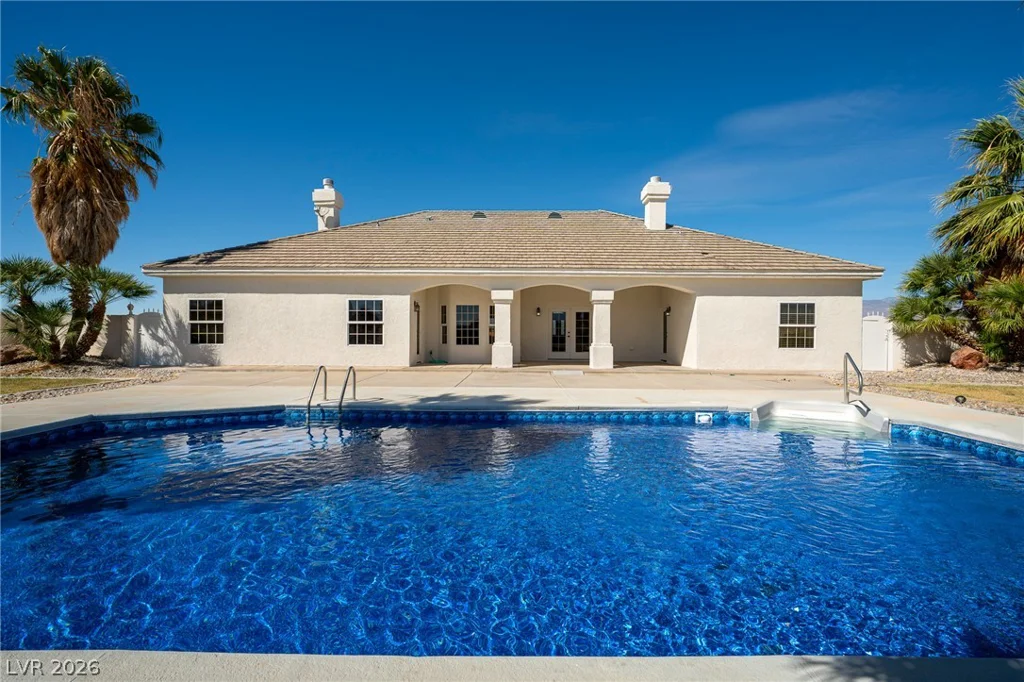
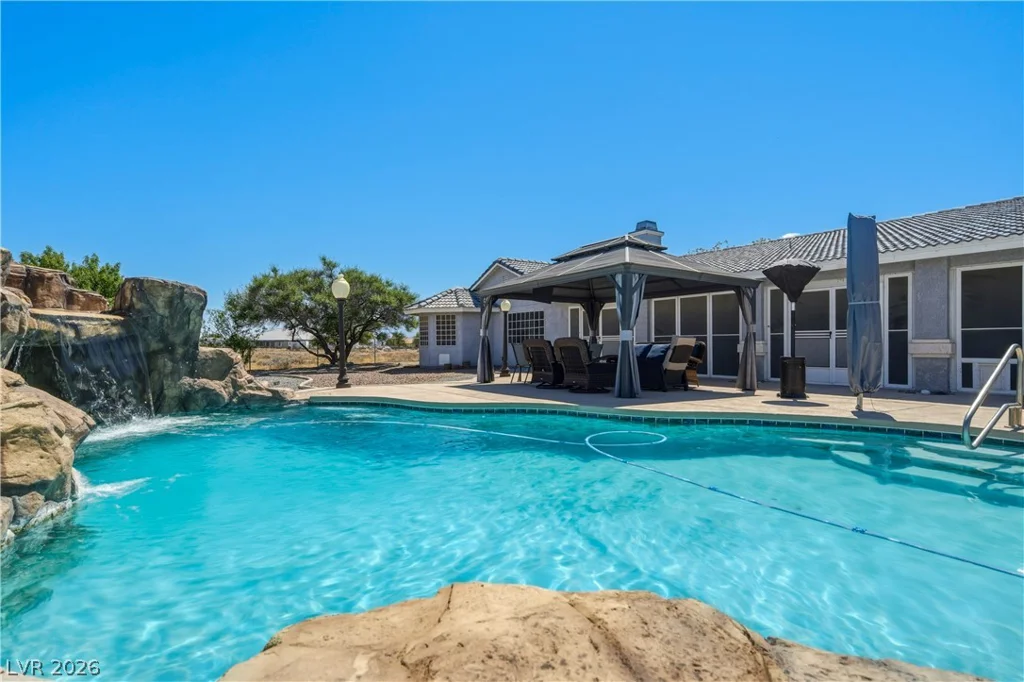
In a town where summer afternoons regularly push past 100 degrees and the Spring Mountains sit in the distance turning purple at sunset, a pool isn’t just a luxury — it’s often the difference between a backyard that gets used daily and one that sits empty from June through September. But pools in Pahrump come with a wrinkle that valley buyers don’t always think about: the home’s water source. A pool fed by a private well needs to be sized and pumped correctly so that topping off evaporation losses doesn’t strain the well during peak summer demand, especially on properties that also irrigate pasture or run livestock troughs. Buyers eyeing Pahrump horse properties in particular should think of the pool and the well as one connected system, not two separate features.
What to Inspect Before You Make an Offer
- Well flow rate and recovery time, and whether the seller has records of well performance during summer pool season
- Pool equipment age — pumps and filters working against well water with higher mineral content wear out faster than on municipal water
- Shade structures, pergolas, or covered patios, since unshaded decking can become unusable by midday in peak summer
- Evidence of scale buildup or staining from hard well water on tile, plaster, or equipment
- Fencing and gate compliance for pool safety, particularly important on larger lots where county setback rules may differ from city code
The Most Common Buyer Mistake in Pahrump
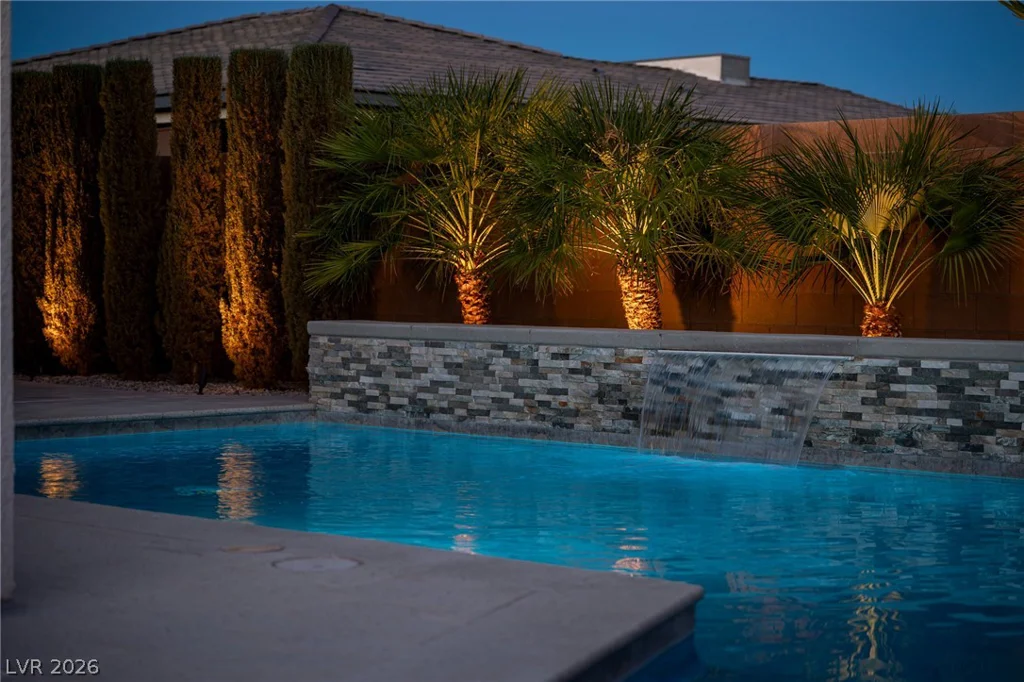
A frequent misstep is falling for a sparkling pool photo taken in spring without asking how the well handled refilling it after winter drawdown. Some older wells in outlying areas were drilled decades ago for household use only and were never intended to support the volume a pool requires, especially if there’s also landscaping irrigation or animals on the property. Buyers who skip this question sometimes discover after closing that they need a well pump upgrade or a hauled-water arrangement just to keep the pool level stable through August.
Resale Perspective & Market Reality
Pool homes with documented, well-maintained equipment and a reliable water source tend to draw more serious offers and shorter days-on-market than pool homes where the listing is silent on water source details. Buyers comparing this page against Pahrump homes with community pools should know that private-pool properties carry more responsibility but also more flexibility — there’s no shared amenity schedule, but also no shared cost.
Local Cost Context
Since the vast majority of Pahrump properties have no HOA or ARC, pool owners answer to no one but themselves for fencing, equipment changes, or even draining and replastering on their own schedule. That freedom comes with full financial responsibility, though — expect well-water pool maintenance to run somewhat higher than municipal-water equivalents due to more frequent filter cleaning and occasional scale treatment, on top of standard chemical and electricity costs.
Frequently Asked Questions
How does well water quality typically affect pool maintenance in Pahrump?
Well water in the Pahrump valley often runs harder (higher mineral content) than Las Vegas municipal water, which can lead to faster scale buildup on tile lines and inside heater elements. Many owners run a pre-filter or use sequestering agents to reduce buildup, and pool service techs familiar with Nye County wells can advise on local water test results.
Do pool permits work differently outside Pahrump’s incorporated areas?
Yes — Nye County’s permitting and setback requirements for pools and pool fencing can differ from Clark County rules, and enforcement on unincorporated parcels is generally less strict, though safety fencing is still required by state code. Buyers should confirm any pool was permitted and inspected, since older installs on rural parcels sometimes were built without formal permits.