Why Golf Course Communities Matter in Las Vegas
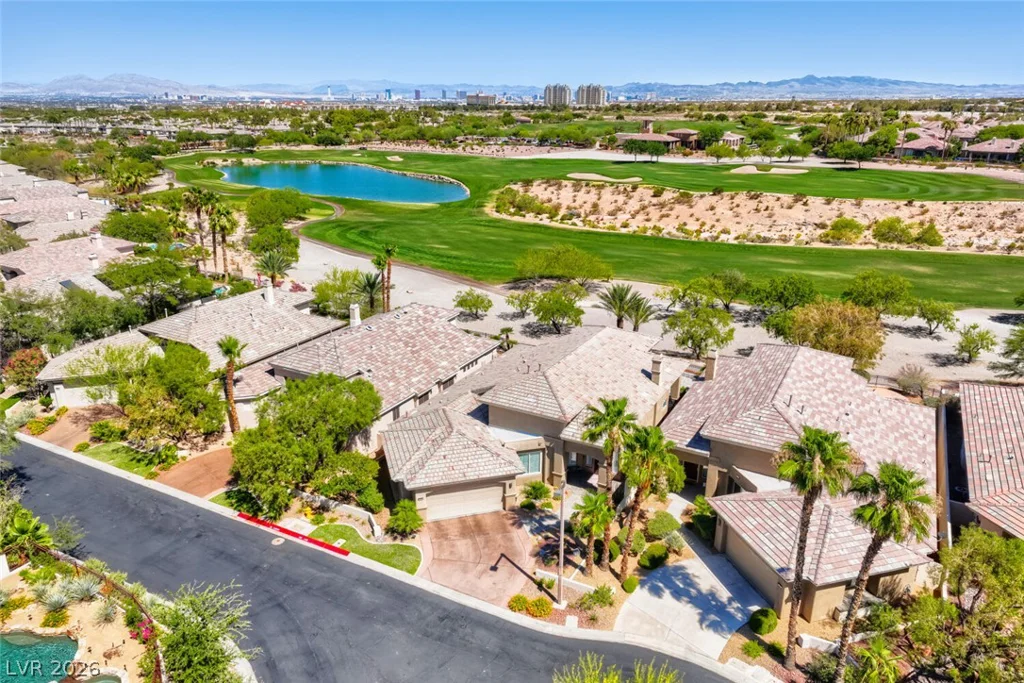
From the fairways winding through Summerlin’s master-planned neighborhoods to smaller club communities tucked into the southwest and southeast valley, golf course frontage has long been one of the clearest lifestyle signals in Las Vegas real estate. For retirees and semi-retirees, a home backing a course often means an HOA-maintained green space view without the water bill of a private backyard lawn — a meaningful consideration in a desert climate where turf maintenance costs add up fast. For golfers themselves, walking distance (or golf-cart distance) to the clubhouse can be a daily quality-of-life feature rather than an occasional amenity, and many of these communities pair golf access with additional perks like dining, fitness centers, and social calendars that matter to buyers relocating without an existing local social network.
What to Inspect Before You Make an Offer
- Clarify whether golf access is included in HOA dues, requires a separate membership, or is pay-per-round — this varies enormously between communities and dramatically affects the real monthly cost.
- Walk the backyard at different times of day to assess actual ball-strike risk from nearby tees or fairways — some “golf course” lots are far enough from play areas to be low-risk, others aren’t.
- Check landscape and wall-height rules specific to golf-frontage lots, since many HOAs have separate design standards for these premium lots.
- Ask about cart path proximity and noise/headlight exposure from early-morning golfers if the lot backs directly to a path.
- Confirm the golf course’s ownership and operating status — some Las Vegas courses have closed or been repurposed over the years, which can dramatically change a “golf course view” into a vacant-land view.
The Most Common Buyer Mistake in Las Vegas
Buyers assume a golf course view is a permanent, unchanging amenity, without researching whether the specific course has had ownership changes, closure rumors, or reduced maintenance in recent years — a real risk in a market where several valley courses have been redeveloped or fallen into disrepair over the past couple of decades. A backyard that backs a well-maintained, actively played course is a very different asset than one backing a course in financial distress, even if both look similar in current listing photos. Research the course’s operating history before paying a premium for the view.
Resale Perspective & Market Reality
Golf-frontage homes in stable, well-managed Las Vegas communities tend to command a premium and can sell relatively efficiently to the buyer segment specifically seeking that lifestyle — often retirees, part-time residents, and golf enthusiasts. However, homes overlooking struggling or closed courses can become harder to sell at golf-premium pricing, since the original draw (the maintained green space) may no longer exist as marketed, and buyers increasingly research course status independently before touring.
Local Cost Context
HOA dues in golf course communities can range from moderate (where golf is optional and pay-as-you-play) to several hundred dollars monthly in communities bundling golf membership, clubhouse access, and additional amenities into mandatory fees. Architectural review boards in golf communities are often particularly strict about anything visible from the course — patio covers, landscaping, exterior paint, even pool equipment placement — since the course view is part of the community’s overall value proposition, so buyers planning backyard changes should review golf-frontage-specific design guidelines closely.
Frequently Asked Questions
What happens to home values if a Las Vegas golf course closes?
Historically, golf course closures in the valley have led to extended legal and zoning disputes over what happens to the land, and homes that previously backed an active course can see their “golf view” become a view of dormant or redeveloped land, which can affect both enjoyment and resale positioning until the land’s future use is resolved.
Do golf course community HOAs typically require golf cart garages or storage?
Not typically required, but many golf-oriented communities — especially those popular with retirees — have homes built with golf cart garages or extra bay storage as a desirable feature, and some communities have cart paths connecting directly to homes for cart-based access to the clubhouse.
For added security, see Las Vegas Guard Gated Homes, golf enthusiasts may also like Las Vegas Homes with Putting Greens, and buyers focused on a specific master-planned area can check Summerlin Golf Course Community Homes.