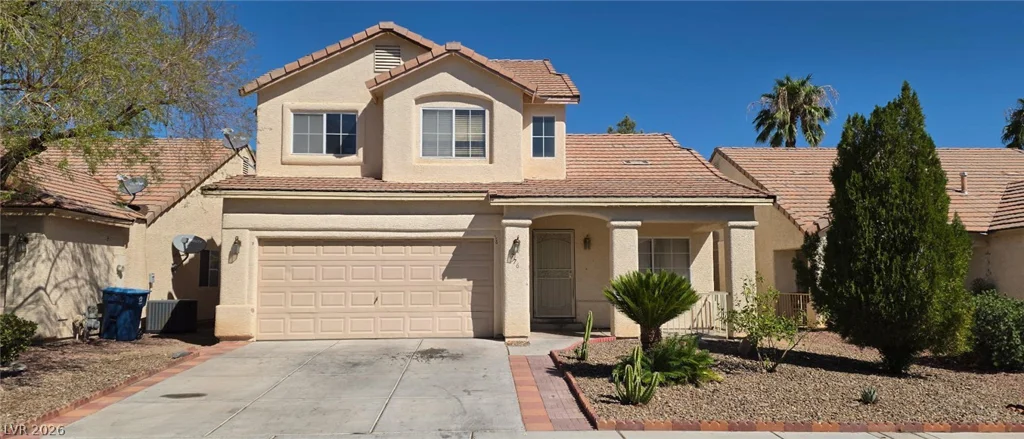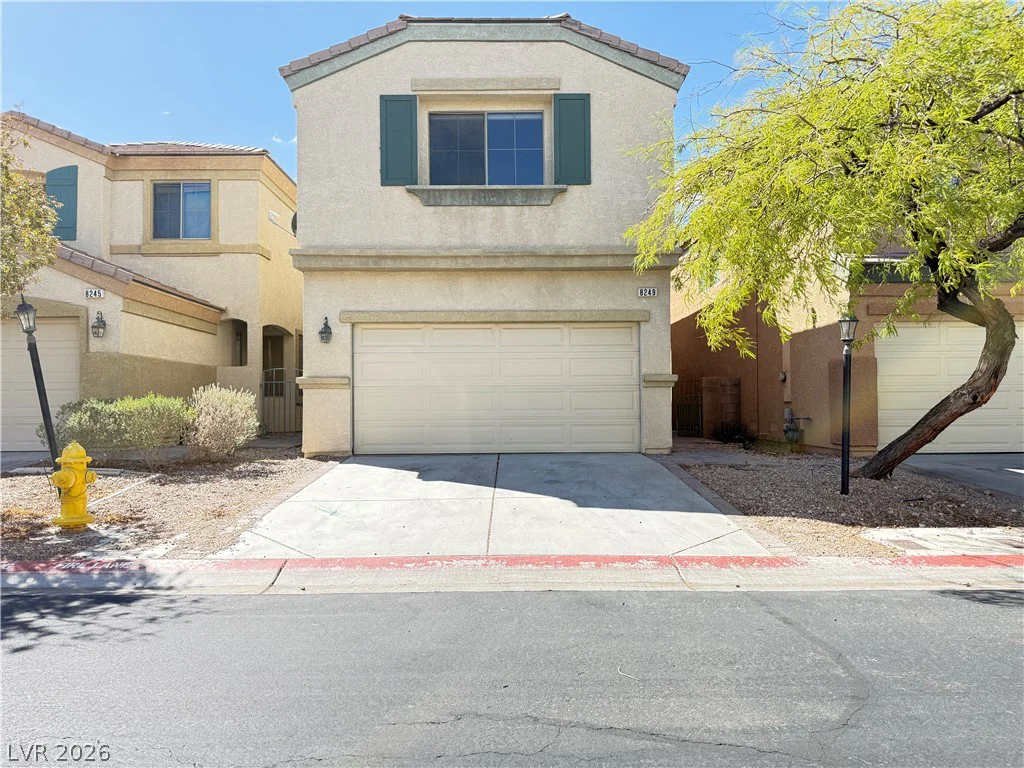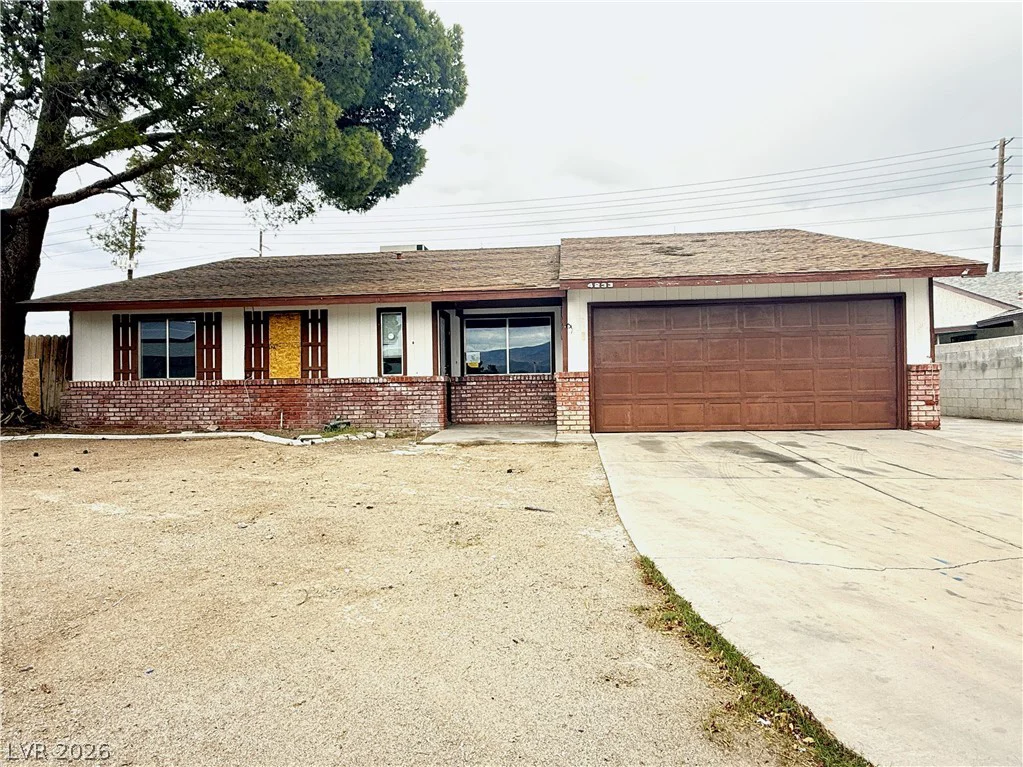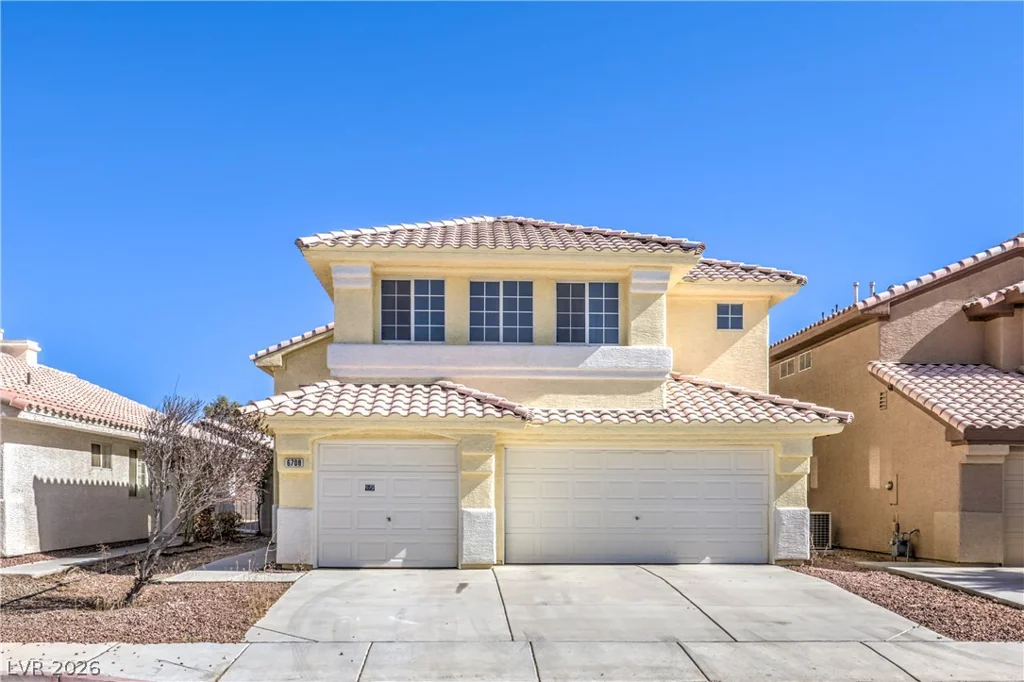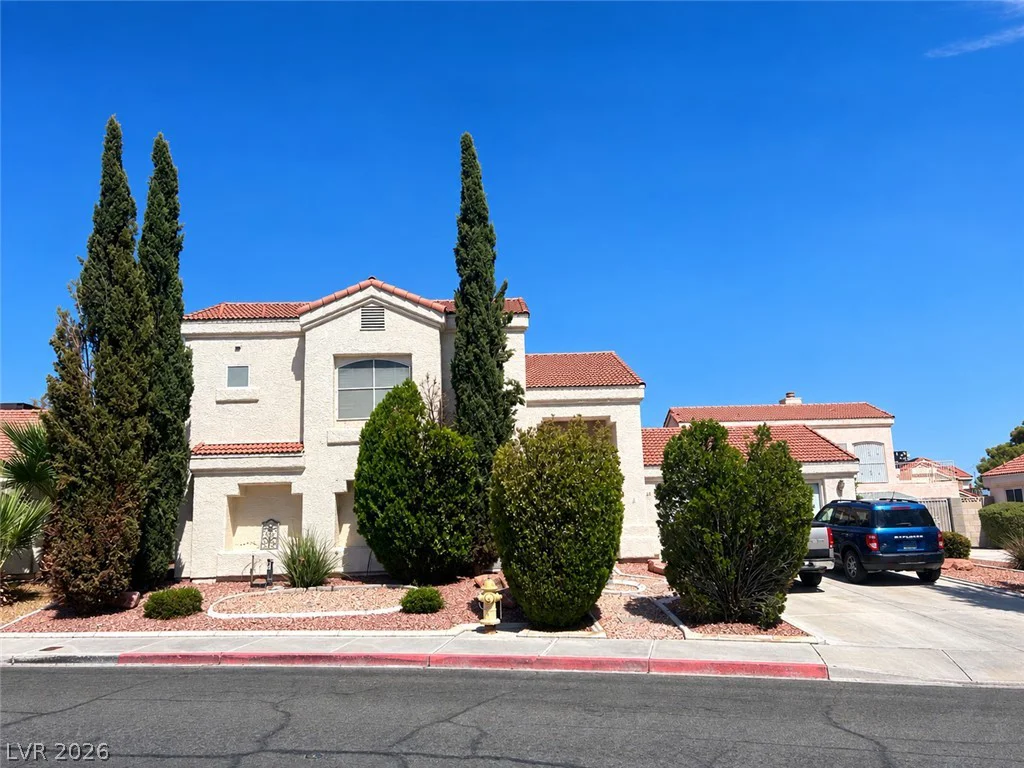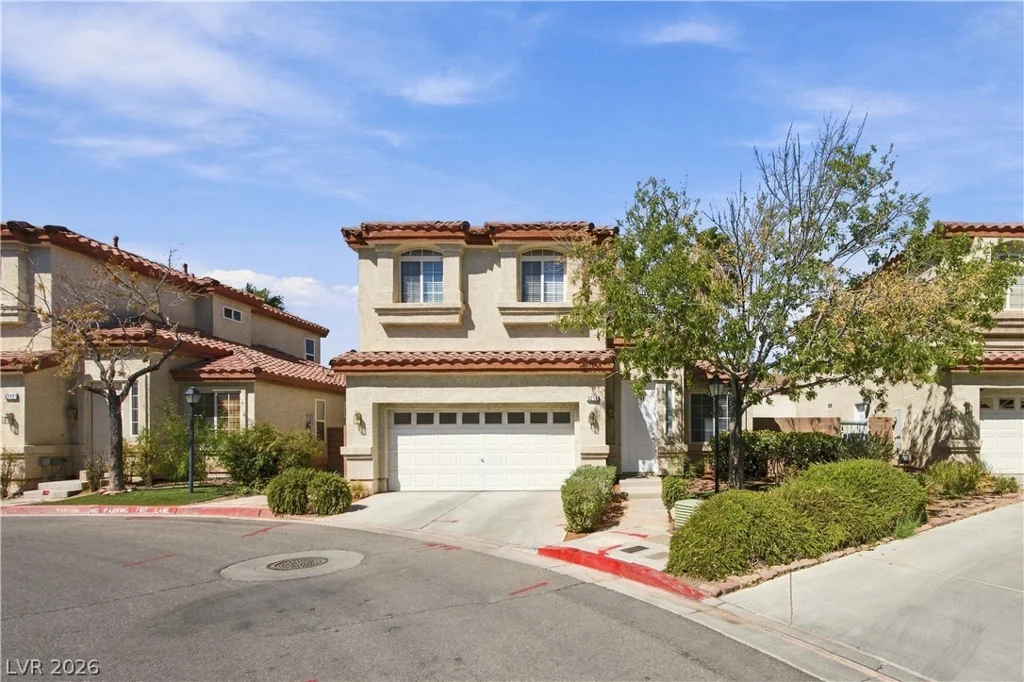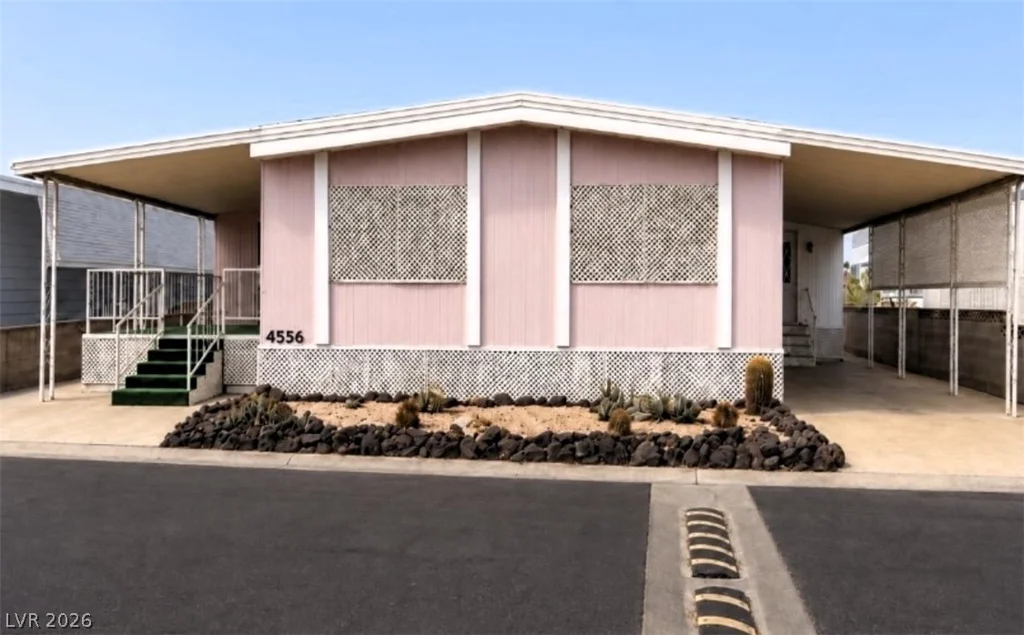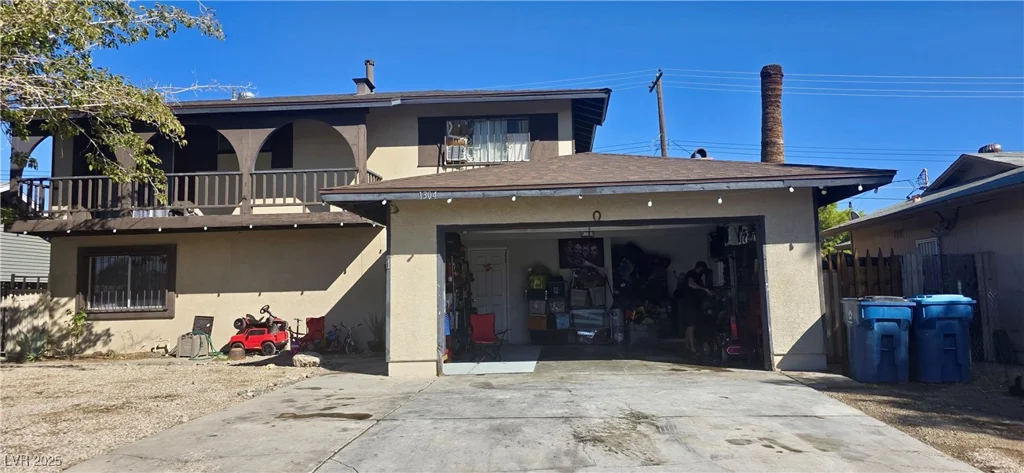
Why Fixer-Upper Homes Matter in Las Vegas
Some of the best lot sizes and most established neighborhoods in the valley — pockets near Fremont Street’s surrounding residential streets, blocks close to the Arts District, and older subdivisions inside the central valley — are also where fixer-upper inventory tends to concentrate, simply because these homes were built decades before newer construction pushed outward toward the 215 Beltway. For buyers priced out of move-in-ready homes in walkable, established areas, a fixer-upper can be the only realistic path into a location with mature trees, larger lots, and a shorter commute to downtown employers. The tradeoff is straightforward: lower purchase price in exchange for a renovation budget, financing complexity, and the time investment of managing contractors.
What to Inspect Before You Make an Offer
- Get a full systems assessment — roof, HVAC, plumbing, and electrical — from a licensed inspector who specializes in older homes, since these four systems typically represent the largest line items in any renovation budget.
- Check for any unpermitted additions or alterations, which are common in older valley homes that have changed hands multiple times, and which can complicate both financing and future resale.
- If using FHA 203(k), Fannie Mae HomeStyle, or a similar renovation loan, confirm the property meets the lender’s minimum condition requirements before you’re too far into the process — some loans won’t close on homes with serious health or safety issues until those are addressed.
- Get contractor estimates before closing if possible, not after — repair costs in the valley can vary significantly between contractors, and a rough budget based on national averages can be off by a wide margin for local labor costs.
- Evaluate the foundation and slab for cracking, especially in older homes built on expansive desert soils, since foundation repair can be one of the most expensive surprises in a renovation.
The Most Common Buyer Mistake in Las Vegas
Buyers consistently underestimate the cost of bringing 1960s and 1970s electrical panels and plumbing up to current code, because these systems often “work” in the sense that lights turn on and water runs, masking the fact that a panel rated for the load demands of a smaller, less air-conditioning-dependent household decades ago may not handle a modern home’s HVAC, EV charger, and appliance load without an upgrade. A buyer who budgets for cosmetic work — paint, flooring, fixtures — and discovers mid-renovation that the panel needs a full replacement can see their budget blown by thousands of dollars they hadn’t planned for.
Resale Perspective & Market Reality
Fixer-uppers in established central-valley locations often move quickly to investors and experienced renovators who’ve already run their numbers and know what they’re getting into, while the same property can sit longer when marketed toward owner-occupant buyers who need financing contingent on the home passing inspection. The after-repair value ceiling in many of these older neighborhoods is also a real constraint — a buyer who renovates beyond what comparable sales in the immediate area support may have a harder time recouping that investment at resale, even if the finished home is genuinely nicer than its neighbors.
Local Cost Context
Electrical panel upgrades in older valley homes commonly run a few thousand dollars, full re-pipes for homes with original galvanized plumbing can run into the five figures, and roof replacements vary widely based on size and material but are rarely a minor expense. Buyers who’d rather skip the renovation process entirely can compare against Las Vegas Homes with Paid-Off Solar for move-in-ready inventory where major systems have already been addressed by a previous owner. For buyers planning to do renovation work themselves, Las Vegas Homes with Workshops highlights properties with the garage or outbuilding space useful for staging tools and materials during a long project.
Frequently Asked Questions
Are renovation loans like FHA 203(k) commonly used for fixer-uppers in Las Vegas?
Yes, though they require working with a lender experienced in renovation financing and typically involve a longer closing timeline than a conventional purchase, since the loan amount and renovation scope need to be approved together and the work must be completed by licensed contractors within a set timeframe after closing.
Do older Las Vegas homes commonly have asbestos or lead paint that affects renovation costs?
Homes built before the late 1970s can contain lead-based paint, and homes built before the early 1980s may have asbestos in certain materials like older floor tile, popcorn ceilings, or duct insulation — testing before demolition work begins is worth budgeting for, since abatement (if needed) adds both cost and time to a renovation timeline.