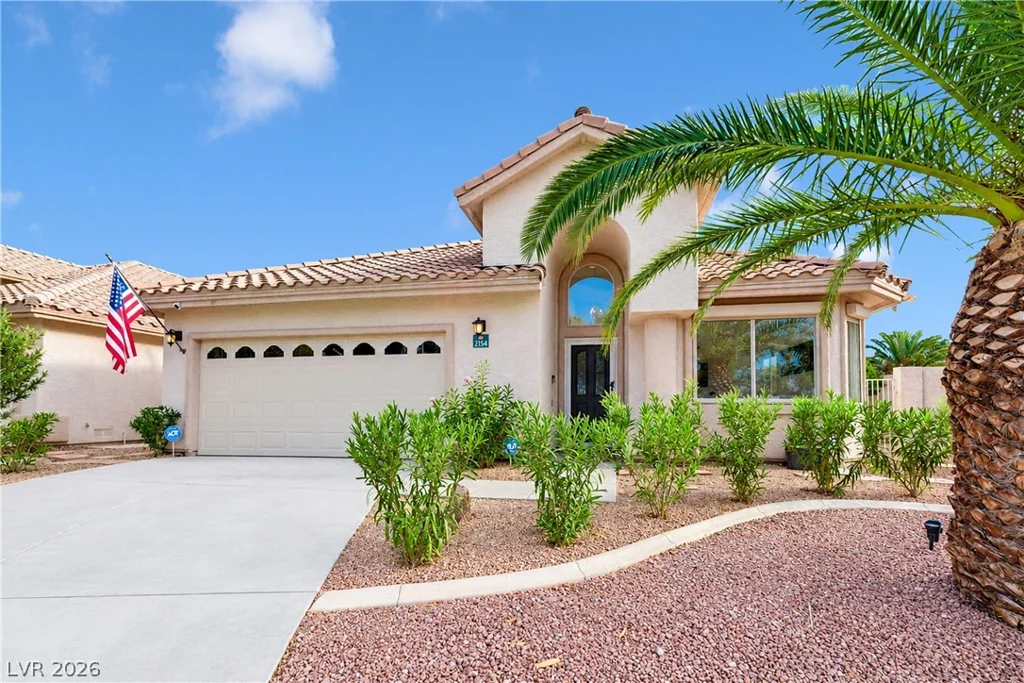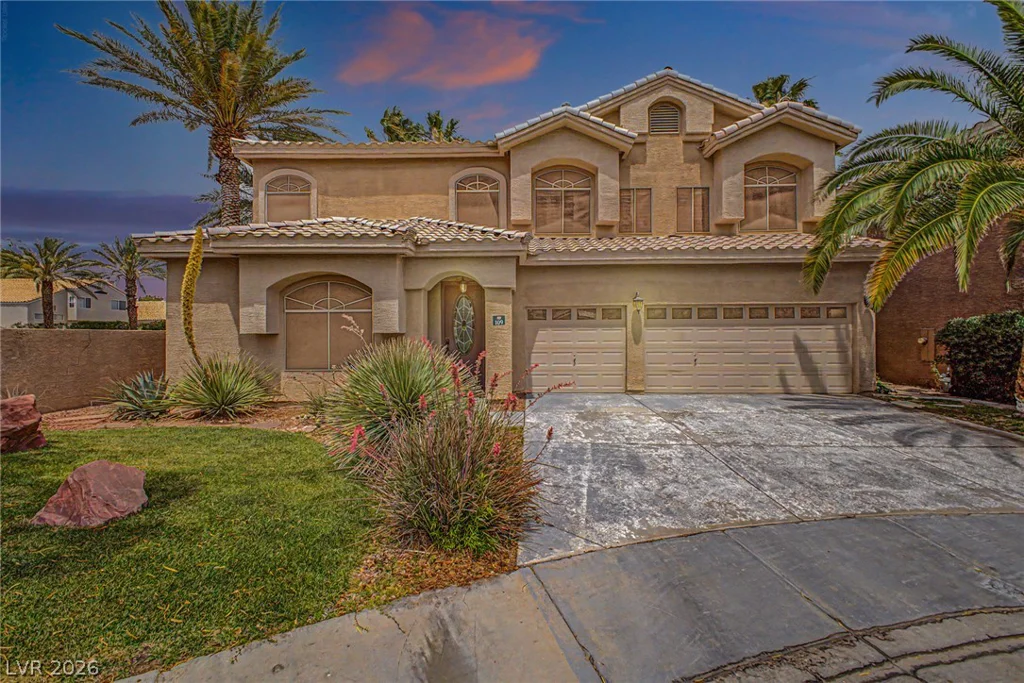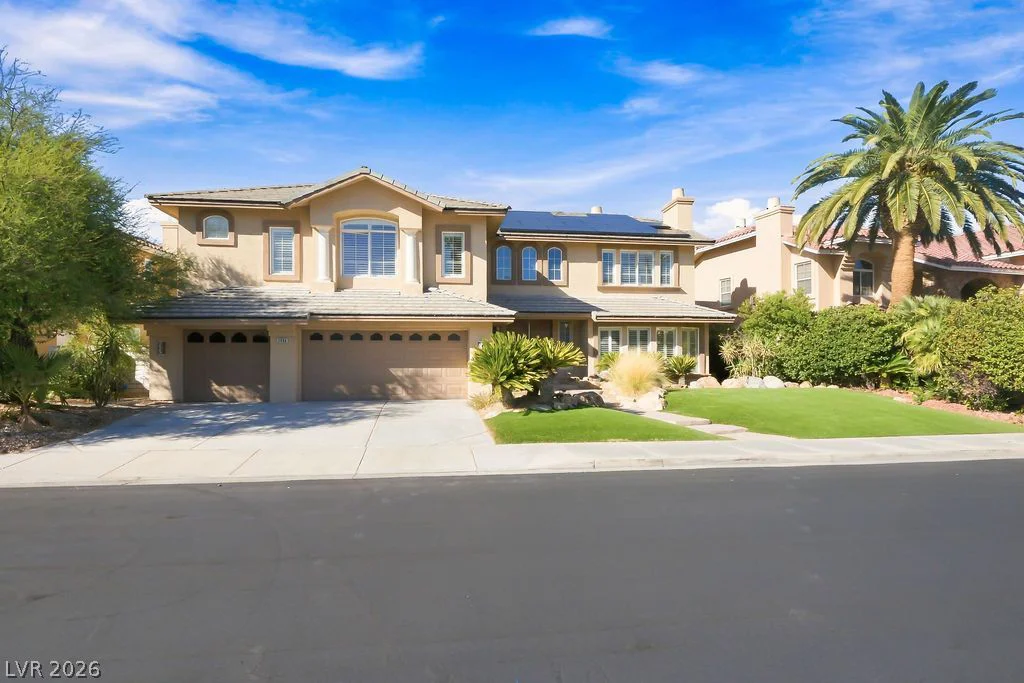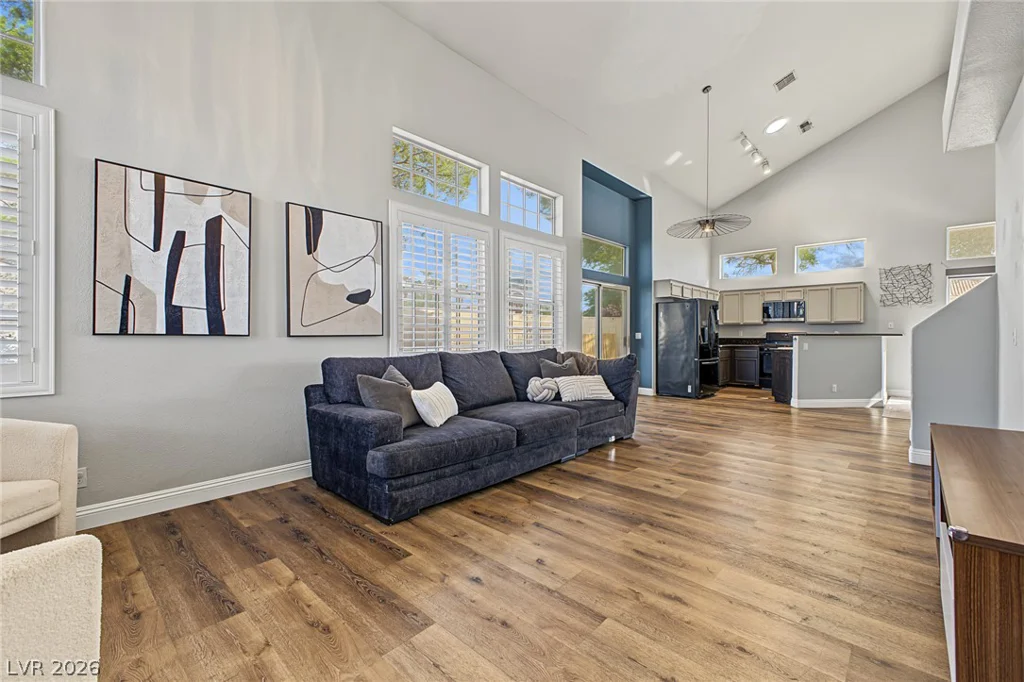
Why Covered Patios Matter in Green Valley
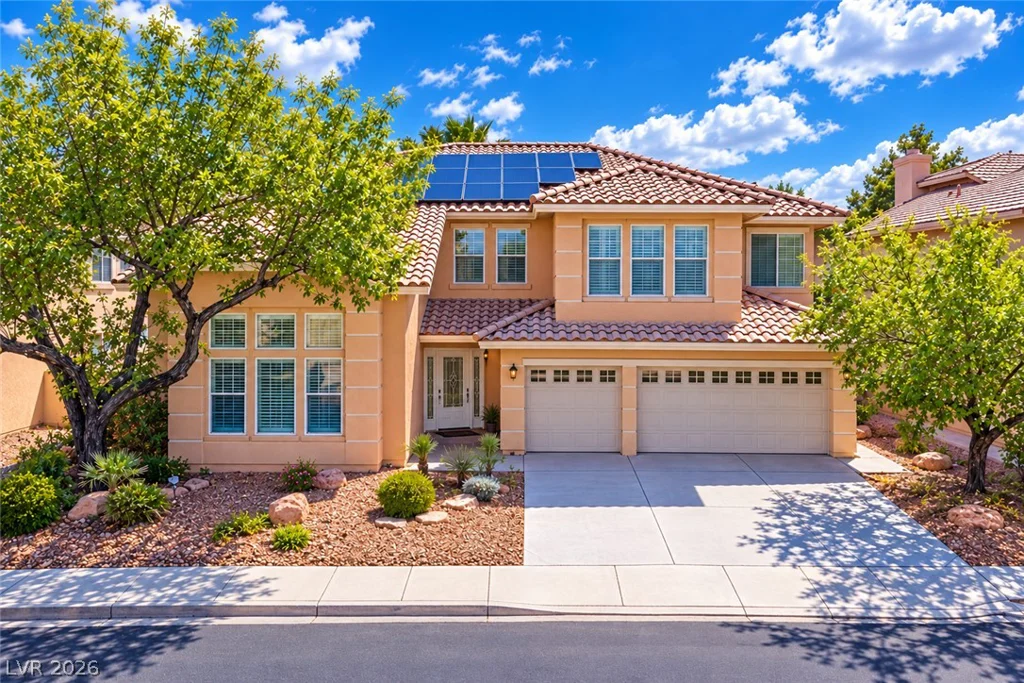
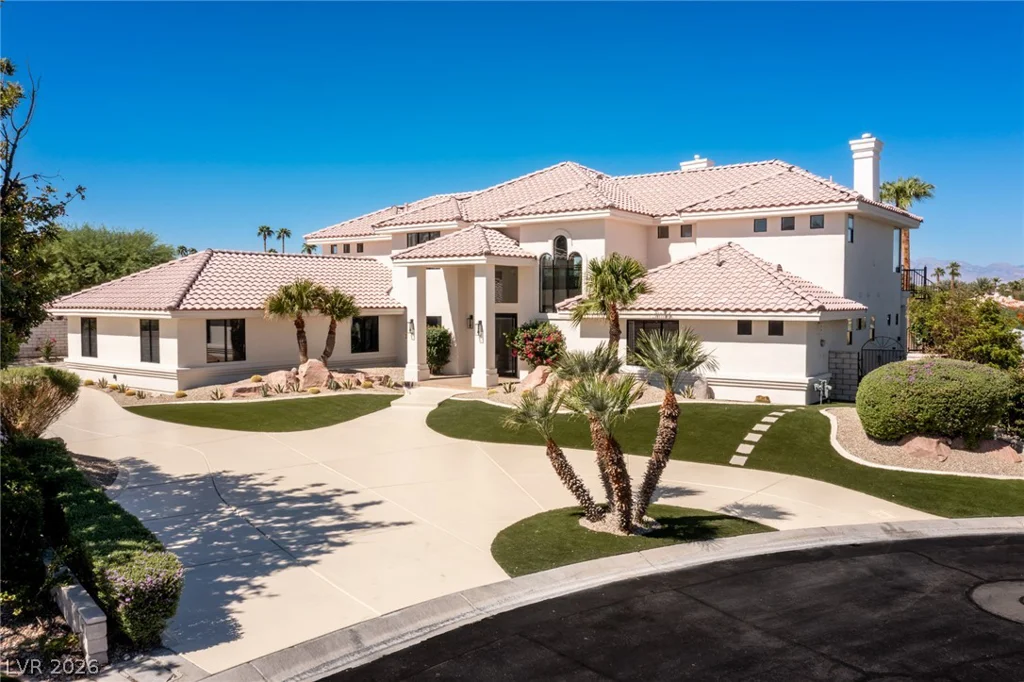
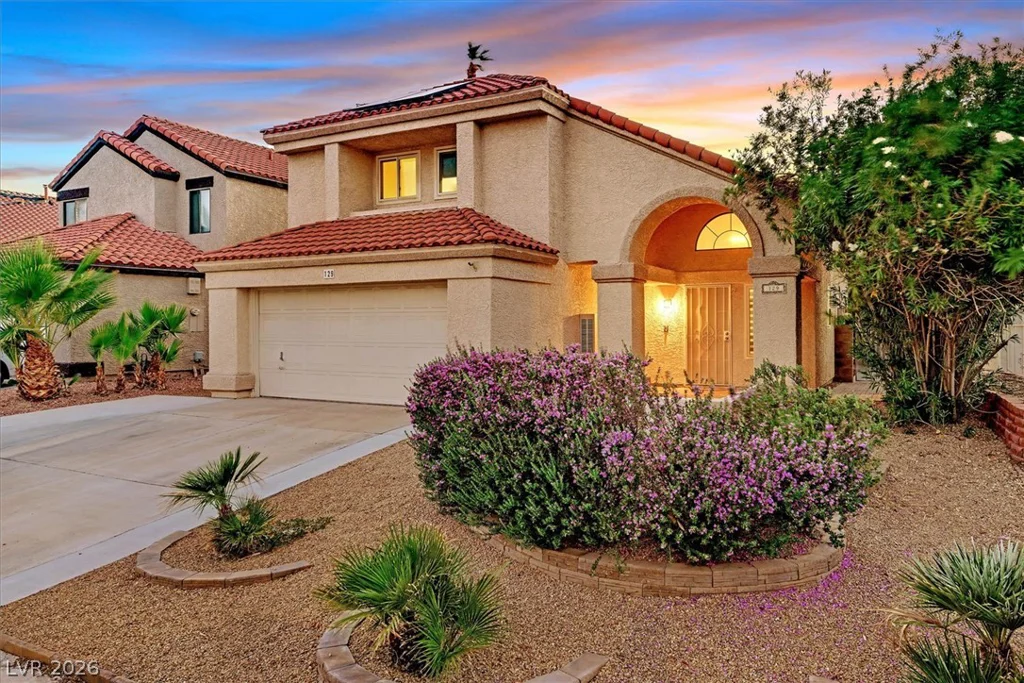
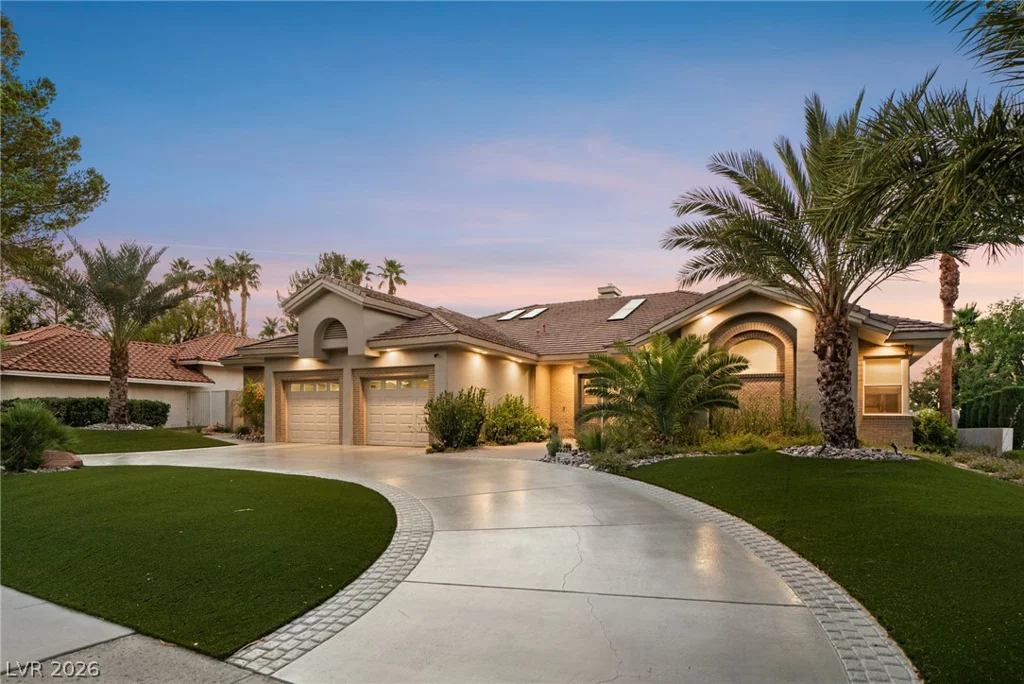
Walk any cul-de-sac off Sunset Rd in Green Valley on a June afternoon and you’ll understand instantly why a covered patio isn’t a luxury here—it’s the difference between a backyard that gets used and one that sits empty from May through September. Because Green Valley was built mostly in the late 1980s and 1990s, many original patio covers are wood-frame lattice or aluminum that has been through three decades of Henderson sun, and the quality of that structure (or a later upgrade to a solid insulated cover) often determines whether the outdoor space functions as a real living area or just a place to store a barbecue. Mature trees on these lots, many planted when the neighborhoods were new, now cast genuine afternoon shade that newer master-plans simply can’t replicate yet, and a well-placed patio cover working in tandem with that established canopy can make a backyard usable nearly year-round. For move-up families and longtime Henderson residents drawn to Green Valley move-in ready homes, the patio is frequently the room that gets the most daily use outside the kitchen.
What to Inspect Before You Make an Offer
- Check the patio cover’s attachment points to the home—original 1980s-1990s ledger boards and fascia connections can loosen or rot after decades of expansion and contraction.
- Look for root intrusion from mature trees near the patio slab; raised or cracked sections of concrete are common where large root systems have pushed against older hardscape.
- If the patio cover is original, ask about permits—additions from this era were sometimes built without final inspection, which can complicate insurance or resale.
- Inspect for galvanized or polybutylene supply lines if the patio includes an outdoor sink, wet bar, or gas stub for a barbecue, since plumbing of that vintage may need replacement.
- Test any electrical added for fans, lighting, or outlets under the cover—older add-on circuits sometimes lack proper GFCI protection required by current code.
The Most Common Buyer Mistake in Green Valley
Buyers repeatedly fall for a patio cover that looks shaded and inviting in listing photos taken in the morning, then discover on a follow-up visit that the afternoon sun comes in low from the west and bakes the space exactly when most families want to use it after work. In Green Valley’s older grid of streets, lot orientation varies block by block, and a patio cover alone doesn’t guarantee comfort if the home’s western exposure is unshaded by mature trees. The fix is simple but often skipped: visit the property in the late afternoon before writing an offer, not just during a scheduled morning showing.
Resale Perspective & Market Reality
In Green Valley’s resale market, a functional covered patio with mature shade trees tends to shorten days-on-market noticeably compared to a similar floor plan with a bare concrete slab, because buyers touring established neighborhoods are often specifically seeking the lifestyle that newer subdivisions can’t yet offer. Homes near the District at Green Valley Ranch with usable, shaded outdoor space frequently see multiple showings within the first two weeks, while comparable homes with deteriorated or undersized covers tend to linger until the seller addresses the patio or adjusts price.
Local Cost Context
Replacing or upgrading an aging patio cover in Green Valley typically runs from a few thousand dollars for a basic aluminum lattice replacement to well over ten thousand for a solid, insulated cover with electrical and fans—costs that should factor into your offer if the existing structure is original to the home. The good news for buyers is that Green Valley’s HOA dues remain comparatively modest next to newer Henderson master-plans, and architectural review for patio cover repairs or replacements tends to be less restrictive than in communities with more aggressive ARC committees, which keeps the path to upgrading the space simpler and less costly.
Frequently Asked Questions
Do I need a permit to replace an existing patio cover in Green Valley?
Generally yes—Henderson requires a building permit for patio cover replacement or structural modification, even when replacing a like-for-like structure, and your HOA’s architectural committee will typically also need to sign off, though Green Valley’s review process tends to move faster than in newer communities with stricter design guidelines.
How do mature trees near the patio affect long-term maintenance?
Large canopy trees common in Green Valley provide valuable shade but can drop debris into gutters and onto cover panels, and root systems growing toward the patio slab over the decades may eventually require root pruning or partial slab leveling, so budget for periodic tree maintenance as part of owning a shaded outdoor space here.