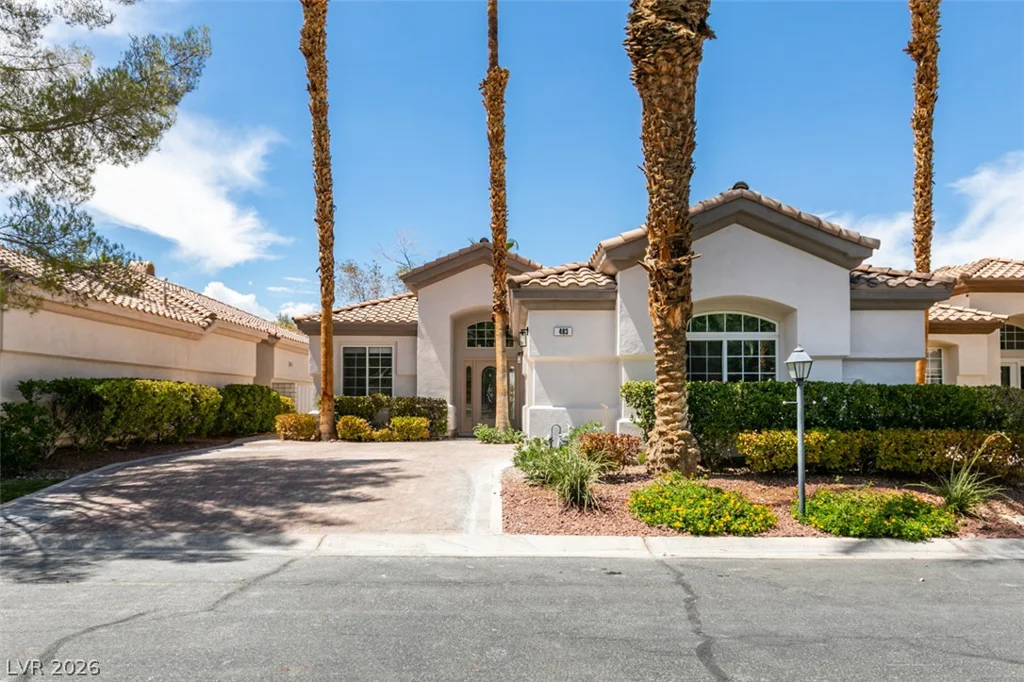
Why Community Pools Matter in Green Valley
Not every Green Valley buyer wants the maintenance of a private pool, and that’s exactly the gap that community pools fill in many of the neighborhood’s HOA-managed sections. Built during the late 1980s and 1990s alongside the homes themselves, these community pool facilities have now had decades to either be reinvested in or left to age, and the difference shows up not just in the pool itself but in the surrounding clubhouse, restrooms, and landscaping. For longtime Henderson residents who’ve used these facilities for years, a well-maintained community pool near the District at Green Valley Ranch can be a major quality-of-life factor, while a neglected one can be a sign of broader HOA reserve issues worth investigating before buying into that section.
What to Inspect Before You Make an Offer
- Visit the community pool facility in person rather than relying on HOA marketing photos, since amenity areas built in the 1980s and 1990s show their age differently depending on how well reserves have funded upkeep.
- Ask for the HOA’s reserve study specifically as it relates to pool resurfacing, equipment replacement, and clubhouse maintenance timelines.
- Check whether the pool facility has had any special assessments in recent years to fund major repairs, which can indicate either proactive maintenance or reserve shortfalls.
- Confirm pool hours, guest policies, and any additional fees beyond standard HOA dues for amenity access.
- Evaluate the distance from the specific home you’re considering to the pool facility, since walkability varies significantly across Green Valley’s larger HOA sections.
The Most Common Buyer Mistake in Green Valley
Buyers sometimes choose a home partly because of a nearby community pool without confirming that the pool is actually included in that specific HOA or sub-association’s amenities—Green Valley has numerous overlapping associations, and amenity access isn’t always consistent block to block. Before counting a community pool as part of your decision, confirm directly which HOA the home belongs to and what that specific association’s amenity package includes.
Resale Perspective & Market Reality
Homes within HOA sections that maintain their community pool and amenity areas well tend to hold buyer interest, often appealing to the same audience considering Green Valley homes with dens or offices who value overall community upkeep as a signal of long-term value. Conversely, a section with a visibly neglected pool or a history of special assessments can give buyers pause, sometimes extending days-on-market as buyers research the HOA’s financial health before committing.
Local Cost Context
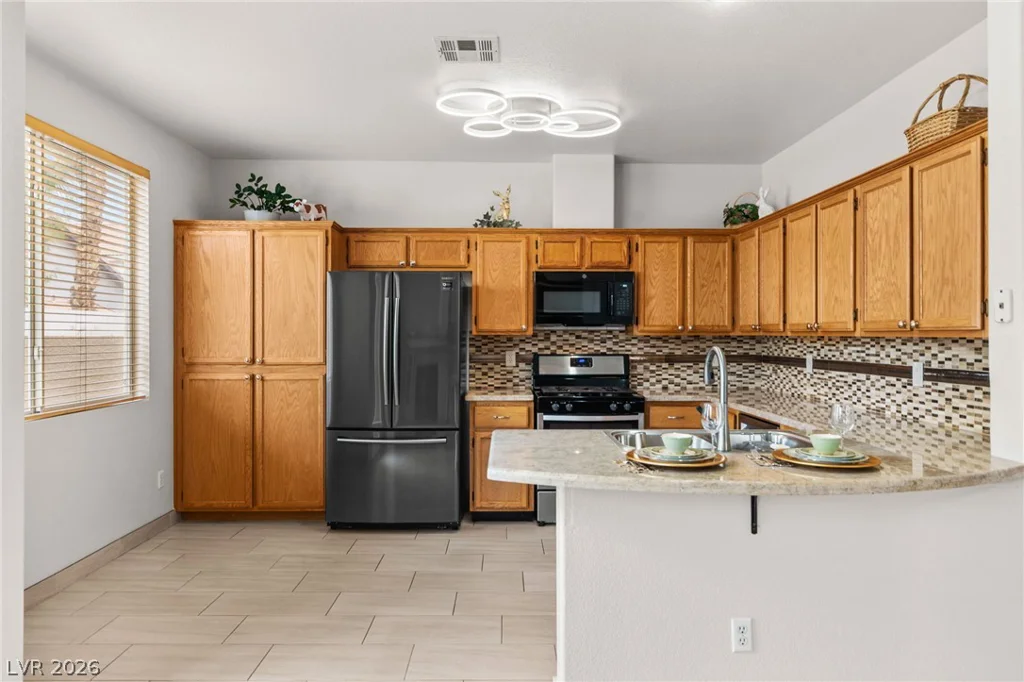
HOA dues that include community pool access in Green Valley remain comparatively modest compared to newer Henderson master-plans with larger amenity packages, which is part of the area’s appeal for buyers wanting amenity access without the higher monthly costs. Architectural review for individual homes in these sections also tends to be less aggressive than in newer communities, an advantage worth weighing alongside the condition of shared facilities, especially when comparing against Green Valley homes with stainless steel appliances in different HOA sections.
Frequently Asked Questions
Are all homes in Green Valley part of an HOA with community pool access?
No—Green Valley includes numerous distinct HOA sections, and amenity packages vary considerably, so it’s important to confirm which specific association a home belongs to and whether community pool access is included in that association’s dues.
How can I evaluate whether an HOA’s pool facility has been well-maintained over the decades?
Beyond a visual inspection, request the HOA’s recent meeting minutes and reserve study, which often document planned or completed resurfacing, equipment replacement, and any deferred maintenance items affecting shared amenities built in the original construction era.