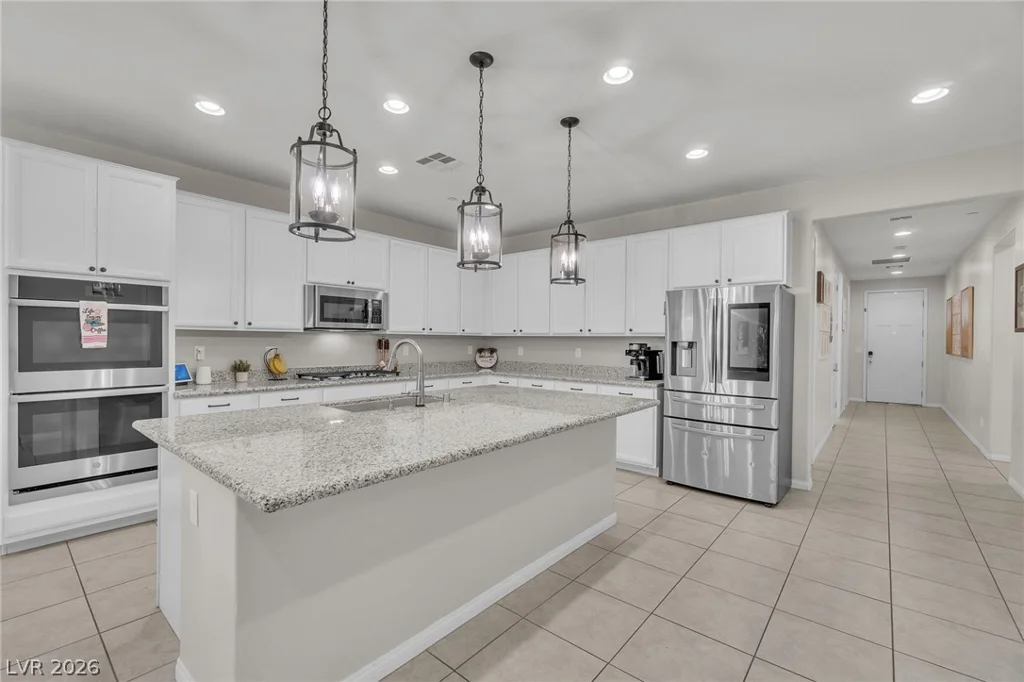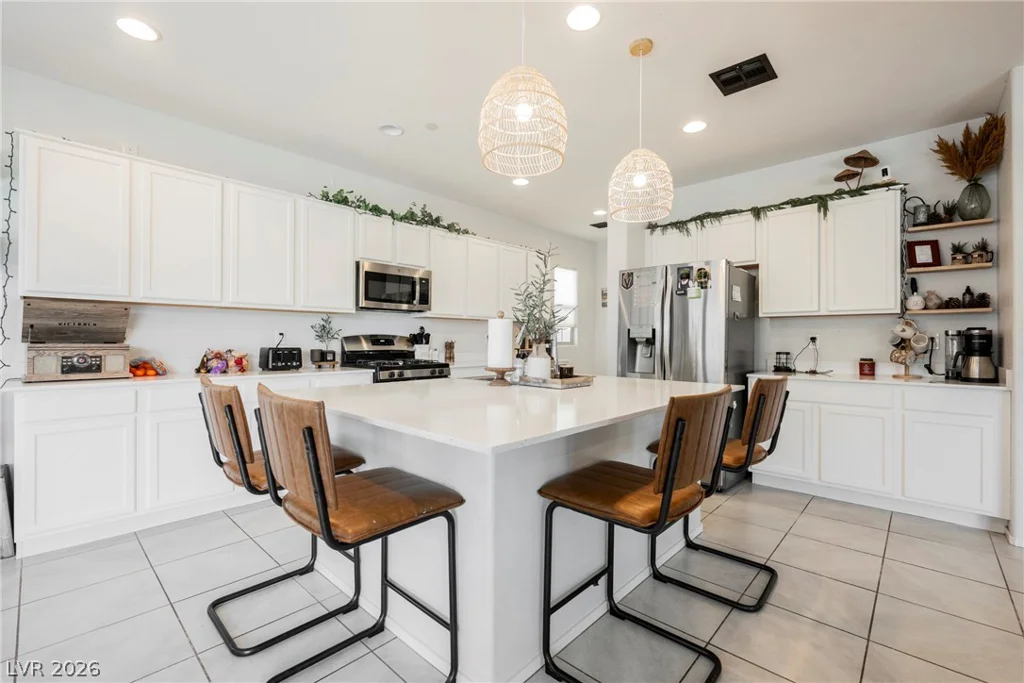
Walk-in pantries sound like a simple checkbox feature until you’re the one trying to fit two months of bulk-store groceries, small appliances, and overflow kitchenware into a closet-sized space with a single shallow shelf.
Why Walk-In Pantries Matter in Cadence
Move-up families in Cadence are often coming from apartments or smaller homes where kitchen storage was a constant constraint, and a genuine walk-in pantry, as opposed to a slightly deeper cabinet labeled as one, can meaningfully change how a household manages groceries, especially with bulk shopping trips that make sense given Cadence’s distance from some closer-in retail. The size and shelving configuration of the pantry varies considerably across Cadence’s floor plans and builder phases, and it’s frequently bundled with the same upgrade package as Cadence Homes with Open Floor Plans, since both features relate to how the kitchen is laid out relative to the rest of the home. For households that cook frequently, the pantry’s proximity to the kitchen entry point matters as much as its square footage.
What to Inspect Before You Make an Offer
- Measure the pantry’s actual interior dimensions rather than relying on the floor plan’s labeled square footage, since “walk-in” can describe spaces ranging from a deep closet to a small room
- Check the shelving material and configuration, including whether shelves are adjustable wire racks (common in base packages) or built-in wood shelving (often an upgrade)
- Confirm the pantry has a light fixture and outlet if you plan to use small appliances inside it, since not all builder-standard pantries include either
- Look for ventilation or airflow issues, particularly in pantries located on an exterior wall in Cadence’s energy-code-compliant construction, where insulation quality can affect temperature stability for food storage
- Ask whether the pantry door was original to construction or if a first owner widened an opening or removed a door, which could affect the home’s insulation envelope and energy performance
The Most Common Buyer Mistake in Cadence
Buyers often assume that because a floor plan lists a “walk-in pantry,” it will function similarly across different builders and phases, when in practice the depth and shelving quality vary enough that two homes with the same square footage and the same pantry label can have meaningfully different storage capacity. A buyer who doesn’t physically step into the pantry and assess shelf depth can end up with a space that looks fine on a floor plan diagram but proves frustratingly shallow for actual bulk storage once they’ve moved in.
Resale Perspective & Market Reality
As Cadence’s town center slowly adds grocery and retail options, the practical need for large at-home pantry storage may shift slightly over time, but for now, homes with a genuinely spacious walk-in pantry continue to be a selling point that buyers actively compare, particularly against Cadence Homes with Community Pools listings where buyers are weighing lifestyle amenities against practical kitchen storage as competing priorities in their decision. Homes that deliver both have generally seen stronger buyer interest.
Local Cost Context
Adding built-in wood shelving to a base wire-rack pantry is a relatively affordable upgrade, often in the low hundreds to low thousands of dollars depending on materials, making it one of the more accessible post-purchase improvements compared to structural changes elsewhere in the home. Cadence HOA dues don’t relate to interior pantry configuration, but they continue to fund the wash-trail system and Cadence Cove Park, which represent the community-level amenities that complement a well-stocked home kitchen for families who entertain or host trail-day cookouts.
Frequently Asked Questions
Do Cadence floor plans distinguish between a walk-in pantry and a butler’s pantry in their official documentation?
Yes, builders typically use distinct terms in their floor plan literature; a walk-in pantry is an enclosed storage room accessed through a door, while a butler’s pantry usually refers to an open transitional counter space between the kitchen and dining area, and confirming which term applies to a specific listing avoids confusion about the actual storage configuration.
Can adding shelving to a walk-in pantry affect the home’s energy-code compliance in Cadence?
Generally no, as long as the shelving doesn’t block any HVAC returns, exhaust vents, or required clearances around electrical panels that might be located in or near the pantry in some floor plans; it’s worth confirming there’s no mechanical equipment routed through the pantry space before adding built-ins.
For a comparison in a more established part of Henderson, Henderson Homes with Walk-In Pantries shows how pantry sizing trends have evolved across different construction eras.