Why Assumable Loans Matter in Cadence
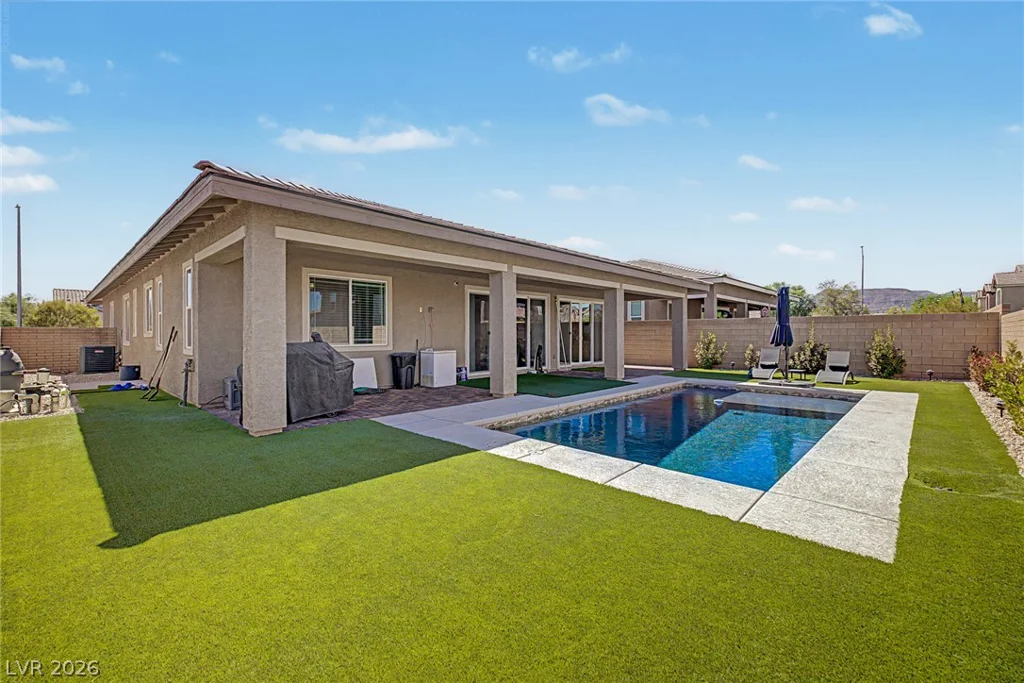
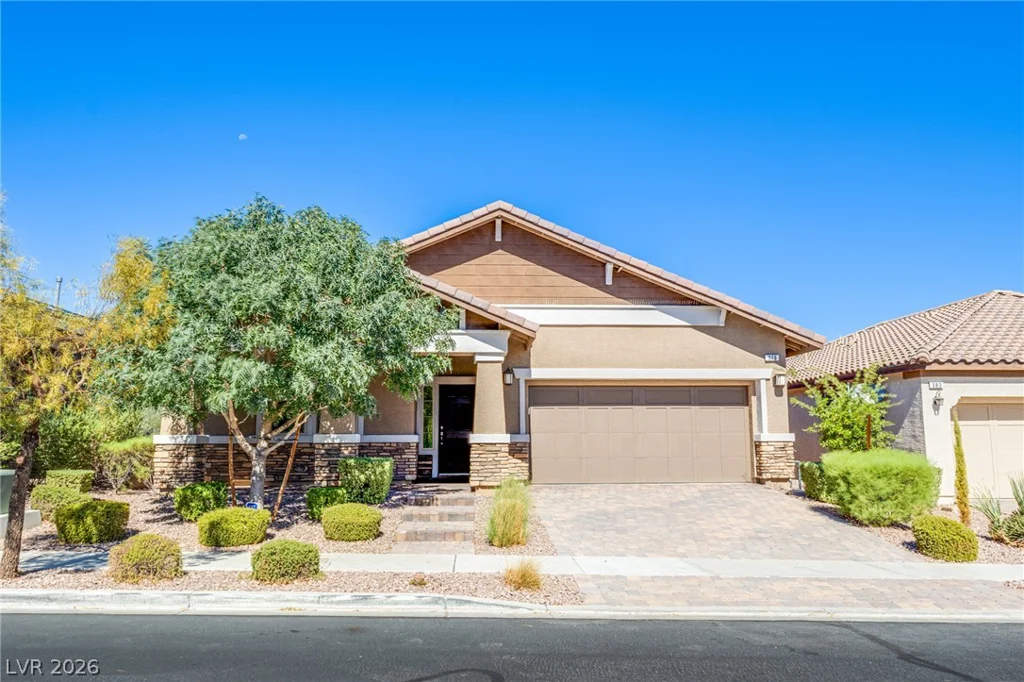
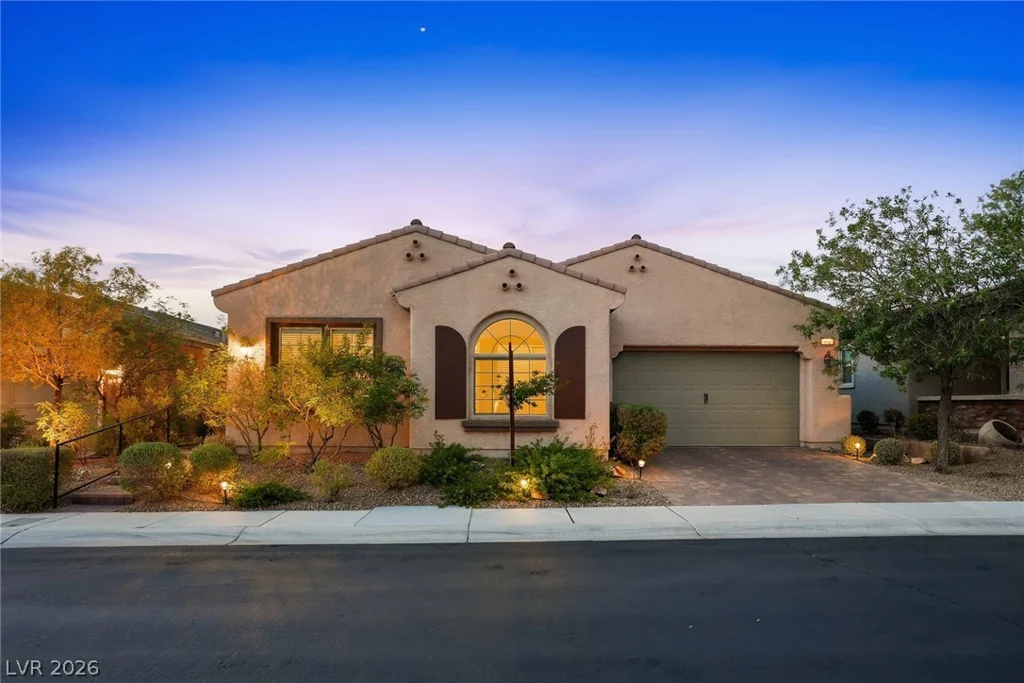
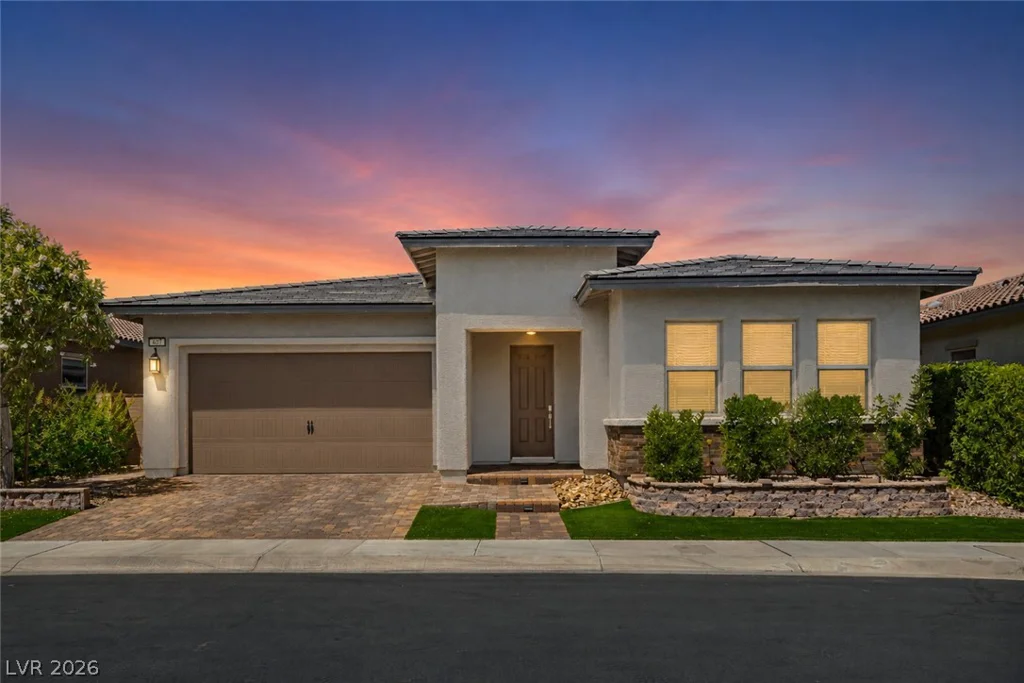
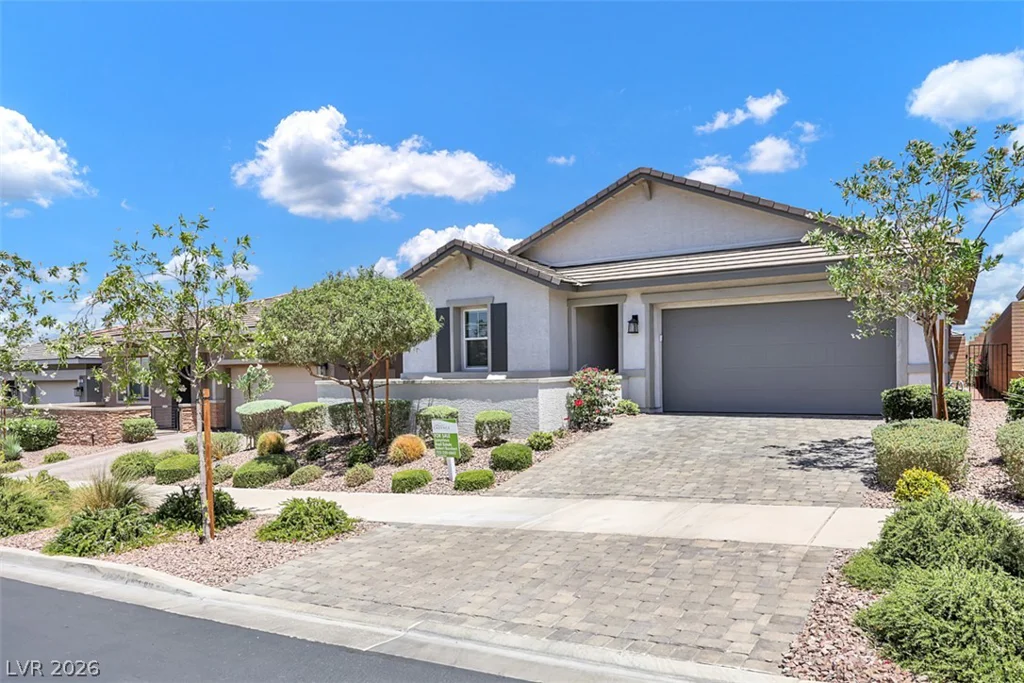
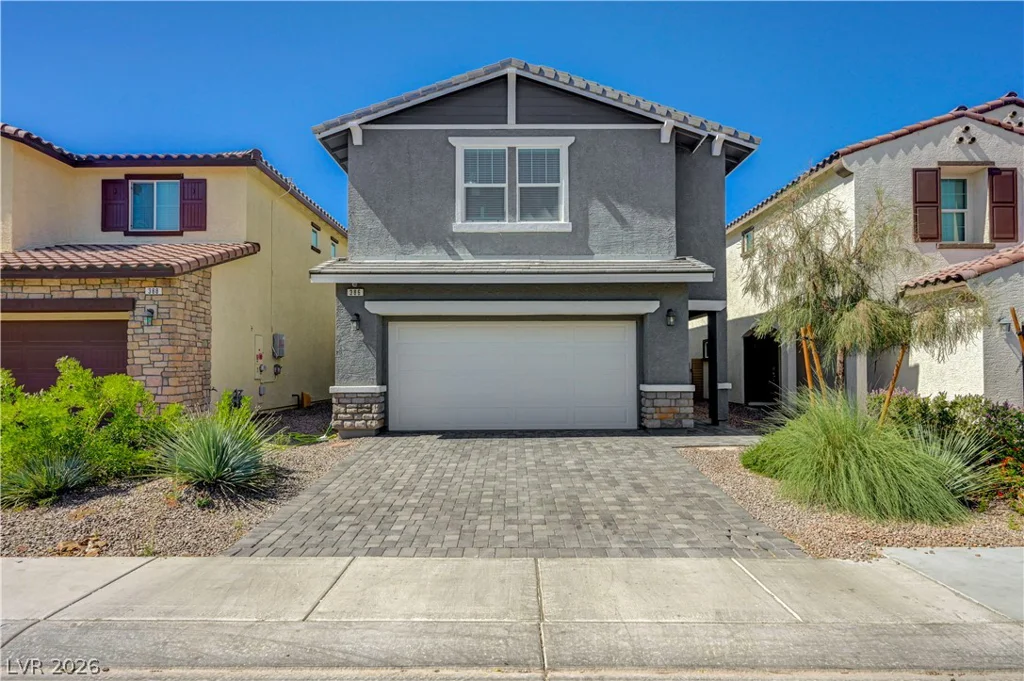
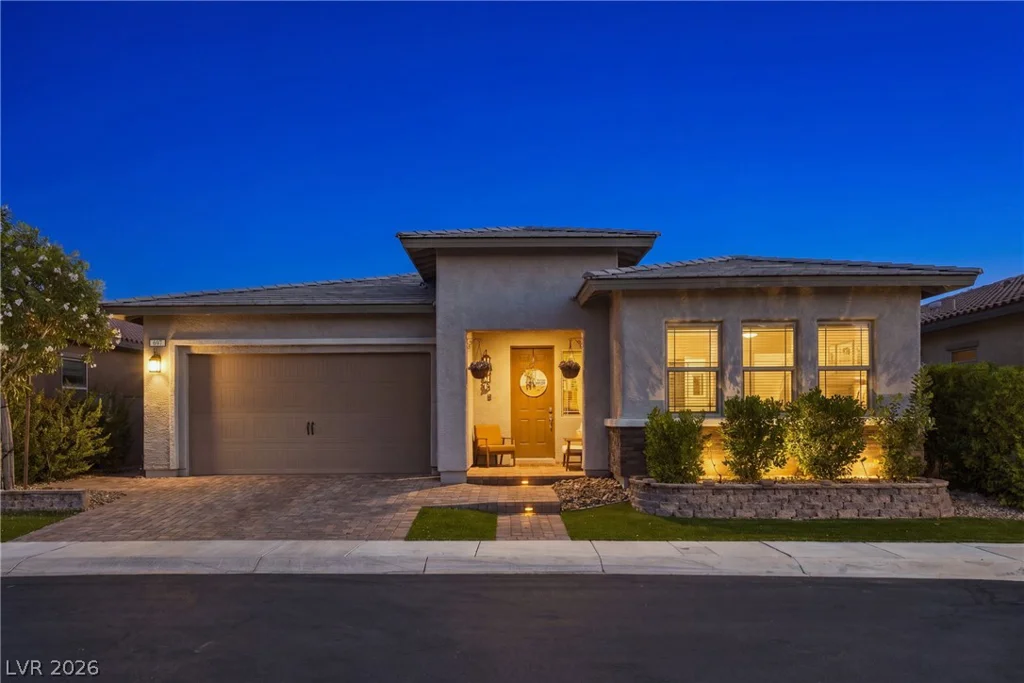
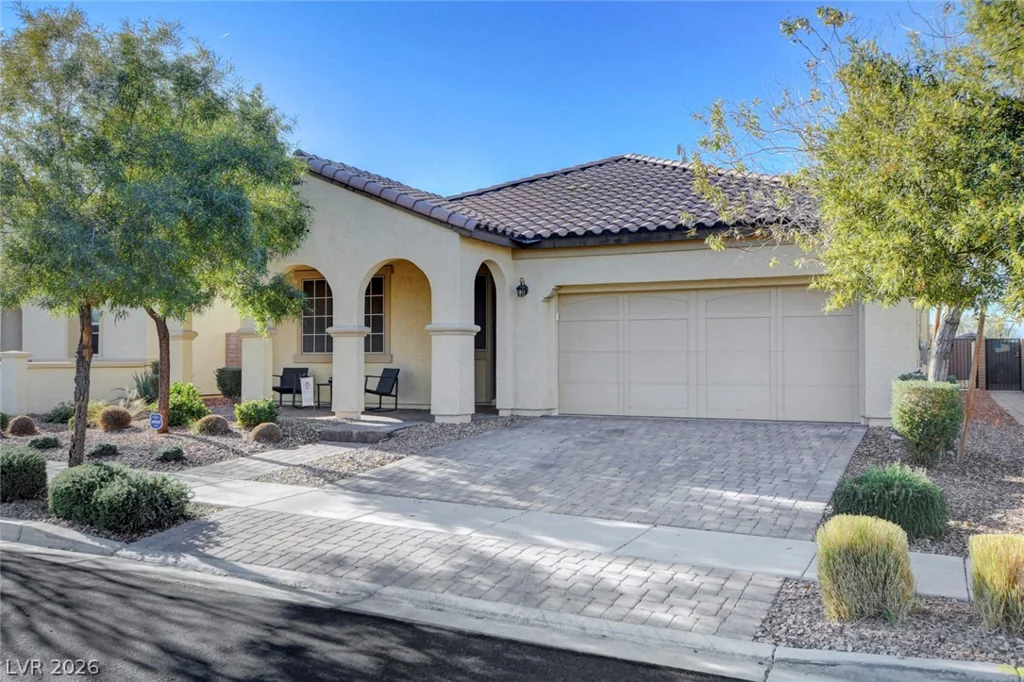
Cadence is one of Southern Nevada’s youngest master-plans — a 2,200-acre community along Lake Mead Parkway near the Henderson/Boulder City boundary that began delivering homes around 2014 and has been adding villages and builders steadily since. That youth works in your favor when hunting assumable loans: a meaningful slice of Cadence’s earliest buyers who purchased between 2018 and 2022 now have VA or FHA loans at rates the current market can’t touch, and they represent the community’s first significant resale cohort. The central park, the fitness trail network looping through Central Park’s splash pad area, and the proximity to Lake Mead Recreation Area make Cadence attractive to young families and outdoor-oriented buyers — exactly the demographic profile that overlaps heavily with VA-eligible veterans. Buyers considering Cadence alongside other newer Henderson master-plans should cross-reference Henderson Homes with Assumable Loans to see how Cadence’s assumable inventory compares to established Henderson communities in terms of loan vintage and equity gap exposure.
What to Inspect Before You Make an Offer
- Confirm which builder’s product the home is — and whether the original builder warranty transfers. Cadence has hosted multiple builders (Woodside Homes, Century Communities, Taylor Morrison, and others); each builder’s structural warranty has different transfer provisions, and a buyer who assumes the mortgage without confirming warranty status may lose coverage that a direct purchase would have preserved.
- Verify whether any Mello-Roos or community facilities district (CFD) assessment applies. Cadence’s newer sections along Lake Mead Parkway fall within Clark County CFD boundaries that levy annual infrastructure assessments of $1,200–$2,800 per parcel — a cost that follows the land, not the loan, and is separate from HOA fees.
- Check the solar panel financing structure. Cadence’s newer homes frequently include builder-installed solar with either a lease or a solar loan attached to the title; a solar loan must be paid off or assumed separately and can complicate the VA or FHA assumption approval if the servicer flags a subordinate lien.
- Assess the equity gap carefully — Cadence appreciation has been front-loaded. Homes purchased in Cadence’s early phases (2018–2020) at $320,000–$380,000 are now worth $480,000–$560,000 in many neighborhoods, creating equity gaps of $140,000–$200,000 that require either substantial cash or second-lien financing.
- Inspect EV charging infrastructure and whether it was permitted. Cadence’s buyer demographic skews toward EV owners; unpermitted garage EV charger installations flagged during a VA or FHA inspection can require remediation before assumption approval closes.
The Most Common Buyer Mistake in Cadence
Young families drawn to Cadence’s park and trail network frequently rush the offer process because they fall in love with the community’s lifestyle amenities before they’ve mapped out the equity gap financing. Cadence homes with sub-3% VA loans from 2020 carry equity gaps that are simply too large to cover with a standard down payment — buyers need either significant liquid savings, a bridge loan from a prior home sale, or a second-lien arrangement pre-approved by the VA servicer. Walking into the offer without that equity gap plan fully funded leaves the buyer exposed to a failed assumption and a lost earnest money deposit.
Resale Perspective & Market Reality
Cadence is still an actively developing community, which creates a nuanced resale dynamic: new-construction inventory directly competes with resale on price per square foot, but new construction can’t offer a sub-3.5% assumable rate. For buyers who are genuinely payment-sensitive, the assumable resale option beats new construction on monthly cost — sometimes dramatically. That advantage shows up in Cadence’s resale market as faster days-on-market for assumable listings versus comparably priced new builds in the community’s newest phases.
Local Cost Context
Cadence VA and FHA loans from the 2019–2022 origination window carry rates of 2.625%–3.375%. On a $360,000 remaining balance — common for mid-tier Cadence homes — monthly savings versus a 7.0% new loan exceed $840 per month. Cadence’s master HOA runs approximately $80–$110/month depending on the village, covering amenity access at Central Park and common area maintenance. The CFD infrastructure assessment, where applicable, adds $100–$230 per month to effective carrying costs and should be included in total payment comparisons. For context on how newer community assumable loans compare across the valley, Summerlin Homes with Assumable Loans shows how the same loan vintage plays out in the valley’s most established master-plan.
Frequently Asked Questions
If the Cadence seller has a builder-installed solar loan tied to the property, how does that affect the VA loan assumption process?
A solar loan recorded as a lien against the property is a subordinate debt that the VA servicer must acknowledge during assumption underwriting. The servicer will require a subordination agreement from the solar lender or payoff of the solar loan before assumption can close — a solar lender’s subordination process typically adds three to six weeks to the timeline. Buyers should identify any solar liens in the title commitment within the first week of going under contract and contact the solar lender immediately to begin the subordination request.
Does Cadence’s CFD infrastructure assessment affect my ability to qualify for a VA loan assumption?
The CFD assessment itself doesn’t directly affect VA assumption approval — it is not a lien on the mortgage but a property tax line item. However, the servicer’s debt-to-income review of the assuming buyer will include total housing expense, which should incorporate the CFD assessment. Buyers who don’t include the CFD cost in their DTI calculation going into assumption underwriting may find their qualifying ratios are tighter than expected once the servicer’s underwriter adds all property charges to the housing expense calculation.