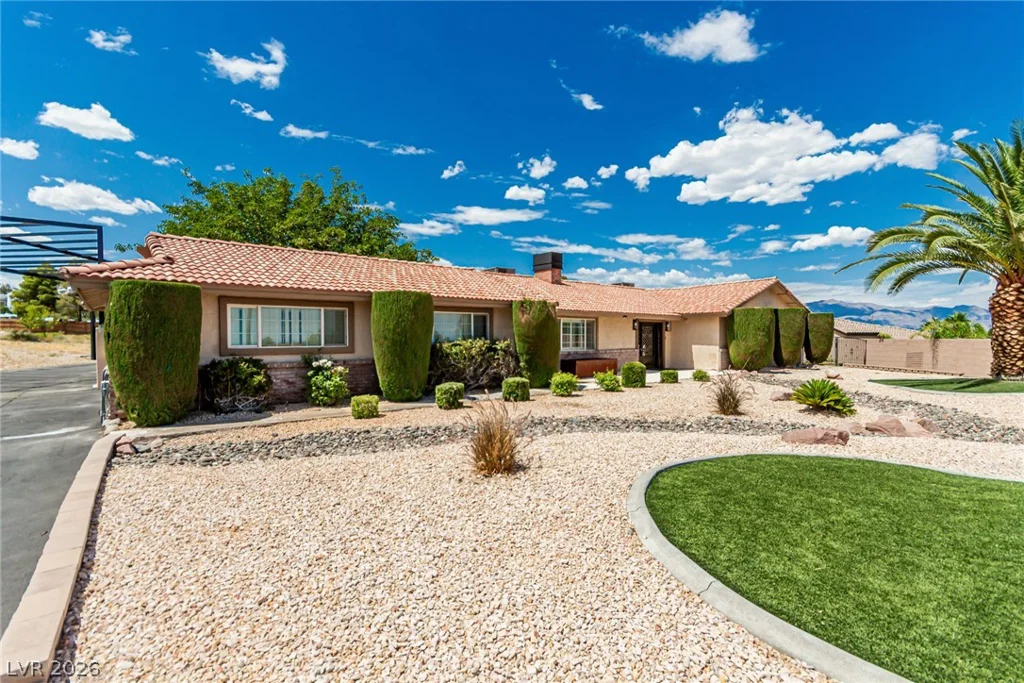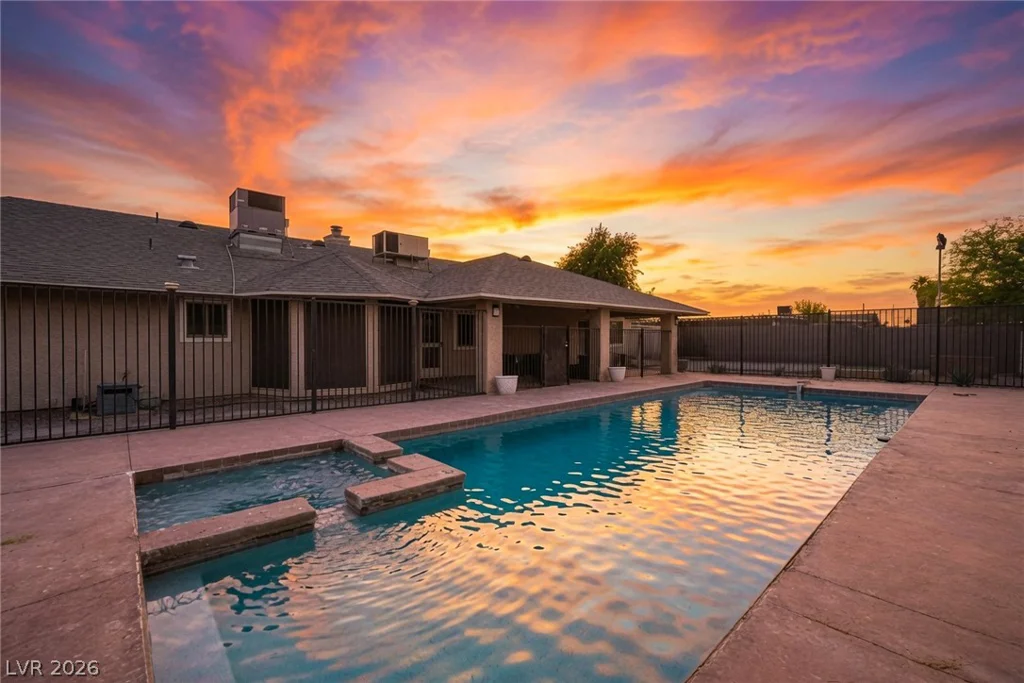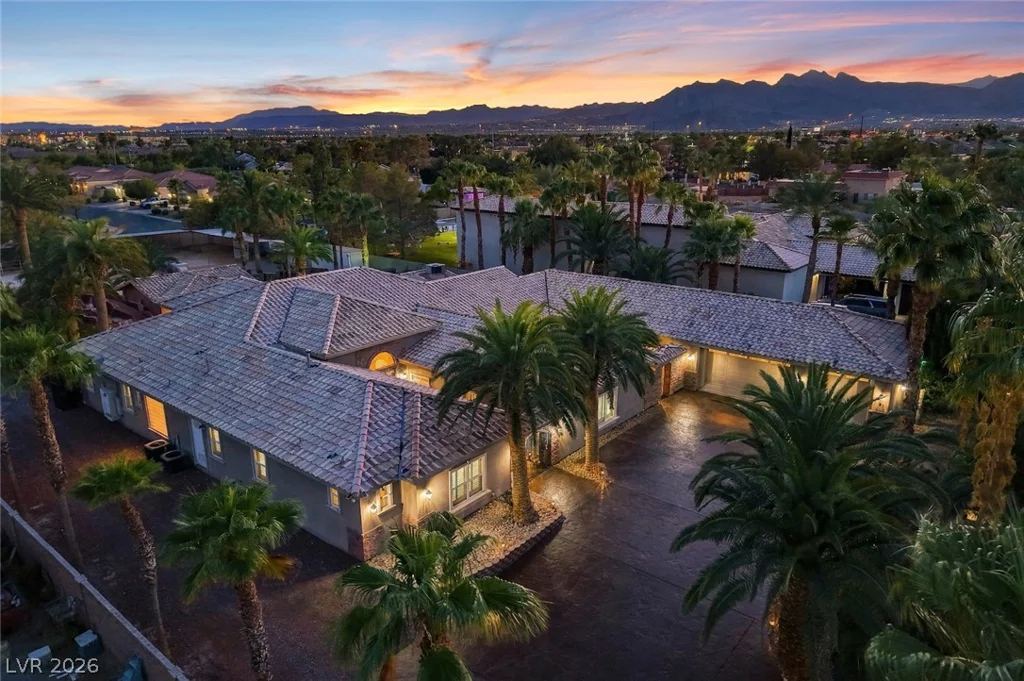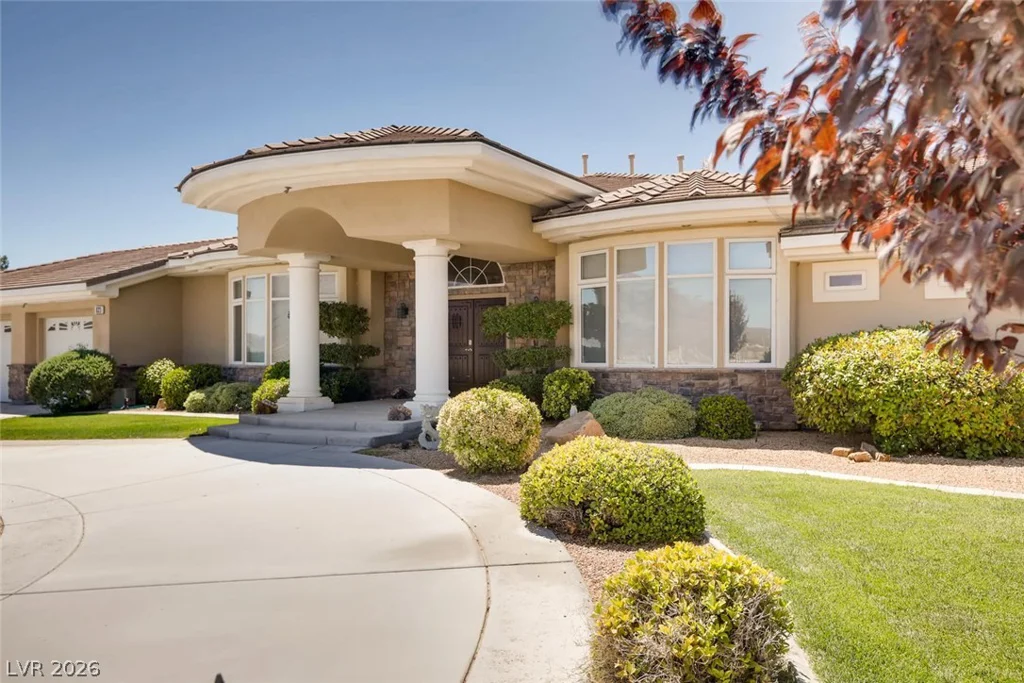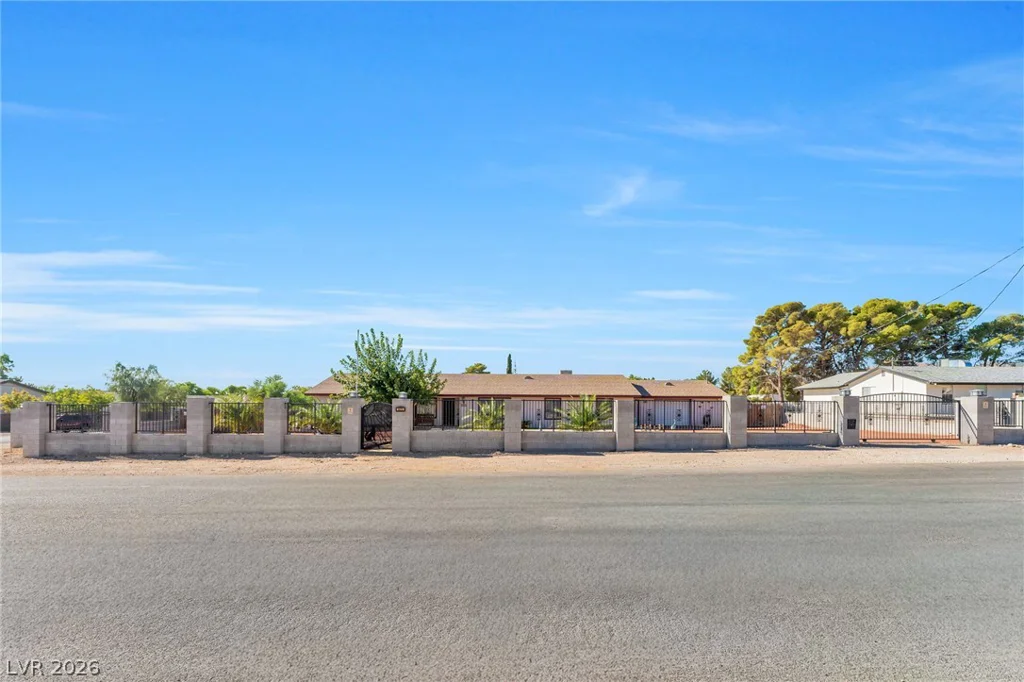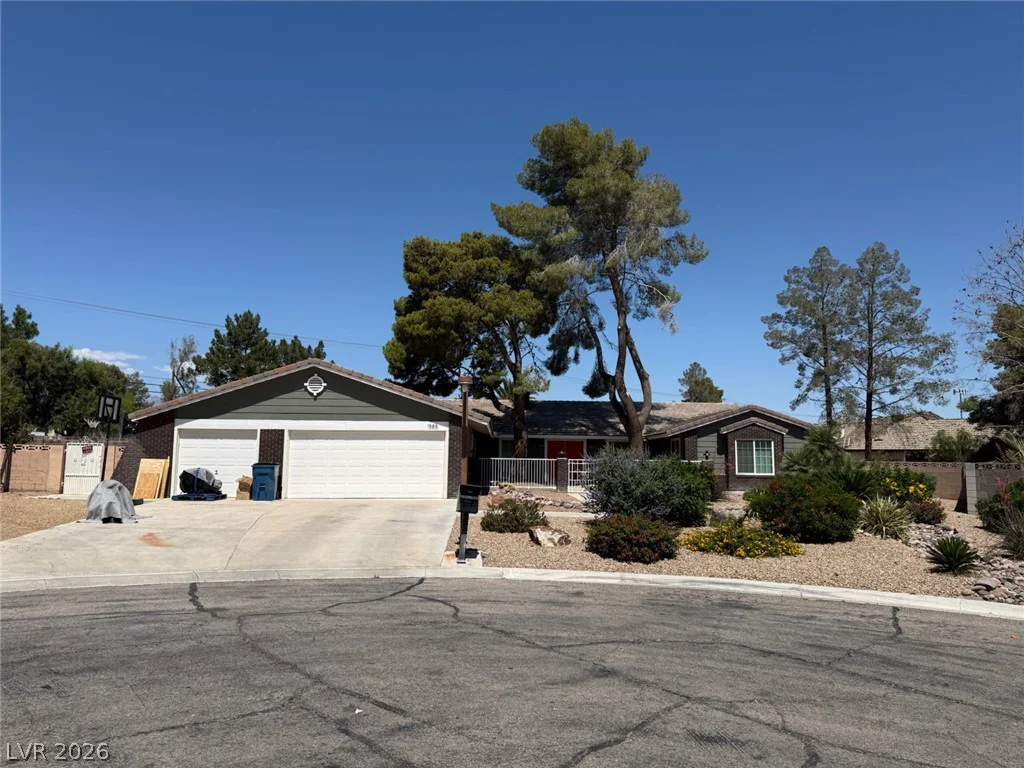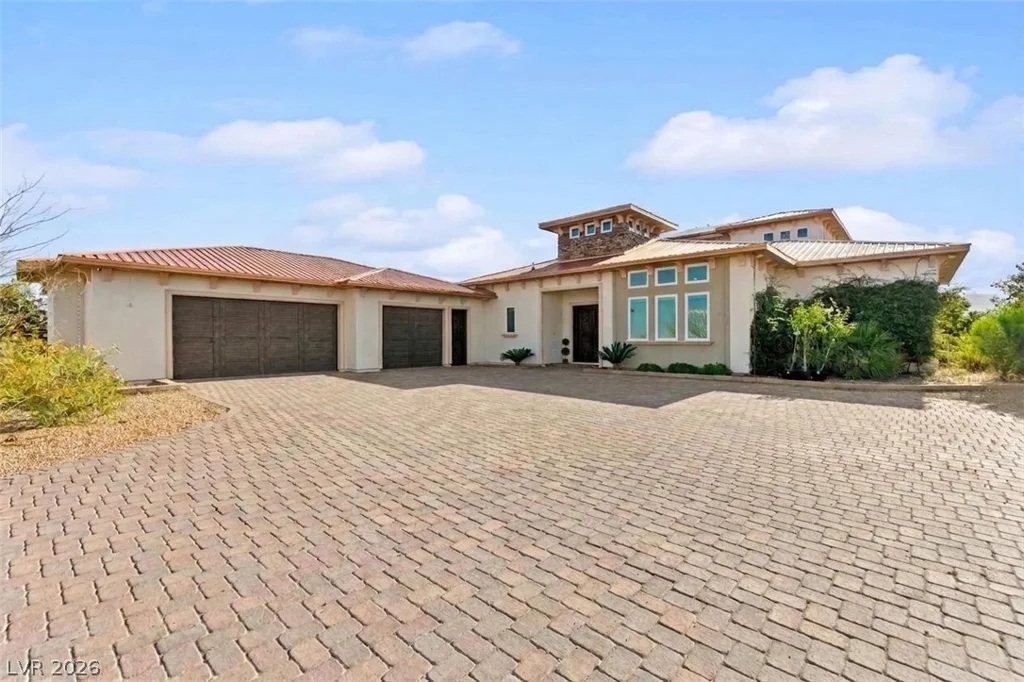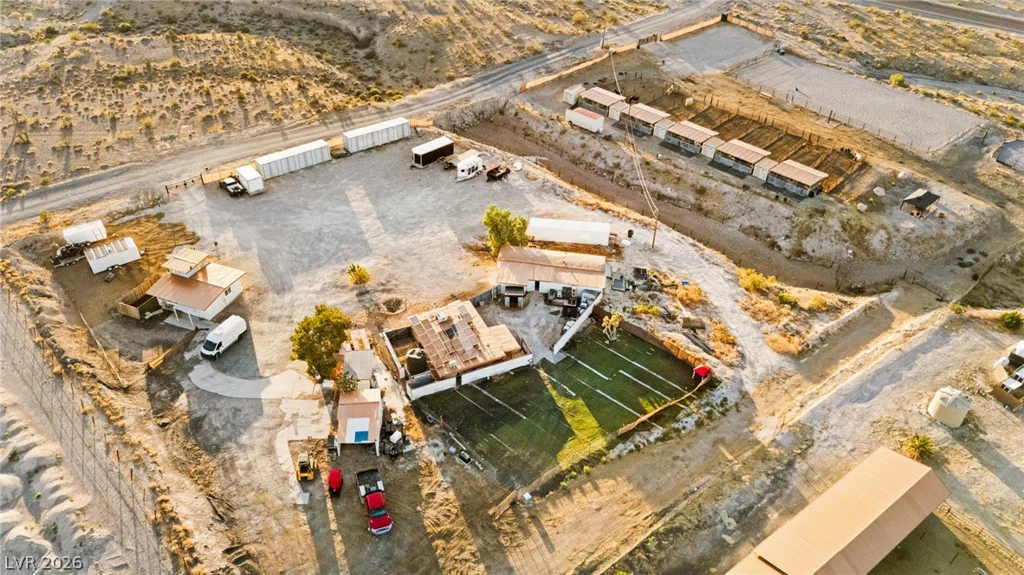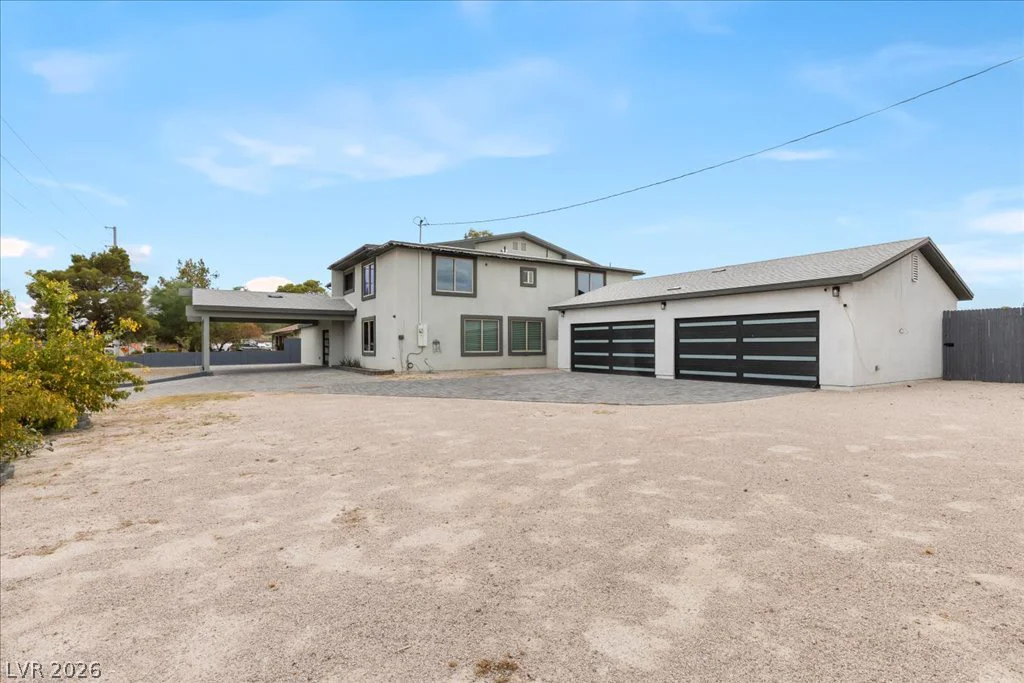
Across the Las Vegas Valley, where buyers filter and compare tens of thousands of active listings simultaneously, horse properties in Nevada require specific infrastructure — zoned acreage, water access, covered stabling, and lot configuration that supports equine care — that cannot be added to a standard residential lot and must be verified at the parcel level before any offer. Las Vegas’s scale — one of the most active resale markets in the American West — means feature premiums are well-documented, and the gap between a home that matches active search filters and one that doesn’t shows up directly in days-on-market and final sale price.
Why Horse Properties Matters in Las Vegas
Genuine horse property within the Las Vegas city limits is extremely rare and concentrated in a few older unincorporated areas — primarily the rural edges of the northwest valley near Lone Mountain. Most Las Vegas area horse property searches redirect to Pahrump, Moapa Valley, and rural Clark County, where lot sizes, water access, and agricultural zoning are genuinely compatible with equestrian use. Verify zoning at the county level before relying on any listing’s horse-property description.
What to Inspect Before You Make an Offer
- zoning confirmation for equestrian use at the county level
- corral and barn condition, materials, and capacity
- water access: well depth, recovery rate, and trough infrastructure
- pasture quality and fencing condition
- trailer access and maneuverability on the lot
The Most Common Buyer Mistake
Assuming ‘horse property’ is legally zoned for horses. In some areas, the term is used loosely for large lots. Verify zoning with the county before relying on the listing description.
Resale Perspective
Horse properties in Nevada sell to a specific, committed buyer pool — active equestrians who have searched for months and understand the replacement cost of compliant equine infrastructure. When the right buyer finds a properly configured horse property, they typically negotiate less aggressively than general market buyers. Las Vegas’s high transaction volume and buyer filter data make feature premiums more quantifiable here than in most markets — when buyers actively search for a specific feature, the homes that deliver it close faster and with less negotiation.
Cost Context
Horse property infrastructure — permitted stabling, water system, arena footing, and fencing — runs $40,000–$200,000+ to install from scratch on a properly zoned lot. Existing horse-ready properties are almost always more cost-efficient than retrofitting, and the zoning confirmation is the critical first step. Las Vegas metro labor rates have remained elevated since 2021 — get current contractor bids rather than relying on pre-2022 cost estimates that still circulate on renovation platforms.
Frequently Asked Questions
What should I look for when comparing Las Vegas horse properties?
Verify the parcel’s zoning allows equine use at the planned scale, confirm water availability and rights for animal use, and inspect stabling condition and fencing for code compliance. These are pre-offer verification items, not inspection contingencies. In Las Vegas, sub-market matters: Summerlin, Southwest Las Vegas, Henderson border communities, and the older central valley each have different pricing benchmarks, and the feature’s value should be compared within its specific corridor.
Do horse properties in Las Vegas hold their value at resale?
Horse properties in Nevada attract a committed buyer pool who has searched extensively — these buyers negotiate less aggressively because the feature combination (right zoning, water, infrastructure) is genuinely rare. The resale pool is narrow but motivated. Las Vegas’s high transaction volume and buyer filter data make feature premiums more quantifiable here than in most markets — when buyers actively search for a specific feature, the homes that deliver it close faster and with less negotiation.
Can Paola Z Living help me find horse properties in Las Vegas?
Paola Z Living’s approach for Las Vegas buyers starts with verifying zoning and equine use rights at the parcel level, confirming water access and rights for animal use, and identifying which listed properties have infrastructure that is actually compliant and functional versus informally arranged. That means comparing this feature across Las Vegas’s distinct corridors — Summerlin, Southwest, the 215 beltway communities, and older central Las Vegas — to ensure pricing is benchmarked against genuinely comparable inventory rather than valley-wide averages. For out-of-state buyers relocating to Las Vegas, we run the full process — virtual showings, comparative market analysis against current Las Vegas inventory, and offer coordination — remotely.