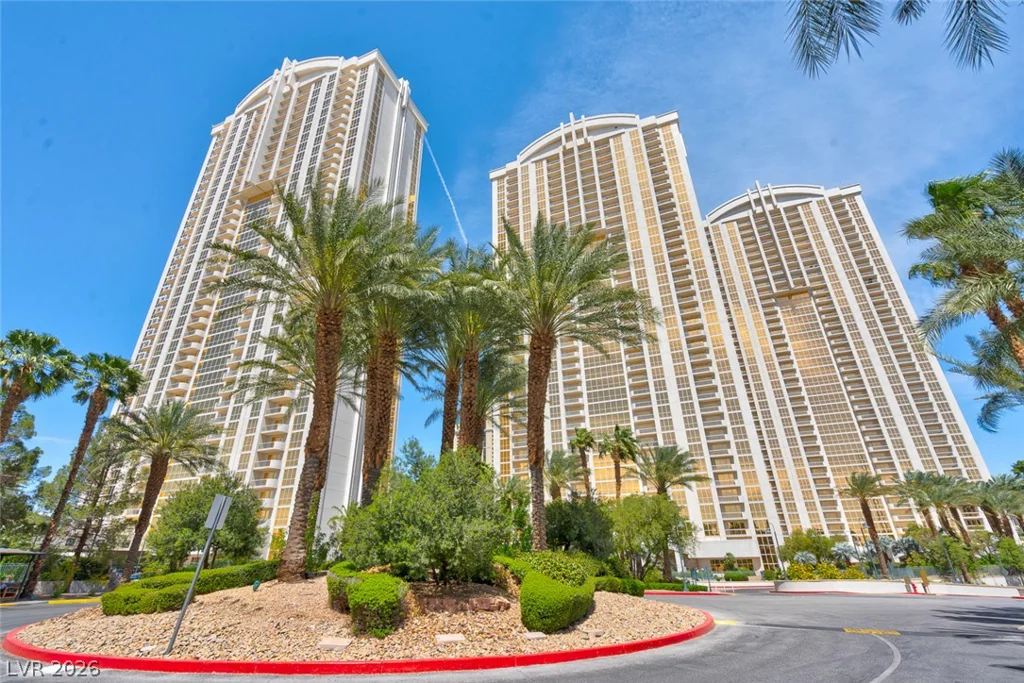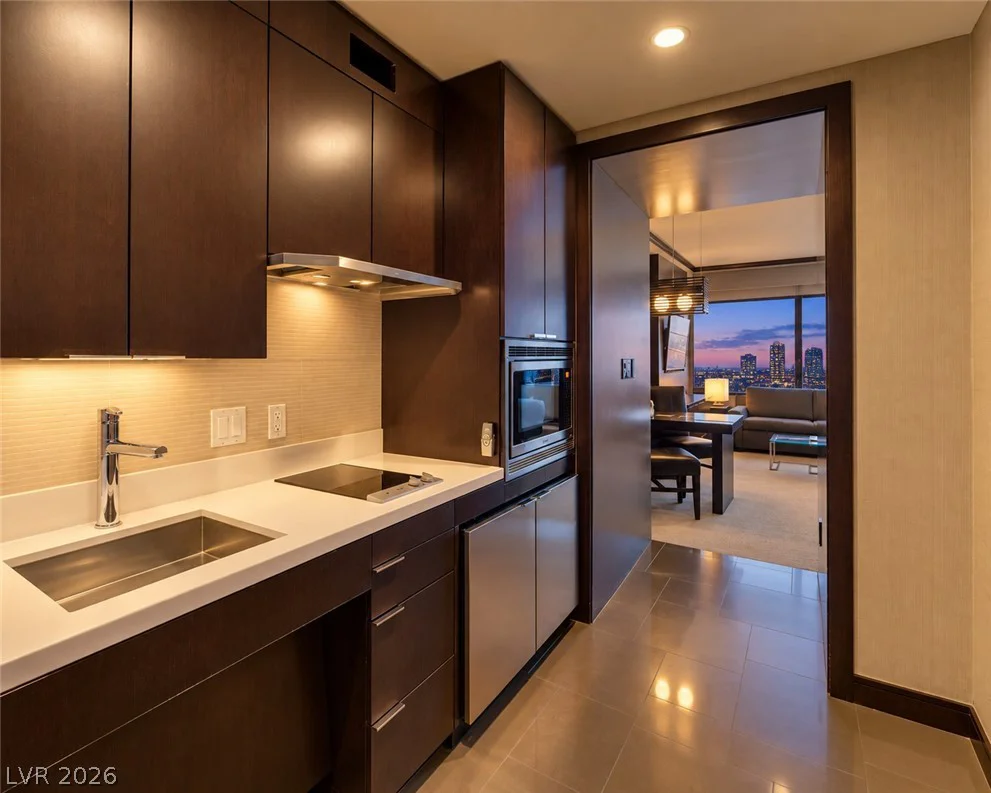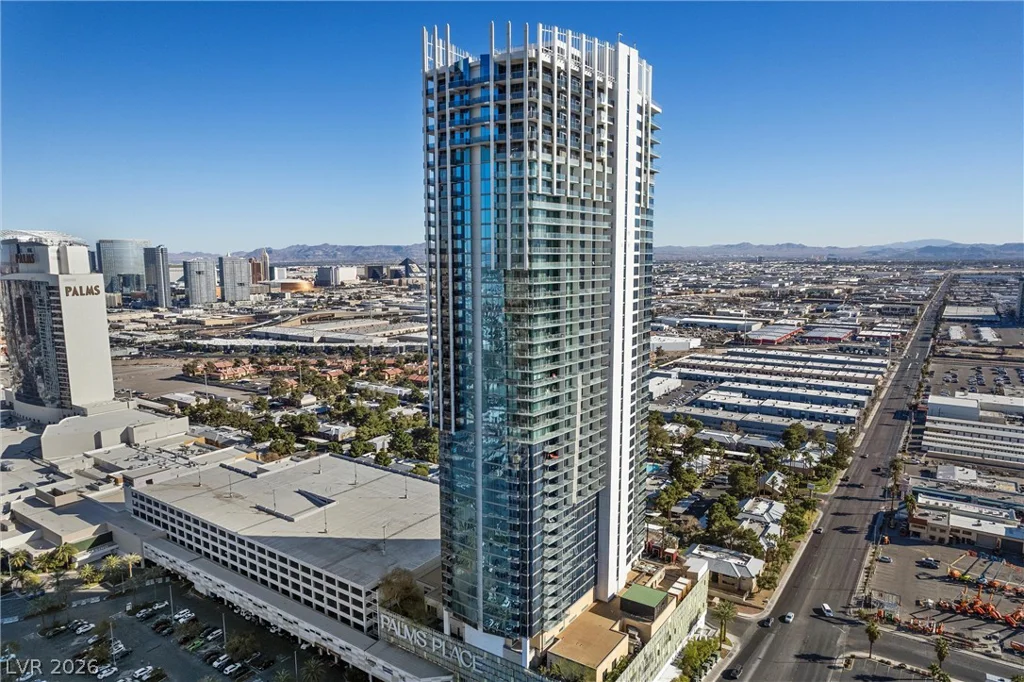
Across the Las Vegas Valley, where buyers filter and compare tens of thousands of active listings simultaneously, Nevada short-term rental income strategy requires Clark County business license, specific zoning clearance, and HOA CC&R compliance — without all three in writing, the income projection is not executable and should not be priced into the purchase. Las Vegas’s scale — one of the most active resale markets in the American West — means feature premiums are well-documented, and the gap between a home that matches active search filters and one that doesn’t shows up directly in days-on-market and final sale price.
Why Short-term Rental Potential Matters in Las Vegas
Las Vegas is one of the top short-term rental markets in the US, driven by year-round tourism, major conventions, F1 and other mega-events, and the entertainment district. But STR eligibility is highly regulated and location-dependent: Clark County and the City of Las Vegas have different licensing requirements, some jurisdictions prohibit STRs in residential zones, and most HOAs prohibit them outright. Verifying STR eligibility before closing is the single most important step for investment buyers.
What to Inspect Before You Make an Offer
- Clark County or City of Las Vegas STR license eligibility for the specific address
- HOA rules on short-term rentals — many communities prohibit them entirely
- bedroom and bathroom count relative to STR market demand
- proximity to the Strip, Convention Center, or major entertainment venues
- existing rental history or income projections from comparable listings
The Most Common Buyer Mistake
Purchasing for STR income without verifying that the specific address is eligible for a license. Clark County and city jurisdictions have different rules, and HOA prohibitions override local permissibility. Verify before closing.
Resale Perspective
Nevada short-term rental potential adds defensible resale value only when the property has documented Clark County licensing, HOA CC&R compliance, and a verifiable rental history. Unlicensed or HOA-prohibited STR operations add liability rather than equity. Las Vegas’s high transaction volume and buyer filter data make feature premiums more quantifiable here than in most markets — when buyers actively search for a specific feature, the homes that deliver it close faster and with less negotiation.
Cost Context
Clark County STR permitting requires business license, home inspection, and specific occupancy compliance. Platform fees (Airbnb, VRBO), Nevada hospitality taxes, and property management if used add 20–35% to gross revenue — verify net operating income assumptions against these real costs before valuing STR income. Las Vegas metro labor rates have remained elevated since 2021 — get current contractor bids rather than relying on pre-2022 cost estimates that still circulate on renovation platforms.
Frequently Asked Questions
What should I look for when comparing Las Vegas short-term rental potential?
Verify Clark County short-term rental permit status before any offer — Clark County requires a business license, and most Las Vegas area HOAs prohibit STRs in their CC&Rs regardless of county permits. All three must be in order for the strategy to be executable. In Las Vegas, sub-market matters: Summerlin, Southwest Las Vegas, Henderson border communities, and the older central valley each have different pricing benchmarks, and the feature’s value should be compared within its specific corridor.
Do short-term rental potential in Las Vegas hold their value at resale?
Nevada STR potential adds equity only when documented compliance exists — Clark County licensing, HOA clearance, and verifiable rental history. Without these, the income projection adds liability rather than value. Las Vegas’s high transaction volume and buyer filter data make feature premiums more quantifiable here than in most markets — when buyers actively search for a specific feature, the homes that deliver it close faster and with less negotiation.
Can Paola Z Living help me find short-term rental potential in Las Vegas?
Paola Z Living’s approach for Las Vegas buyers starts with verifying STR compliance at county and HOA levels before any offer, reviewing actual rental history if available, and comparing STR-marketed properties against their conventional rental income potential as a risk-adjusted benchmark. That means comparing this feature across Las Vegas’s distinct corridors — Summerlin, Southwest, the 215 beltway communities, and older central Las Vegas — to ensure pricing is benchmarked against genuinely comparable inventory rather than valley-wide averages. For out-of-state buyers relocating to Las Vegas, we run the full process — virtual showings, comparative market analysis against current Las Vegas inventory, and offer coordination — remotely.