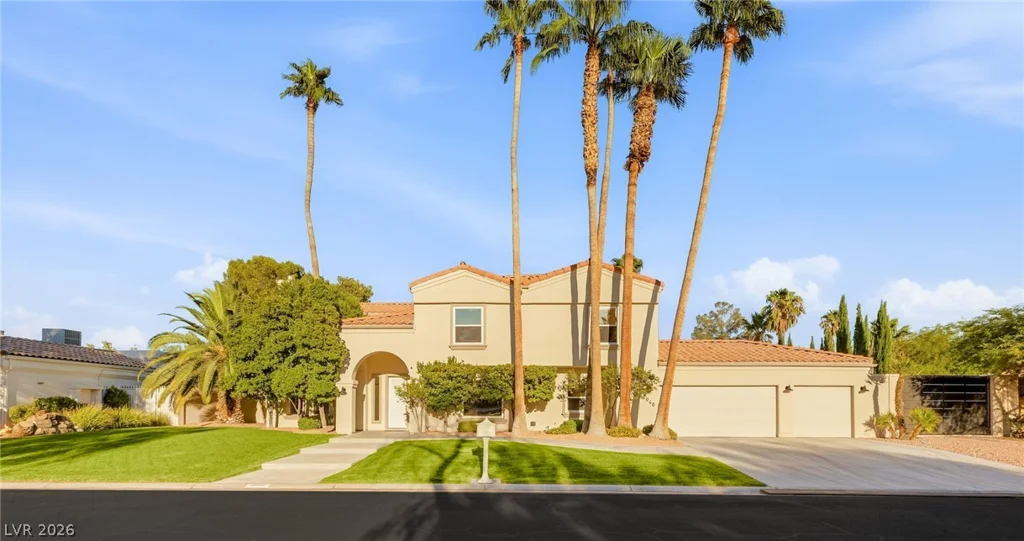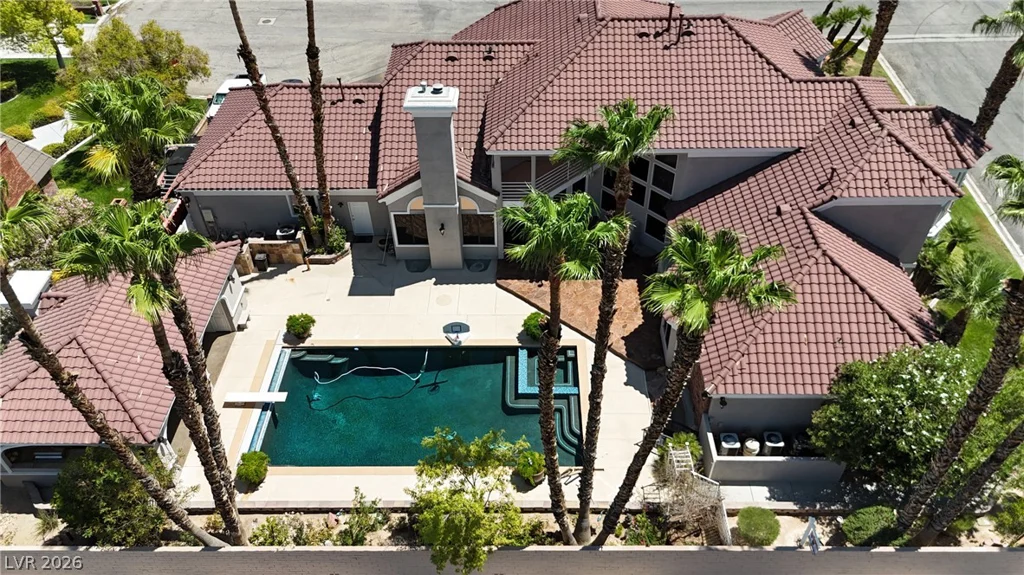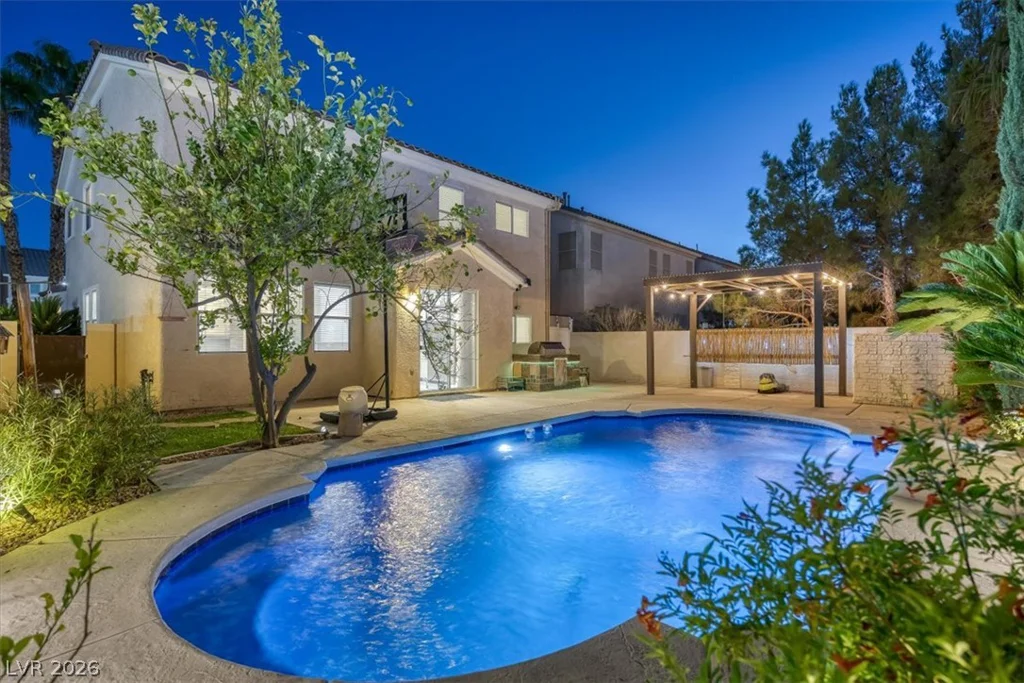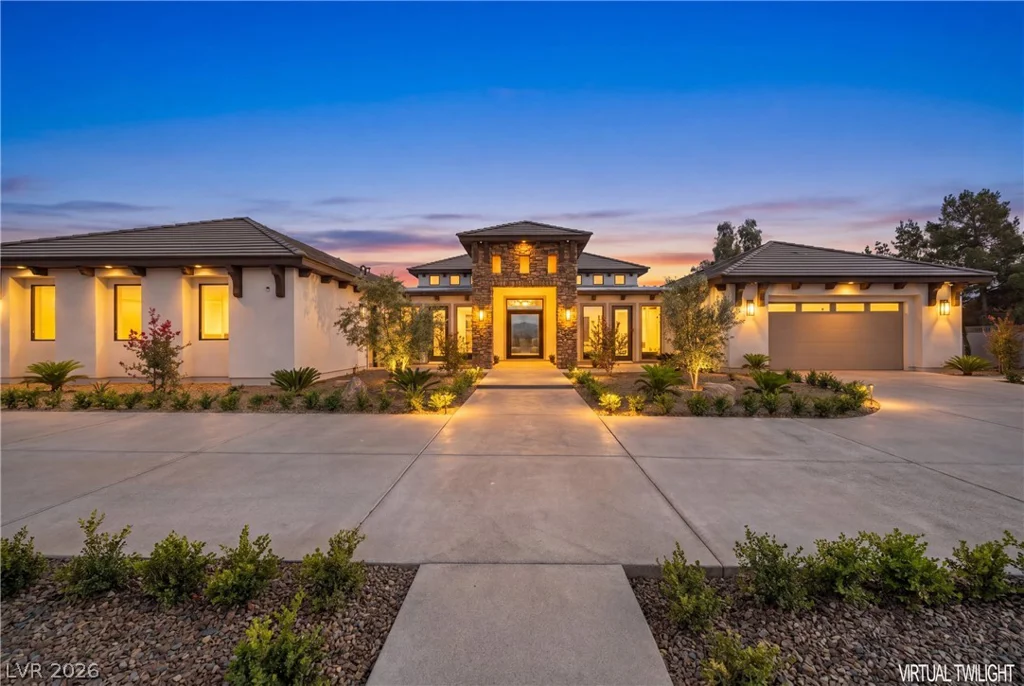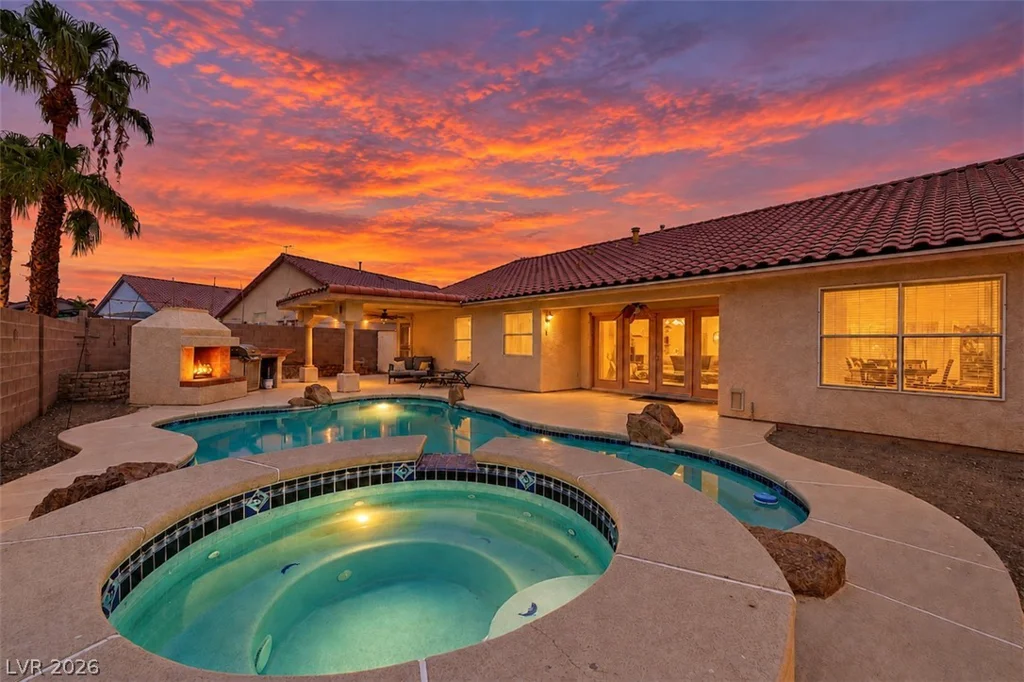
Across the Las Vegas Valley, where buyers filter and compare tens of thousands of active listings simultaneously, a heated pool in Nevada extends the usable swimming season from roughly five summer months to near-year-round — October through April water temperatures require heating to be swimmable, and for buyers who purchased specifically for year-round aquatic use, this feature is the decisive differentiator. Las Vegas’s scale — one of the most active resale markets in the American West — means feature premiums are well-documented, and the gap between a home that matches active search filters and one that doesn’t shows up directly in days-on-market and final sale price.
Why Heated Pools Matter in Las Vegas
A heated pool in Las Vegas extends the usable swimming season from roughly 4 months to 7–8 months — making the shoulder seasons of March-April and October-November genuinely swimmable rather than too cold for most people. Gas heaters are the most common configuration and the fastest to heat; heat pumps are more energy efficient but slower to reach temperature. The most functional setup is an app-controlled gas or hybrid heater that can be activated remotely so the pool is ready when you want it.
What to Inspect Before You Make an Offer
- heater type: gas (fastest heating, higher operating cost) vs heat pump (efficient, slower heating)
- heater age and service condition — gas heaters last 8–12 years, heat pumps 10–15 years
- automation: can the pool be heated remotely via app?
- utility cost estimate based on heater type and local gas/electric rates
- whether the spa is also heated by the same system
The Most Common Buyer Mistake
Assuming the listed heater works correctly. Run the heater during your inspection visit and verify it reaches temperature. Heater replacement runs $2,500–$5,000 for gas, $3,500–$7,000 for heat pump.
Resale Perspective
Heated pools in Nevada provide the year-round access that standard pools cannot — extending the usable season from May-September to effectively twelve months. The equity premium over an unheated pool is modest as a standalone resale driver but meaningful for buyers targeting year-round use. Las Vegas’s high transaction volume and buyer filter data make feature premiums more quantifiable here than in most markets — when buyers actively search for a specific feature, the homes that deliver it close faster and with less negotiation.
Cost Context
Pool heating in Nevada runs $150–$400/month in natural gas for a gas heater during October through March, or roughly $80–$160/month for a heat pump over the same period. The annual operating cost difference between heat sources is $1,200–$2,400, which factors into total ownership comparisons. Las Vegas metro labor rates have remained elevated since 2021 — get current contractor bids rather than relying on pre-2022 cost estimates that still circulate on renovation platforms.
Frequently Asked Questions
What should I look for when comparing Las Vegas homes with heated pools?
Confirm the heat source type — gas heater, heat pump, or solar thermal — because operating cost and heat-up time differ substantially. Verify heater age and service history; Las Vegas hard water accelerates heat exchanger wear. In Las Vegas, sub-market matters: Summerlin, Southwest Las Vegas, Henderson border communities, and the older central valley each have different pricing benchmarks, and the feature’s value should be compared within its specific corridor.
Does having heated pools meaningfully affect resale value in Las Vegas?
Heated pools extend Nevada’s swimming season to near-year-round. The equity premium over an unheated pool is modest as a resale driver but significant for buyers targeting year-round aquatic use who would otherwise face heater retrofit cost. Las Vegas’s high transaction volume and buyer filter data make feature premiums more quantifiable here than in most markets — when buyers actively search for a specific feature, the homes that deliver it close faster and with less negotiation.
Can Paola Z Living help me find Las Vegas homes with heated pools?
Paola Z Living’s approach for Las Vegas buyers starts with confirming heat source type and operational status, reviewing utility bills for months when heating is active, and comparing heated pool listings against pool-only inventory to verify the asking premium reflects actual heater value. That means comparing this feature across Las Vegas’s distinct corridors — Summerlin, Southwest, the 215 beltway communities, and older central Las Vegas — to ensure pricing is benchmarked against genuinely comparable inventory rather than valley-wide averages. For out-of-state buyers relocating to Las Vegas, we run the full process — virtual showings, comparative market analysis against current Las Vegas inventory, and offer coordination — remotely.