Across the Las Vegas Valley, where buyers filter and compare tens of thousands of active listings simultaneously, community pool access provides outdoor water use without the $45,000–$90,000 installation cost and ongoing $3,600–$6,000 annual maintenance of a private pool — but the value depends entirely on the HOA’s maintenance funding and how many residents share the facility. Las Vegas’s scale — one of the most active resale markets in the American West — means feature premiums are well-documented, and the gap between a home that matches active search filters and one that doesn’t shows up directly in days-on-market and final sale price.
Why Community Pools Matter in Las Vegas
For Las Vegas buyers who want water access without the $15,000–$25,000 annual cost of private pool ownership — maintenance, chemicals, insurance, equipment — a community pool HOA is often the financially smarter choice. The trade-off is scheduling flexibility and shared use, which is why the pool-to-home ratio in a specific community matters more than whether a pool exists at all.
What to Inspect Before You Make an Offer
- HOA dues and what specifically they cover
- pool hours, guest policies, and reservation requirements
- distance from the home to the pool
- number of homes sharing the amenity
- maintenance history and cleanliness standards
The Most Common Buyer Mistake
Assuming ‘community pool’ means convenient pool access. A development with 800 homes and two pools during a Las Vegas summer weekend can mean long waits and no available chairs.
Resale Perspective
Community pool access consistently ranks among the top-searched amenities in Nevada buyer searches. Homes in communities with well-maintained, adequately sized pool facilities tend to show faster days-on-market, particularly in the entry-to-mid price tiers where private pool installation is out of reach. Las Vegas’s high transaction volume and buyer filter data make feature premiums more quantifiable here than in most markets — when buyers actively search for a specific feature, the homes that deliver it close faster and with less negotiation.
Cost Context
HOA fees covering community pools in Nevada range from $50 to $300+/month. The most important cost distinction is whether the HOA reserve funding for pool equipment is adequate — underfunded reserves often lead to special assessments or deferred maintenance that reduces the amenity’s value. Las Vegas metro labor rates have remained elevated since 2021 — get current contractor bids rather than relying on pre-2022 cost estimates that still circulate on renovation platforms.
How Community Pools Actually Work in Las Vegas Neighborhoods
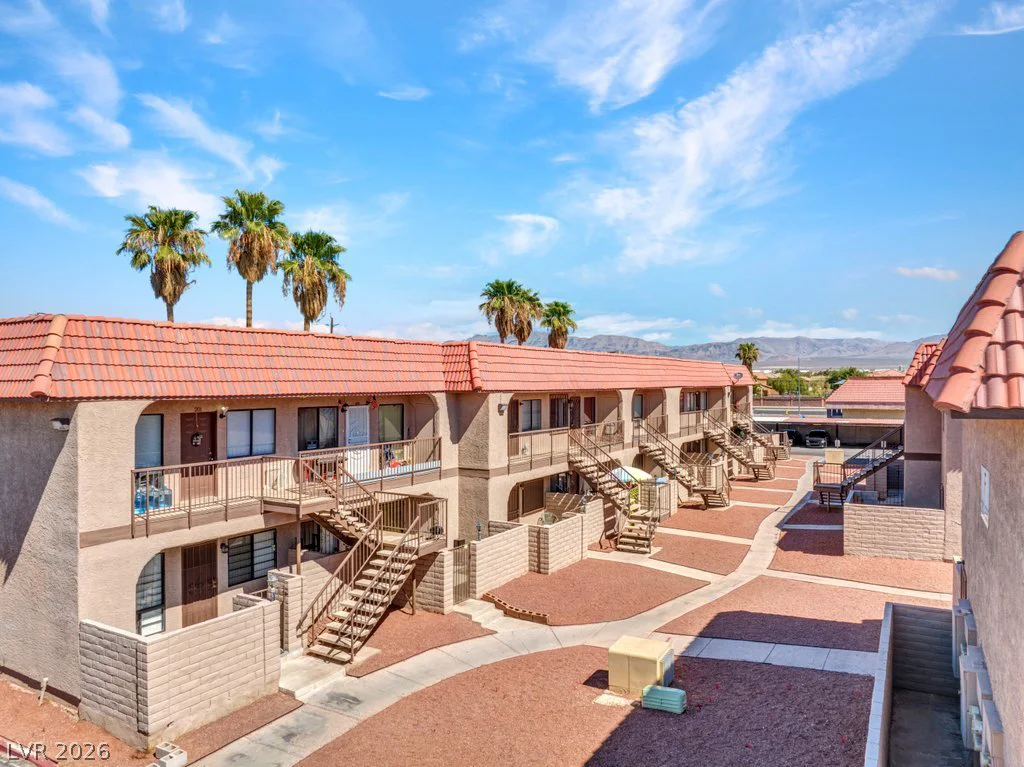
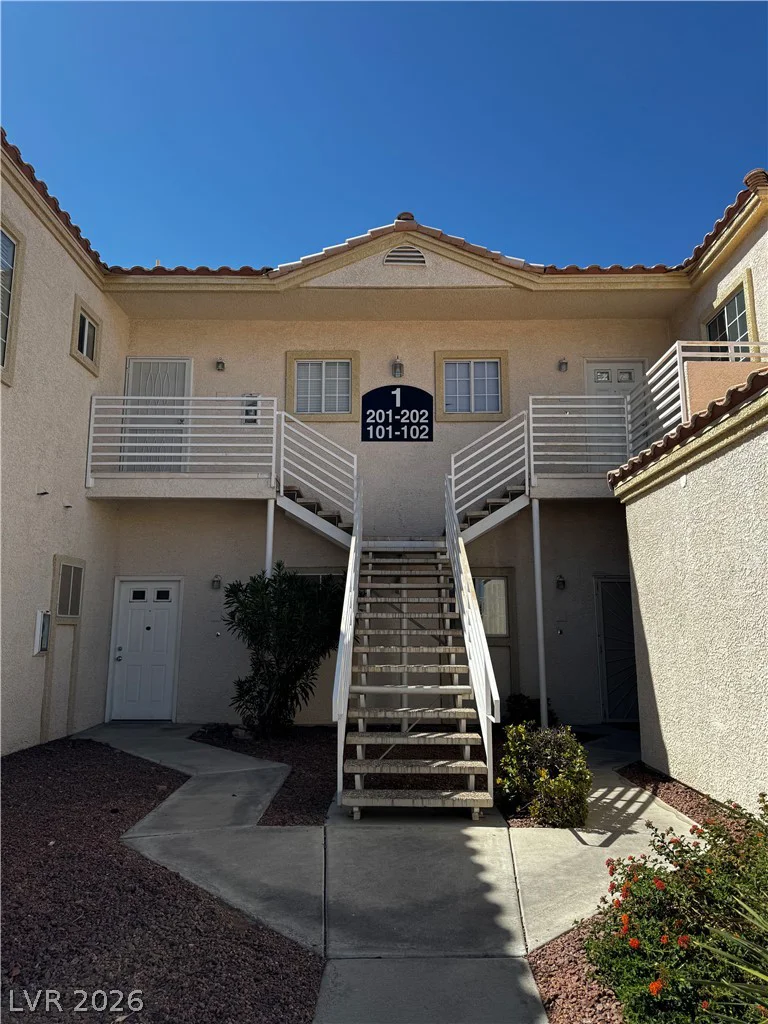
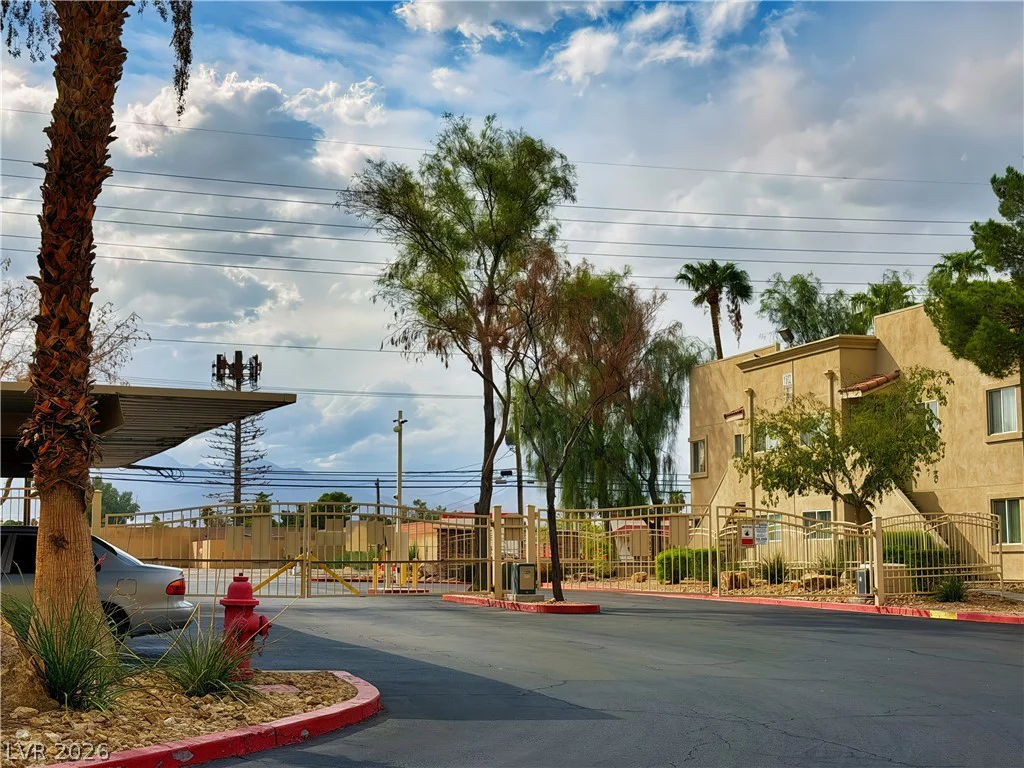
Las Vegas HOA communities vary dramatically in pool-to-home ratios. Larger master-planned communities like Summerlin and Green Valley Ranch have multiple pools distributed across sub-neighborhoods, so distance from your home genuinely varies. Some newer communities in the southwest corridor built after 2015 have resort-style pool complexes that rival private pools for usability. Older central Las Vegas HOAs from the 1980s and 1990s sometimes maintain single small pools shared by 200+ homes — functional but crowded on summer weekends. The key question to ask the listing agent: how many homes share the pool closest to this property?
Frequently Asked Questions
What should I look for when comparing Las Vegas homes with community pools?
Ask the HOA for the resident-to-pool-capacity ratio and pool maintenance reserve funding. During peak Nevada summer — Memorial Day through Labor Day — this ratio determines whether the pool is a usable amenity or a crowded liability. In Las Vegas, sub-market matters: Summerlin, Southwest Las Vegas, Henderson border communities, and the older central valley each have different pricing benchmarks, and the feature’s value should be compared within its specific corridor.
Does having community pools meaningfully affect resale value in Las Vegas?
Community pool access consistently drives buyer search filtering across Nevada. The value holds most reliably when the HOA has adequate reserves and the resident-to-capacity ratio allows practical access during peak summer months. Las Vegas’s high transaction volume and buyer filter data make feature premiums more quantifiable here than in most markets — when buyers actively search for a specific feature, the homes that deliver it close faster and with less negotiation.
Can Paola Z Living help me find Las Vegas homes with community pools?
Paola Z Living’s approach for Las Vegas buyers starts with requesting HOA pool maintenance records and reserve funding documentation, verifying the resident-to-capacity ratio for peak-season access, and identifying communities with well-funded reserves versus deferred maintenance. That means comparing this feature across Las Vegas’s distinct corridors — Summerlin, Southwest, the 215 beltway communities, and older central Las Vegas — to ensure pricing is benchmarked against genuinely comparable inventory rather than valley-wide averages. For out-of-state buyers relocating to Las Vegas, we run the full process — virtual showings, comparative market analysis against current Las Vegas inventory, and offer coordination — remotely.