Why Stainless Steel Appliances Matter in Green Valley
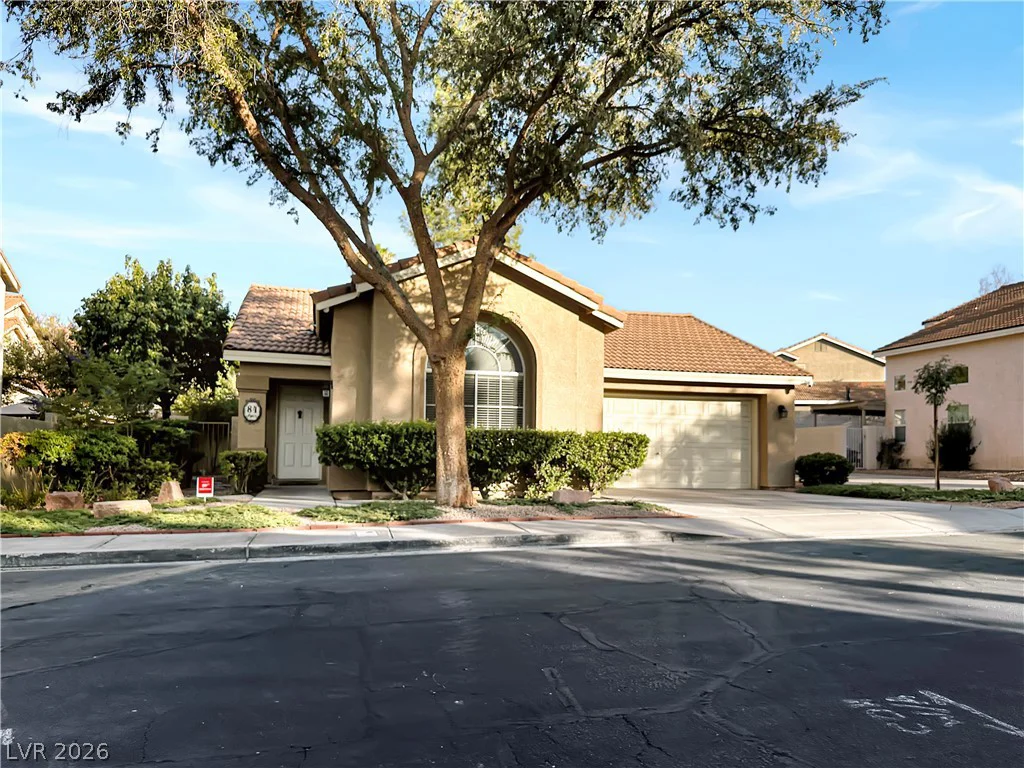
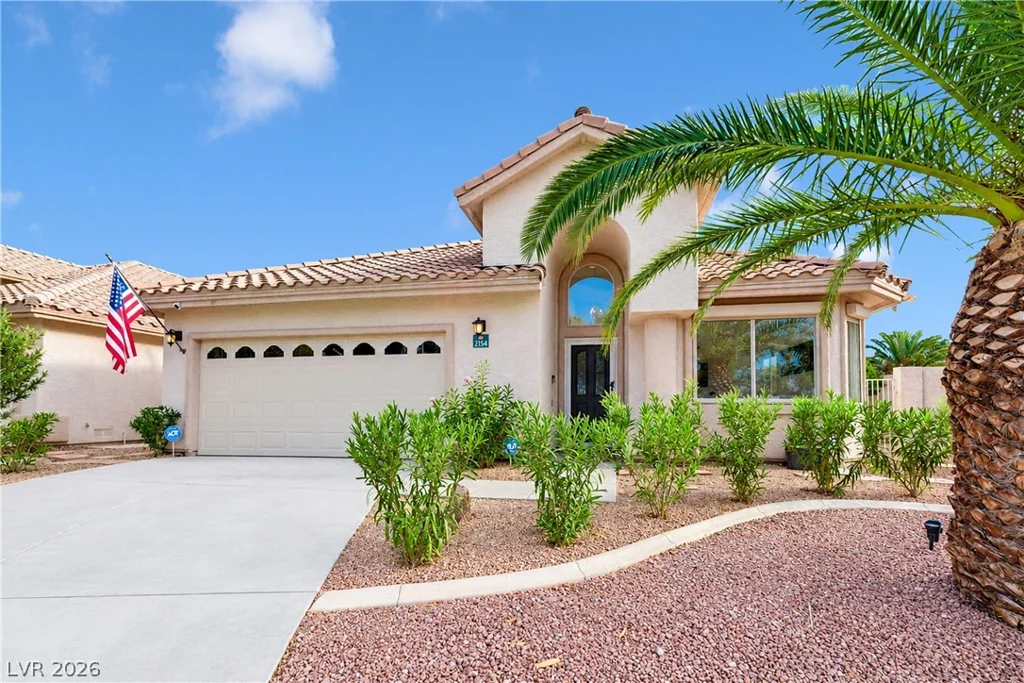
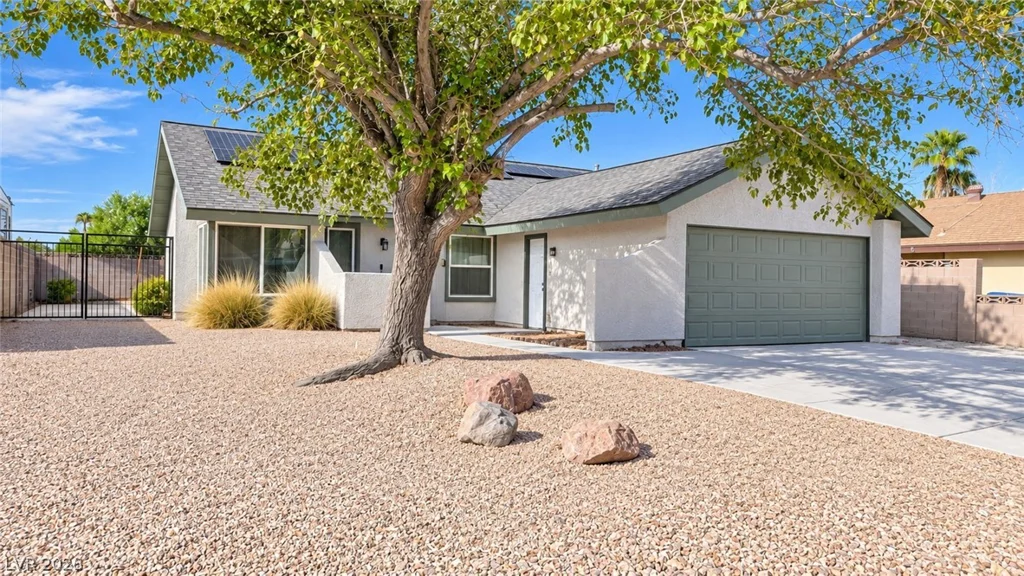
Stainless appliances photograph well, but in a Green Valley kitchen that may not have been fully renovated since the home was built in the late 1980s or 1990s, they can also be the easiest way for a seller to make an older kitchen look move-in ready without addressing the bigger picture. Buyers touring homes near the District at Green Valley Ranch often find a kitchen with a brand-new stainless range or refrigerator sitting inside cabinetry, layout, and electrical that haven’t changed since the original build. For move-up families drawn to Green Valley’s mature streets and established feel, that’s not necessarily a dealbreaker—but it does mean the appliances themselves should be the last thing evaluated, not the first, when judging whether a kitchen is truly updated or just freshly accessorized.
What to Inspect Before You Make an Offer
- Check whether the kitchen’s electrical outlets and circuit capacity can actually support newer high-draw appliances, since original 1980s-1990s wiring wasn’t always sized for modern ranges or built-in microwaves.
- Look behind and underneath appliances for signs of water damage from older supply lines, particularly if the kitchen still has any original galvanized plumbing feeding the refrigerator or dishwasher.
- Inspect cabinet boxes and drawer mechanisms separately from the appliances—original cabinetry from this era often shows wear that new appliances can mask in photos.
- Confirm gas line condition and shutoff valve age if the range is gas-powered, since original gas fittings from decades-old construction sometimes need updating to meet current standards.
- Check the counter and backsplash for cutouts or modifications made to fit newer appliance dimensions, which can indicate rushed installation work.
The Most Common Buyer Mistake in Green Valley
The most common mistake is letting a kitchen full of shiny new stainless appliances overshadow questions about the home’s major systems—HVAC age, roof condition, and plumbing material. In Green Valley, a seller who’s invested in appliance upgrades just before listing may not have addressed less visible but more expensive items, so buyers should treat a stainless kitchen as one data point, not a signal that the whole home has been brought current.
Resale Perspective & Market Reality
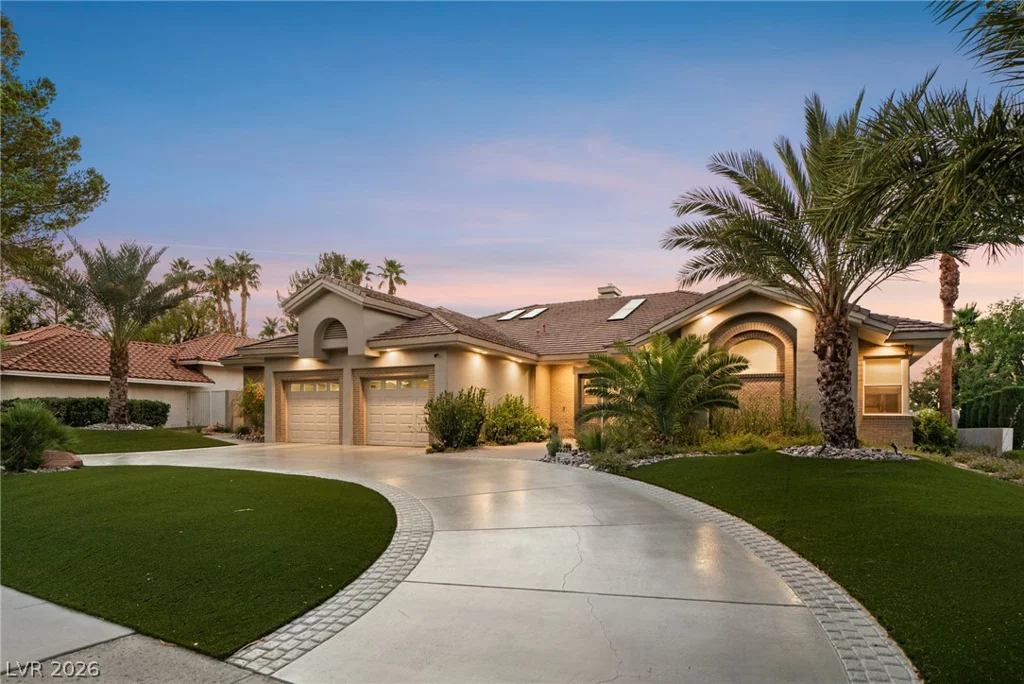
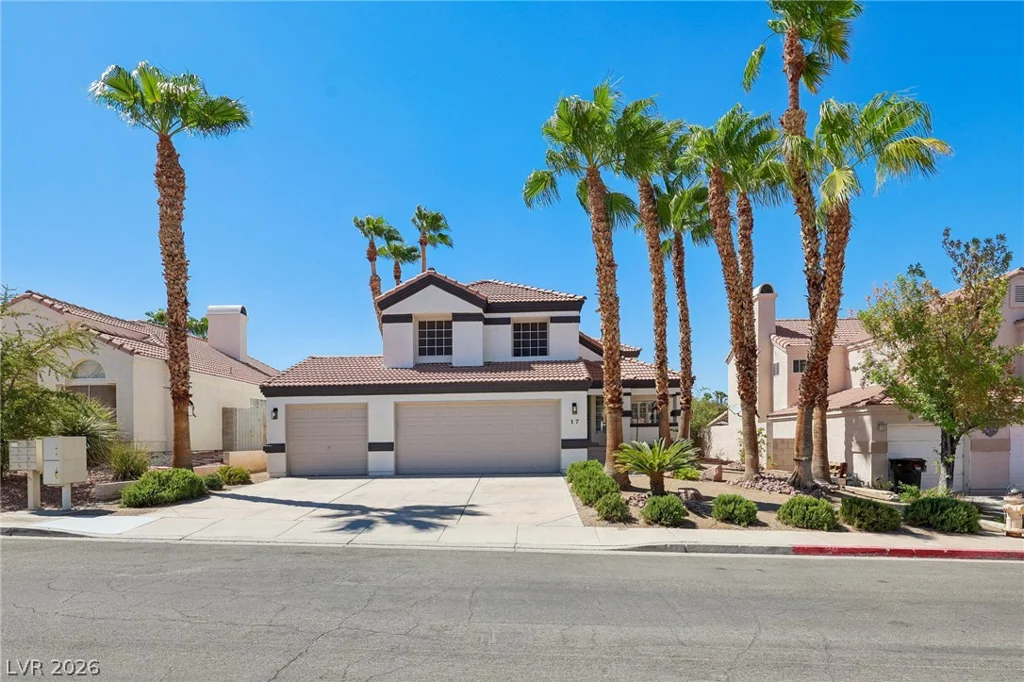
Updated stainless appliances paired with genuinely renovated cabinetry and counters can meaningfully shorten days-on-market in Green Valley, especially for buyers comparing this home against Green Valley homes with 3-car garages who want a full move-in-ready package. However, homes where new appliances sit alongside obviously dated cabinetry sometimes take longer to sell, as buyers sense a partial update and price accordingly.
Local Cost Context
A full kitchen renovation in the Henderson area, including cabinetry, counters, and appliances, represents a significant investment, while appliance-only swaps are comparatively affordable—which is exactly why sellers often choose the latter. Green Valley’s comparatively modest HOA dues and lighter architectural review compared to newer master-plans mean that any exterior changes related to kitchen ventilation or electrical service upgrades tend to move through approval without the delays seen in stricter communities.
Frequently Asked Questions
How can I tell if a Green Valley kitchen’s electrical was updated along with the appliances?
Check the home’s electrical panel for a permit sticker or recent labeling, and ask whether dedicated circuits were added for the range, microwave, or dishwasher, since original 1980s-1990s panels often need supplemental circuits to safely run modern stainless appliances.
Are gas ranges common in Green Valley’s older homes, and do they need updating?
Many Green Valley homes were built with gas cooking, and while the appliance itself may be new, it’s worth having a plumber inspect the gas line and shutoff valve, since fittings from the original construction era can develop wear that isn’t visible without removing the range.