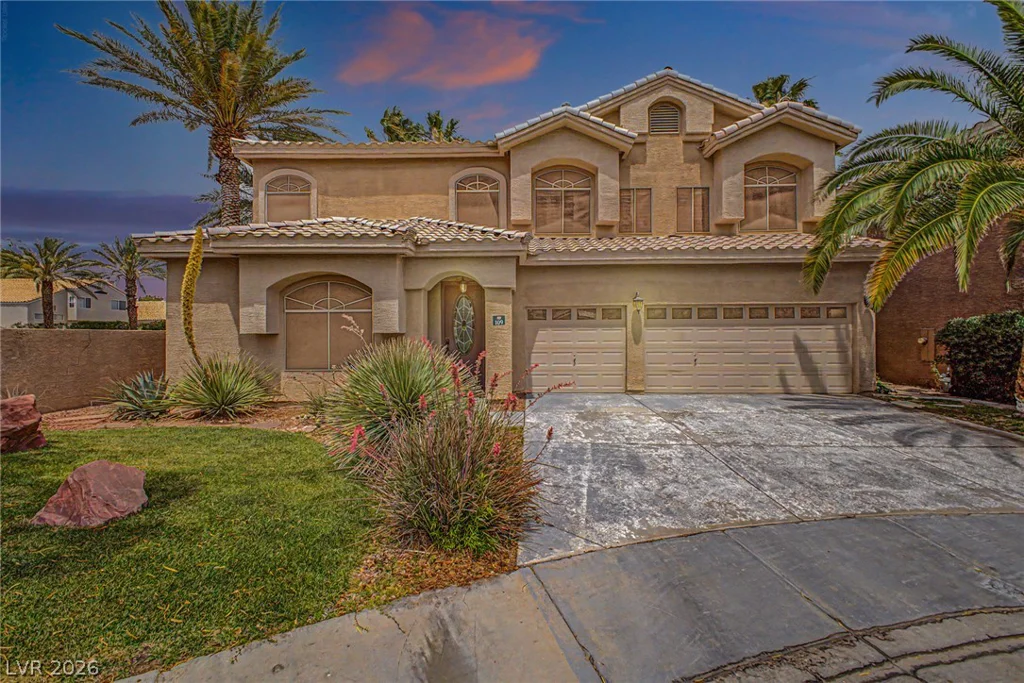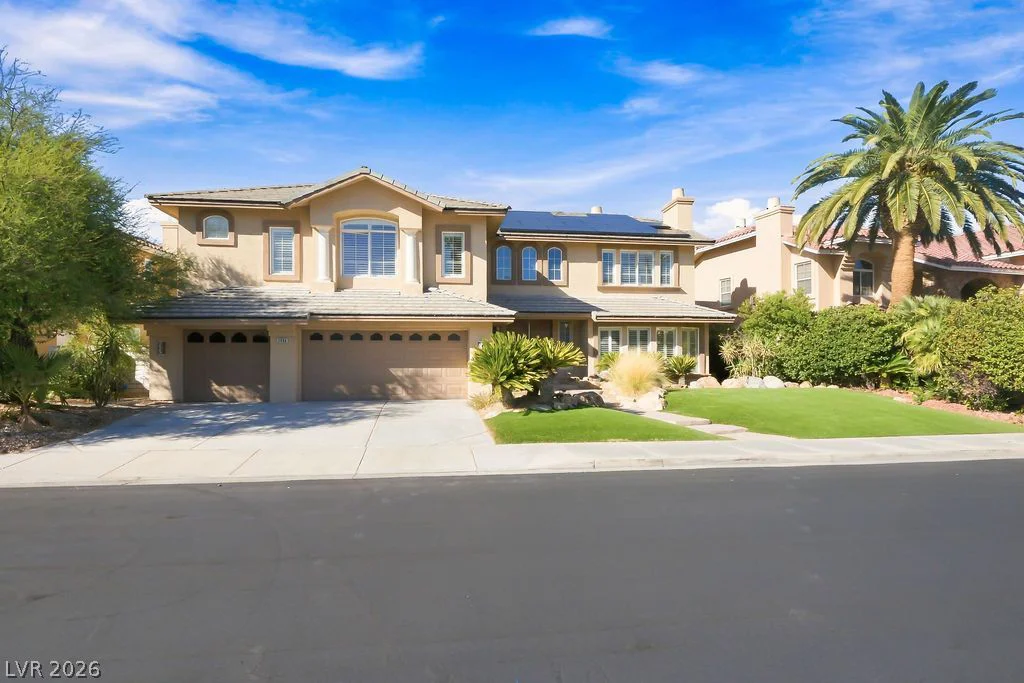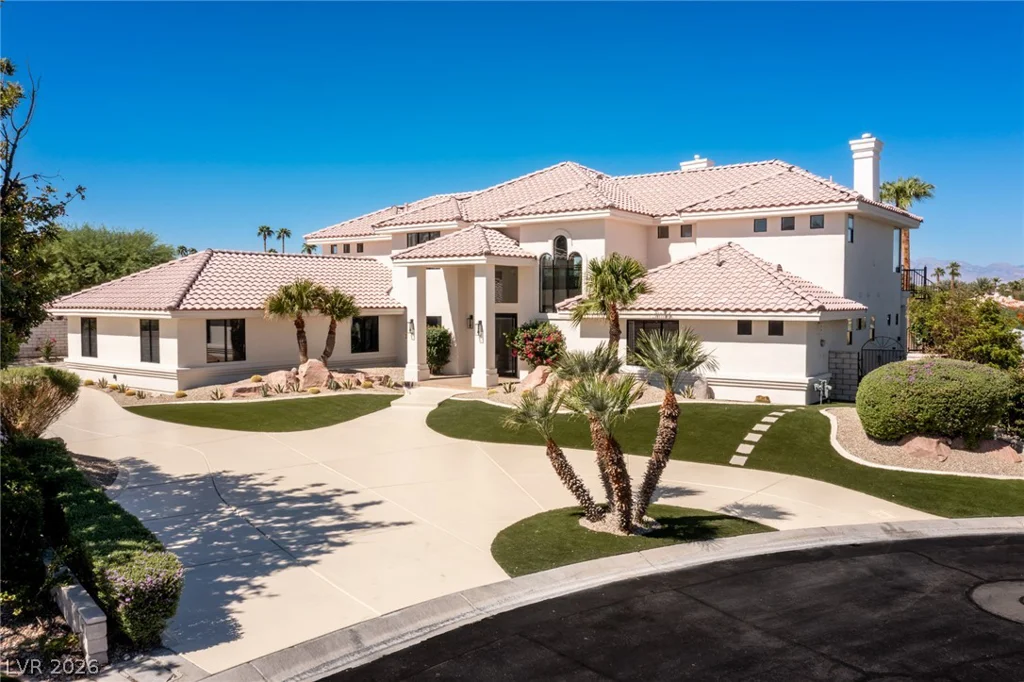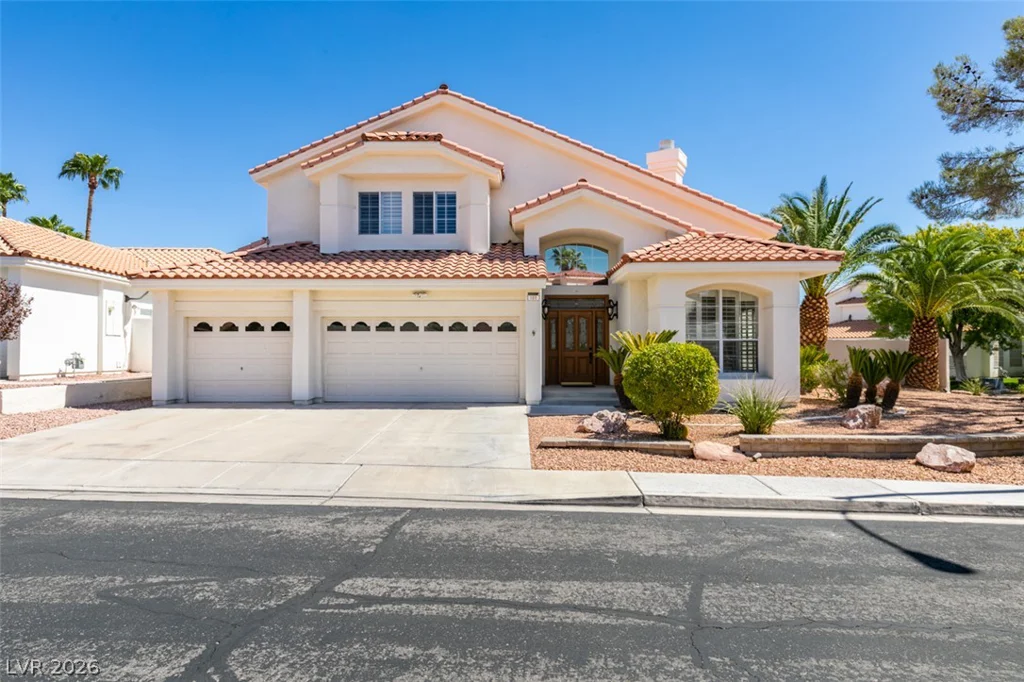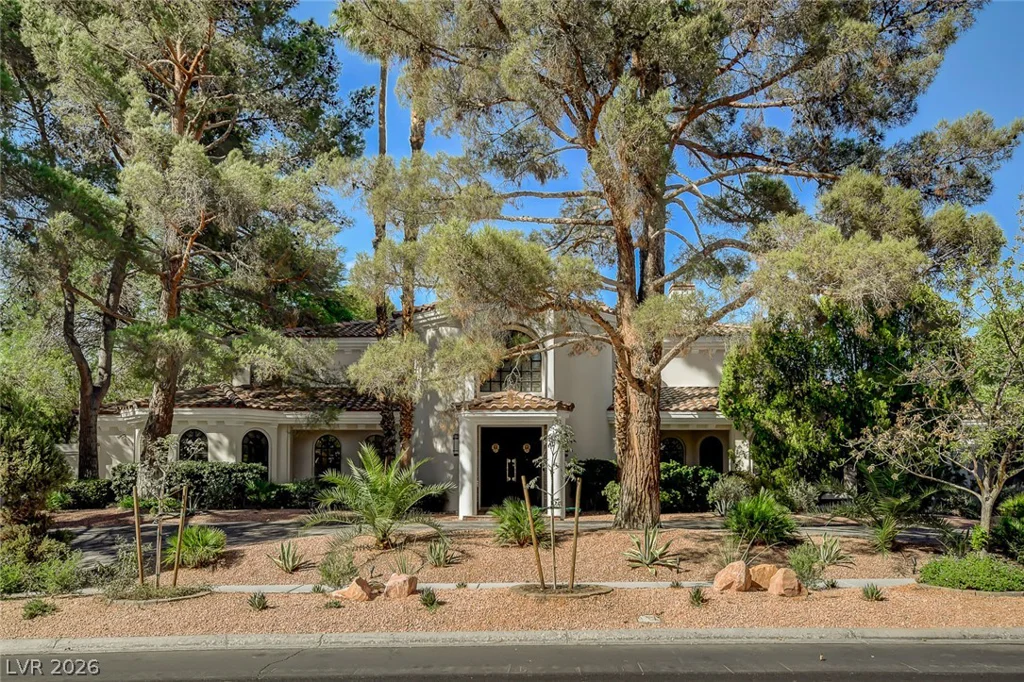
Why 3-Car Garages Matter in Green Valley
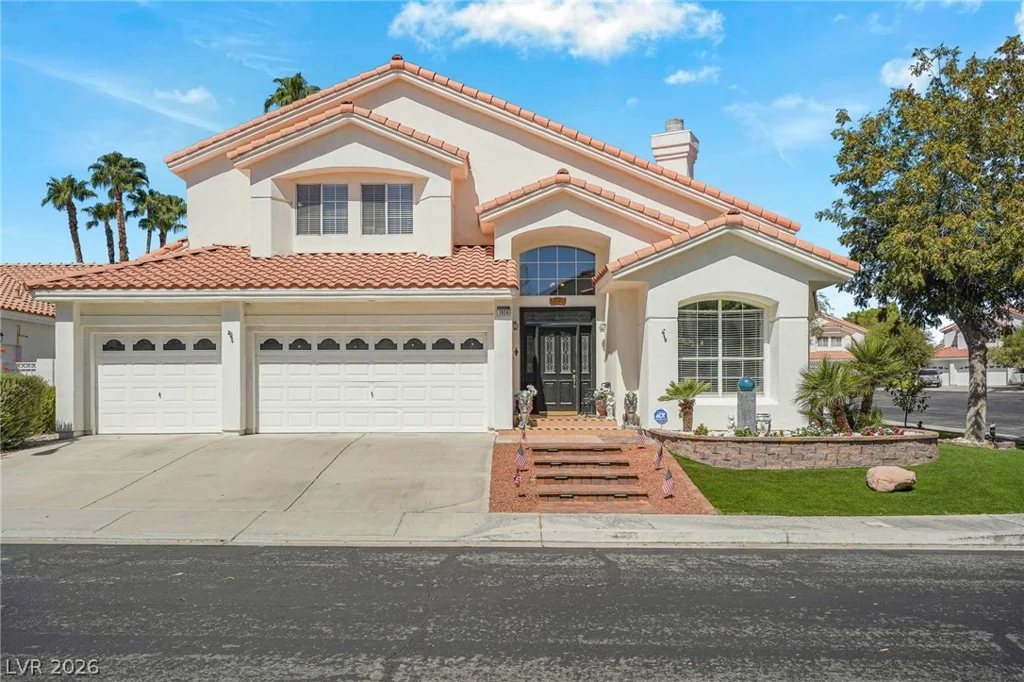
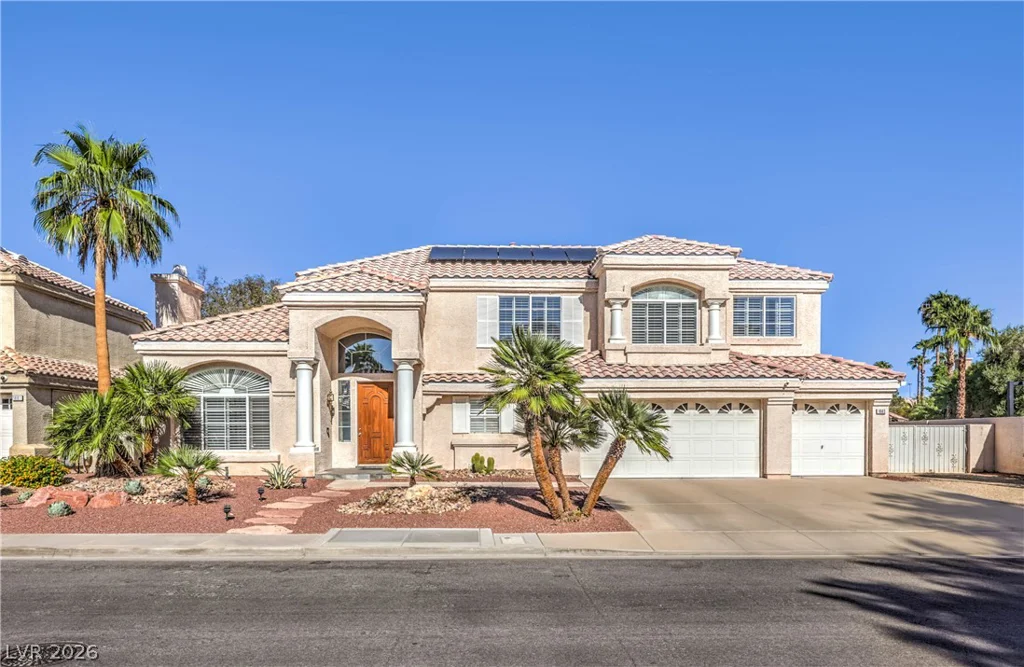
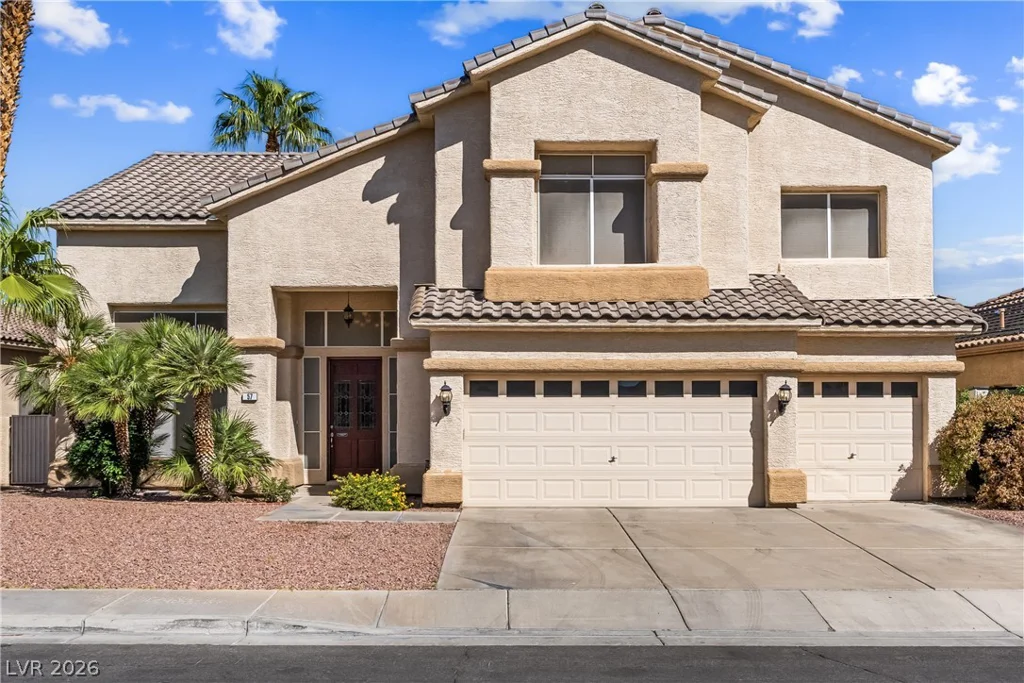
A third garage bay solves a problem that’s especially common in Green Valley: where do you put the extra vehicle, the golf cart, or the woodworking bench when your lot was platted in 1988 with a driveway sized for two cars? Homes with three-car garages near the District at Green Valley Ranch tend to attract move-up families who’ve outgrown a starter home elsewhere in Henderson but want to stay close to established schools, mature streetscapes, and shorter commutes than newer communities on the valley’s edge can offer. Because so much of Green Valley’s housing stock dates to the late 1980s and 1990s, the third bay is sometimes a later addition rather than part of the original footprint, which changes how it should be evaluated—not just for size, but for whether it was built to match the home’s structure, roofline, and foundation in a way that holds up decades later.
What to Inspect Before You Make an Offer
- Measure the garage interior dimensions yourself rather than relying on listing descriptions, since “three-car” sometimes means a tandem configuration that won’t fit three full-size vehicles.
- If the third bay appears to be an addition, check where its foundation meets the original slab—differential settling between old and new concrete is common after thirty-plus years, especially near mature trees with large root systems.
- Inspect the garage roof tie-in to the main structure for signs of water intrusion where two roof sections meet, a frequent issue on additions from this era.
- Check for any original electrical wiring extended into the third bay, and confirm it meets current capacity needs if you plan to add an EV charger or workshop equipment.
- Review driveway concrete for cracking or heaving near large trees, since root growth from established landscaping can lift slabs over a thirty-year span.
The Most Common Buyer Mistake in Green Valley
The mistake buyers make most often is assuming the third bay will function as a true vehicle space when it’s actually been used for storage, a home gym, or a workshop for years—and was never built with a garage door wide enough or a floor rated for daily vehicle traffic. In Green Valley, where many of these third bays were retrofitted decades ago, it pays to ask directly whether the space has a functioning garage door opener, proper ventilation, and a floor that hasn’t been built up with flooring material that reduces clearance.
Resale Perspective & Market Reality
Three-car garages are relatively scarce in Green Valley’s older inventory—genuine three-bay configurations tend to move faster than comparable homes with two-car garages, particularly among buyers also considering Green Valley gated homes with similar lot sizes. That said, a third bay that’s clearly non-functional for vehicles (low clearance, narrow door, or repurposed permanently) doesn’t command the same premium and can actually create buyer hesitation if it was advertised as a selling point.
Local Cost Context
If a third bay needs structural correction where it meets the original home, costs can run into the tens of thousands depending on the scope of foundation or roofing repair required. On the positive side, Green Valley’s HOA dues remain comparatively modest next to newer Henderson master-plans, and most associations here take a lighter-touch approach to architectural review for garage modifications than the stricter ARC processes found in newer communities, which makes future updates to the space more straightforward.
Frequently Asked Questions
Were three-car garages common in original Green Valley construction?
Most homes built in Green Valley during the late 1980s and 1990s came standard with two-car garages, so a genuine third bay is frequently a later addition, and verifying permit history with the City of Henderson is a worthwhile step before closing.
What should I check if the third bay has a different floor elevation than the rest of the garage?
A step-down or step-up between bays often indicates the third bay was built at a different time or to a different foundation depth, and you should ask whether this was inspected and permitted, since unpermitted additions can affect both insurance coverage and future resale disclosures.