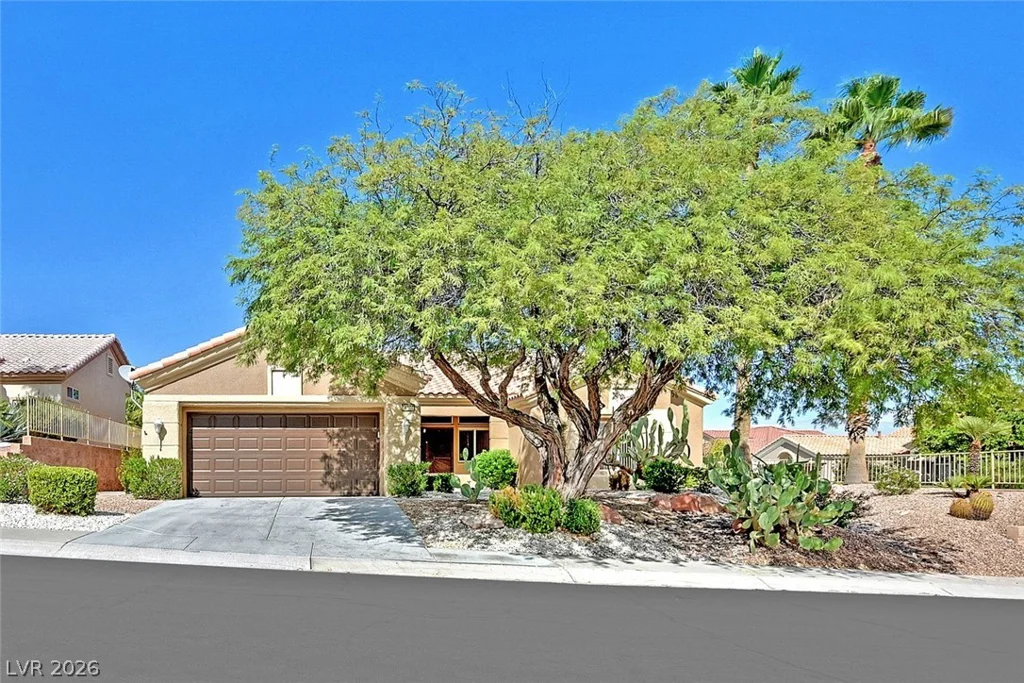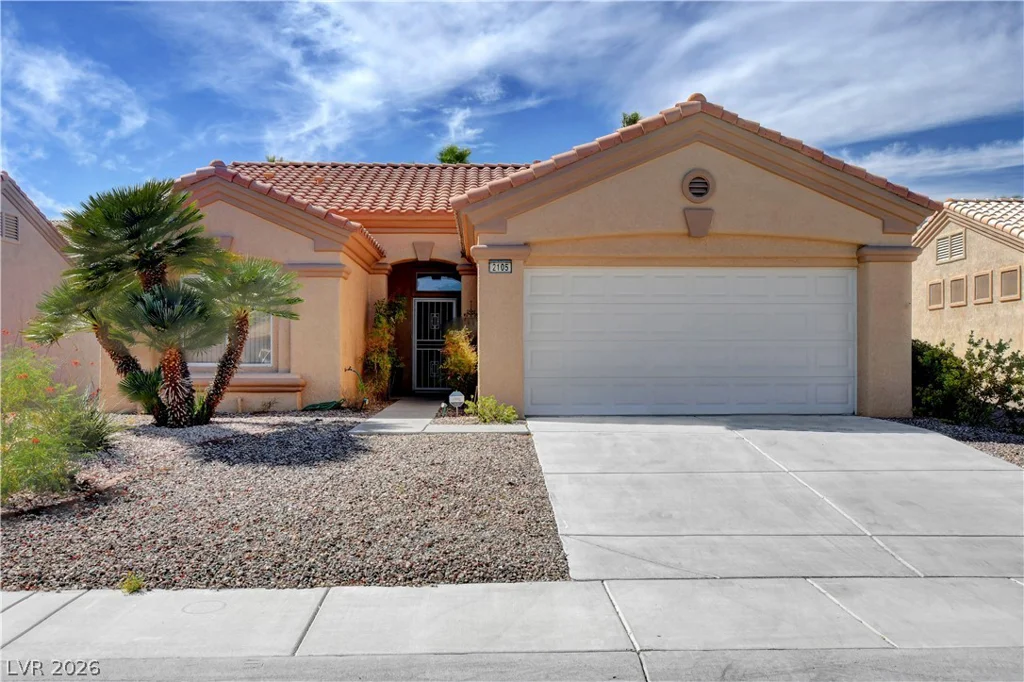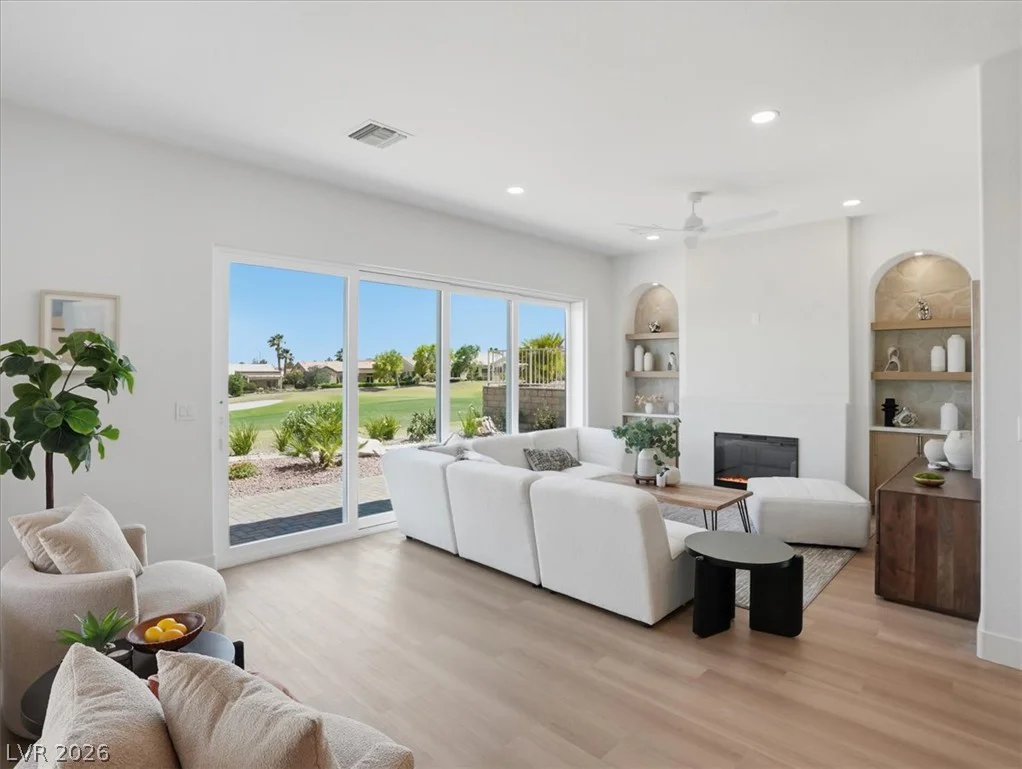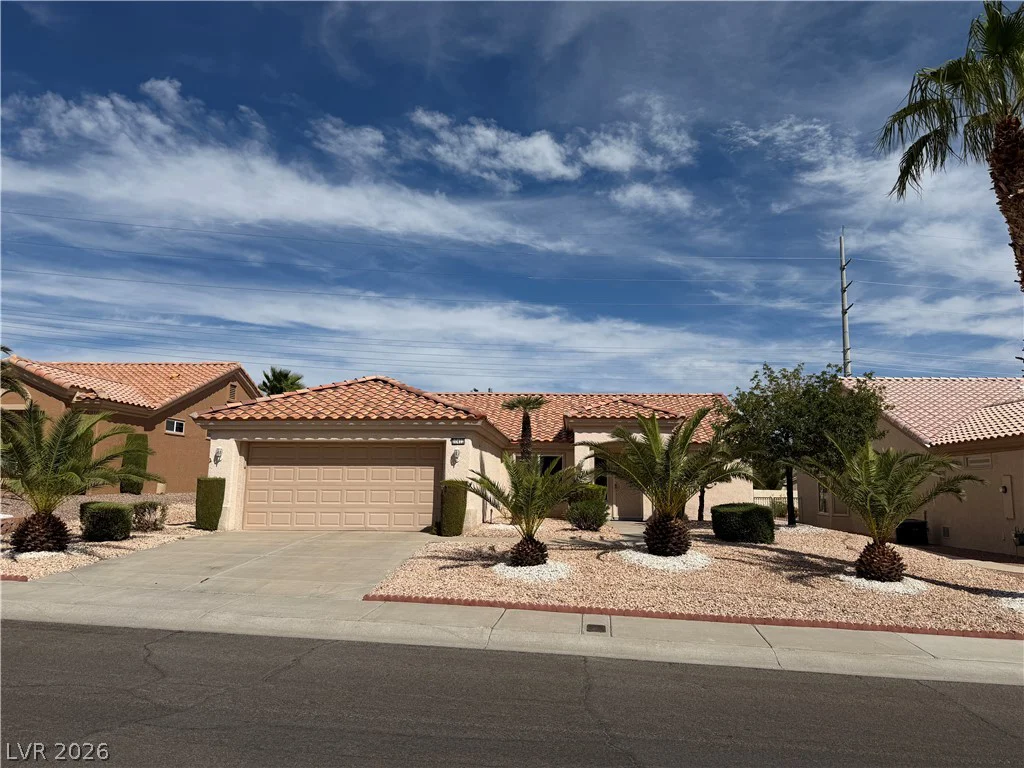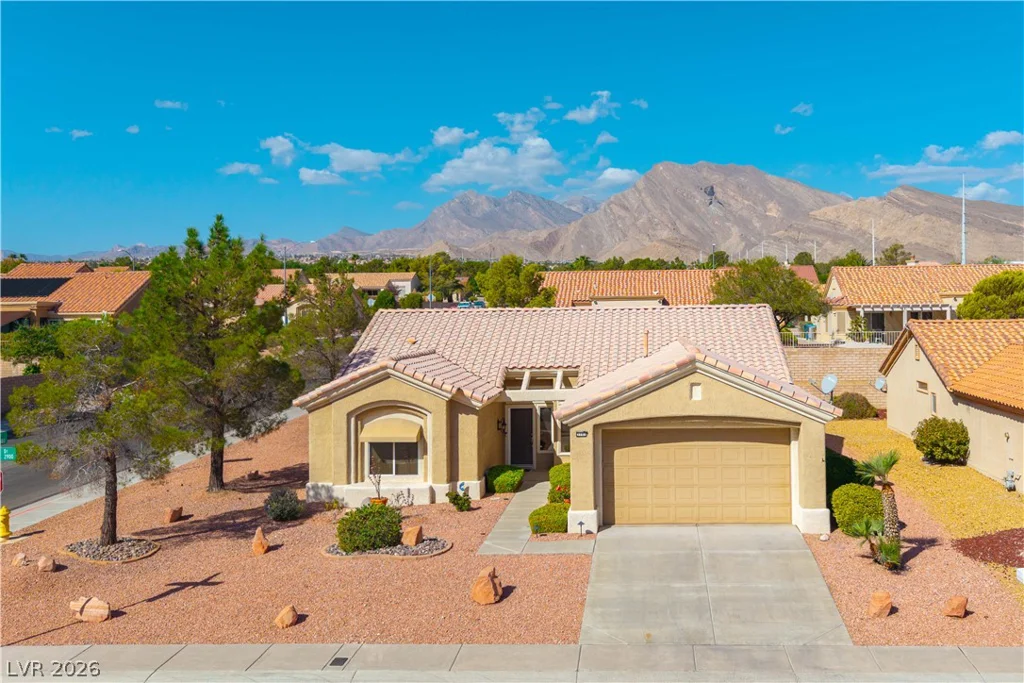
Why Dens and Home Offices Matter in Sun City Summerlin
It might seem counterintuitive for a 55+ community to place much value on home office space, but the den or flex room is actually one of the most-used rooms among residents here — just not always for traditional work. Many original 1990s floor plans included a den off the entry, separated from the main living areas by French doors, originally marketed for a home computer setup or guest sleeping. Today, that same room often serves as a hobby space, a place for video calls with grandchildren, or a quiet retreat for reading away from a spouse’s TV. Near Mountain Shadows and Eagle Crest, where some of the larger floor plans were built, dens with a closet were sometimes used as informal third bedrooms, which can matter for buyers thinking about occasional overnight guests or live-in care down the road.
What to Inspect Before You Make an Offer
- Check whether the den has a closet, which affects whether it could function as a bedroom for guests or future caregiving needs
- Test the door — French doors common to 1990s dens sometimes have worn hinges or hardware that affects the privacy seal
- Evaluate internet and electrical outlet placement if you plan to use the space as a true home office, since original wiring may not anticipate modern equipment needs
- Assess natural light and window placement, as some dens were designed with smaller windows facing the front of the home for street privacy
- Check for noise transfer from adjacent rooms, particularly if the den shares a wall with the garage or a frequently-used hallway
The Most Common Buyer Mistake in Sun City Summerlin
Buyers often see “den” on a floor plan and assume it functions identically to a bedroom, then are surprised during an actual walkthrough to find a room without a closet, with only a pocket door or no door at all, or positioned in a high-traffic area near the entry. This matters in a 55+ context specifically because that flex space is sometimes considered as a potential bedroom for a future caregiver or visiting family member, and a room that can’t function that way changes the long-term calculus of the home.
Resale Perspective & Market Reality
Among the second wave of retirees evaluating homes here, a genuinely flexible den with a door and closet tends to be viewed as a meaningful value-add, particularly for buyers planning ahead for aging-in-place scenarios. These buyers often also look at Sun City Summerlin Homes with Open Floor Plans to understand how the den connects to or separates from the rest of the home, since a den that’s fully open to a great room offers less privacy than one with proper doors. Buyers wanting a quiet retreat with a relaxing element sometimes also check Sun City Summerlin Homes with Spas and Hot Tubs as part of their overall lifestyle wishlist.
Local Cost Context
Converting a den into a more formal bedroom — adding a closet or upgrading the door for privacy — is generally a modest interior project that doesn’t require ARC approval unless it involves exterior window changes. However, if the conversion is being done to accommodate a live-in caregiver, buyers should also factor in potential costs for an added doorway or modified bathroom access nearby, which can run into the thousands depending on plumbing requirements. Compared to similar flex-space conversions tracked in Inspirada Homes with Dens or Offices, the cost considerations are similar, though Sun City Summerlin’s older plumbing infrastructure can sometimes add complexity to bathroom-adjacent modifications.
Frequently Asked Questions
Can a den legally be counted as a bedroom for resale or appraisal purposes?
Generally only if it has a closet and an egress window meeting code requirements; a den without these features is typically listed and appraised as a flex room or den rather than a bedroom, even if it’s used as one day to day.
Do any Sun City Summerlin floor plans include a den with its own bathroom access for caregiver use?
Some of the larger floor plans built near Mountain Shadows and Eagle Crest include a den positioned near a secondary bathroom, though this varies significantly by model, so buyers planning for caregiver scenarios should review specific floor plan layouts rather than assuming this feature is standard.