Why Spas and Hot Tubs Matter in Sun City Summerlin
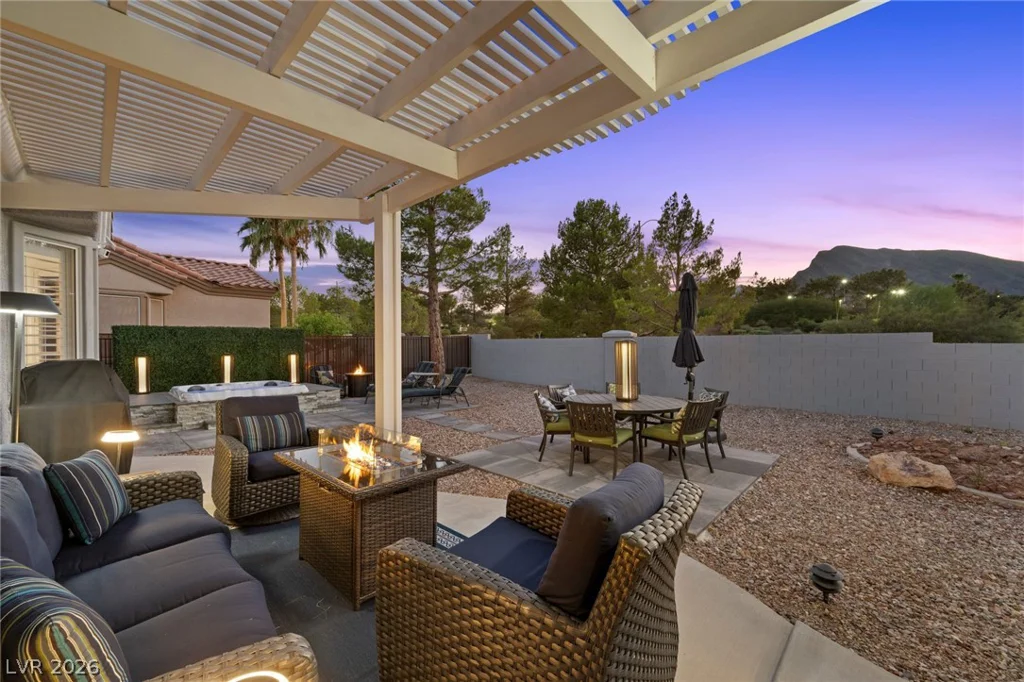
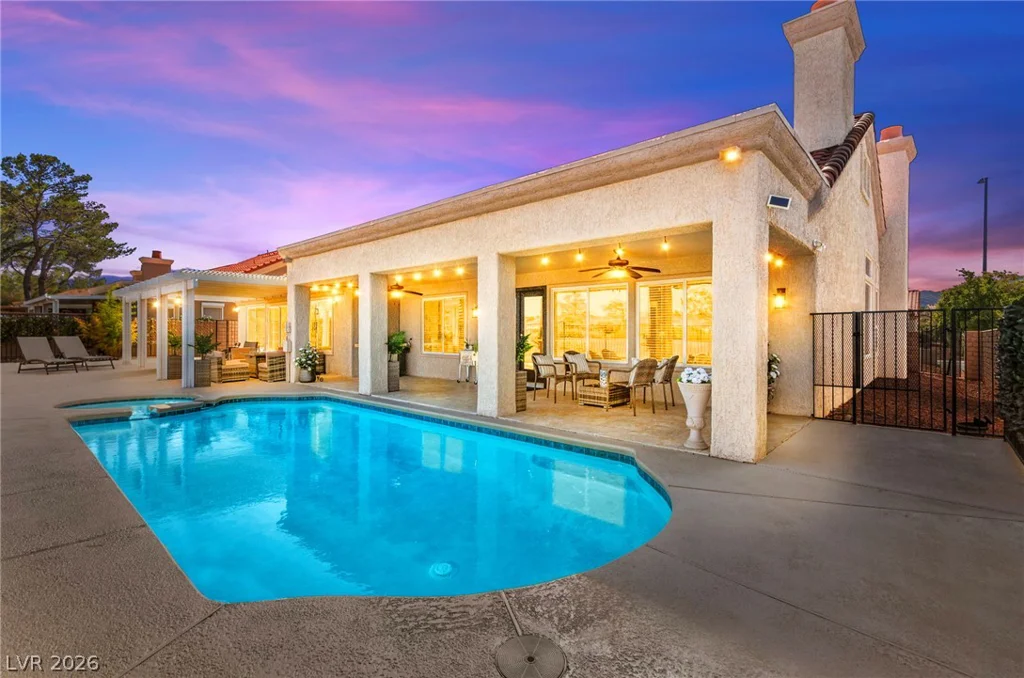
Cooler desert evenings near Charleston Blvd come earlier in the year than many newcomers expect, and a working spa or hot tub extends backyard usability into months that would otherwise feel too chilly for outdoor relaxation. Throughout this community, many original 1990s owners installed built-in spas adjacent to a covered patio rather than full pools, viewing the spa as a lower-maintenance way to enjoy outdoor water features in a desert climate. For active-adult residents, a spa often serves a practical purpose beyond relaxation — many use it for joint mobility or arthritis relief, which adds a quality-of-life dimension to this feature that goes beyond simple amenity value. The catch is that spa equipment from the 1990s has a finite lifespan, and a spa that looks fine visually can have a heater, pump, or control system that’s failing or already failed.
What to Inspect Before You Make an Offer
- Test the spa’s heater and jets during your tour rather than taking the seller’s word that “it works,” since intermittent equipment issues are common in units of this age
- Check the spa’s surface and tile for cracking or staining, which can indicate water chemistry issues or surface degradation over decades of use
- Ask for service records or any documentation of equipment replacement, particularly for the heater, which is often the most expensive component to replace
- Evaluate the automation and control panel for functionality, since older analog controls can be difficult to source replacement parts for if they fail
- Review utility bills if available, since an older spa heater can represent a meaningful ongoing electric or gas cost compared to a newer, more efficient unit
The Most Common Buyer Mistake in Sun City Summerlin
Buyers often see a spa as a bonus feature included with the home and don’t budget for the possibility that it may need significant equipment work shortly after move-in. A spa that hasn’t been used regularly by an aging original owner — sometimes sitting empty or only minimally maintained for the last several years before listing — can have hidden equipment issues that only become apparent once a new owner tries to use it regularly.
Resale Perspective & Market Reality
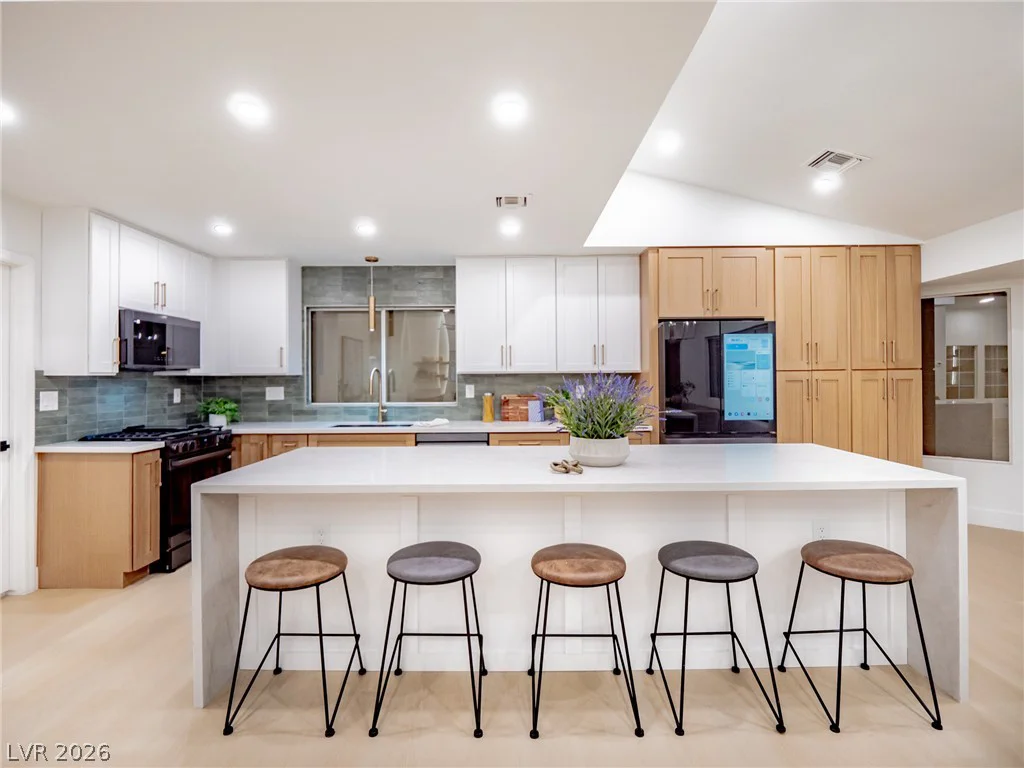
A functioning, well-maintained spa can be a meaningful draw for the second wave of retirees, particularly those relocating from climates where outdoor spas aren’t practical year-round. Buyers evaluating spa homes frequently also look at Sun City Summerlin Homes with Stainless Steel Appliances as a general indicator of how recently the home received updates, and at Sun City Summerlin Homes with Courtyards for buyers who want multiple distinct outdoor spaces for different uses.
Local Cost Context
Replacing a spa heater or pump system typically represents a moderate expense, while a full spa resurfacing or equipment overhaul can cost considerably more depending on scope. Ongoing operating costs for a spa — particularly heating during cooler months — should be factored into monthly utility expectations, as this can add a noticeable amount to electric or gas bills compared to a home without one. The ARC doesn’t typically regulate existing spa equipment, but any new spa installation or significant visible modification to the patio area would require review. Compared with Pahrump Homes with Spas and Hot Tubs, where utility costs can run somewhat lower, Sun City Summerlin’s HOA-included amenities can offset some of this difference for residents who also use the clubhouse pools.
Frequently Asked Questions
How long do spa heaters typically last, and is this something a home inspector checks?
Spa heaters generally last 8-12 years depending on usage and maintenance; a general home inspector may note visible condition but often won’t perform a full functional test, so buyers should specifically request the spa be running during their inspection or showing.
Does having a spa increase HOA-related landscaping or maintenance obligations?
No — spa maintenance and costs are the homeowner’s responsibility rather than the HOA’s, and the spa itself doesn’t typically trigger additional landscaping requirements beyond the standard ARC guidelines for the surrounding patio area.