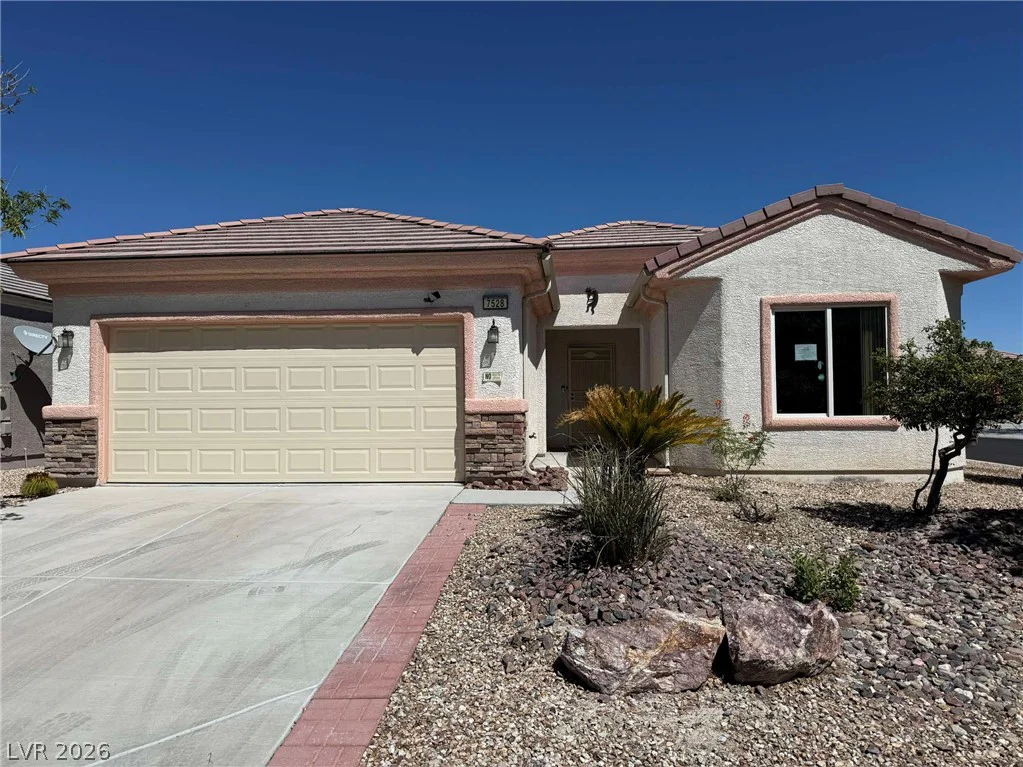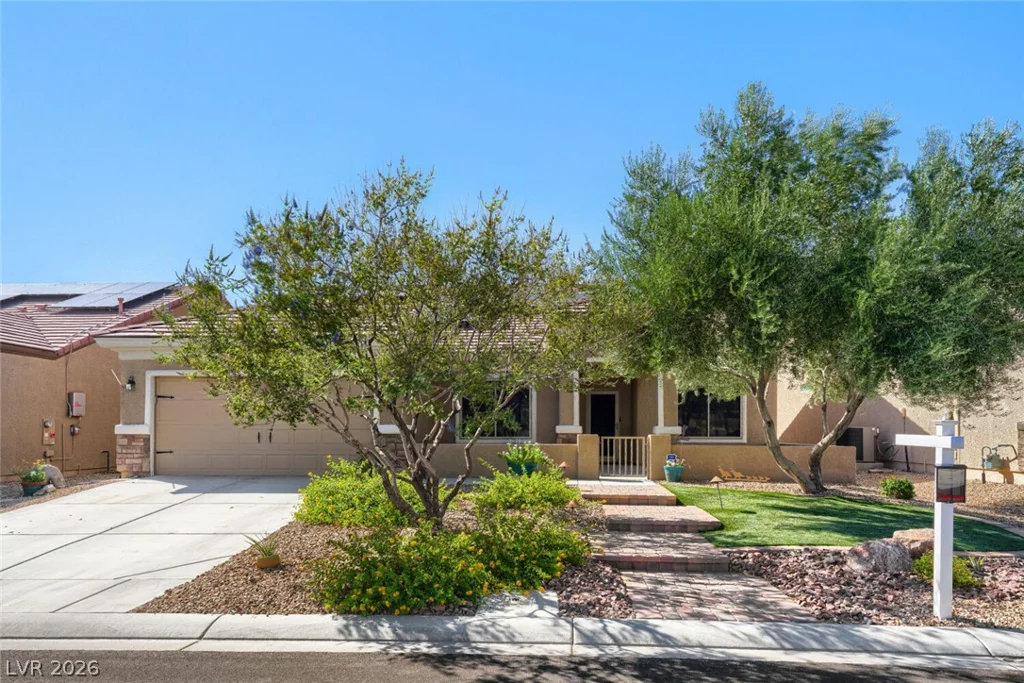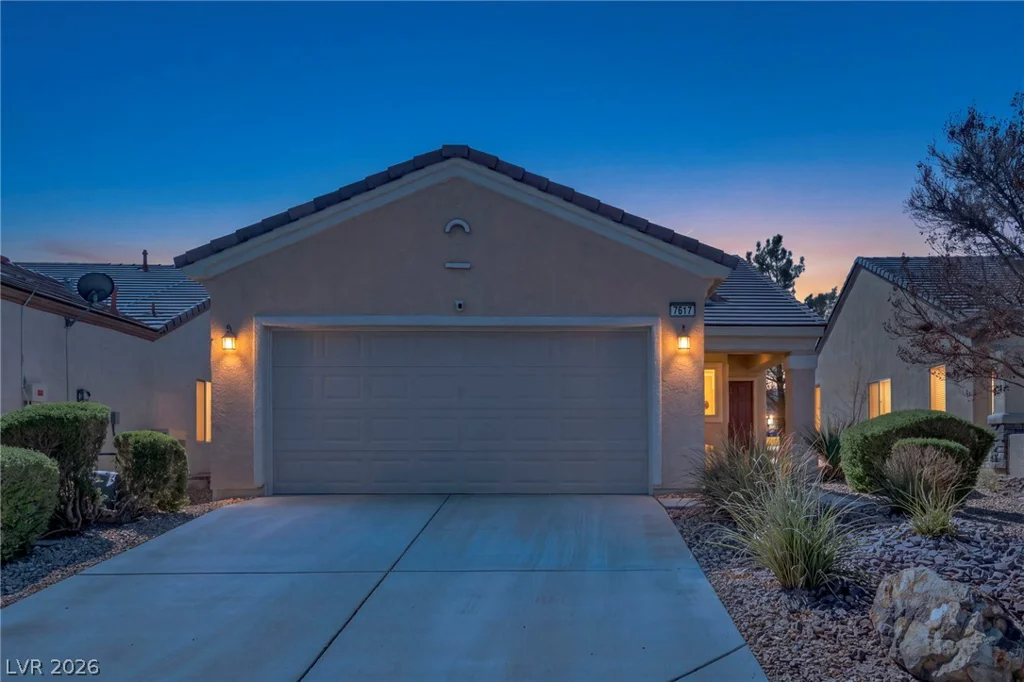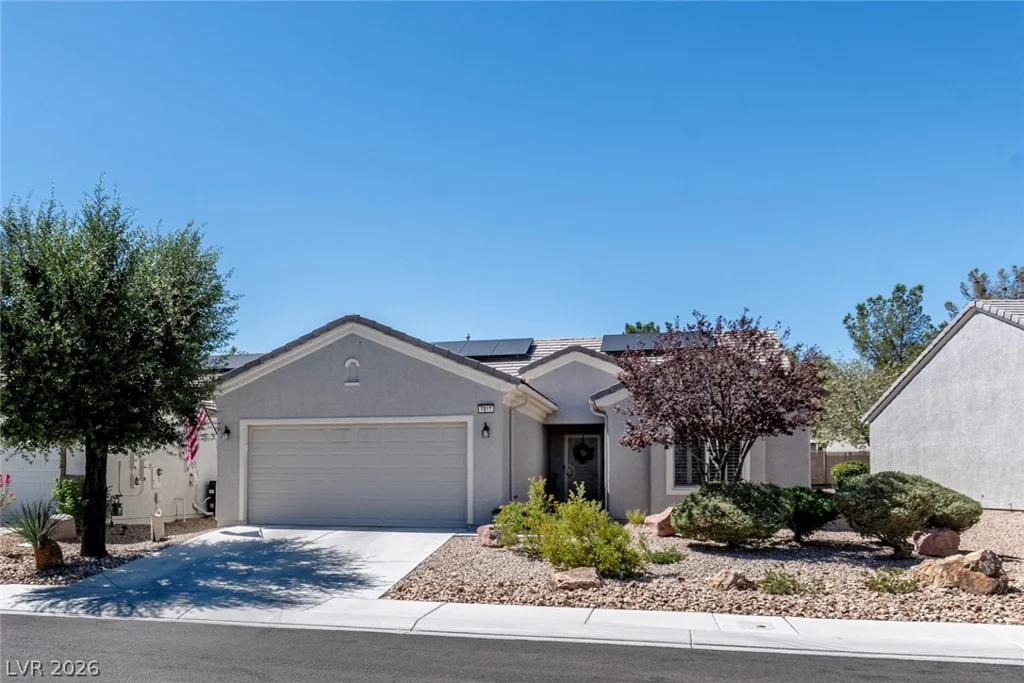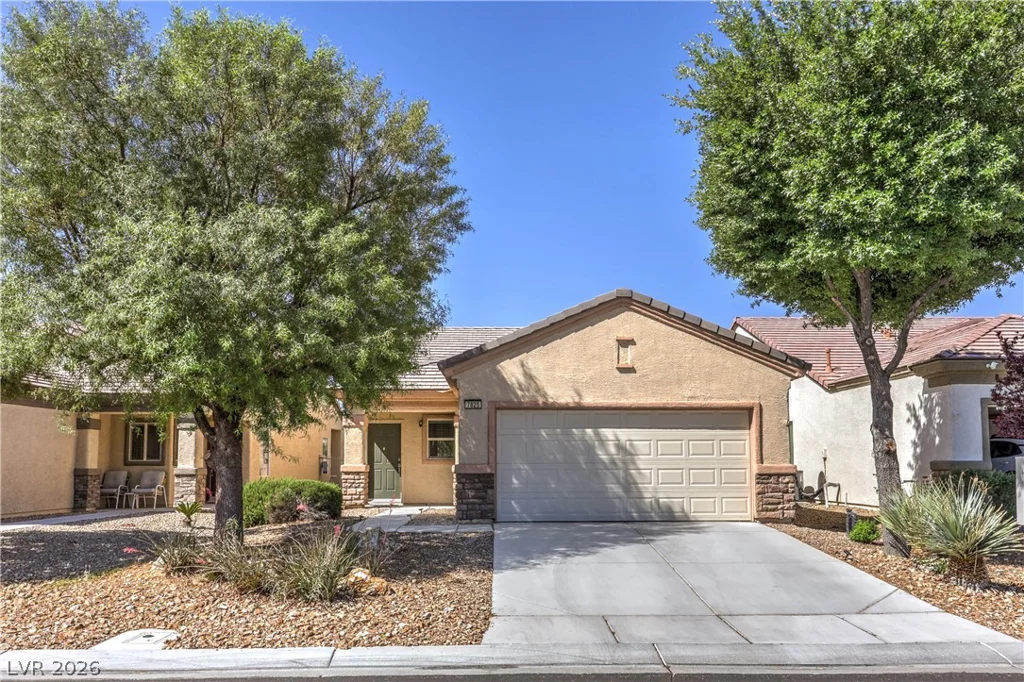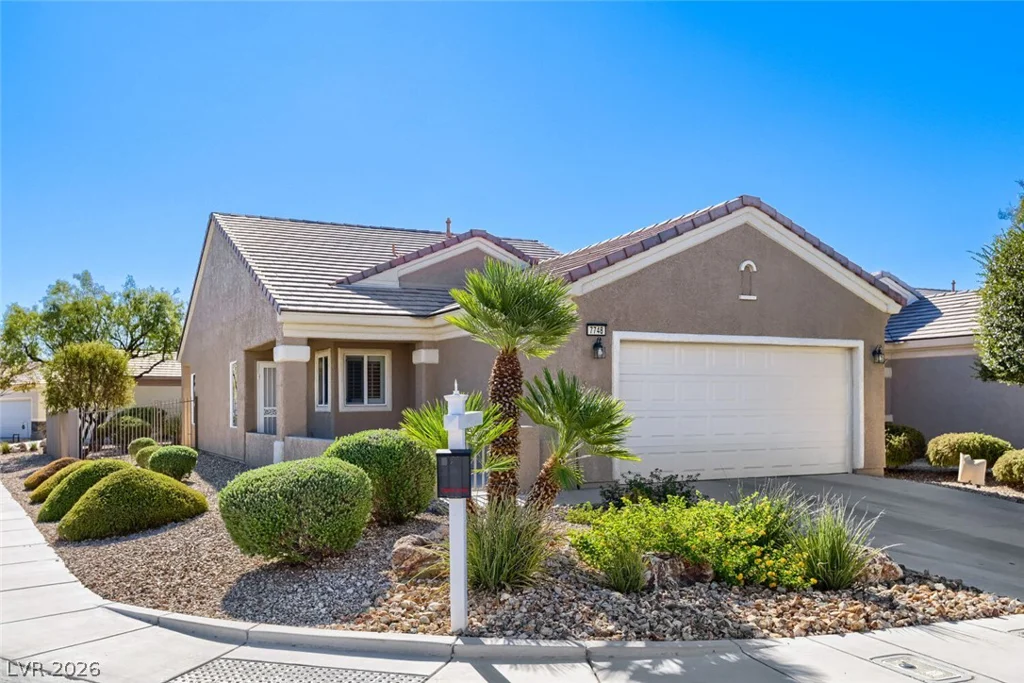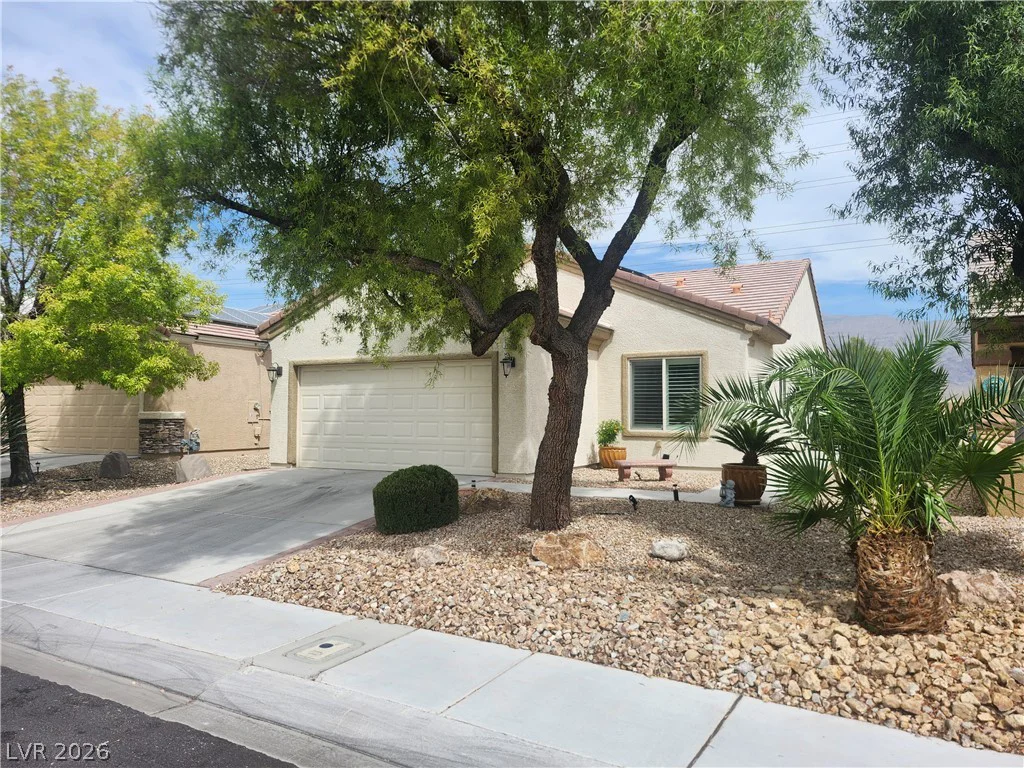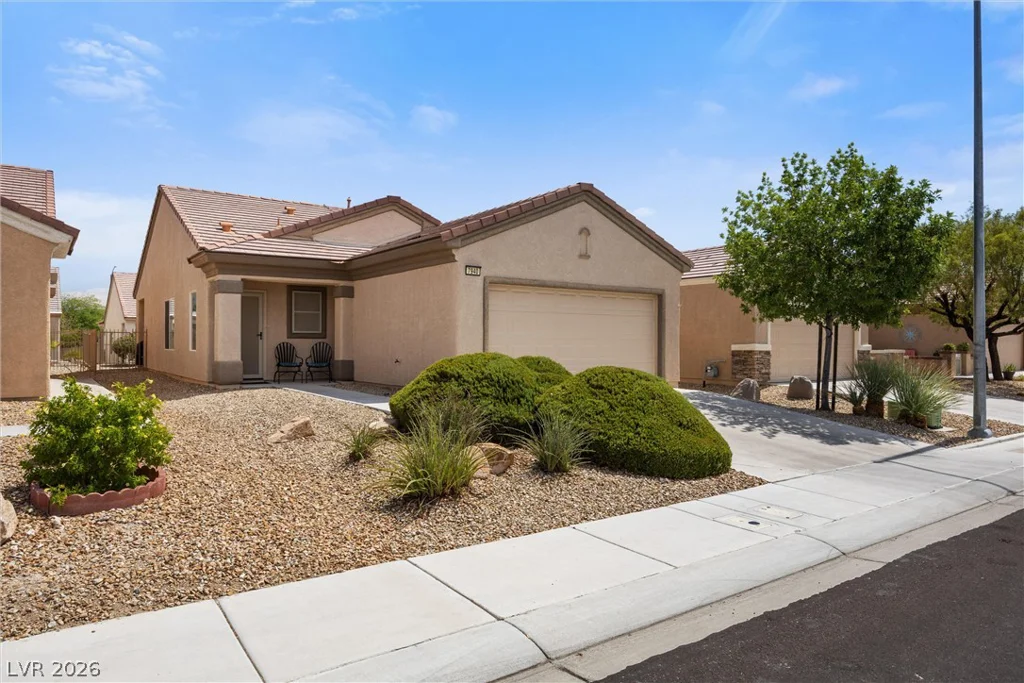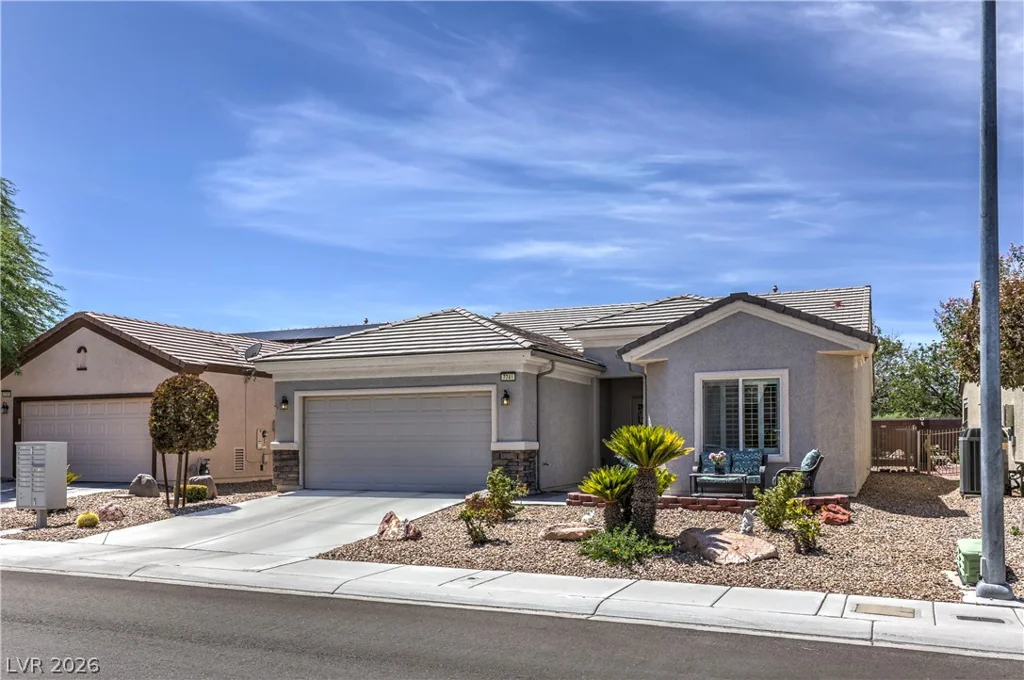
If you’ve toured Sun City Summerlin and then walked through a comparable floor plan in Sun City Aliante, the difference in patio construction is often immediately noticeable—Aliante’s mid-2000s build quality generally means deeper patio footprints, better-integrated roof tie-ins, and fewer of the patchwork additions common in older Del Webb stock. For North Las Vegas downsizers prioritizing outdoor living, that newer construction baseline changes what “covered patio” actually means on a listing sheet.
Why Covered Patios Matter in Sun City Aliante
Because Sun City Aliante was built primarily in a single development wave during the mid-2000s, covered patios here are more likely to be original to the home’s construction rather than later additions, which generally means better structural integration with the roofline and fewer water-intrusion issues at the tie-in point. For a 55+ buyer downsizing from a larger property, a usable covered patio often becomes the primary outdoor living space—a place for morning coffee, container gardening, or hosting a small group without the upkeep of a large yard. Given the North Las Vegas climate, a patio that genuinely blocks afternoon sun rather than just providing token shade is a meaningful quality-of-life feature, not a cosmetic one.
What to Inspect Before You Make an Offer
- Check whether the patio cover is original construction or a later addition, since later additions in this community sometimes lack matching roof tie-ins and may show signs of water staining at the connection point.
- Evaluate the depth and orientation of the cover against actual afternoon sun angles, since a shallow east- or west-facing patio cover provides far less usable shade than a deeper south-facing one.
- Inspect for stucco cracking or separation where the patio cover meets the main structure, a common age-related issue in mid-2000s construction as materials settle.
- Confirm whether any ceiling fans, lighting, or outlets on the patio were professionally installed and permitted, since DIY electrical work is not uncommon and can affect insurability.
- Ask whether the patio cover was disclosed to and approved by the HOA’s architectural committee, since unapproved structures can create resale complications even years later.
The Most Common Buyer Mistake in Sun City Aliante
Buyers touring in the morning frequently fall in love with a shaded, comfortable patio—then discover during a summer afternoon visit that the same space bakes in direct sun for hours because the cover’s orientation doesn’t actually block the sun’s path at that time of day. Another frequent oversight is assuming a covered patio automatically extends a home’s functional living space without checking whether the slab is level, properly drained, and free of the hairline cracking that can appear in original mid-2000s concrete after two decades of desert heat cycles. A patio that looks complete in photos can still need leveling, regrouting, or drainage correction before it functions as true outdoor living space.
Resale Perspective & Market Reality
In a 55+ community where many buyers are downsizing from homes with large yards, a genuinely usable covered patio can differentiate a listing and shorten its time on market, particularly when paired with other lifestyle amenities like Sun City Aliante homes with community pools within easy reach. Buyers shopping this segment often cross-shop with broader North Las Vegas inventory, including Las Vegas homes with covered patios, so a well-maintained patio that photographs as move-in-ready outdoor space tends to compete favorably even against larger non-age-restricted properties. Homes that also offer Sun City Aliante homes with mountain views from the patio area tend to generate the strongest buyer interest of all.
Local Cost Context
Because patio covers in Sun City Aliante are generally part of the original mid-2000s construction, ongoing costs tend to center on stucco maintenance, fan or lighting repairs, and periodic resealing rather than major structural replacement—though buyers should still budget for eventual re-stuccoing as homes pass the 20-year mark. Any modification to an existing patio, including enclosing it, adding a sunroom, or extending the cover, requires architectural committee approval under the community’s exterior-modification rules, and unapproved changes discovered during a sale can delay closing while the seller seeks retroactive approval. HOA dues do not cover private patio maintenance, so the condition of this space is entirely the homeowner’s responsibility and should be reflected in the negotiated price if repairs are needed.
Frequently Asked Questions
Are patio enclosures allowed under Sun City Aliante’s HOA rules?
Enclosing an existing covered patio typically requires submission of plans to the architectural review committee, and approval depends on factors like setback compliance, exterior material matching, and whether the enclosure affects the home’s overall roofline appearance. Buyers interested in eventually enclosing a patio should request examples of previously approved enclosures from the HOA to gauge what design changes are realistically permitted.
Do mid-2000s patio covers in Sun City Aliante typically have permitted electrical for fans and lighting?
Many original patio covers were built with pre-wired conduit for ceiling fans and lighting as part of the base construction, but buyers should not assume this is universal across every floor plan or every home, since some owners added fixtures later without permits. Requesting permit history from the local building department alongside the HOA’s modification records is the most reliable way to confirm whether patio electrical work was done to code.