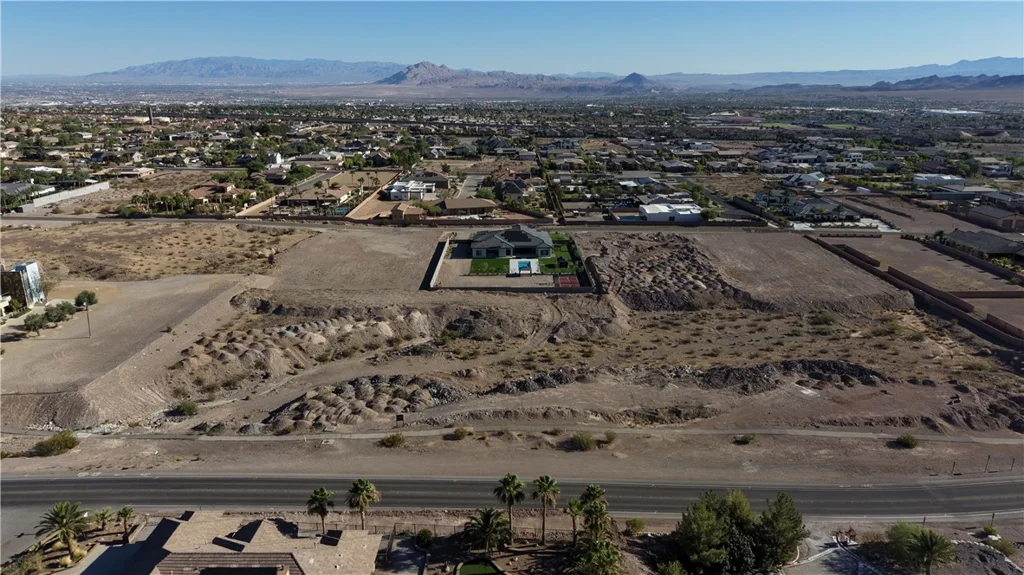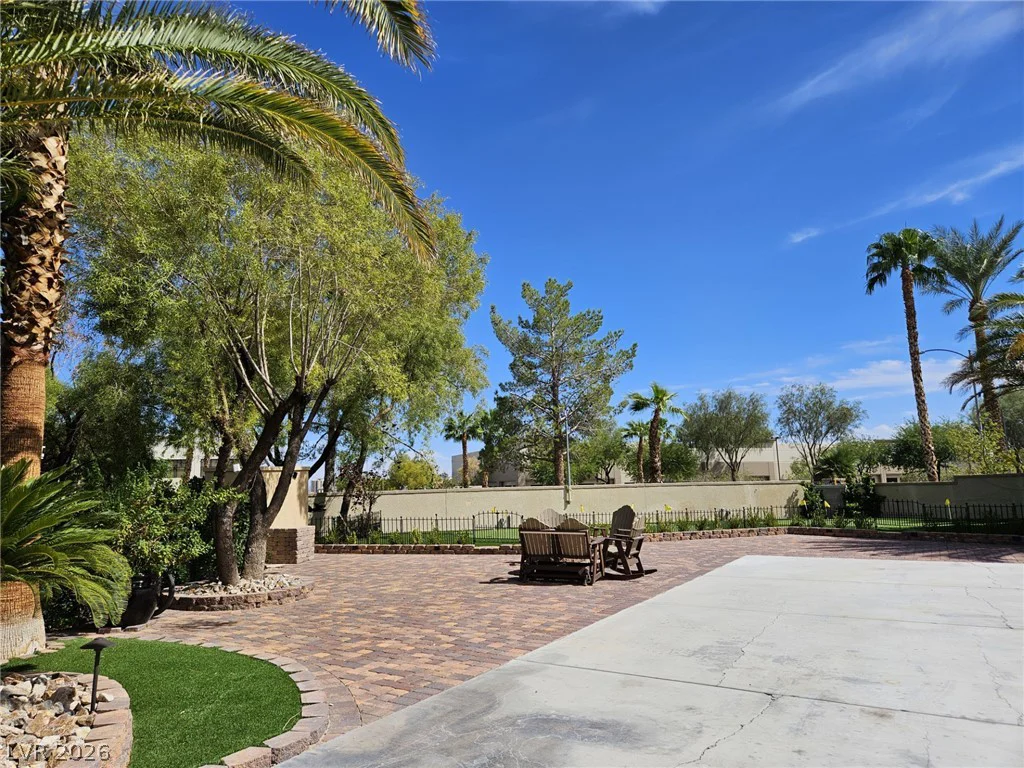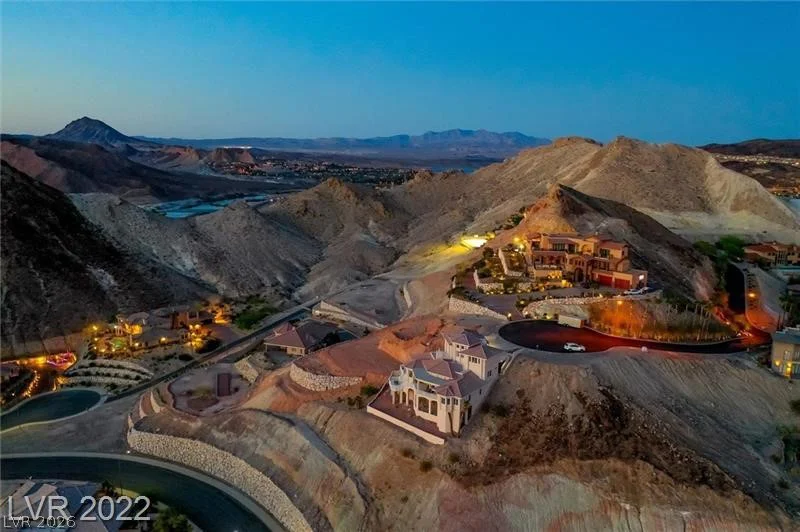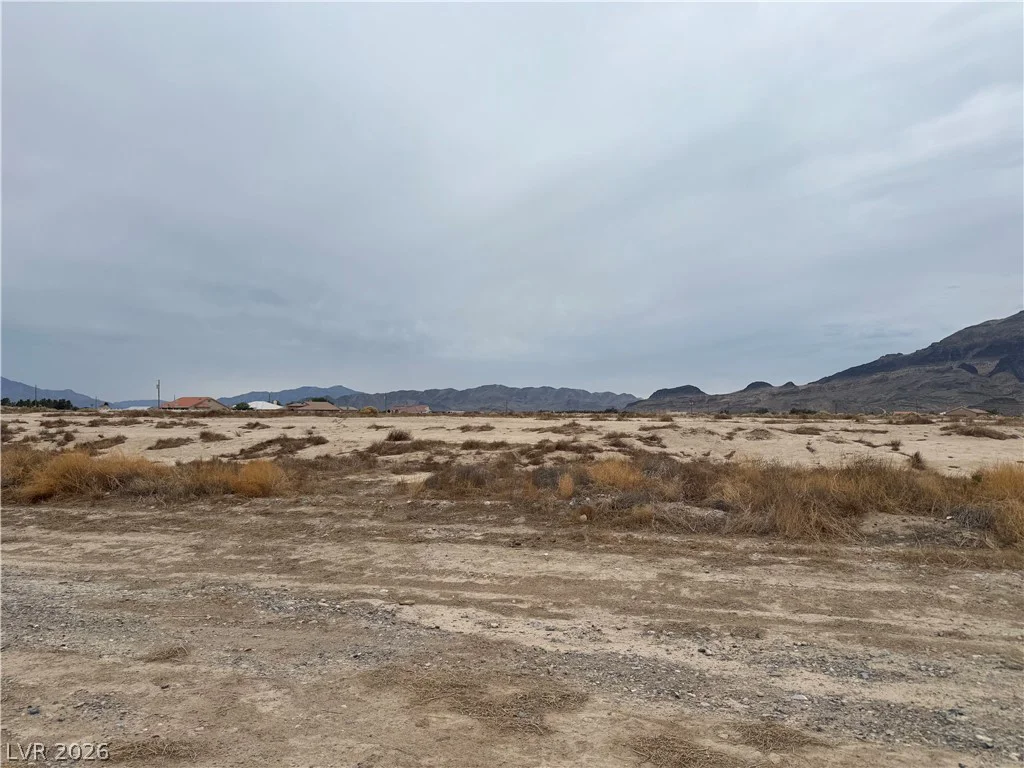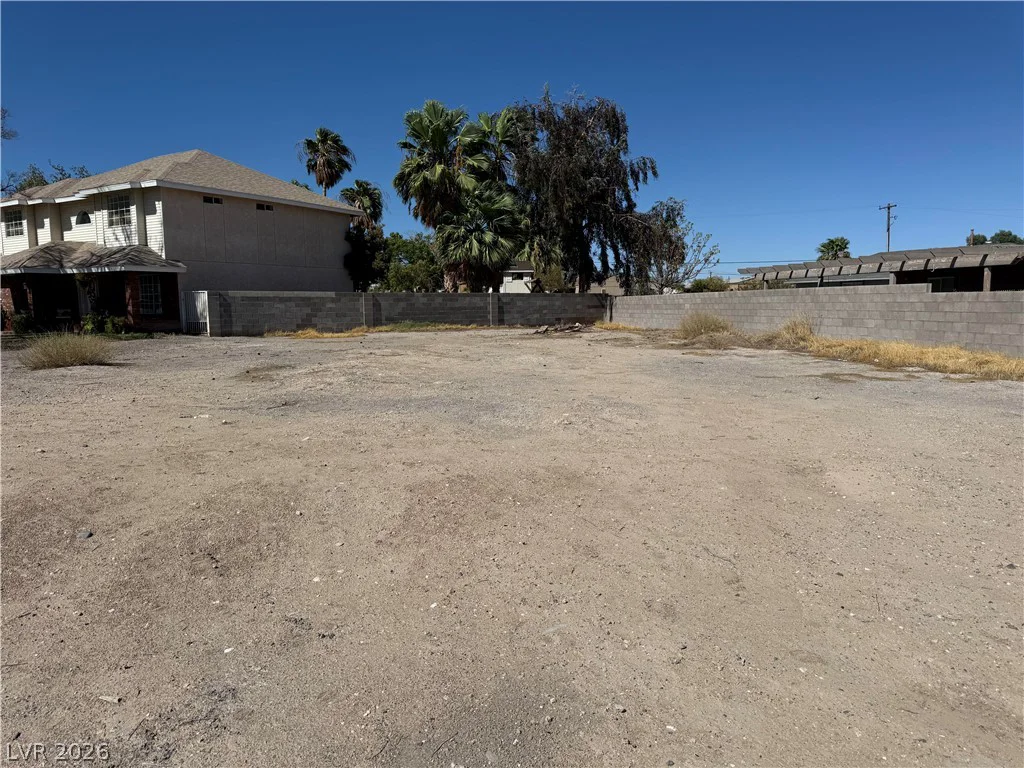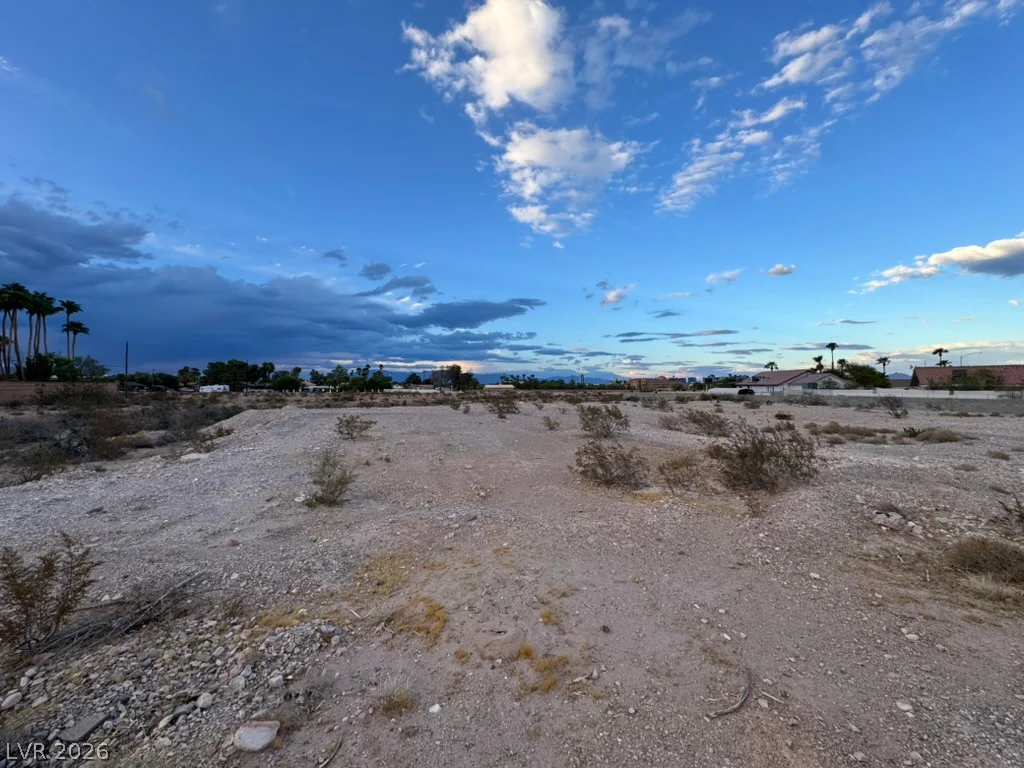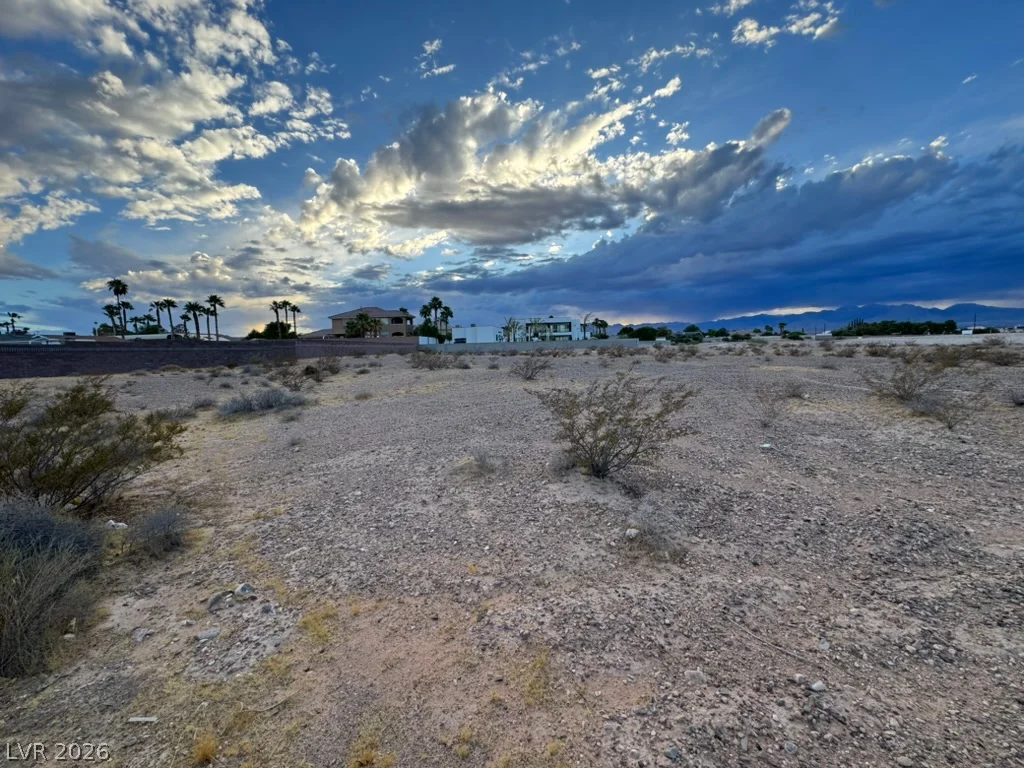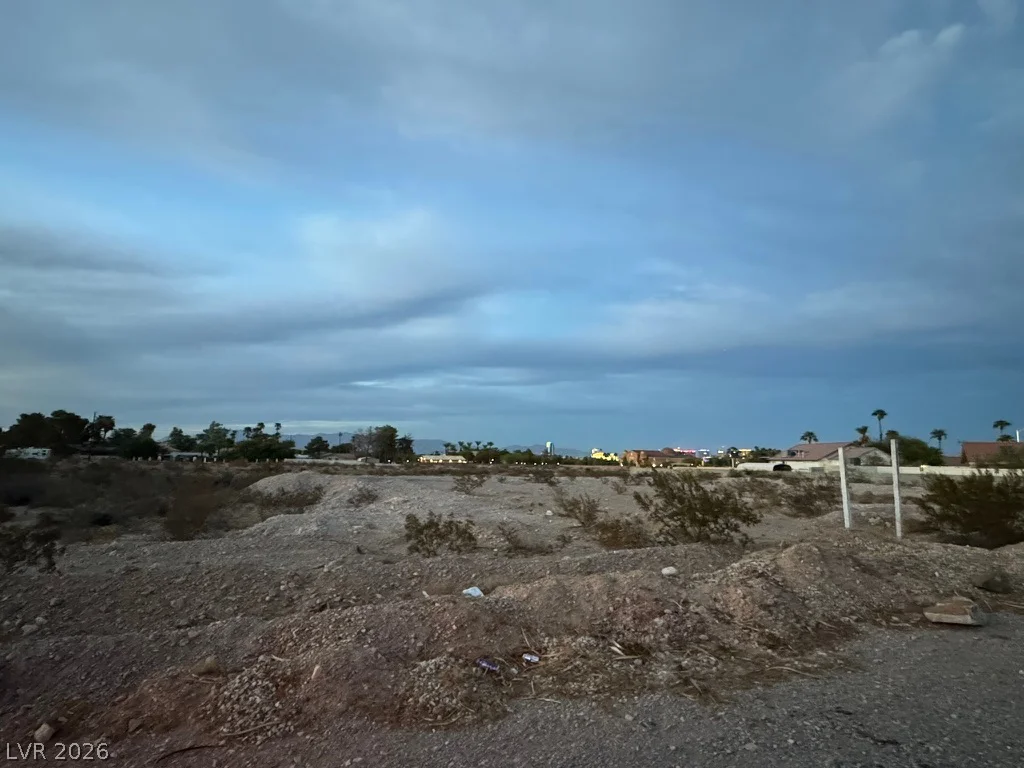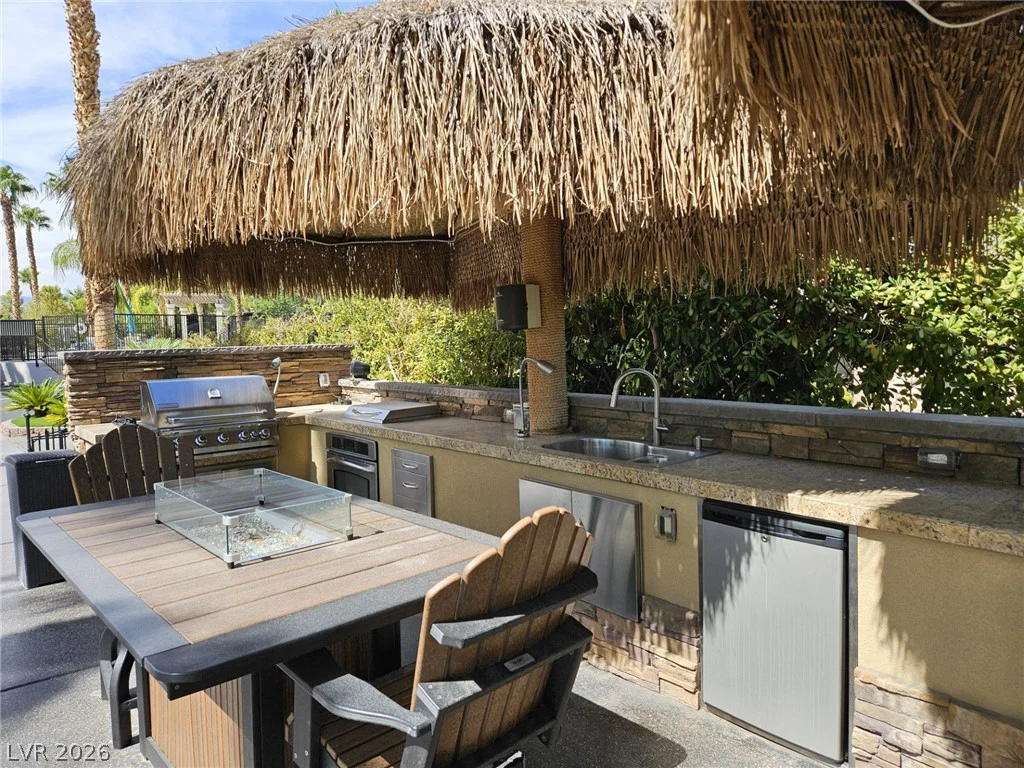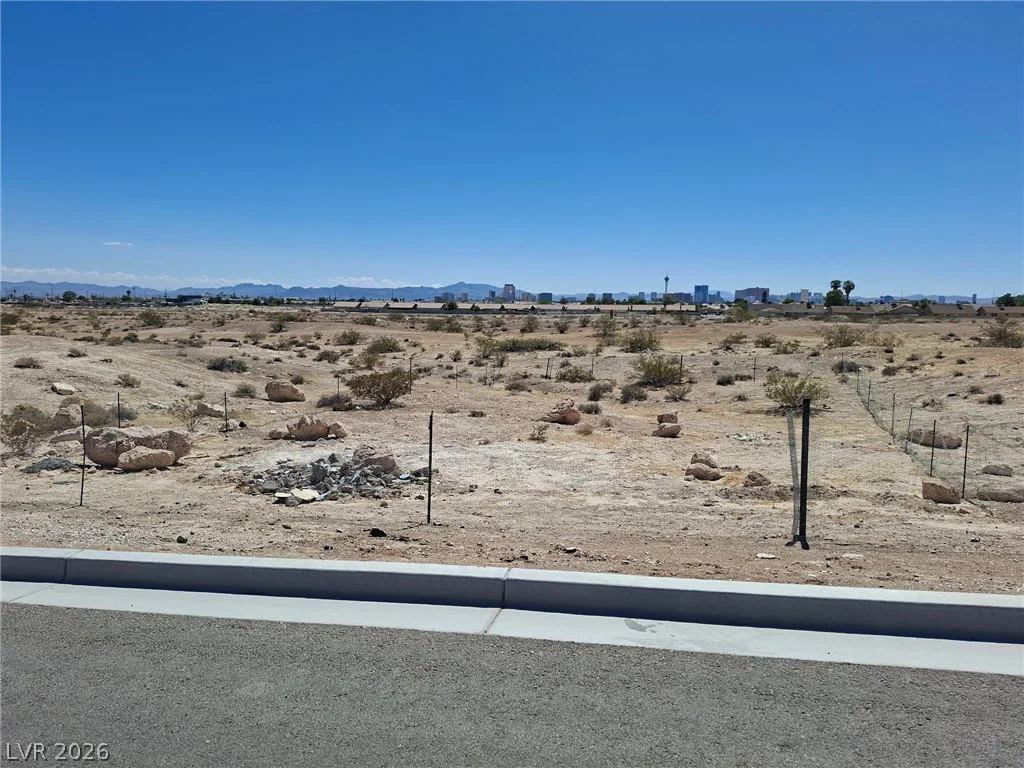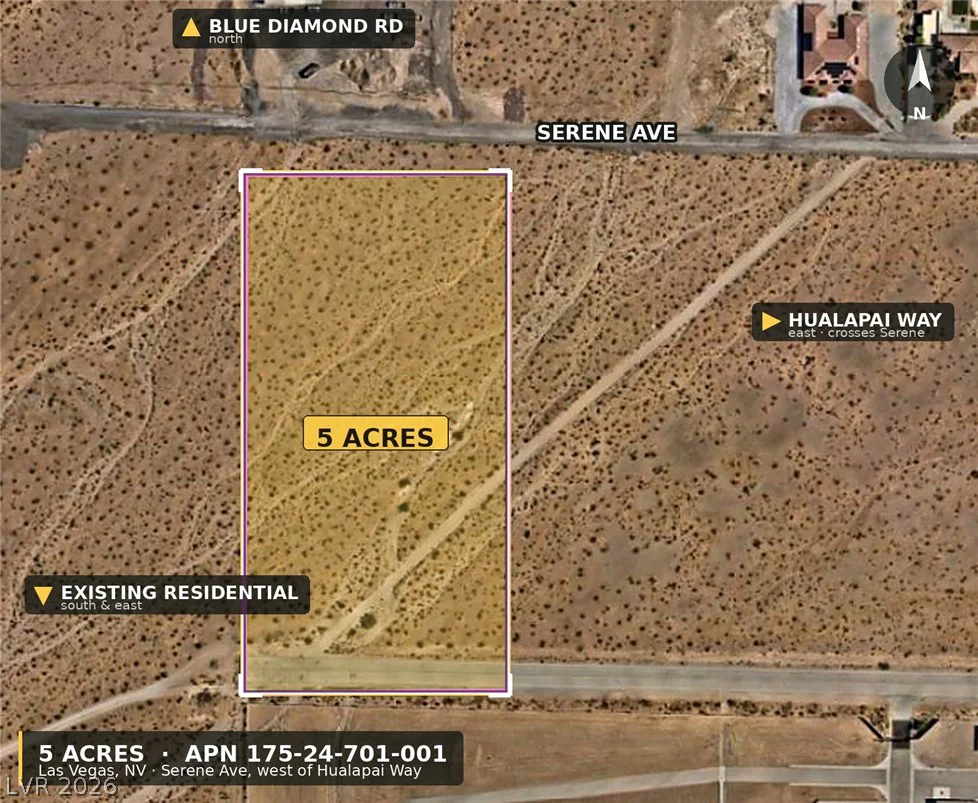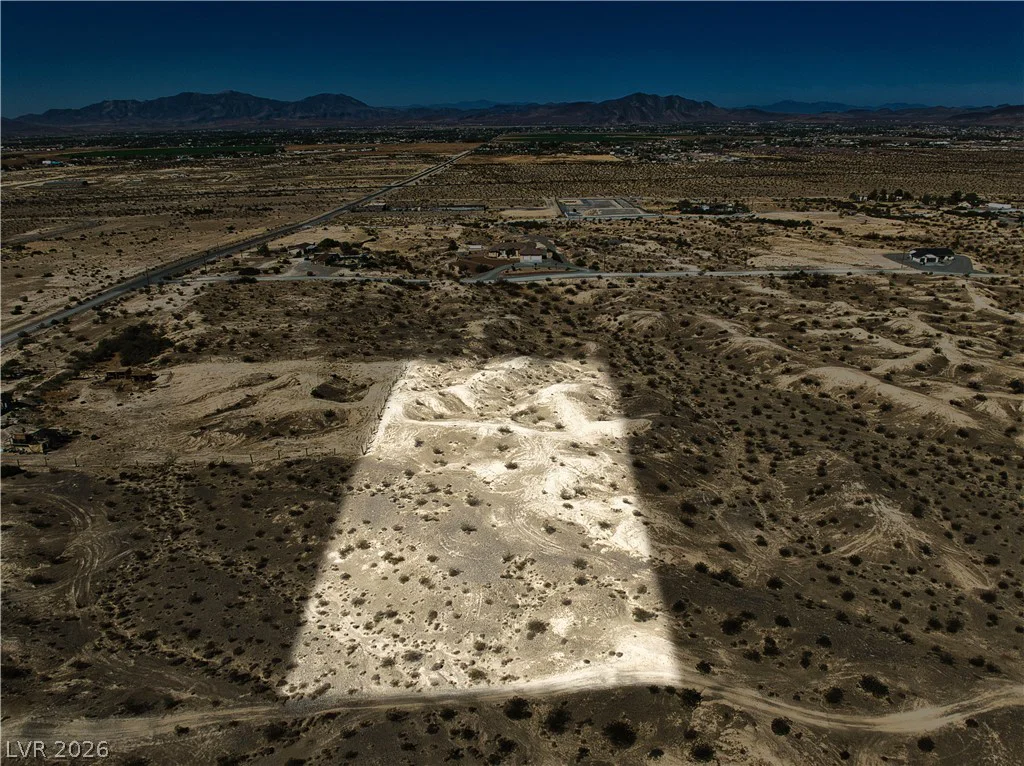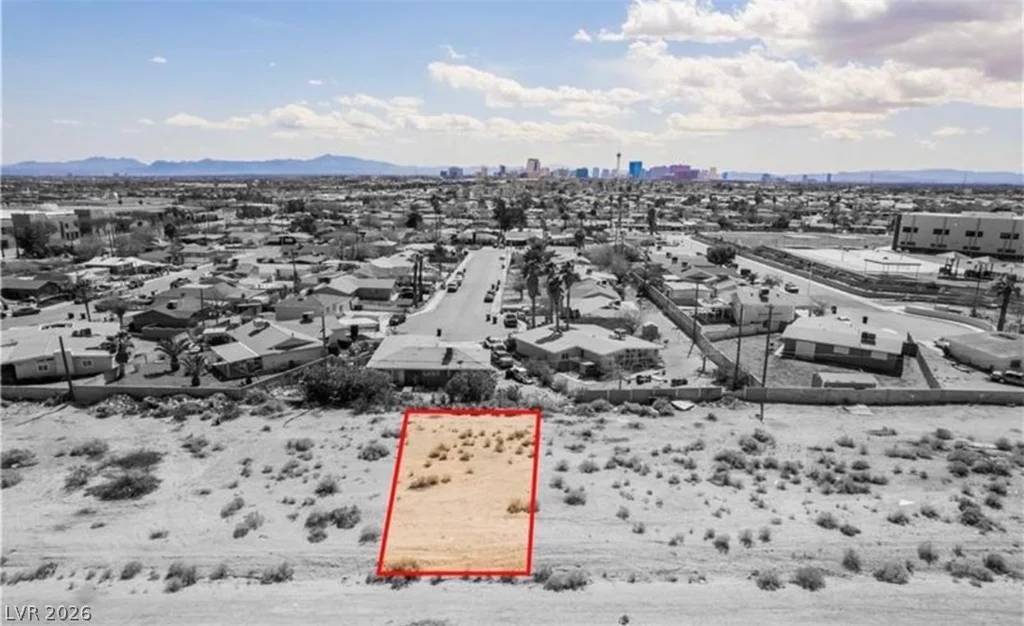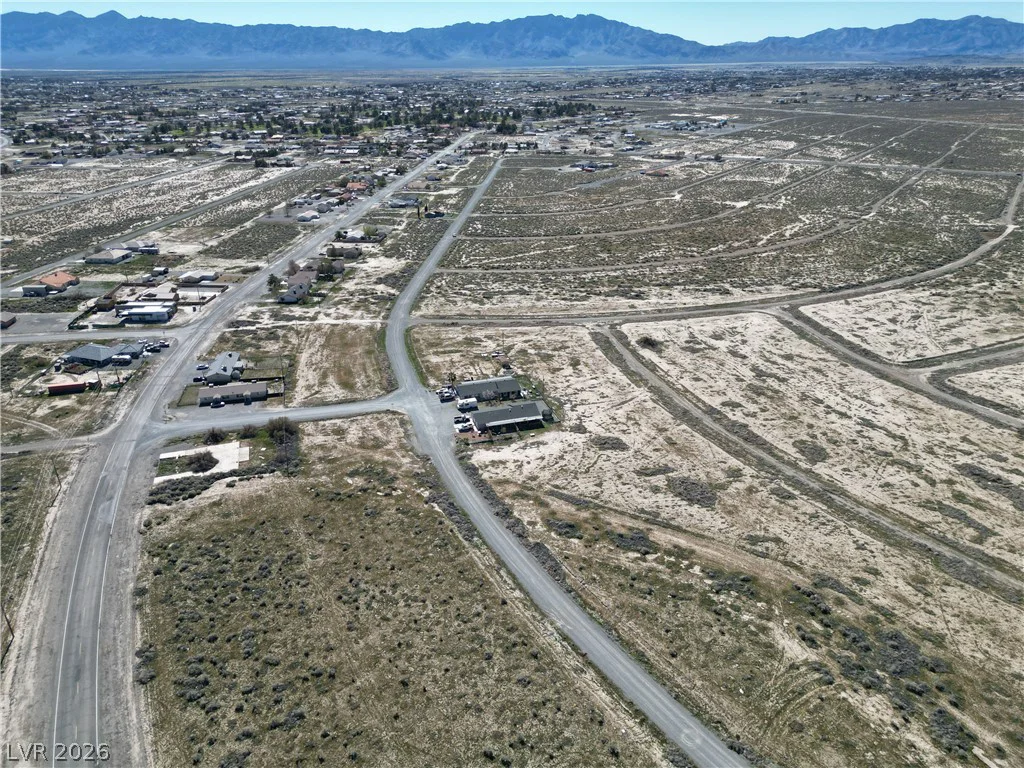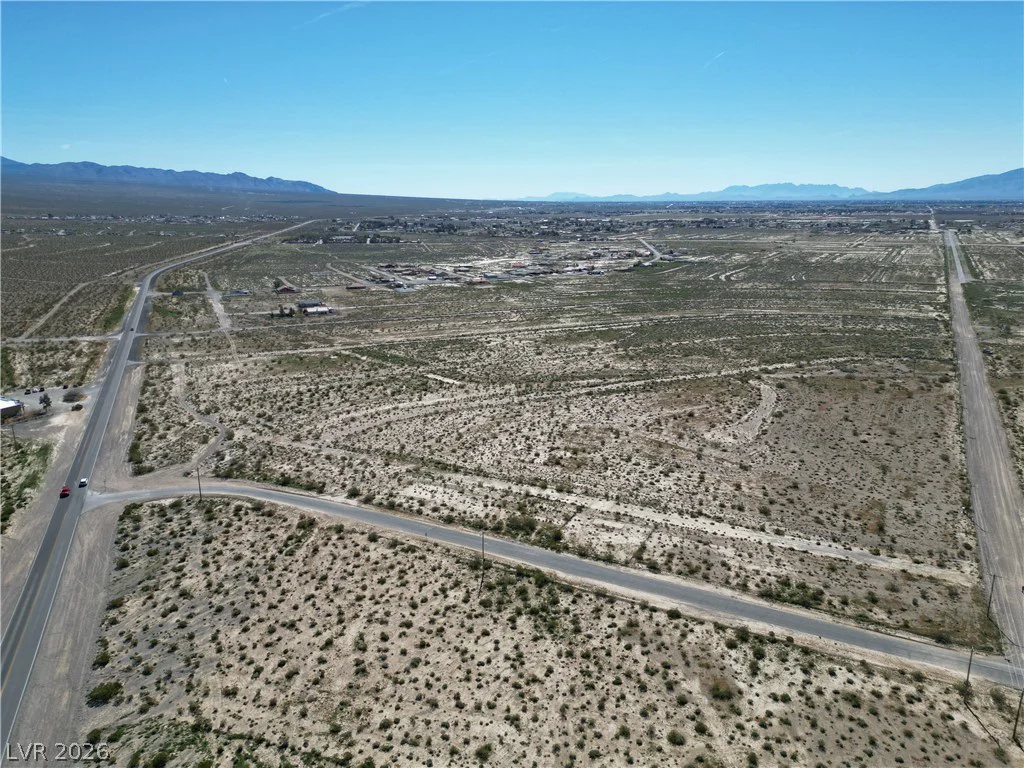
The Southern Nevada land market is incredibly diverse, with the landscape shifting dramatically based on which valley or basin you are looking at. While Nevada is famous for its vast open spaces, the reality on the ground is highly localized. The Bureau of Land Management (BLM) owns the vast majority of the state, creating artificial boundaries and supply constraints that heavily influence pricing, utility availability, and development timelines.
The market breaks down into four completely distinct sub-regions, each with its own financial and mechanical playbook:
### 1. Las Vegas Valley (The Built-In Border)
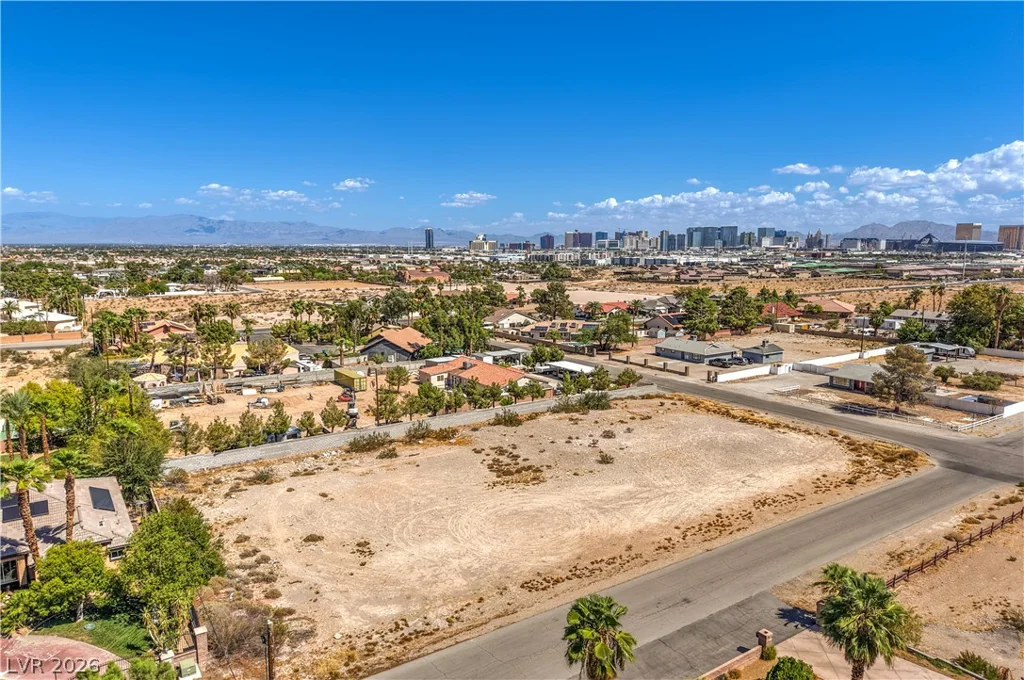
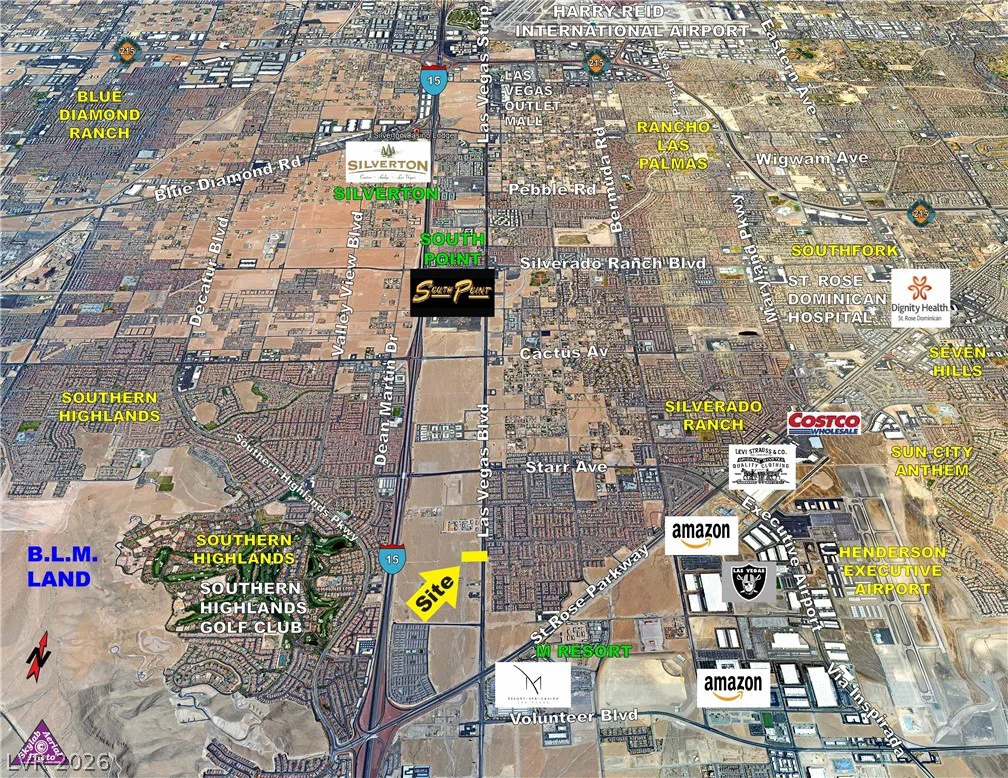
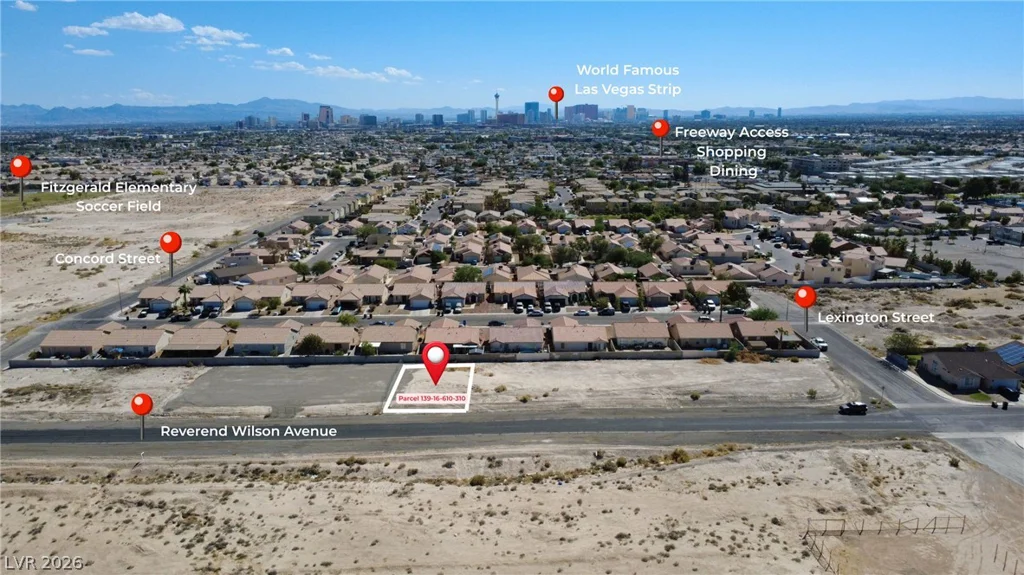
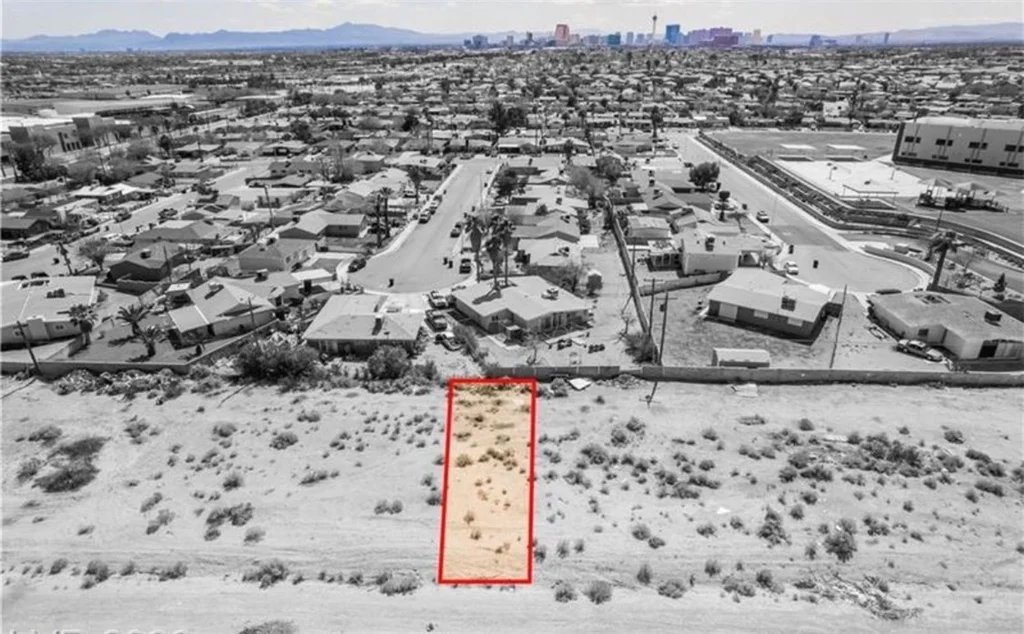
Land in Las Vegas proper is defined by a strict geographic boundary: the **BLM disposal boundary**. The valley is effectively running out of private land, which keeps infill parcels and single-family lots at an absolute premium.
* **The Dynamic:** Most available raw land requires substantial off-site improvements (bringing in sewer, water, and paving roads).
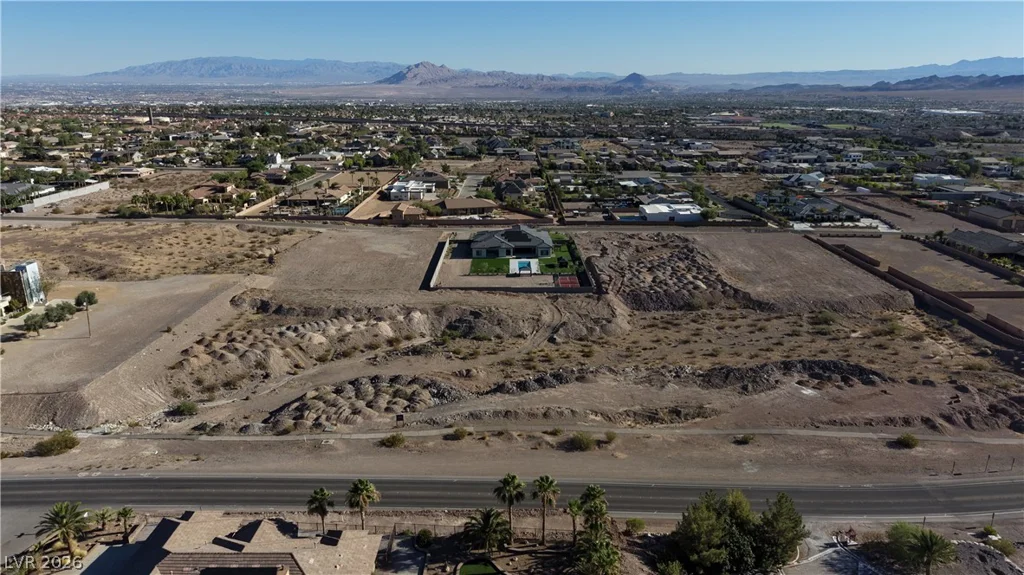
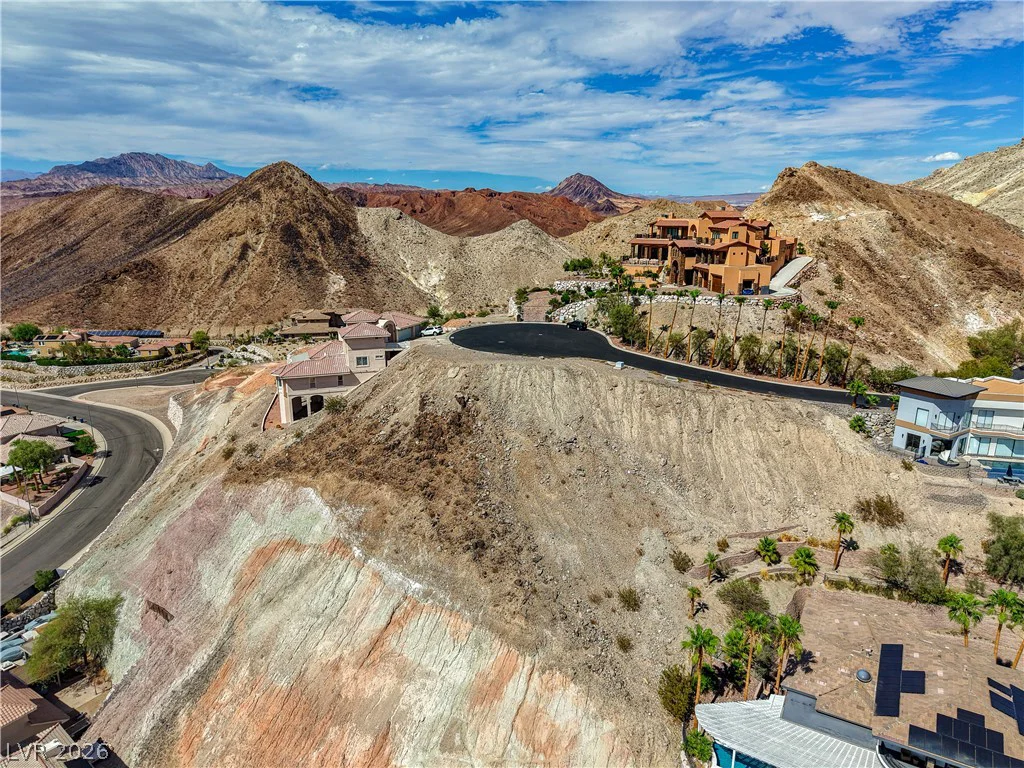
* **The Play:** High-density residential infill, custom luxury lots in the foothills (like the edges of Summerlin), and premium commercial pads. If you find a lot that already has utilities at the curb, it commands a massive premium because you bypass the steep infrastructure costs that catch off-guard buyers by surprise.
### 2. Henderson (The Premium Upgrade)
Henderson is no longer just a suburb; it is its own economic engine. Land here is highly sought after by commercial developers, industrial users, and high-end custom builders, especially on the west side near the Raiders’ headquarters and the booming Haas Automation expansion.
* **The Dynamic:** Henderson has rigorous zoning laws, strict architectural guidelines, and higher civil engineering hurdles due to the rocky, sloping terrain of the foothills (such as the areas around Ascaya or MacDonald Highlands).
* **The Play:** Because the City of Henderson manages its growth aggressively, buying land here is an expensive, high-barrier-to-entry proposition, but it offers some of the most stable long-term value retention in the region.
### 3. Mesquite (The Master-Planned Retirement Market)
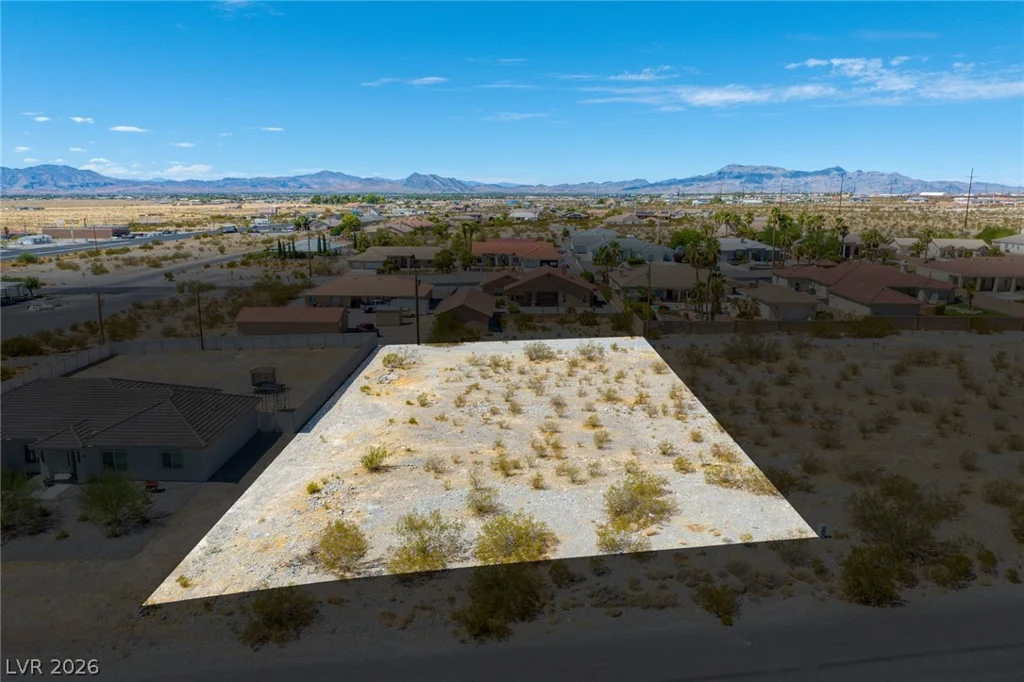
Located 80 miles northeast on the Utah border, Mesquite is a sun-drenched haven built along the Virgin River Valley, heavily driven by golf course communities, active-adult master plans, and second-home buyers.
* **The Dynamic:** Land prices here are a fraction of what you see in the Vegas valley, with single-family custom lots often sitting in the low-to-mid $100k range. The market is highly corporate, dominated by large developers, but excellent individual lots exist with stunning red-rock and fairway views.
* **The Play:** Perfect for retirement custom builds or speculative residential builders targeting the snowbird demographic. It offers a slower pace but has solid infrastructure already baked into its primary corridors like Pioneer Boulevard.
### 4. Pahrump (The Wild West of Water Rights)
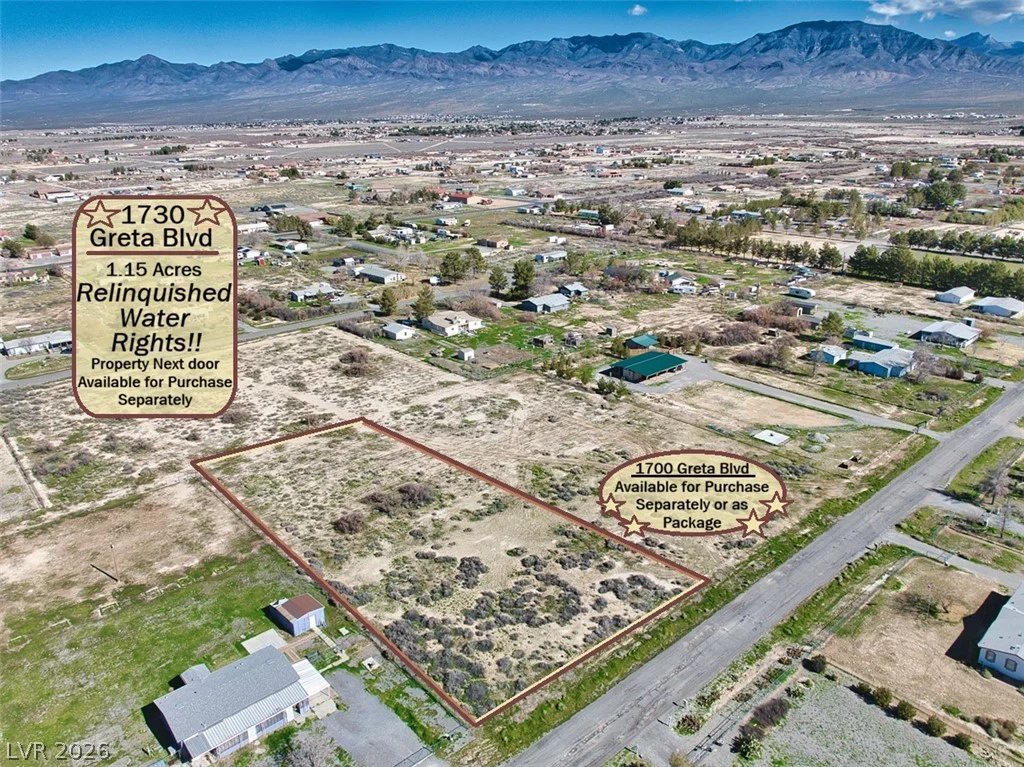
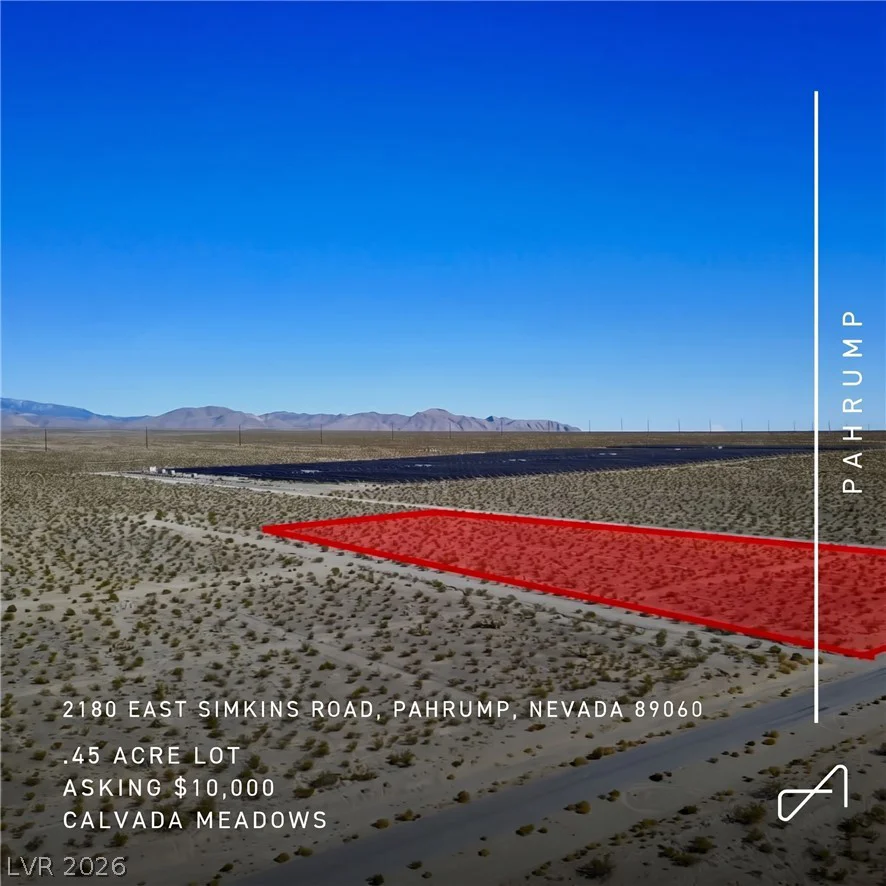
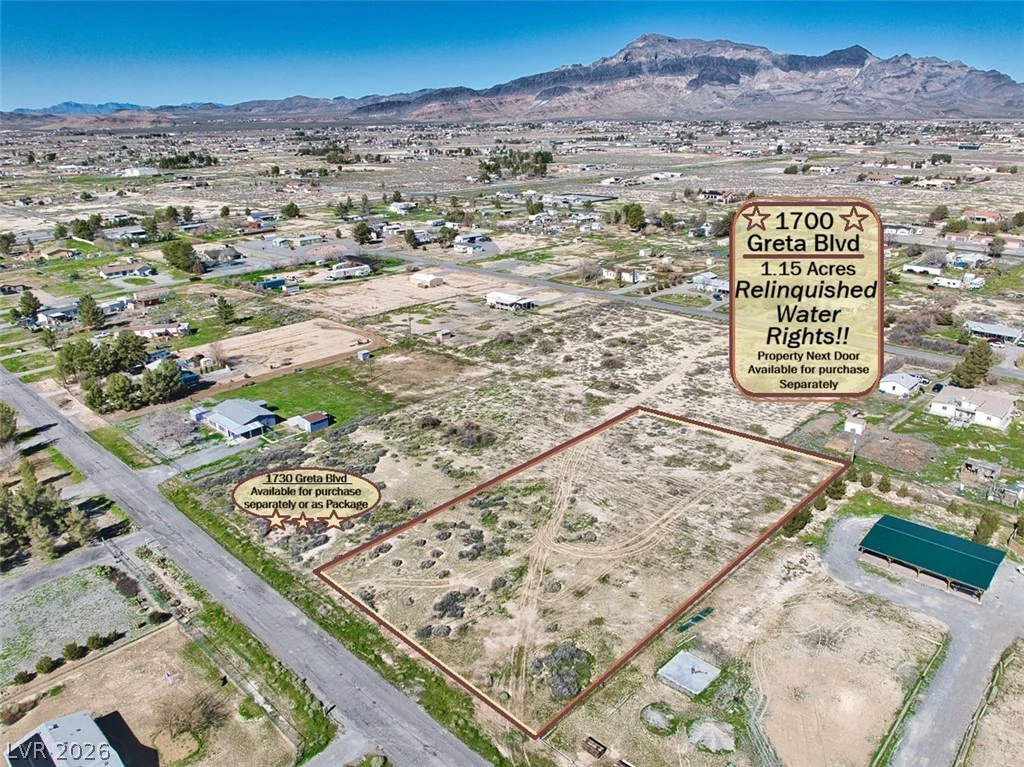
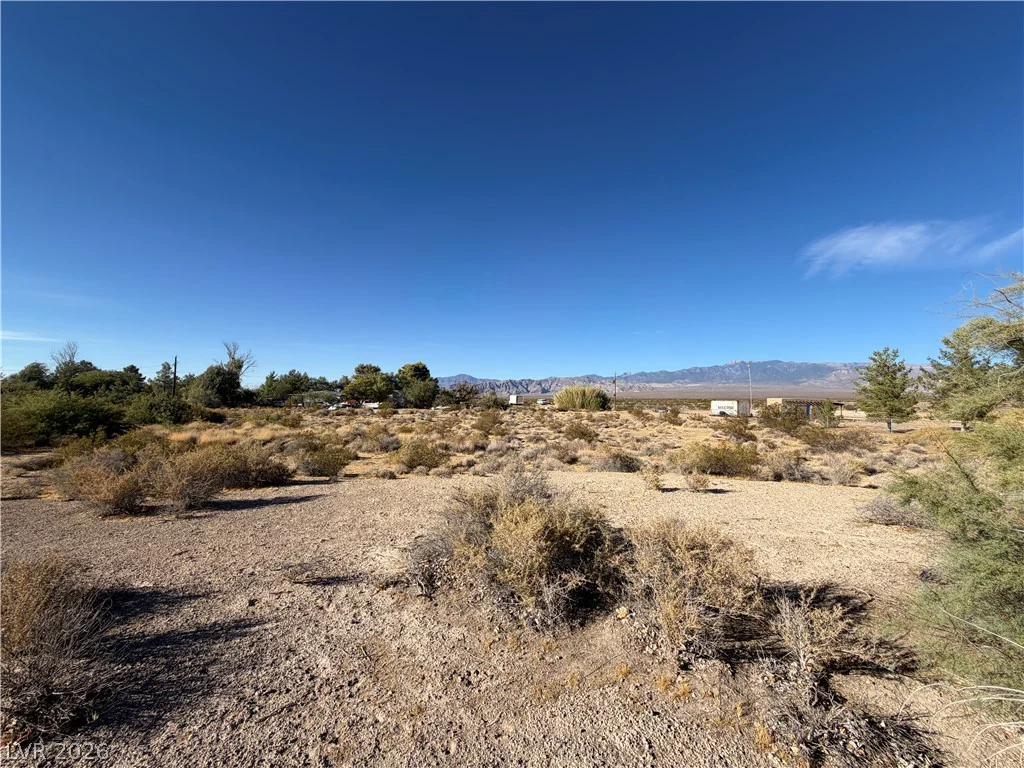
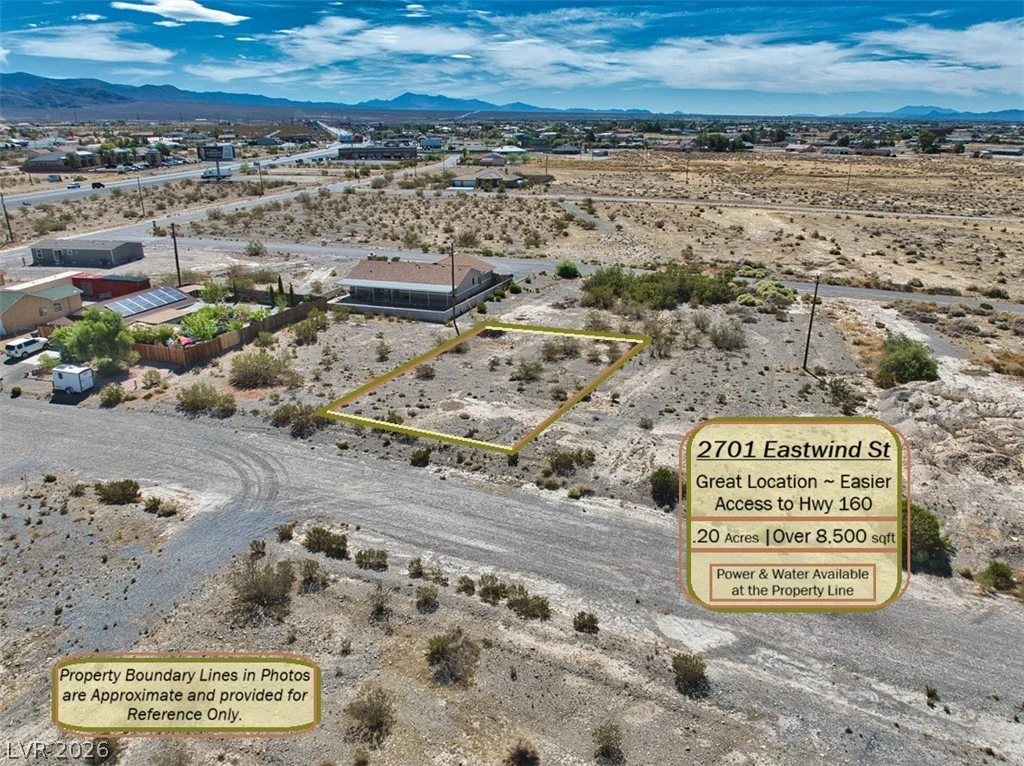
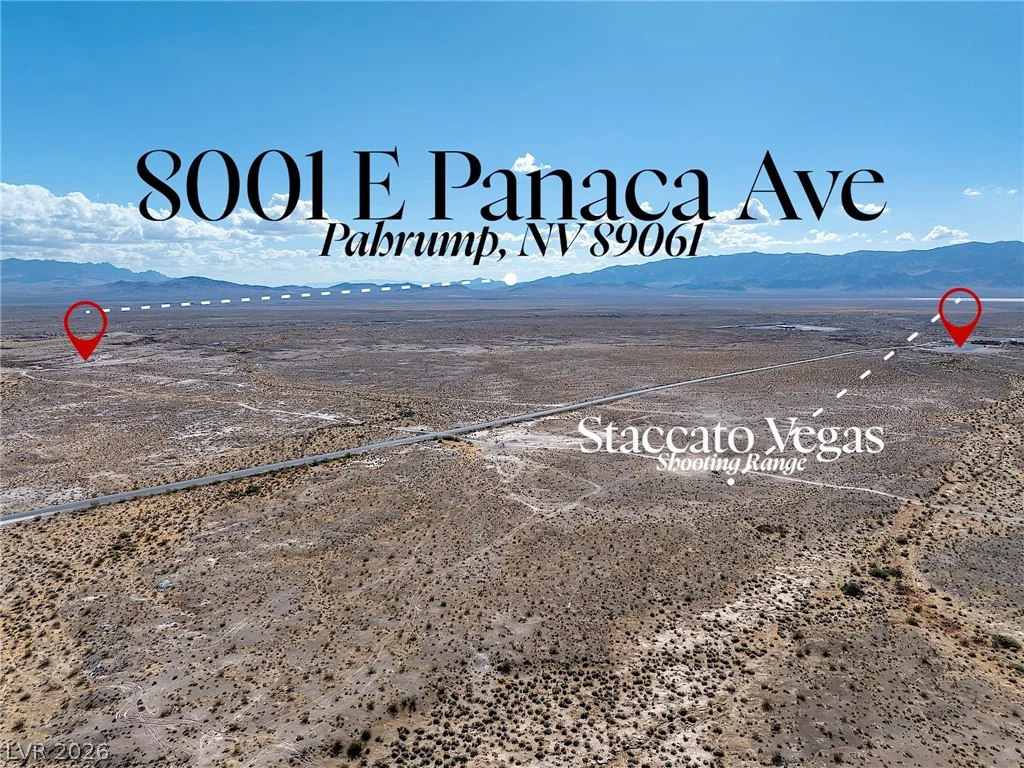
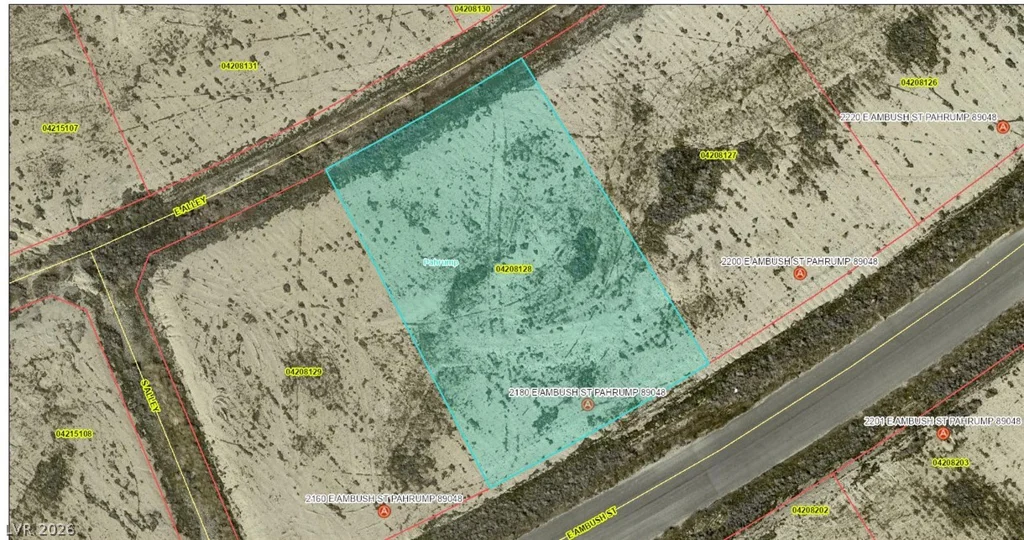
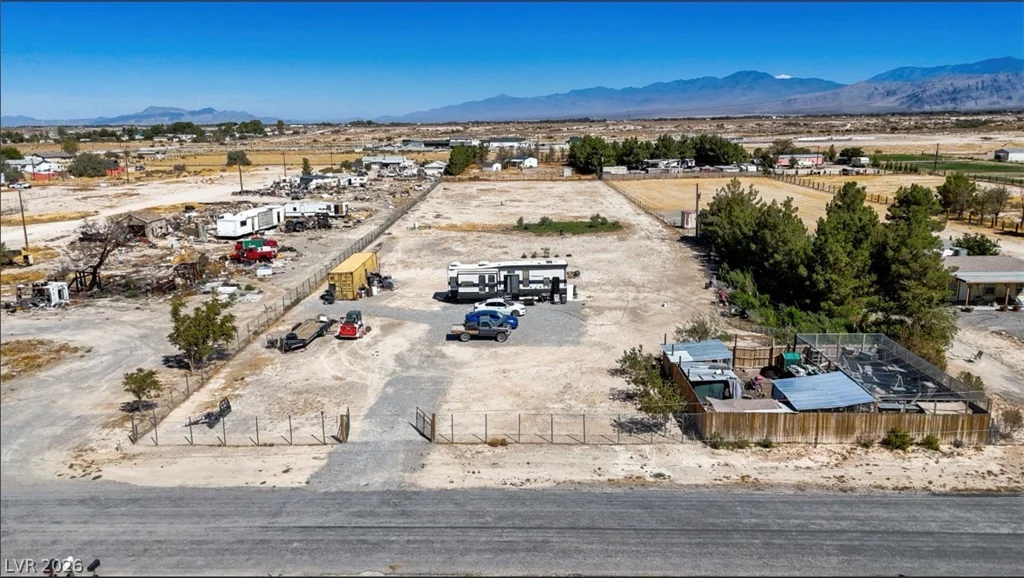
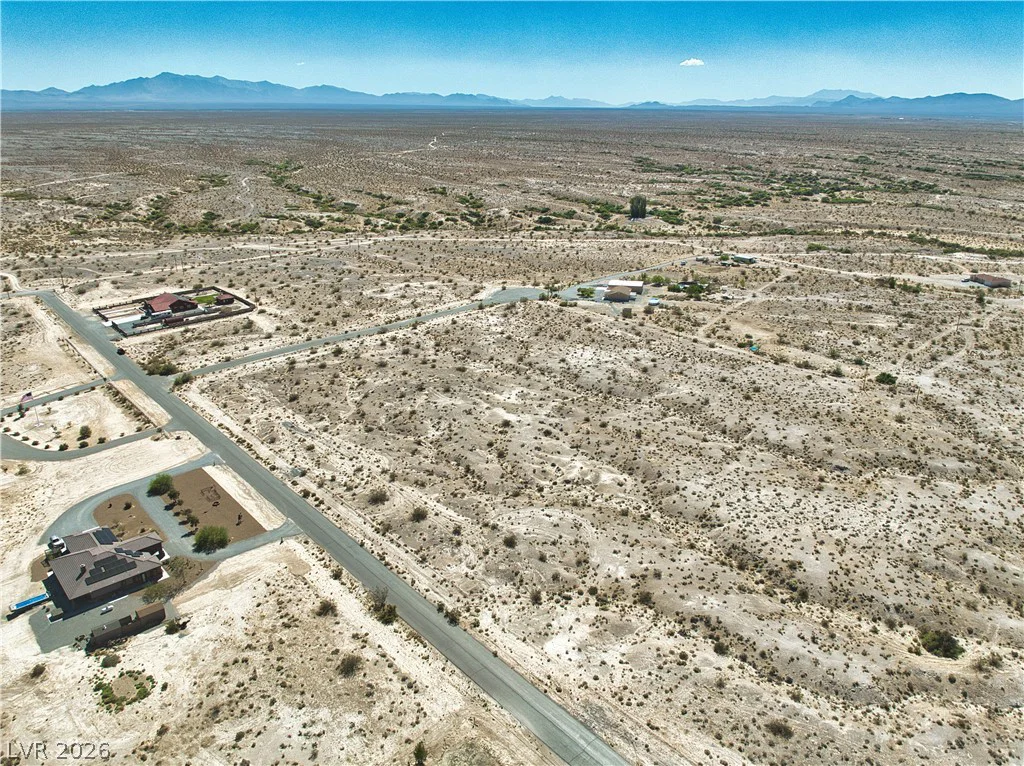
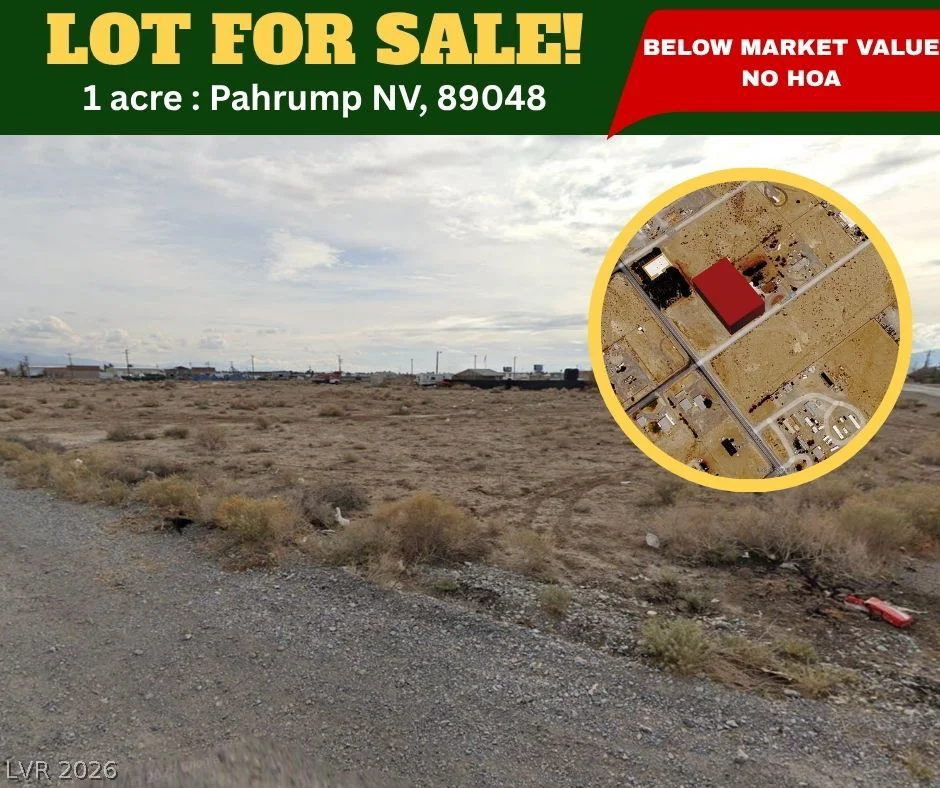
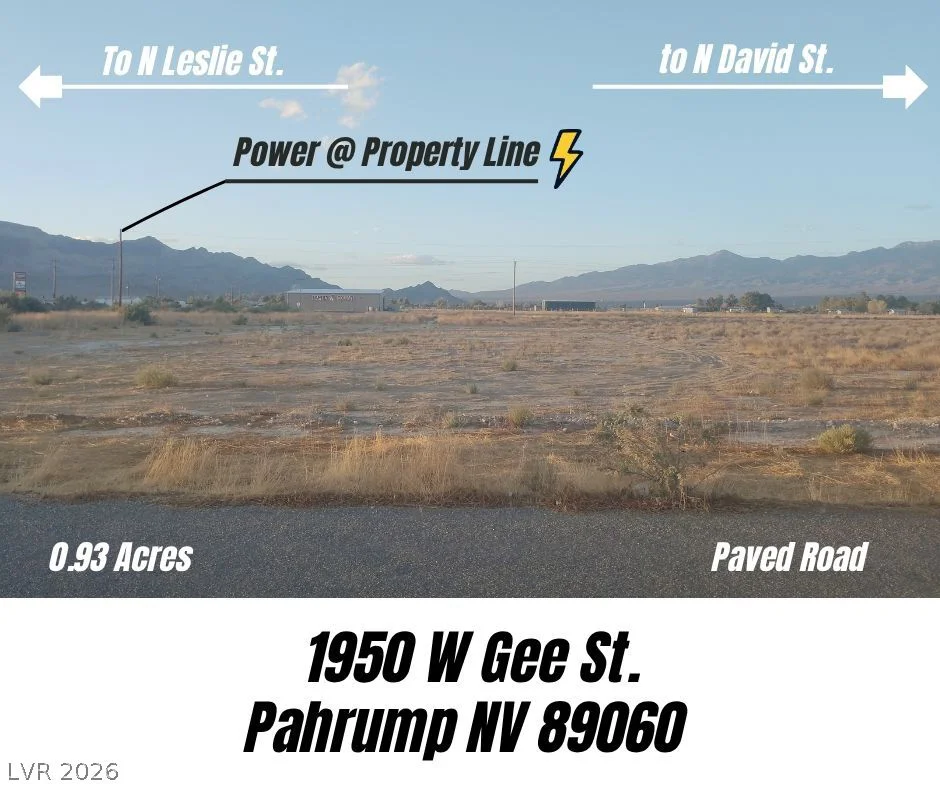
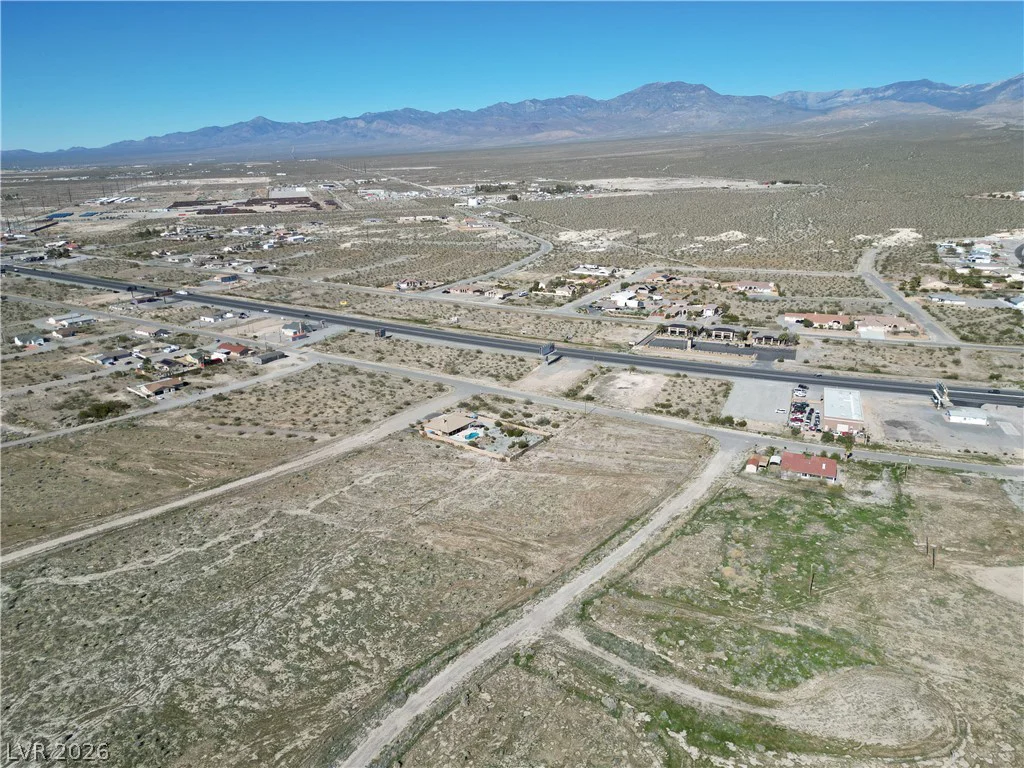
Just over the Spring Mountains in Nye County, Pahrump operates on a completely different set of rules. It offers massive acreage for incredibly low entry prices, making it a haven for true DIY homesteaders, rural investors, and people looking for space without HOA overwatch.
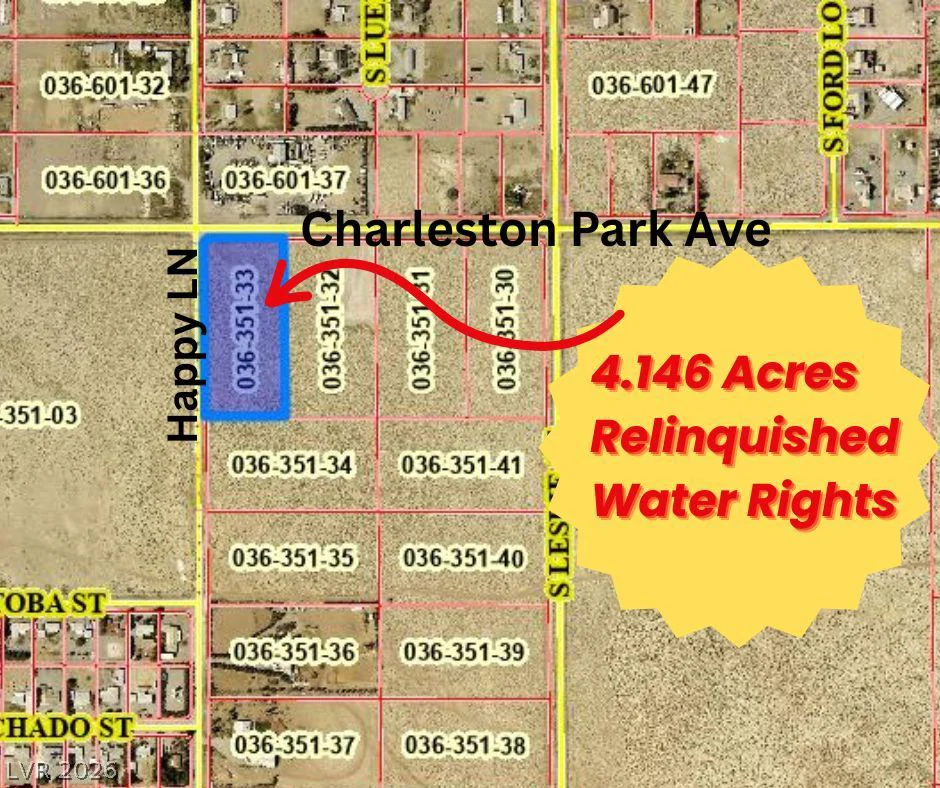
* **The Dynamic:** Everything in Pahrump hinges on **water**. The Pahrump Basin is heavily over-allocated, meaning you cannot simply drill a domestic well on a new parcel without addressing water rights. Under the Nevada Division of Water Resources regulations, if you want to subdivide or develop, you must frequently purchase and “relinquish” existing water rights to get a permit.
* **The Play:** Acreage is cheap, but your due diligence must be flawless. You have to verify power proximity (bringing power poles down a dirt road can run thousands per pole) and ensure the parcel has legally recognized access and verified water viability before putting a dollar down.
—
> **The Golden Rule of Nevada Land:** Never buy a piece of desert just because it looks beautiful on a map. Always run a comprehensive utility verification, check the flood zone overlays via the regional flood control district, and verify the legal access rights. In the desert, raw land is cheap; *usable* land is where the real value lies.