Why Lofts Matter in Summerlin
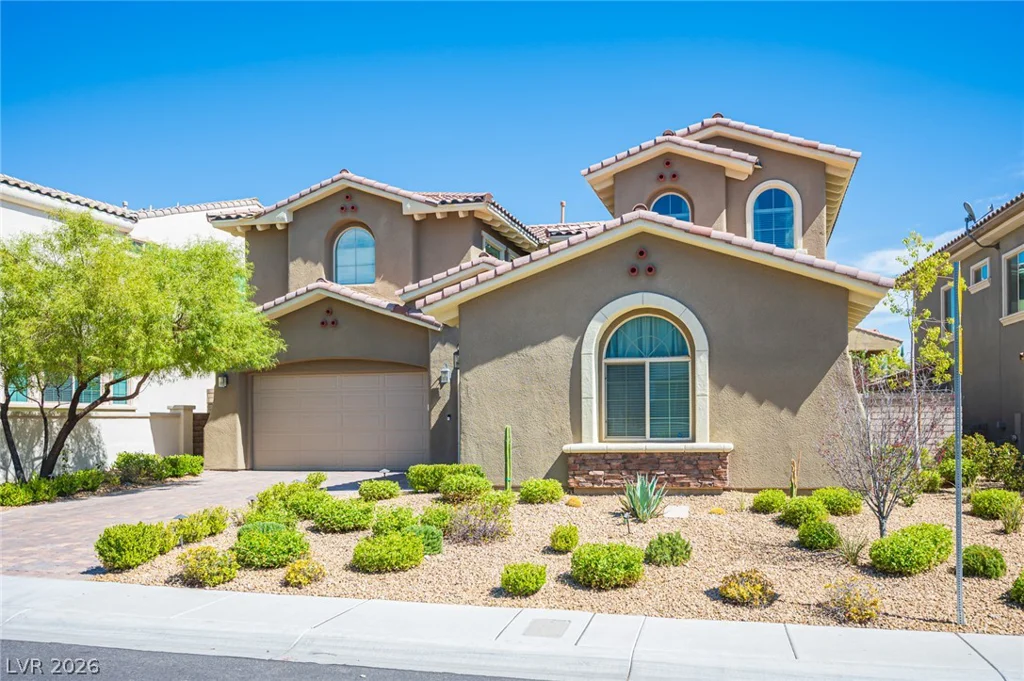
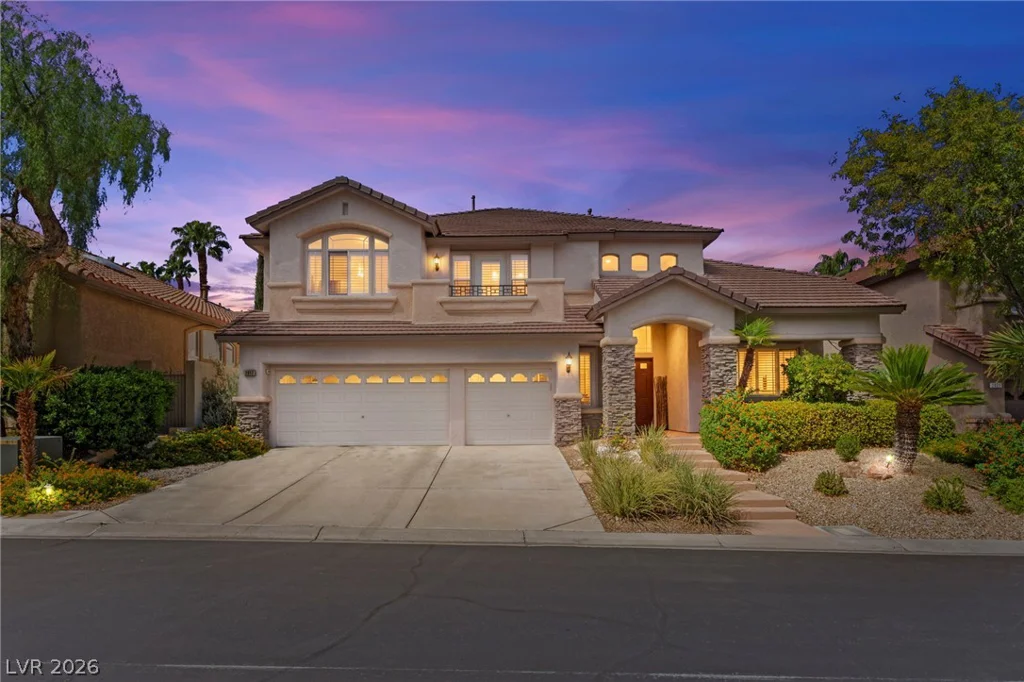
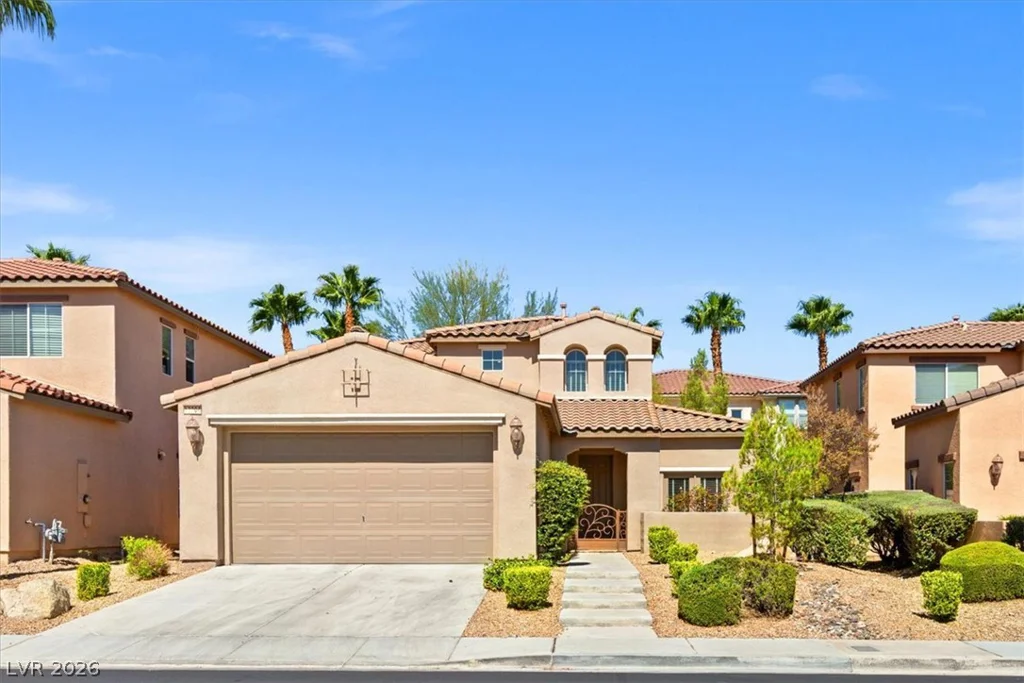
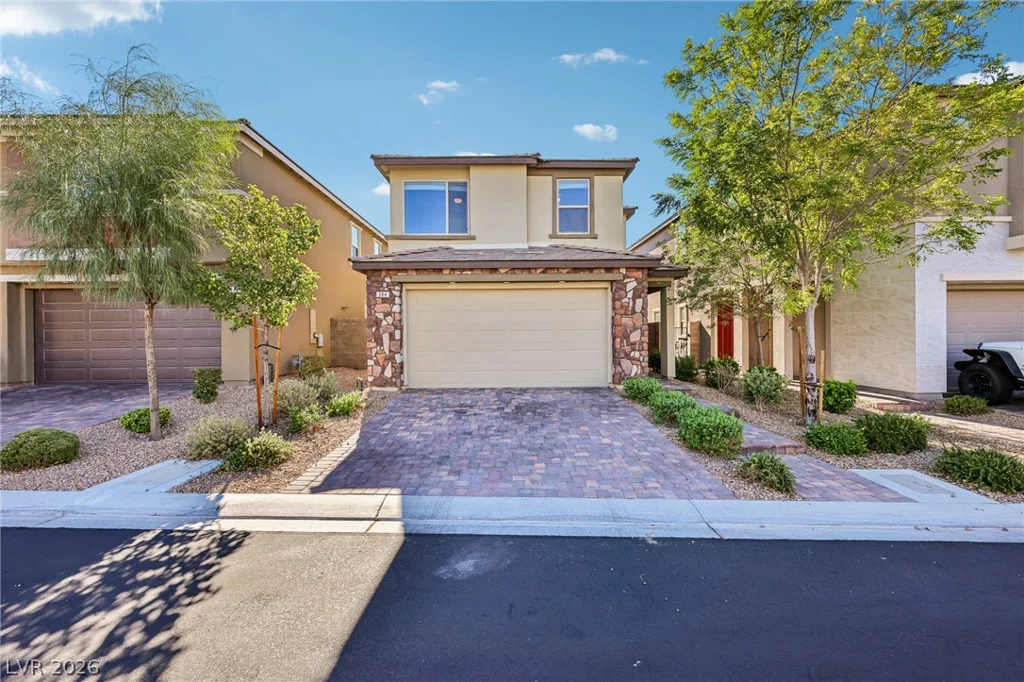
Two-story floor plans throughout Summerlin’s family-oriented villages frequently include a second-floor loft — an open landing space at the top of the stairs that’s neither a bedroom nor a hallway, just extra square footage waiting for a purpose. For families with kids attending nearby elementary and middle schools, a loft often becomes a homework or gaming zone separate from bedrooms, giving parents a sightline into what kids are doing upstairs without it happening in a bedroom. For buyers who work from home but don’t need a fully enclosed office, a loft near the primary suite can serve as a casual workspace with natural light from a shared window. The feature is most common in villages built during the 2000s and 2010s; some of the newest Redpoint-area plans have moved away from lofts in favor of additional enclosed bedrooms, reflecting shifting buyer priorities toward private rooms over open flex space.
What to Inspect Before You Make an Offer
- Stand in the loft during a showing and listen for noise carrying up from the great room below, since open lofts above open-concept living areas can be surprisingly loud
- Check the stair location relative to the loft, as a loft positioned directly at the top of an open stairwell can feel more like a wide hallway than a usable room
- Evaluate furniture layout possibilities against the loft’s actual dimensions and railing placement, since open railings limit where furniture can safely be placed with young children
- Ask whether any loft has been partially enclosed or converted, and if so, confirm the work was permitted and didn’t compromise required egress for adjacent bedrooms
- Consider conversion potential carefully — converting a loft to an enclosed bedroom typically requires adding a wall, a door, and sometimes addressing fire-rating requirements between floors
The Most Common Buyer Mistake in Summerlin
Buyers sometimes plan to use a loft as a quiet home office before realizing, after move-in, that the open layout means every sound from the kitchen and living room below carries directly up to the loft space. A loft positioned above a great room with vaulted ceilings can amplify this effect even further, since sound travels more freely in taller open spaces — a detail that’s nearly impossible to assess from photos and easy to miss during a quick daytime tour when the home is empty and quiet.
Resale Perspective & Market Reality
Lofts are a fairly neutral feature in Summerlin’s resale market — buyers don’t typically pay a premium specifically for a loft, but a well-proportioned, usable loft can support a slightly broader pool of interested buyers by offering flexible space that appeals differently to families, remote workers, and multigenerational households. Buyers prioritizing flex space often also consider Summerlin homes with dens or offices as an alternative that offers more privacy than an open loft. Buyers focused on kitchen quality alongside layout flexibility often compare against Summerlin homes with stainless steel appliances, since both features tend to appear together in similarly aged two-story floor plans.
Local Cost Context
Converting an open loft into an enclosed bedroom or office in a Summerlin home involves framing a new wall, adding a door, and potentially addressing fire-separation requirements between the new room and the stairwell — a project that requires a Clark County permit but generally doesn’t need HOA architectural approval since it’s interior. Buyers weighing this conversion against simply finding a home with more enclosed bedrooms from the start should compare costs carefully, as the conversion can run into the lower five figures depending on scope. For comparison in a different master-planned community, Cadence homes with lofts shows how this feature is positioned in another newer-build area.
Frequently Asked Questions
Are lofts still included in Summerlin’s newest two-story floor plans?
Some of the newest plans in villages like Redpoint have shifted away from open lofts toward additional enclosed bedrooms or bonus rooms, reflecting buyer demand for more private, flexible rooms, so loft availability varies more by specific floor plan and build year than by village alone.
Can an open loft above a great room be soundproofed without a full conversion?
Partial improvements like adding rugs, upholstered furniture, and acoustic panels can reduce noise transfer somewhat, but meaningfully soundproofing an open loft typically requires enclosing it with walls and a door, since the open architecture itself is the primary source of sound transfer between floors.