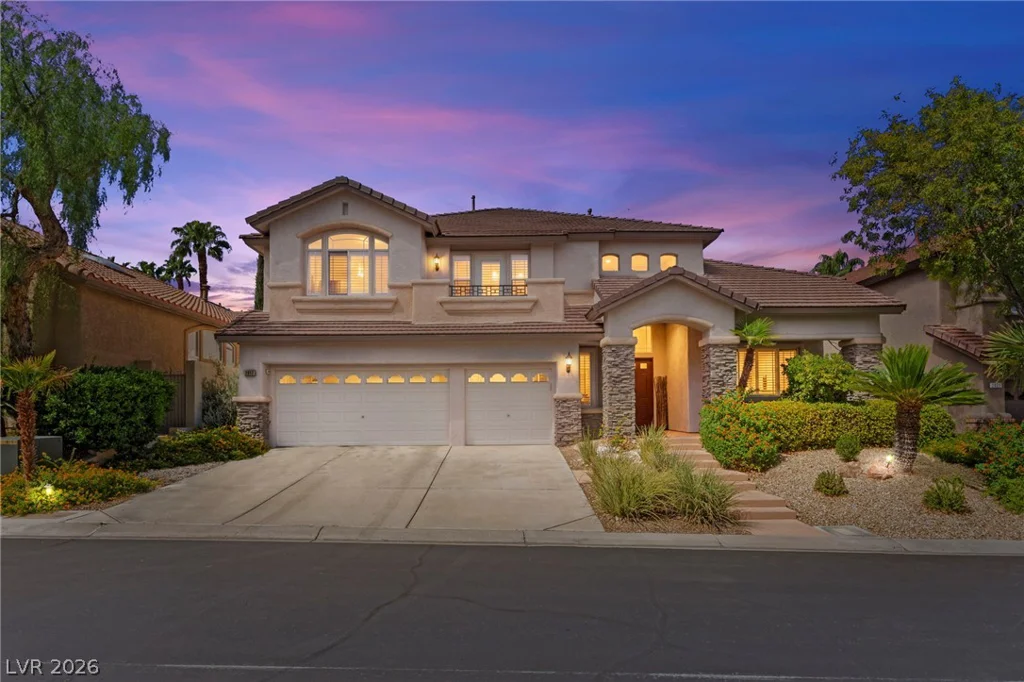
Why Heated Pools Matter in Summerlin
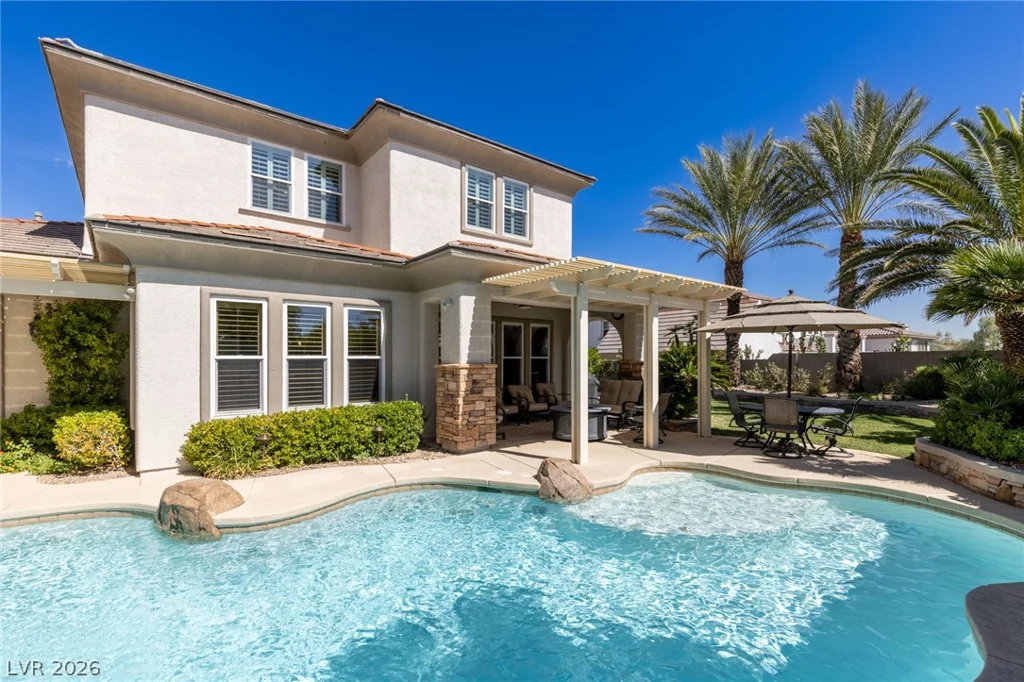
Summerlin’s spring and fall evenings cool off fast once the sun drops behind Red Rock Canyon, and that 20-degree swing is exactly why a heated pool earns its keep here. Families in villages like The Trails or Sun Colony use heat pumps and gas heaters to stretch swim season into October and reopen it by March, turning a backyard near the trail network into a year-round gathering spot rather than a three-month luxury. For households who picked Summerlin for its walkability to Downtown Summerlin and the trails connecting Hills Park, Crossroads Park, and the Desert Foothills greenway, a heated pool also doubles as recovery space after long bike rides or trail runs. Buyers relocating from milder climates often underestimate how much the desert’s nighttime temperature drop affects pool comfort, and a working heater becomes a quiet differentiator between a pool that gets used and one that sits empty most of the year.
What to Inspect Before You Make an Offer
- Confirm whether the heater is gas or heat pump, and check the manufacture date stamped on the unit — most units in older Summerlin sections near Hills Center are now 12-15 years old and nearing replacement.
- Run the heater during the showing if possible, or ask the seller for the most recent gas or electric bill showing heater usage during a cooler month.
- Check the pool equipment pad for corrosion or mineral buildup from Las Vegas’s hard water, which shortens heater and pump life significantly.
- Ask for service records or a recent pool inspection, especially for homes with resort-style pools and water features common in newer west-side villages like Redpoint.
- Review the HOA’s pool fencing, equipment screening, and noise rules — Summerlin’s architectural committees regularly require equipment to be hidden behind approved enclosures.
The Most Common Buyer Mistake in Summerlin
The recurring mistake is assuming “heated pool” means the heater currently works. Sellers sometimes leave heaters disconnected or non-functional for years because Summerlin’s mild winters mean many owners simply stop using the pool from December through February rather than pay to fix it. Buyers who don’t ask for a demonstration or a pool company inspection can close escrow expecting a usable amenity and discover a $2,500-$4,500 heater replacement bill in their first month.
Resale Perspective & Market Reality
In Summerlin’s golf-adjacent and family villages, a documented working heater can shave several days off market time compared to listings that simply mention “pool” without specifying heating, because buyer search filters increasingly separate the two. Listings near Summerlin homes with city views tend to pair heated pools with premium pricing, so agents should price the heater as a feature, not an afterthought, when comparing against unheated comps in the same village.
Local Cost Context
Expect a gas heater to add $150-$300 to a winter month’s utility bill if run regularly, while a heat pump runs more efficiently but struggles below roughly 50°F overnight — relevant for Summerlin’s higher-elevation villages near the western foothills, which run a few degrees cooler than the valley floor. If you’re also considering a guard-gated section, compare against Summerlin gated homes, where HOA architectural review boards may require pool equipment to meet stricter sound and screening standards before approving a heater upgrade or replacement.
Frequently Asked Questions
Does Summerlin’s HOA require permits for replacing a pool heater?
Most Summerlin master association and sub-HOA architectural committees require a permit submission for any equipment visible from neighboring lots or the street, and Howard Hughes Corp covenants in newer villages like Stonebridge are particularly strict about screening walls or landscaping around new equipment installations.
How does elevation in western Summerlin villages affect heater performance?
Villages closer to Red Rock Canyon sit at a slightly higher elevation than the valley floor, which means overnight lows can run 3-5 degrees cooler — a heat pump in these areas may need supplemental gas heating to maintain comfortable swim temperatures during shoulder seasons.