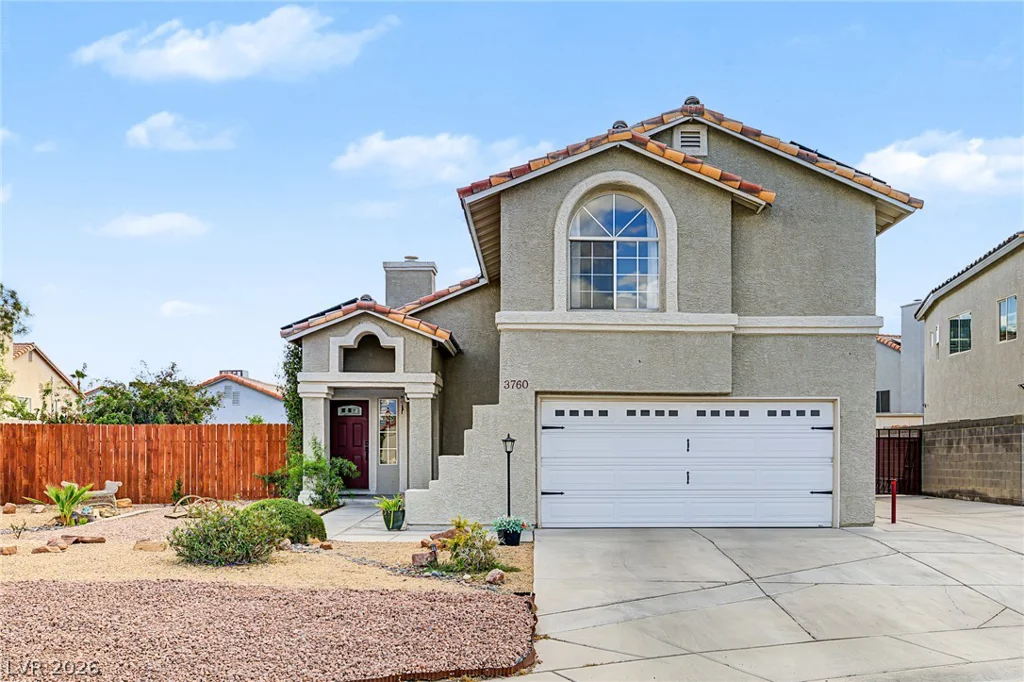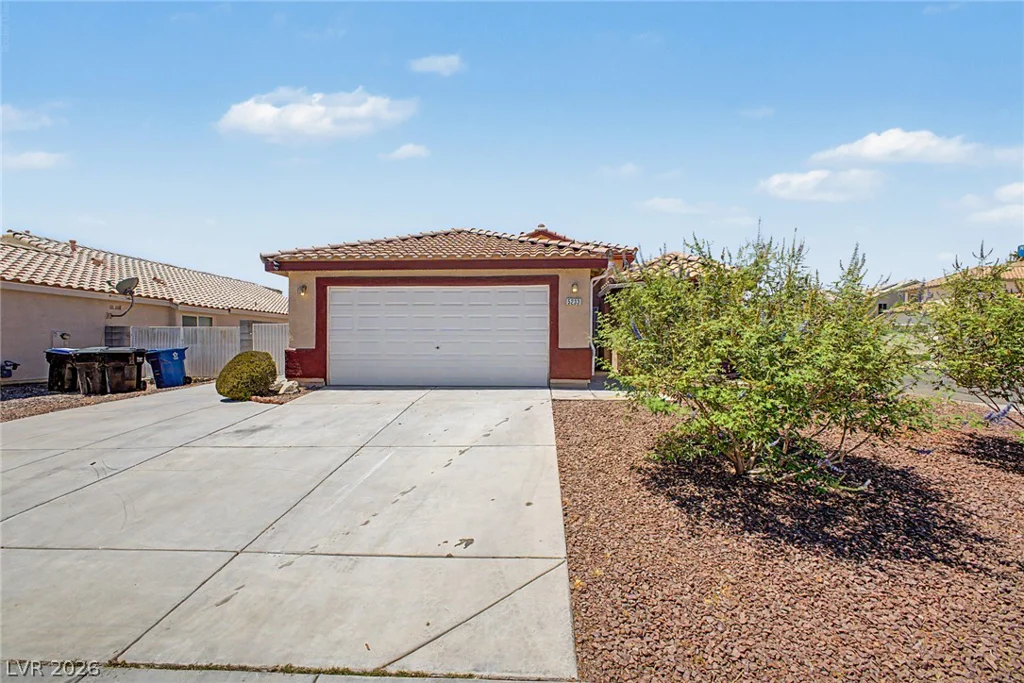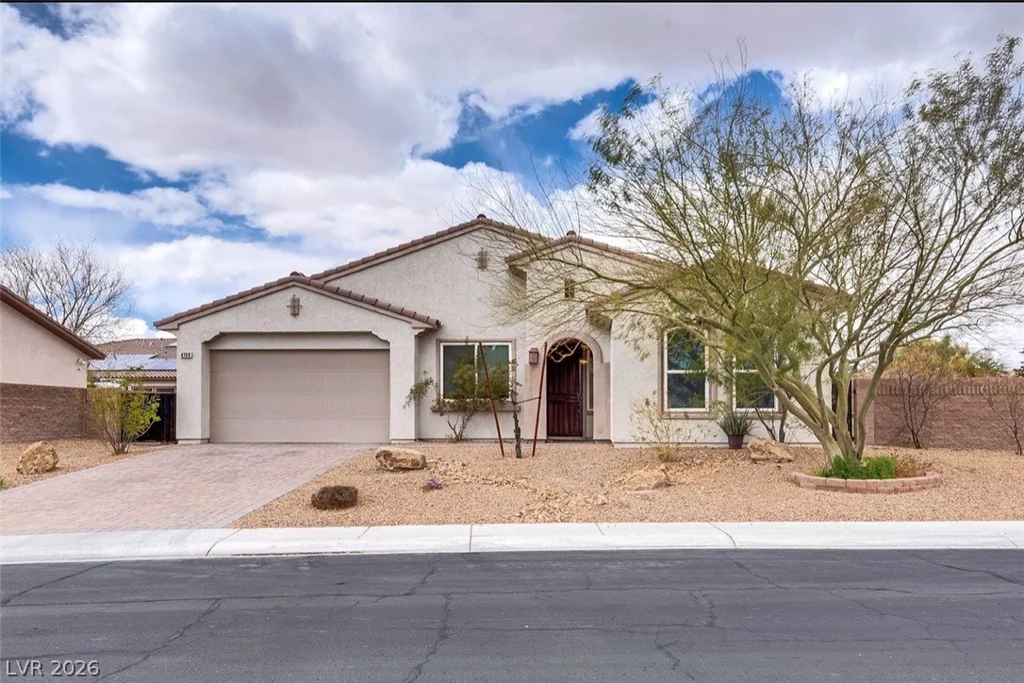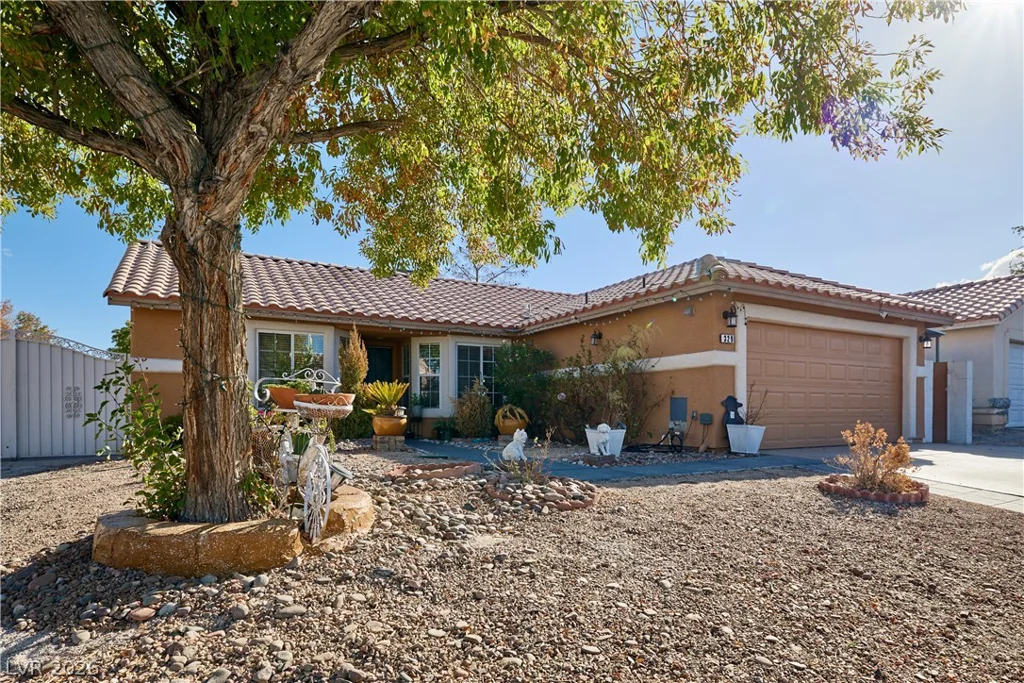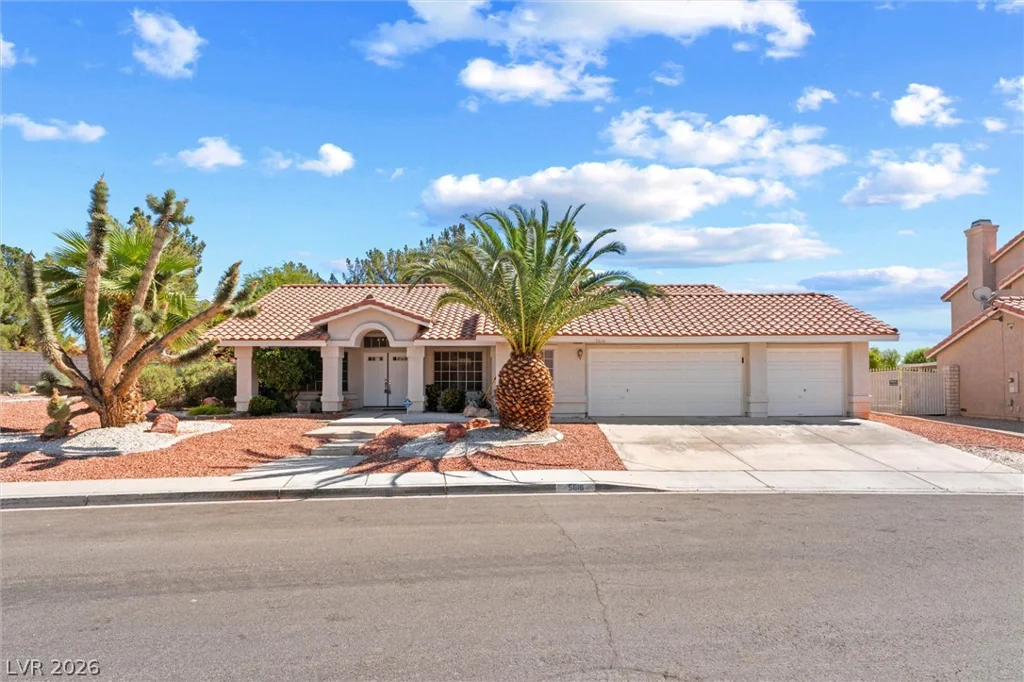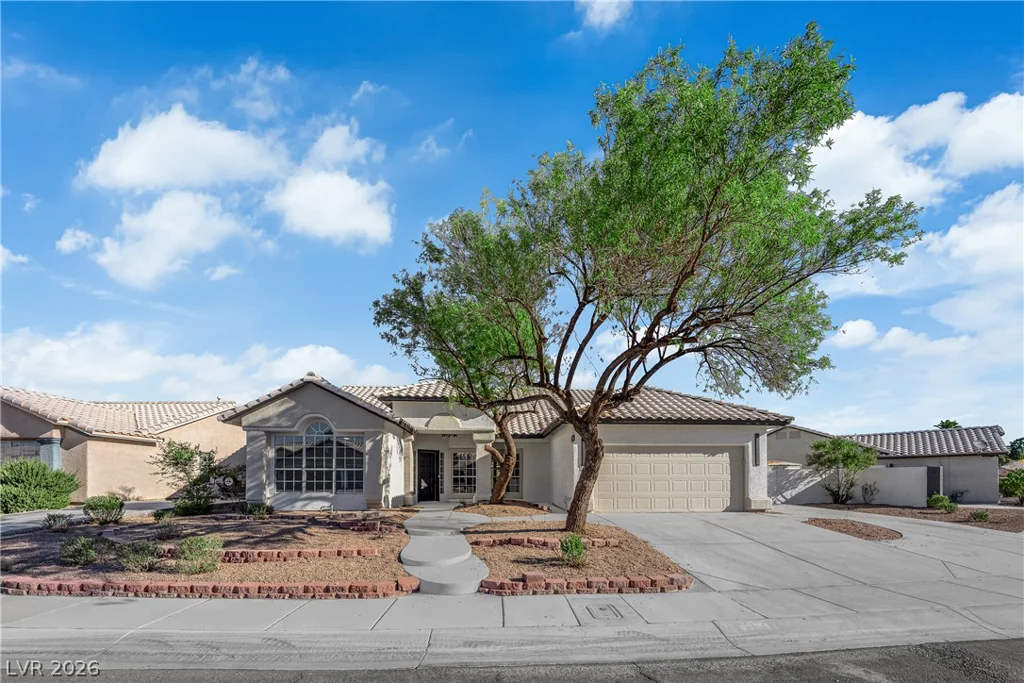
Why RV Parking Matters in North Las Vegas
With Las Vegas Motor Speedway sitting at the edge of the city, it’s no surprise RV ownership runs higher here than in many other parts of the valley — race weekends, desert camping trips, and toy hauler hobbies are simply part of life for a meaningful share of North Las Vegas residents. That demand collides with a housing stock where lot sizes and HOA rules vary block by block: some 1990s-era subdivisions near Aliante have generous side yards with existing RV gates, while other communities, particularly newer ones, restrict visible RV storage entirely regardless of lot size. For buyers who already own an RV, boat, or trailer, confirming actual usable RV parking — not just the presence of a gate — should happen before the property even makes the shortlist, because retrofitting a home for RV storage after purchase can be expensive or, in some HOAs, simply not allowed.
What to Inspect Before You Make an Offer
- Gate width measured in person — many listings show an RV gate in photos that turns out to be too narrow for anything larger than a small trailer once measured
- Side-yard depth and any obstructions like AC units, gas meters, or pool equipment that reduce usable length for parking
- Surface material — gravel versus concrete affects both usability and whether the HOA considers it a finished, approved parking area
- Turning clearance from the street into the gate, especially on corner lots or homes on curved streets common in Aliante-area subdivisions
- Current HOA rules specifically for RV, boat, and trailer storage, since this is one of the most variable rules between adjacent North Las Vegas subdivisions
The Most Common Buyer Mistake in North Las Vegas
A buyer sees “RV gate” listed as a feature and assumes that settles the question, without realizing a gate simply means there’s an opening in the wall — it says nothing about whether the side yard behind it is long enough, wide enough, or clear of obstacles to actually fit an RV. A buyer near Centennial Parkway discovered after closing that while the home did have an RV gate, the side yard was interrupted by the pool equipment pad about fifteen feet in, leaving no room for their travel trailer. Always walk the full side yard length with a tape measure (or your RV’s actual dimensions) during the showing, and confirm the HOA will permit the vehicle type you own before treating “RV gate” as a solved problem.
Resale Perspective & Market Reality
In North Las Vegas, confirmed usable RV parking — especially in HOAs that explicitly allow it — tends to be a strong draw that can shorten days on market for the right buyer pool, sometimes becoming the single deciding feature between two otherwise similar homes. The flip side is that homes in HOAs with strict no-RV-storage rules sometimes still advertise “RV gate” language left over from a previous listing description, which can create friction during showings when buyers realize the gate doesn’t mean what they assumed. If parking and storage flexibility are priorities, it’s also worth a look at North Las Vegas homes with mountain views, since some of the newer subdivisions toward Sheep Mountain combine both view lots and more relaxed parking rules than older HOAs closer to the city core.
Local Cost Context
Adding a concrete RV pad and gate to a North Las Vegas home that doesn’t already have one involves both the hardscape cost and, in many cases, a fee for the HOA architectural review process — and this is one area where the HOA strictness gap between older and newer subdivisions really shows. Established associations in the Aliante area, with decades of precedent around streetscape uniformity, can be quite strict about gate style, height, and pad visibility from the street, sometimes denying requests outright in sections where RV storage was never part of the original design. Newer communities pushing toward Sheep Mountain are sometimes more accommodating, particularly in subdivisions that were marketed partly on lot size and storage flexibility from the start. Either way, budget for both the construction cost and the possibility of a multi-week HOA approval timeline before assuming you can add RV parking after closing.
Frequently Asked Questions
What is the typical minimum side-yard width needed for RV parking in North Las Vegas subdivisions?
There’s no single citywide standard since it depends on both the lot’s physical dimensions and the specific HOA or zoning requirements for setback and screening, but as a practical matter most usable RV parking areas need clearance of roughly 10 to 12 feet in width to accommodate a typical travel trailer or motorhome plus walking clearance, so measure the actual side yard against your vehicle’s width and length rather than relying on a general rule.
If my HOA in North Las Vegas doesn’t allow visible RV storage, are there nearby off-site storage options buyers typically rely on?
Yes — the area around the Speedway corridor and along major arterials in North Las Vegas has a number of RV and boat storage facilities that buyers in restrictive HOAs commonly use, and factoring a monthly storage fee into your budget is worth doing during your home search if you own an RV but are considering a community with strict storage rules.