Why Spas and Hot Tubs Matter in Las Vegas
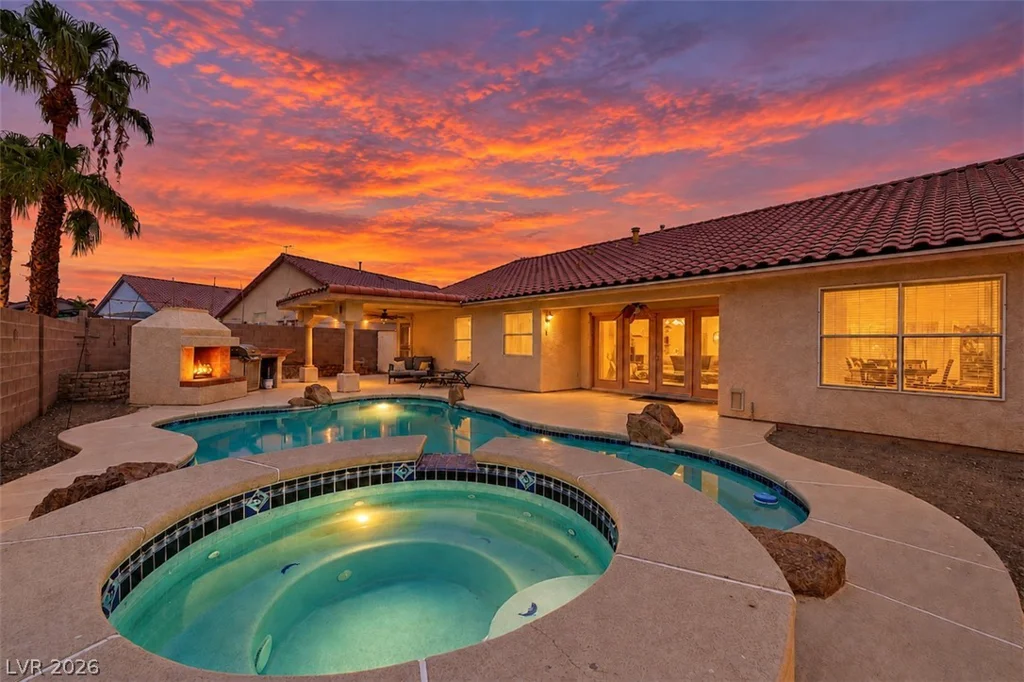
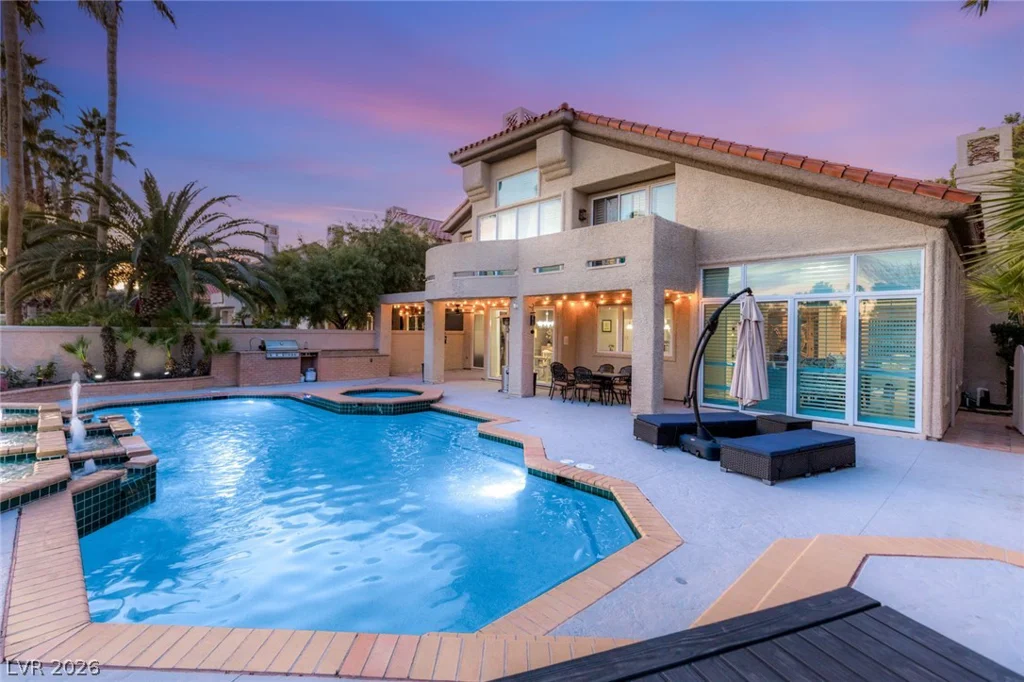
Once the sun goes down and desert temperatures drop, even in summer, a spa or hot tub becomes one of the most-used features in a Las Vegas backyard. Retired buyers and snowbirds drawn to the valley’s mild winters often prioritize a working spa for year-round soaking, while younger buyers near Spring Mountain Road and the Strip corridor see an in-ground spa attached to a pool as a sign the backyard was designed for entertaining rather than just landscaped as an afterthought. In older neighborhoods near Desert Inn Road, a separate freestanding hot tub on a side patio is more common than a built-in spa, and that distinction matters for both maintenance and resale. Across the valley, the appeal isn’t just the soak itself — it’s the combination of low winter overnight temperatures and dry air that makes a hot tub genuinely useful most months of the year, unlike in more humid climates where it might sit unused.
What to Inspect Before You Make an Offer
- Ask for service records on the spa heater and pump, since a failed heater on an older built-in spa can be one of the more expensive single-item repairs in a backyard.
- On homes built before the 2000s, check the spa’s tile and grout line for cracking or staining, which often indicates the shell has shifted slightly over decades of heating and cooling cycles.
- If the spa is part of an automated pool system, confirm the control panel and remote actually function and that any app-based controls work with current phones.
- Ask the seller about average monthly utility costs to run the spa, since gas or electric heating costs can vary significantly based on insulation and how often it’s used.
- For freestanding hot tubs, verify whether the unit conveys with the sale or whether the seller plans to take it, since this is a common point of confusion at closing.
The Most Common Buyer Mistake in Las Vegas
Buyers sometimes treat a spa as a minor bonus and skip testing it during the showing, only to find at the final walkthrough that the heater no longer reaches temperature or the jets barely run. Because spa equipment is mechanical and ages on its own timeline separate from the rest of the pool, a home with an otherwise updated backyard can still hide a spa that needs a full equipment replacement.
Resale Perspective & Market Reality
A functioning spa attached to a pool tends to be viewed as a value-add rather than a must-have, so it rarely shortens days on market by itself, but a spa that’s visibly broken or drained can create a negative impression that drags down an otherwise strong listing. Buyers who want more space than a den or office can also search Las Vegas Homes with Dual Primary Suites, since multi-generational households often pair a private spa with a separate primary suite for guests or aging parents.
Local Cost Context
Replacing a spa heater in the Las Vegas area typically falls in the four-figure range depending on whether it’s gas or electric, while a full spa shell resurfacing alongside a pool can add meaningfully to a larger pool renovation project. In HOA communities where backyard spas are visible from common areas or golf courses, architectural review boards may have rules about screening or fencing around raised spas, so check the CC&Rs if your target home backs to a common area. If smart controls for the spa and home matter to you, Las Vegas Smart Homes is a useful parallel search, and buyers open to nearby Henderson can compare inventory at Henderson Homes with Spas and Hot Tubs.
Frequently Asked Questions
Is a built-in spa attached to the pool more efficient to run than a separate hot tub in Las Vegas?
An attached spa that shares the pool’s pump and heater can be more efficient when both are used together, but running the spa alone often means heating water through a larger shared plumbing loop, which can use more energy than a smaller, well-insulated standalone hot tub.
Do Las Vegas homeowners need a permit to add a spa to an existing pool?
Adding a spa as part of new construction or a pool remodel typically requires a permit through the local building department, and any electrical or gas line work for the heater should be inspected to avoid issues during a future home sale.