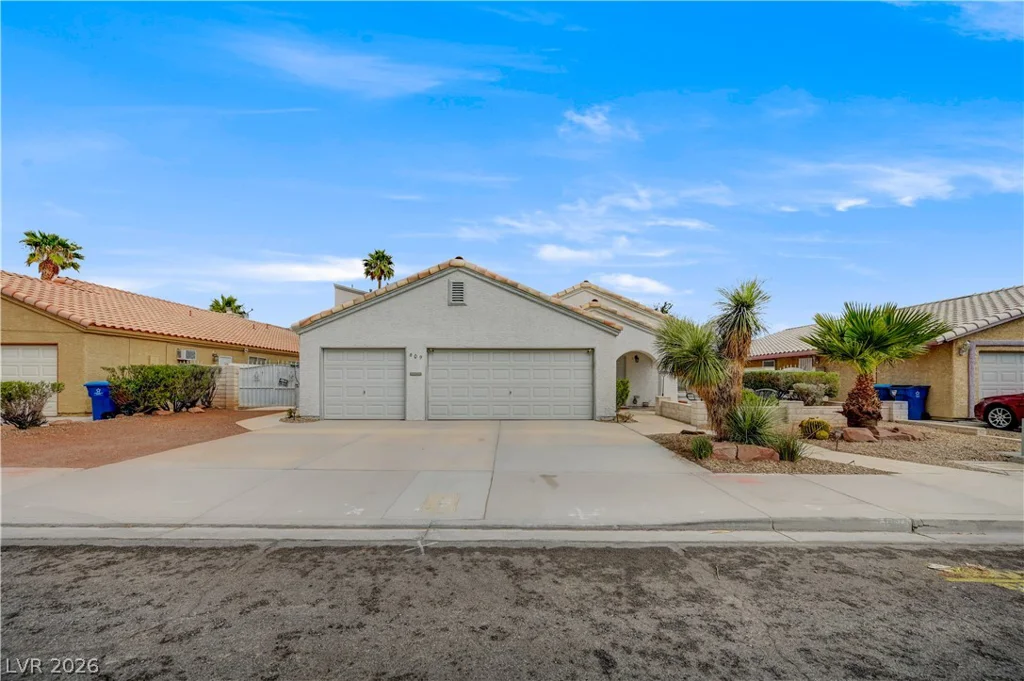
Why Short-Term Rental Potential Matters in Las Vegas
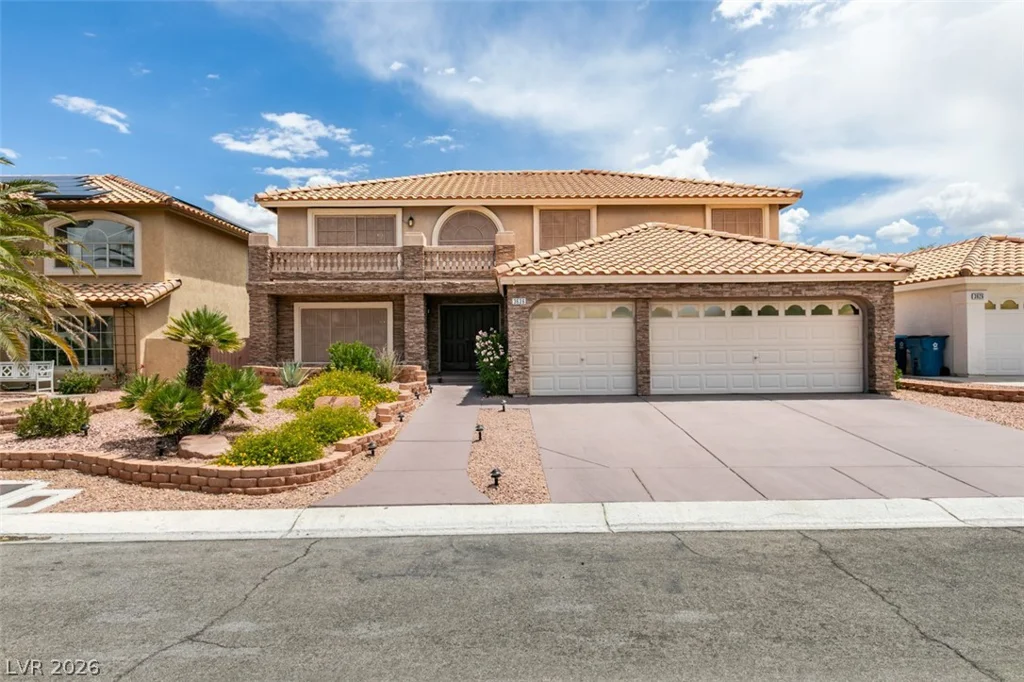
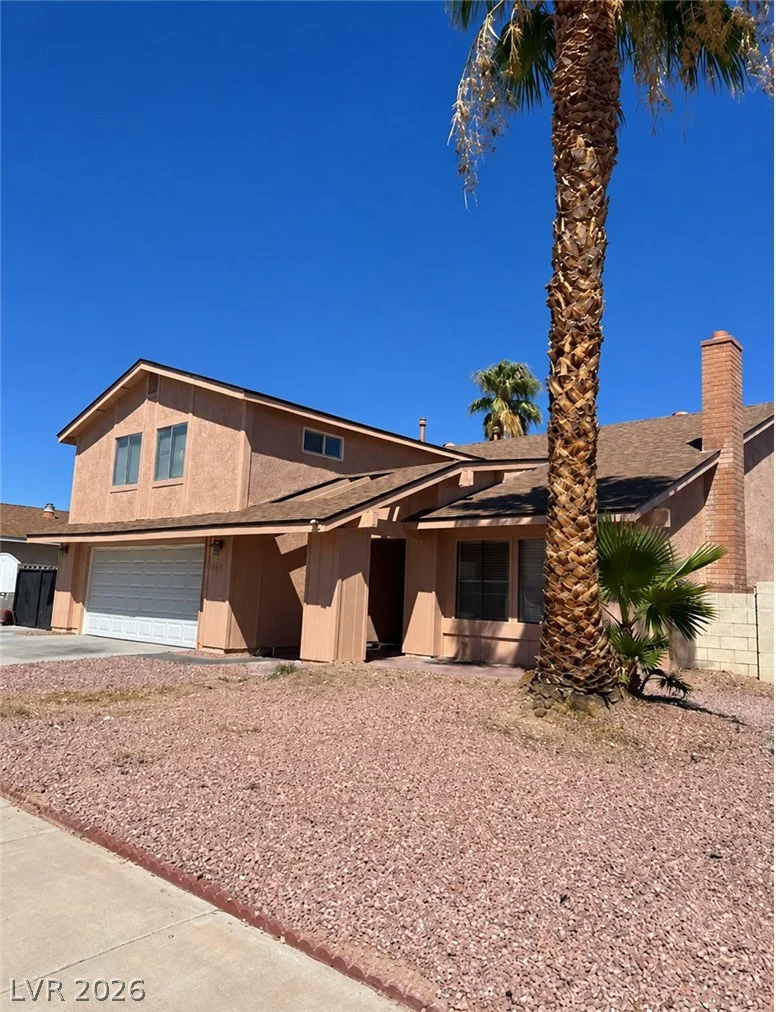
Investors circling the Las Vegas market often start with proximity to the Strip skyline, McCarran/Harry Reid International Airport, or the convention corridor along Paradise Road, betting that visitor traffic will translate into nightly bookings. But the city’s licensing landscape has tightened considerably, and a property’s “potential” now hinges far more on its zoning designation, parcel location relative to residential overlay districts, and HOA bylaws than on how close it sits to the lights. A single-family home in an unincorporated Clark County pocket may have a realistic path to a short-term rental permit, while an otherwise identical home a few blocks away inside Las Vegas city limits may not qualify at all under current ordinances.
What to Inspect Before You Make an Offer
- Determine whether the parcel falls under City of Las Vegas, City of Henderson, North Las Vegas, or unincorporated Clark County jurisdiction — each has its own short-term rental ordinance and permit caps.
- Check the HOA’s CC&Rs for minimum lease term restrictions; many valley HOAs already prohibit rentals under 30 days regardless of city rules.
- Ask whether any existing short-term rental permit or business license is transferable, or whether you’d need to apply fresh and wait through a current permit moratorium.
- Walk the property for noise mitigation needs — pool fencing, sound-dampening on shared walls, and parking capacity for guest vehicles, since complaints are the leading cause of permit revocation.
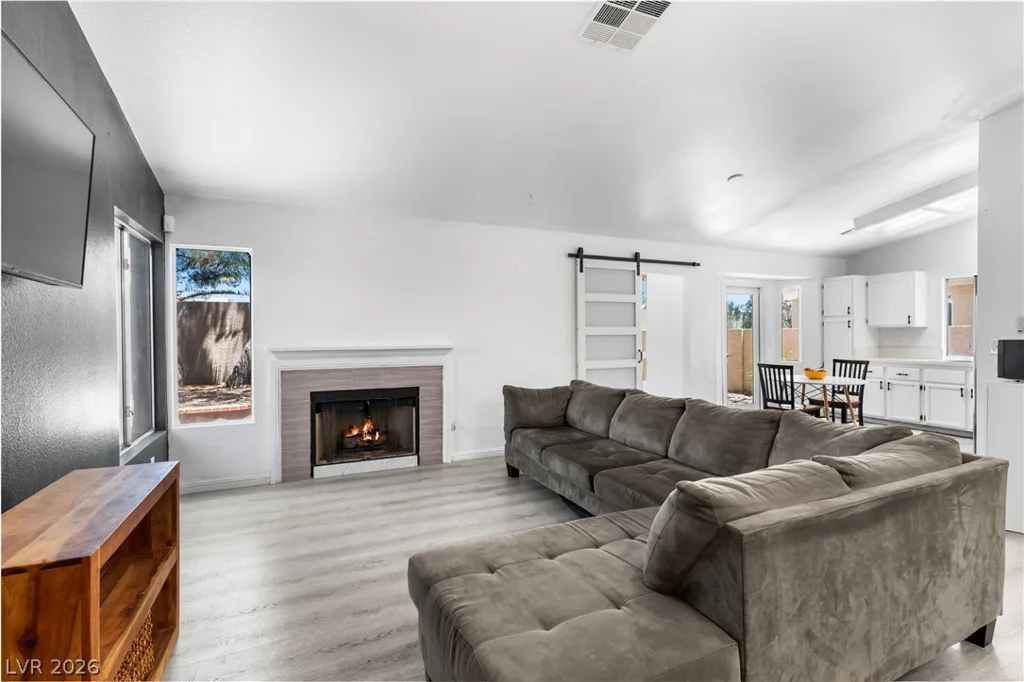
- Review recent utility bills and any existing furnishing inventory if the seller is currently operating it as a rental, since this gives you real income data instead of a projection.
The Most Common Buyer Mistake in Las Vegas
The recurring error is treating a real estate agent’s “great Airbnb potential!” listing remark as a verified fact rather than an opinion. Clark County and the City of Las Vegas have both restricted new short-term rental permits in many residential zones in recent years, and some areas operate under a strict cap with waitlists. Buyers who close first and apply for a permit second sometimes discover the property simply isn’t eligible, leaving them with a long-term rental or owner-occupied home instead of the income property they budgeted for.
Resale Perspective & Market Reality
Properties with an active, transferable short-term rental permit in good standing tend to attract a narrower but more motivated buyer pool — cash investors and 1031 exchange buyers who move quickly once they confirm the permit conveys. Listings that merely claim “rental potential” without documentation often sit longer, because savvy buyers now ask for proof up front and walk away rather than gamble on a permit application that could take months. In neighborhoods where HOAs have recently tightened lease-term rules, expect days-on-market to climb noticeably for any property marketed primarily on its rental angle.
Local Cost Context
Short-term rental business license fees in the valley typically run from a few hundred to over a thousand dollars annually depending on jurisdiction, and that’s before factoring in the higher insurance premiums most carriers charge for transient-occupancy use versus a standard owner-occupied policy. If the rental angle doesn’t pan out on a given parcel, it’s worth comparing Las Vegas Fully Remodeled Homes for move-in-ready long-term rental candidates that need less capital upfront. Energy costs are another factor for any rental that runs HVAC around the clock for guests, so reviewing Las Vegas Homes with Solar Panels can help offset that operating expense if a permit does come through.
Frequently Asked Questions
Can I find out a parcel’s short-term rental eligibility before submitting an offer?
Yes — most jurisdictions in the valley allow you to call the planning or business license department directly with the parcel number (APN) to ask whether the property falls within an eligible zone and whether the area is currently accepting new applications, before you commit to a purchase contract.
Do condo and townhome HOAs in Las Vegas typically allow nightly rentals even if the city does?
Generally no — most master-planned and condo HOAs in the valley adopted minimum 30-day lease requirements well before the city tightened its own rules, so even a parcel with full city-level eligibility can still be blocked entirely at the HOA document level.