Why No-HOA Homes Matter in Las Vegas
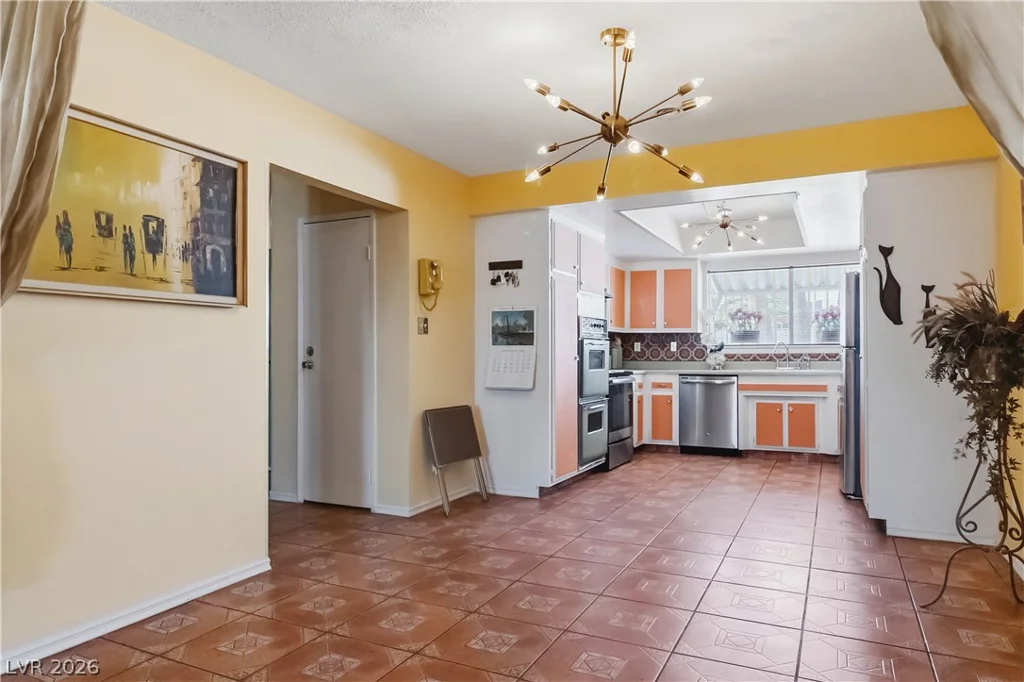
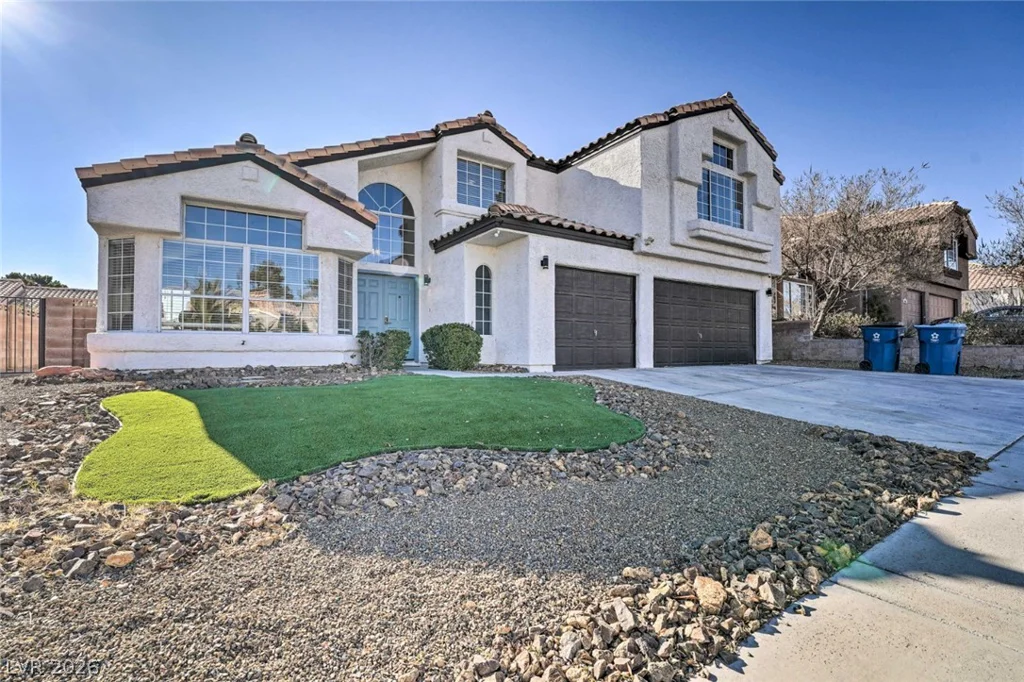
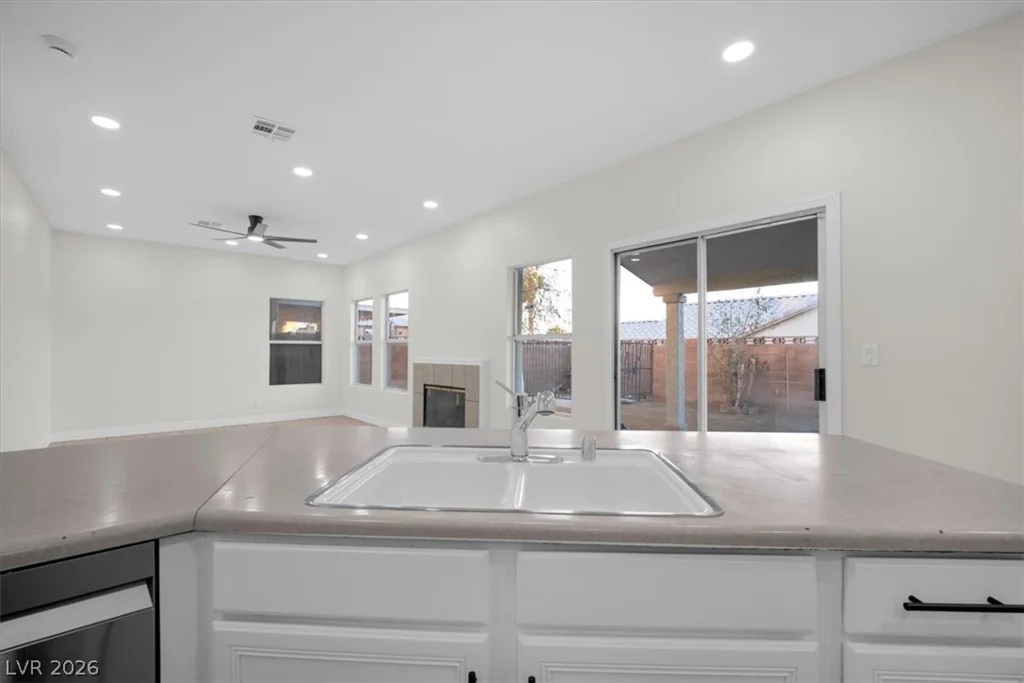
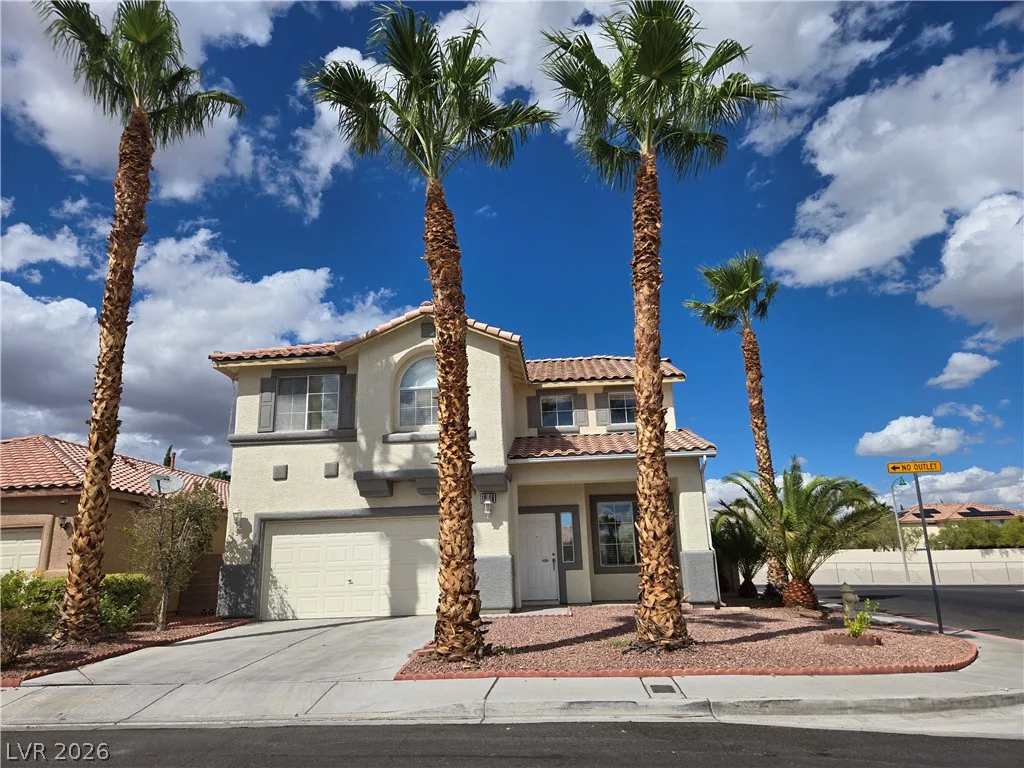
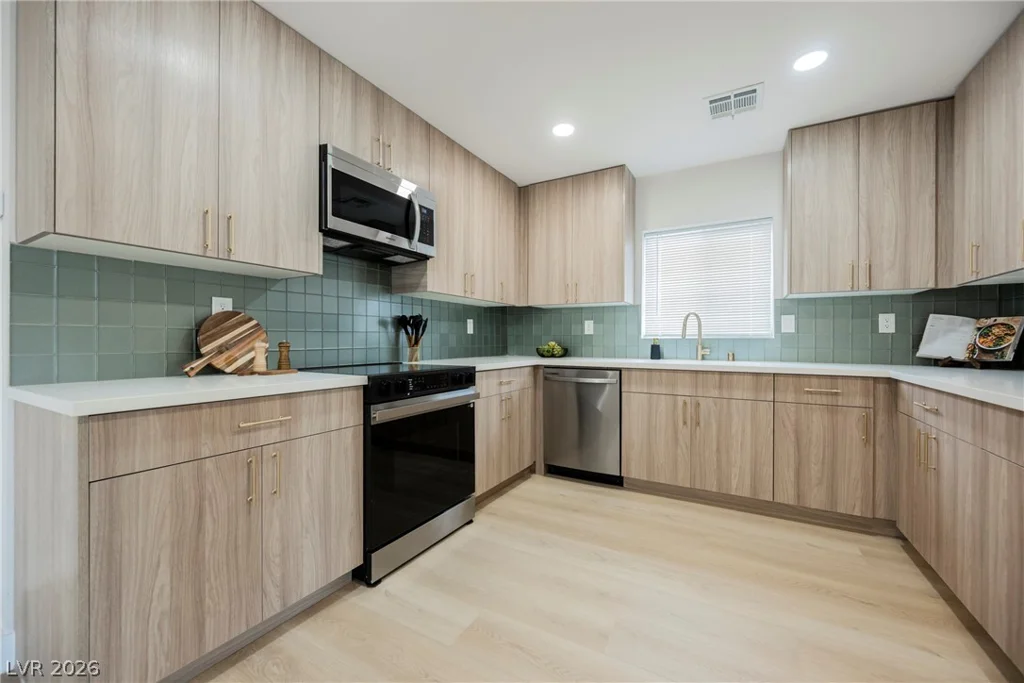
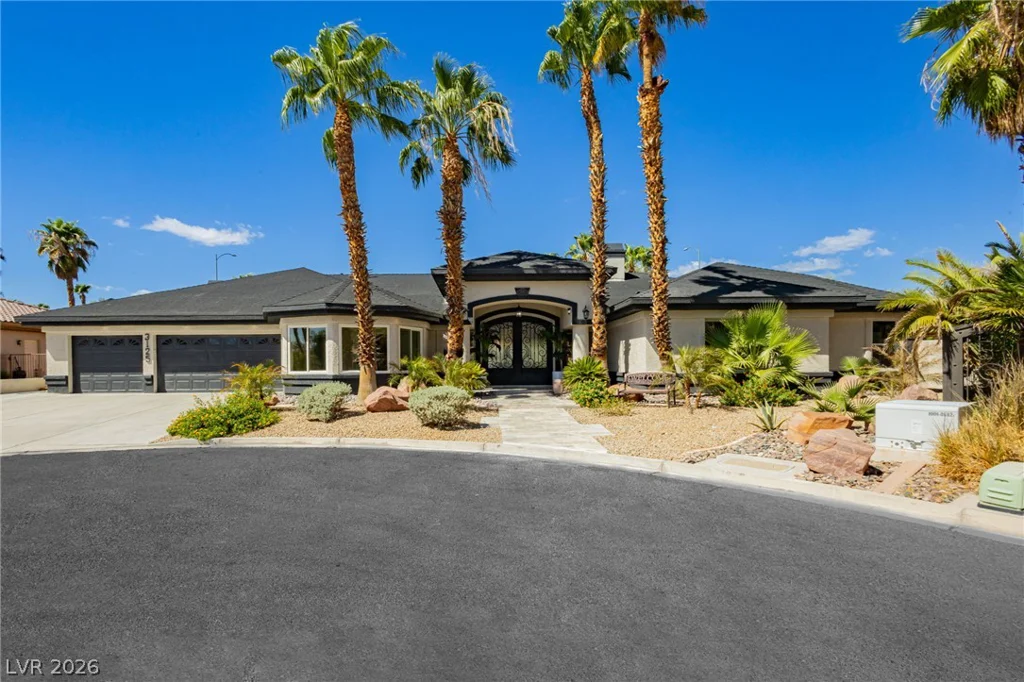
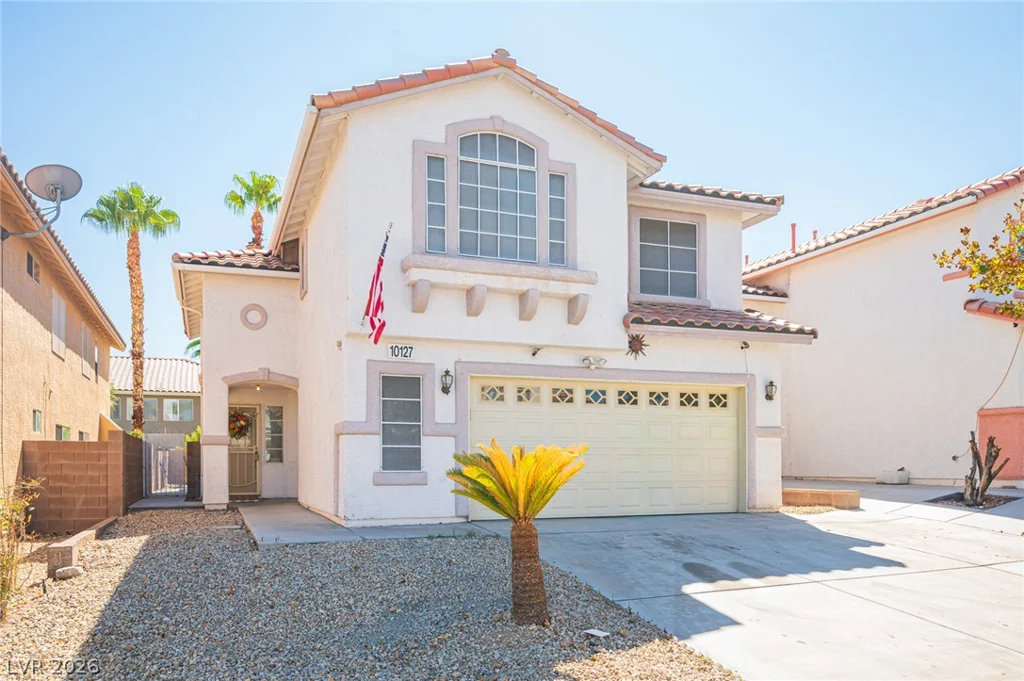
For some buyers, the appeal of a no-HOA home in Las Vegas comes down to one thing: the freedom to park a work truck, RV, or trailer in the driveway without a violation notice. These properties tend to cluster in older established neighborhoods built before HOA-governed subdivisions became the norm, often in central and eastside pockets near Sunrise Mountain or in pockets near the Charleston Corridor where homes were built decades before master-planned communities took over the valley’s growth. Buyers who run a small business from home, own multiple vehicles, or simply want to paint their house a color of their choosing without architectural review often gravitate toward these areas. The tradeoff is that without an HOA, there’s also no shared funding for community amenities, common-area landscaping, or enforcement against neighbors who let their property fall into disrepair.
What to Inspect Before You Make an Offer
- Drive the surrounding streets at different times of day, since without an HOA enforcing exterior maintenance standards, neighboring property conditions can vary block by block even within the same subdivision.
- Check Clark County or the relevant city’s zoning for the parcel, since “no HOA” doesn’t mean no rules — zoning still governs things like RV parking, accessory structures, and home-based business limits.
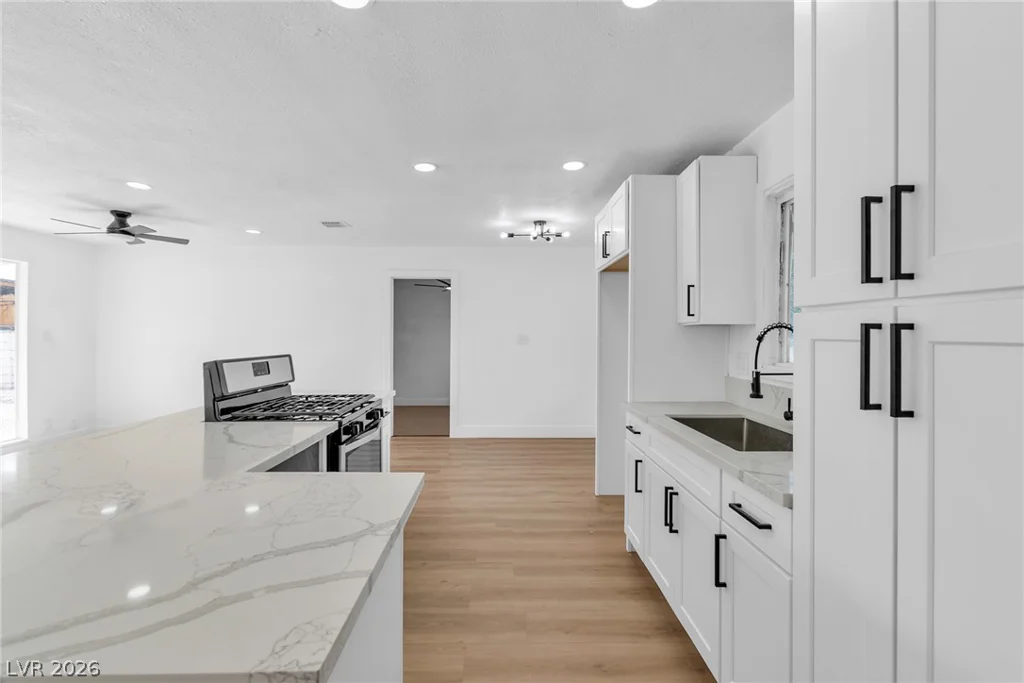
- On older homes in these areas, pay extra attention to roof age, electrical panel type, and plumbing material, since many no-HOA neighborhoods skew toward 1960s-1980s construction with original systems still in place.
- Verify the parking setup meets your needs, since without HOA-mandated visitor parking, street parking availability can vary significantly by block.
- Ask about any nuisance issues nearby — barking dogs, junk vehicles, or unpermitted additions on neighboring lots — since there’s no HOA to mediate these disputes.
The Most Common Buyer Mistake in Las Vegas
Buyers sometimes assume “no HOA” means no oversight at all and plan projects — like a large shed, a fence height change, or a home business with regular client visits — without checking county zoning first, only to find the same restriction exists at the municipal level even without an association involved.
Resale Perspective & Market Reality
No-HOA homes appeal to a specific buyer pool — often those with vehicles, trailers, or home businesses — which can mean a narrower but motivated audience and sometimes a longer search before the right buyer comes along, though strong properties in these areas can still move quickly. Buyers interested in a workshop or extra storage space alongside the no-HOA freedom should check Las Vegas Homes with Workshops.
Local Cost Context
Without HOA dues, monthly carrying costs on a no-HOA home can be noticeably lower than a comparable home in a dues-paying community, but buyers should budget for the maintenance an HOA would otherwise coordinate, like street or common-area upkeep if applicable. Since there’s no architectural review board, any exterior changes — pools, patio covers, or additions — still require county permits but skip the HOA approval step entirely, which can speed up renovation timelines. Buyers who also want a pool without HOA oversight on backyard changes can check Las Vegas Homes with Heated Pools, and those open to more rural settings can look at Sandy Valley Homes with No HOA.
Frequently Asked Questions
Can I park an RV or trailer at a no-HOA home in Las Vegas?
It depends on county or city zoning rather than an HOA, and rules often govern where on the property an RV can be parked, whether it needs to be screened from view, and how long it can remain without being moved.
Does a no-HOA home affect financing options in Las Vegas?
Most lenders treat no-HOA homes the same as HOA homes for financing purposes, though the absence of monthly dues can slightly improve a buyer’s debt-to-income calculation compared to a similarly priced home with significant HOA fees.