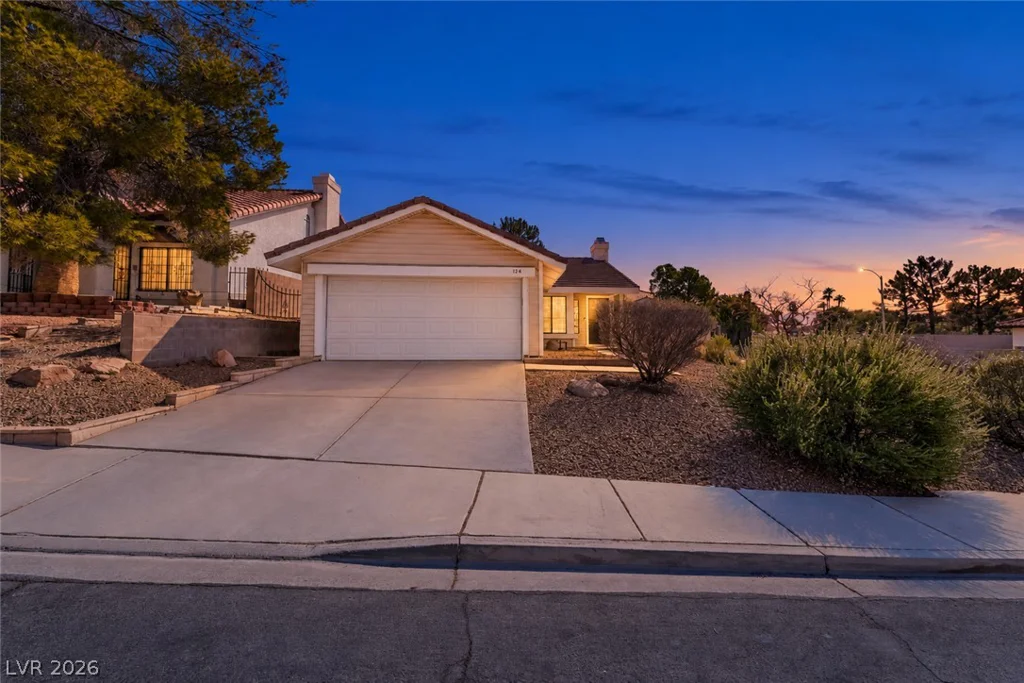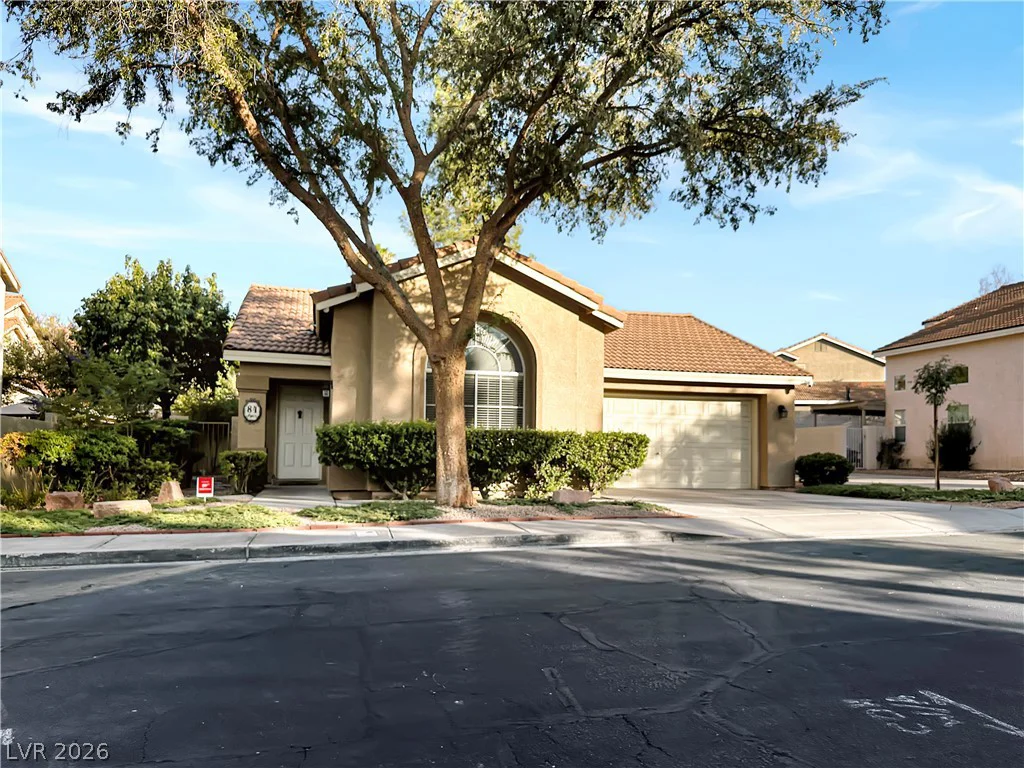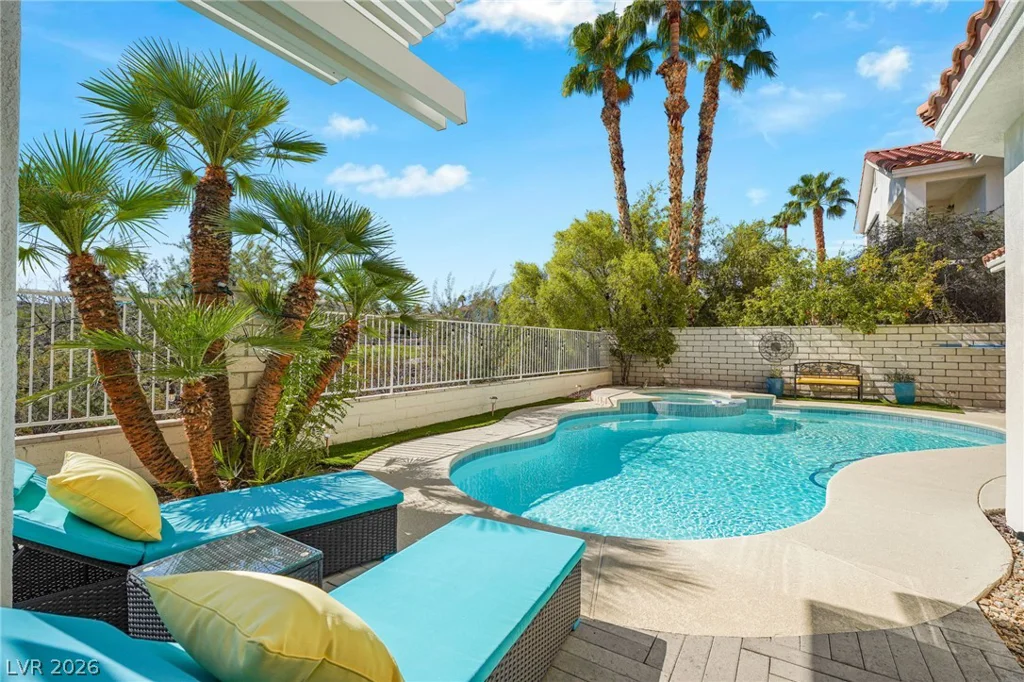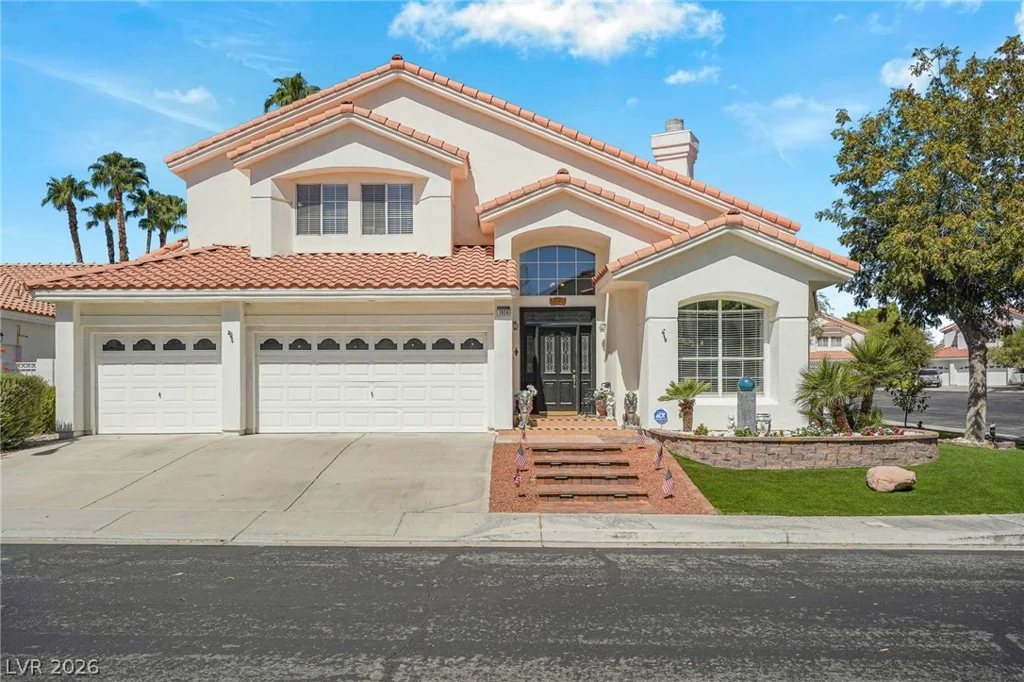
Why Vaulted Ceilings Matter in Green Valley
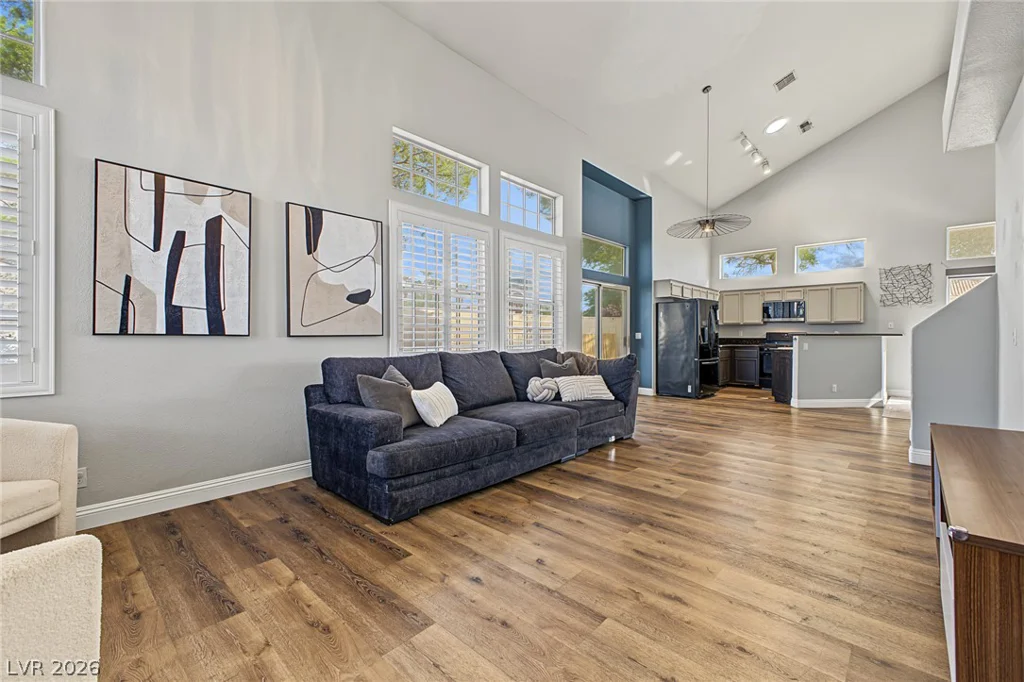
Step into the living room of many Green Valley homes from the late 1980s and 1990s and you’ll notice the ceiling climbing well above standard height—vaulted ceilings were a signature feature of this construction era, designed to make modest square footage feel grander. Three decades later, that same volume can be a double-edged sword: it creates an airy, open feeling that pairs beautifully with large windows looking out onto mature trees, but it can also mean original lighting fixtures and ceiling fans that are difficult and expensive to access for maintenance or replacement. For move-up buyers comparing Green Valley’s established streets against newer Henderson subdivisions, a vaulted living room with views of decades-old landscaping often captures exactly the established, settled feeling that’s hard to find in brand-new construction.
What to Inspect Before You Make an Offer
- Check the accessibility and condition of any lighting or ceiling fans installed at vault height, since original fixtures from the 1980s and 1990s may need specialized equipment to service or replace.
- Ask about attic insulation levels above vaulted areas, since the reduced attic space in vaulted sections can mean less insulation than flat-ceiling areas of the same home, affecting energy costs.
- Inspect for any cracking at the seams where vaulted ceiling meets wall, which can indicate settling that’s more noticeable in taller wall sections after decades of minor structural movement.
- Evaluate window placement and size in vaulted areas, since large clerestory or transom windows common in this era can be a source of heat gain if not properly shaded by mature trees outside.
- Check HVAC performance in vaulted rooms specifically, as the additional volume can sometimes mean these spaces are harder to heat and cool evenly than the rest of the home.
The Most Common Buyer Mistake in Green Valley
Buyers are often drawn to the dramatic feel of a vaulted living room without considering the practical cost of maintaining fixtures at that height over time—a burned-out bulb or a fan that needs rebalancing becomes a bigger project than in a standard-height room. In Green Valley, where many vaulted ceilings are original to construction, it’s worth asking whether any fixtures have been updated to more accessible or longer-lasting options, and budgeting for specialized access if not.
Resale Perspective & Market Reality
Vaulted ceilings paired with views of mature landscaping tend to be a genuine draw in Green Valley’s resale market, often appealing to buyers also considering Green Valley homes with balconies who want a sense of openness and connection to established outdoor space. Homes where vaulted areas show energy efficiency issues, such as inconsistent temperatures noted during showings, can see slightly longer days-on-market as buyers factor in potential HVAC or insulation upgrades.
Local Cost Context
Improving insulation or addressing energy efficiency in vaulted sections of a Henderson home built in this era can be a moderate investment, often paired with broader attic work. Green Valley’s comparatively modest HOA dues and less aggressive architectural review compared to newer master-plans mean that interior improvements like insulation upgrades don’t require HOA involvement, keeping the focus and budget on the work itself, and the savings can be compared against the amenity value found in Green Valley homes with community pools.
Frequently Asked Questions
Do vaulted ceilings in Green Valley homes typically have less attic insulation than flat ceilings?
Often yes—the reduced attic space above a vaulted ceiling can limit how much insulation was originally installed, and in homes from the late 1980s and 1990s this can mean these areas are noticeably less efficient than flat-ceiling rooms, making it worth an energy audit before or after purchase.
How difficult is it to replace a ceiling fan in a vaulted Green Valley living room?
Replacing a fan at significant height typically requires a tall ladder or scaffolding and may involve an electrician if the original wiring or mounting box needs updating, so factor in additional labor cost compared to a standard-height room when budgeting for fixture updates.