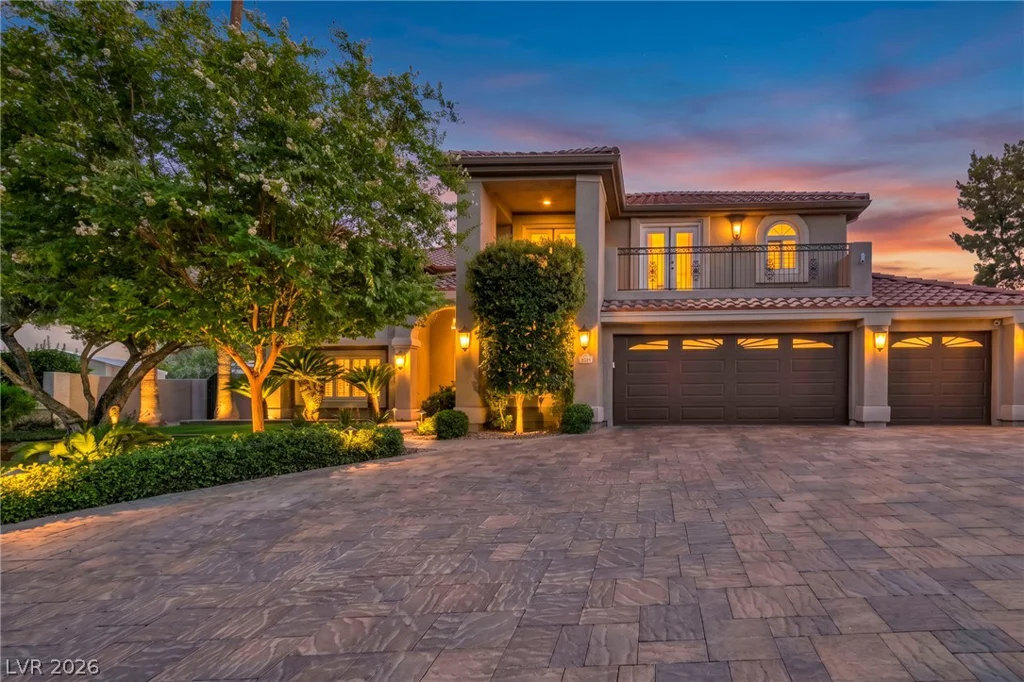
Why Balconies Matter in Green Valley
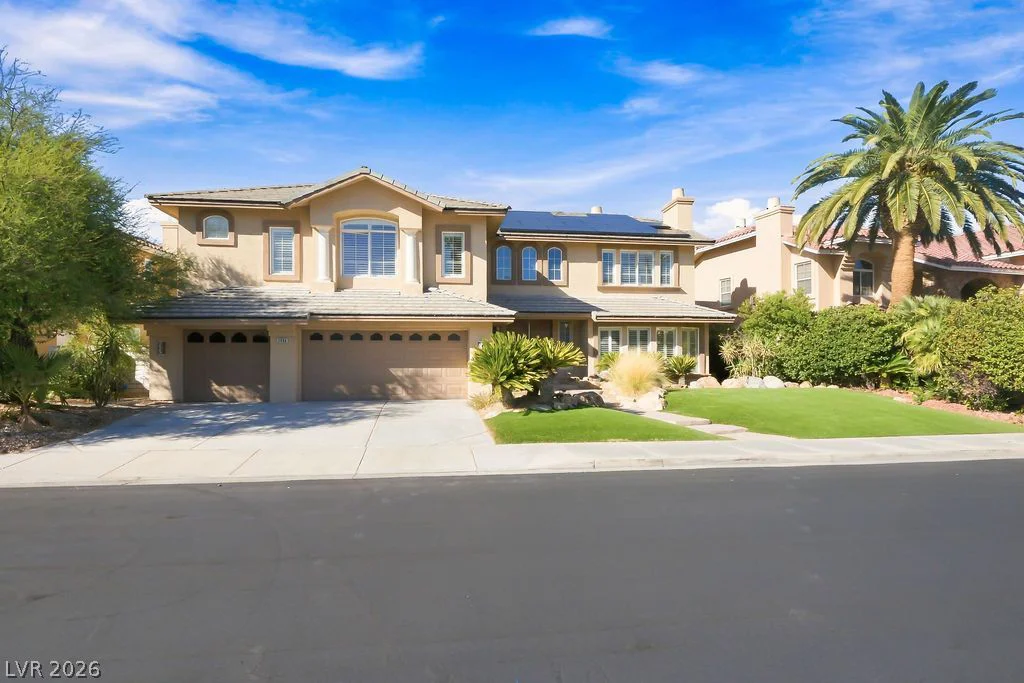
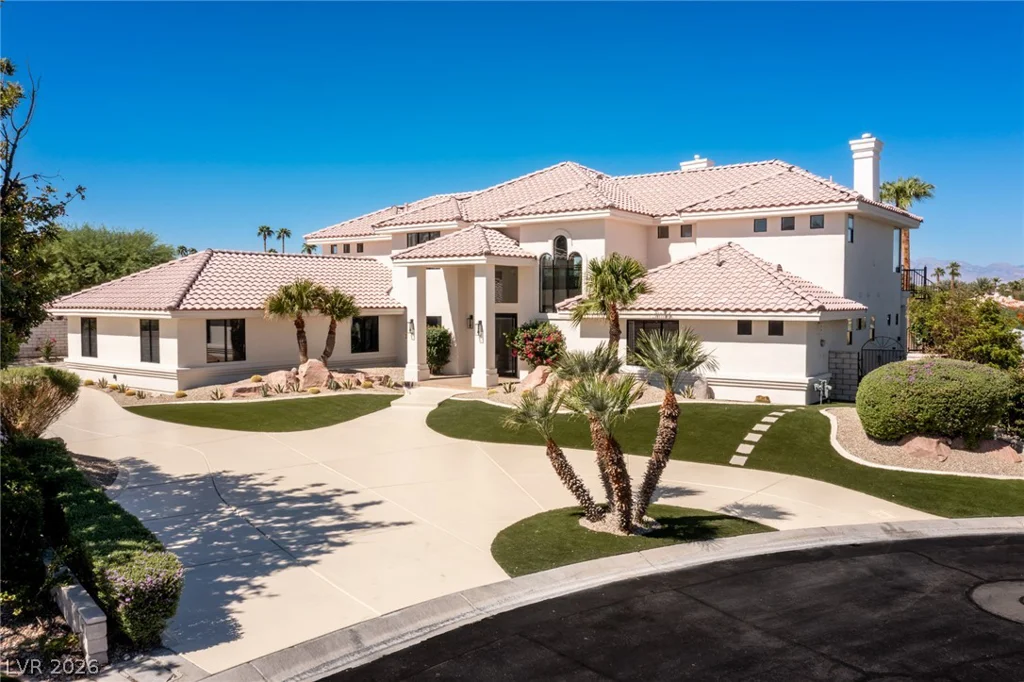
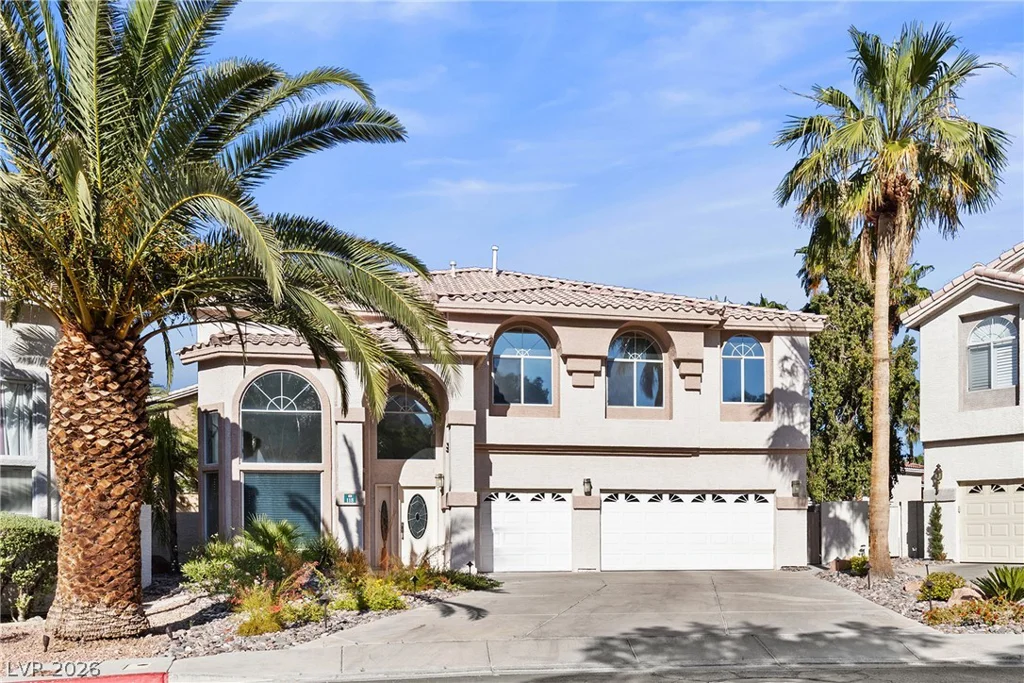
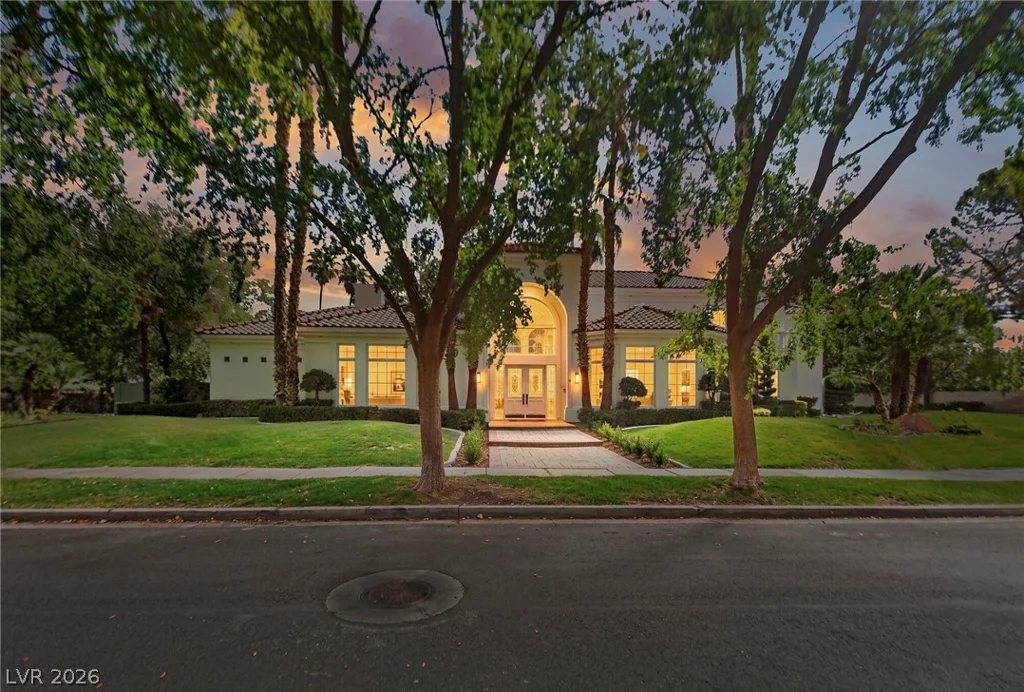
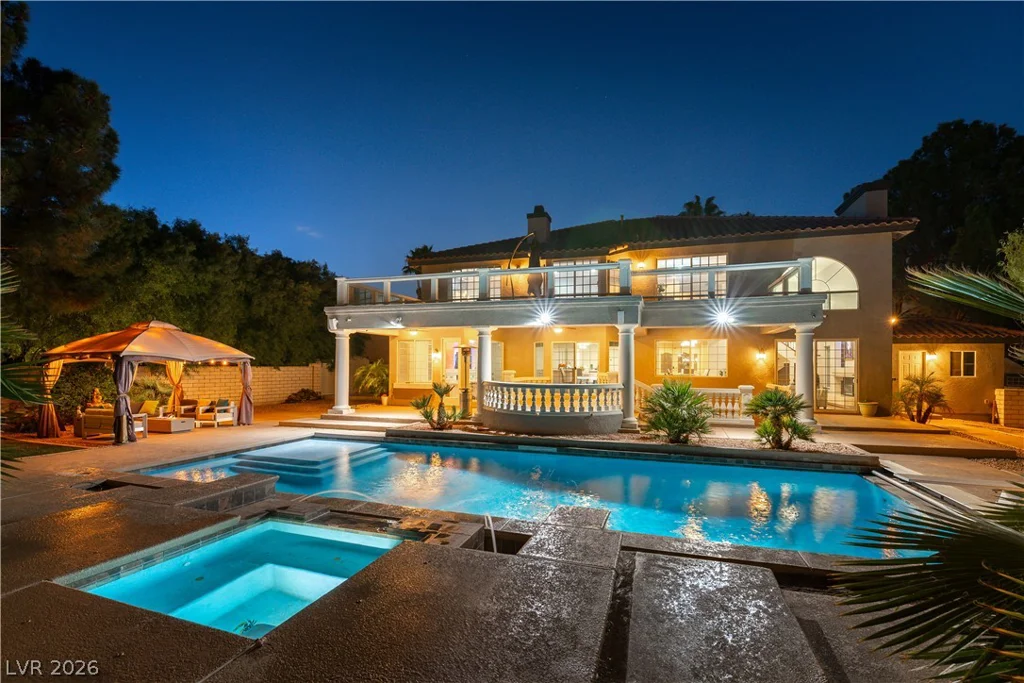
Two-story floor plans were common throughout Green Valley’s main construction period in the late 1980s and 1990s, and many of them included a second-floor balcony off the primary bedroom or a loft area—though after three decades, the structural condition of these balconies varies enormously from one home to the next. A well-maintained balcony overlooking a backyard with mature trees can offer a quiet, shaded retreat that’s hard to replicate in newer construction where landscaping hasn’t filled in yet. For buyers who’ve watched these neighborhoods mature over the years, a balcony with a view of established canopy can be a genuine selling point, but balconies in this climate and at this age are also one of the features most likely to show waterproofing issues that aren’t visible from the ground.
What to Inspect Before You Make an Offer
- Check the balcony’s waterproof membrane and flashing where it meets the exterior wall, since failures here are common in homes of this age and can lead to hidden water damage in the wall below.
- Inspect the railing for stability and corrosion, particularly on metal railings that have been exposed to thirty years of sun and occasional moisture.
- Look for staining or discoloration on the ceiling or wall directly beneath the balcony, which can indicate a long-term leak that hasn’t been addressed.
- Confirm the structural framing supporting the balcony hasn’t been compromised by water intrusion, especially if the balcony cantilevers beyond the home’s foundation footprint.
- Assess sun exposure and whether mature trees provide shade to the balcony at the times of day you’d actually want to use it.
The Most Common Buyer Mistake in Green Valley
Buyers often admire a balcony’s view and layout without considering that balconies in homes from this era are notorious for slow, hidden leaks at the door threshold or railing posts. By the time staining appears on an interior ceiling, water damage may have been occurring for years. It’s worth specifically asking your inspector to evaluate the balcony’s waterproofing and the condition of the wall and ceiling directly below it, rather than treating it as a minor item on a long list.
Resale Perspective & Market Reality
A balcony in good condition with a pleasant view of mature trees can be a meaningful amenity in Green Valley’s resale market, especially for buyers also considering Green Valley homes with dens or offices who want additional private space. A balcony with visible water damage below it, however, can raise red flags that extend negotiations or days-on-market until the issue is resolved or disclosed and priced accordingly.
Local Cost Context
Re-waterproofing a balcony and repairing any resulting interior damage in the Henderson area can range from a moderate repair to a more significant expense if structural framing has been affected by long-term moisture. Green Valley’s comparatively modest HOA dues and less aggressive architectural review compared to newer master-plans mean that exterior repairs like balcony waterproofing or railing replacement typically move through approval more easily than in communities with stricter design committees.
Frequently Asked Questions
How often should a balcony’s waterproof membrane be replaced in Green Valley’s climate?
Waterproof membranes on exterior balconies typically need attention every fifteen to twenty years depending on material and sun exposure, so a balcony on a home built in the late 1980s or 1990s that hasn’t been re-waterproofed is likely due, even if no visible damage is present yet.
Can mature trees near a balcony cause maintenance issues?
Overhanging branches can deposit debris on a balcony surface and in drains, potentially leading to ponding water that accelerates wear on the waterproof membrane, so balconies near large established trees may need more frequent cleaning and drain inspection.