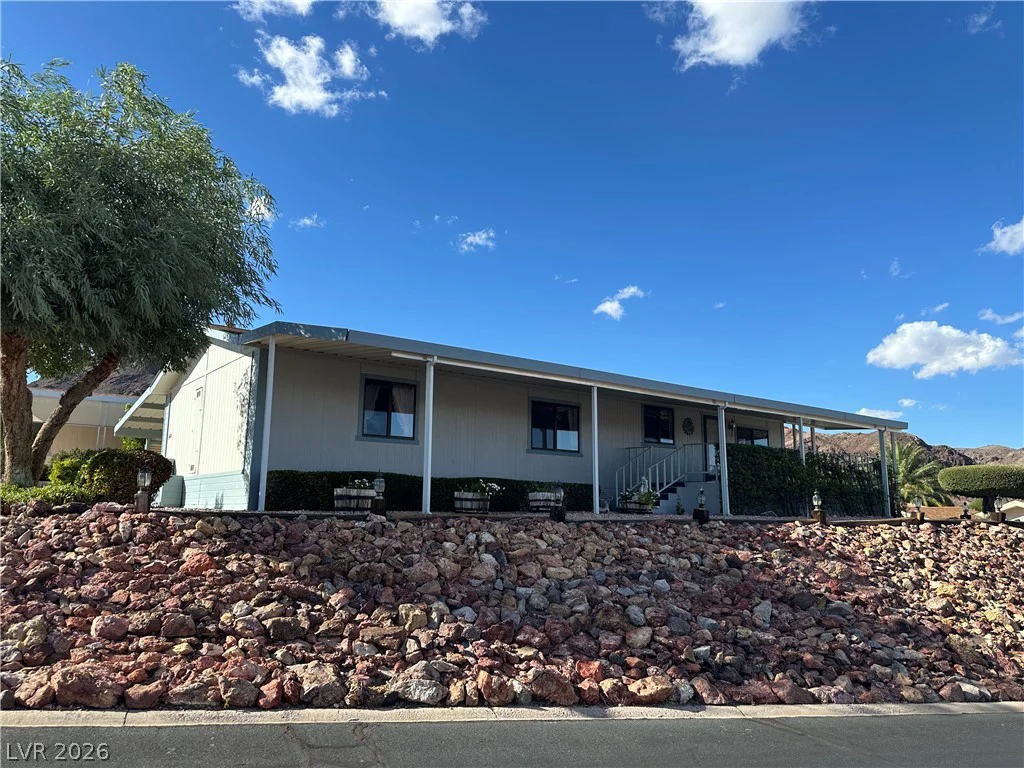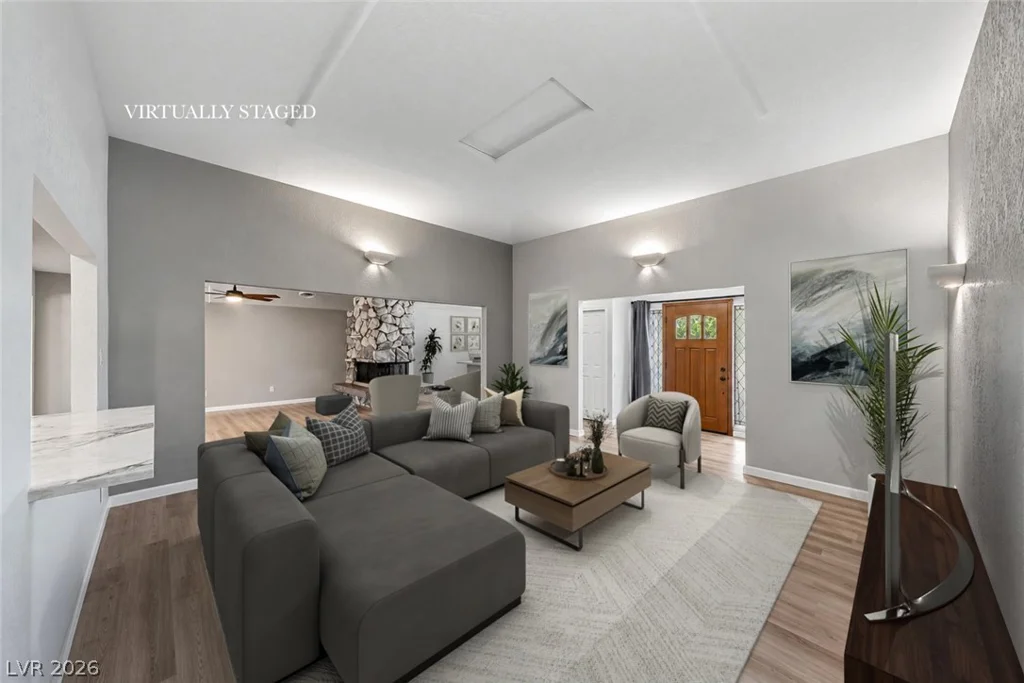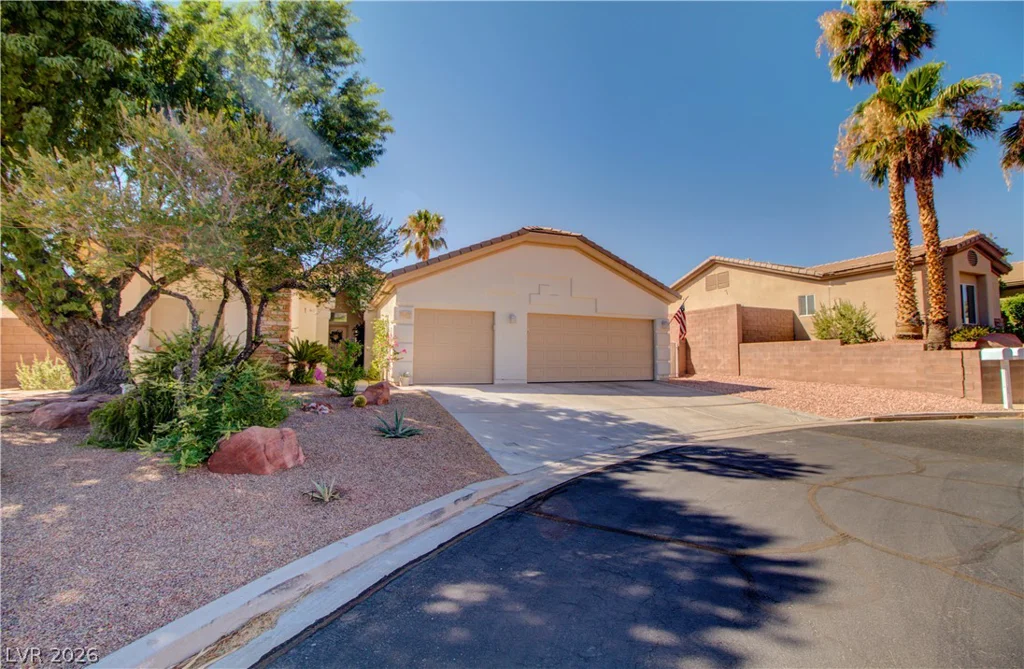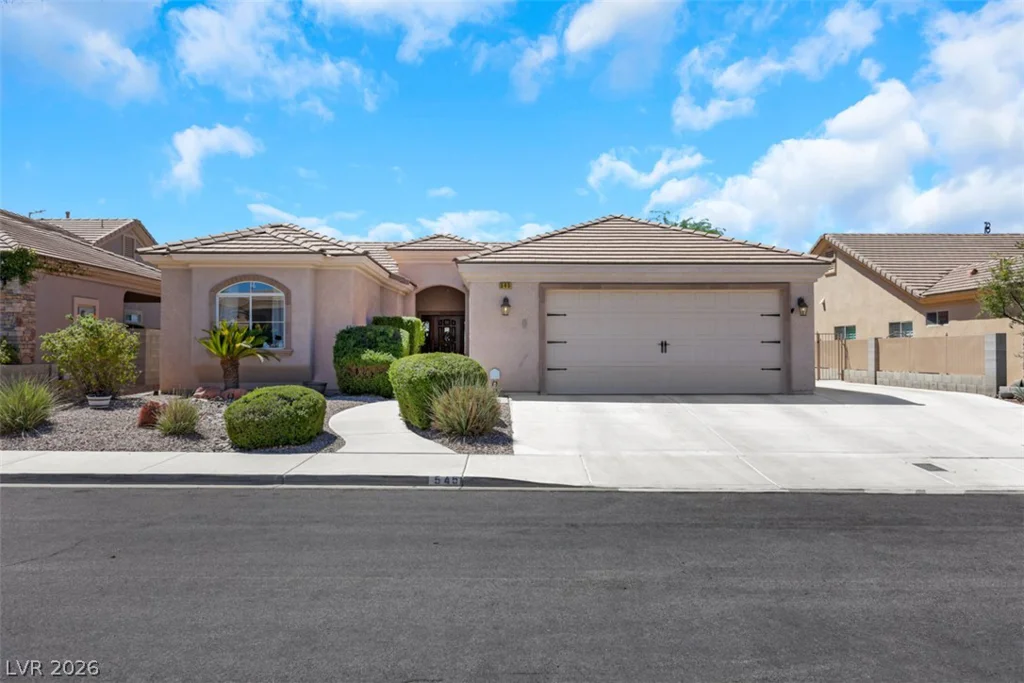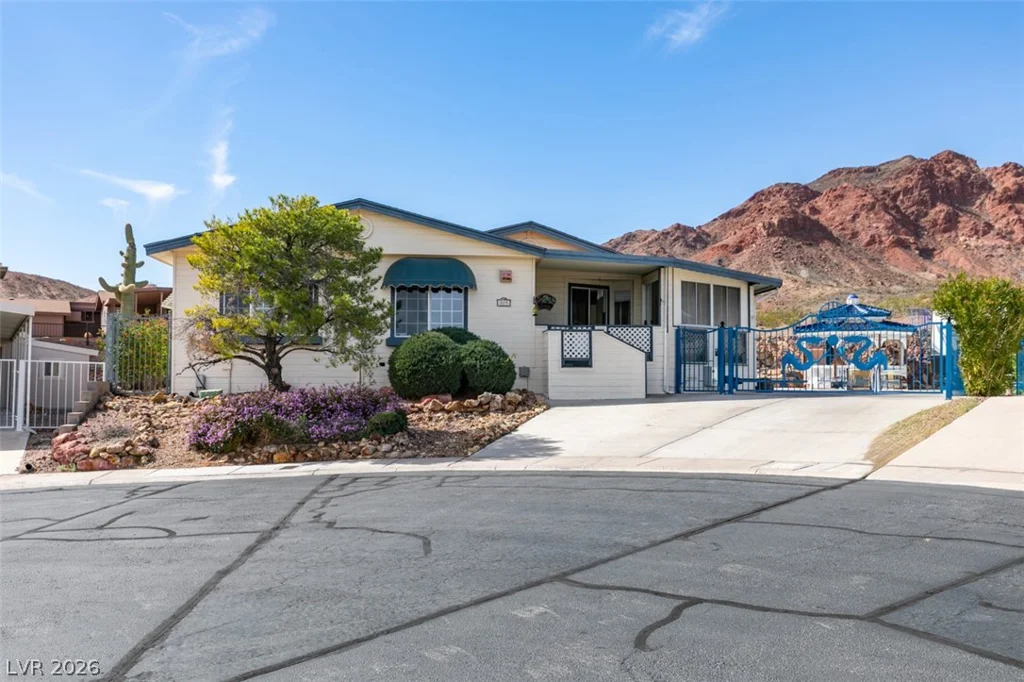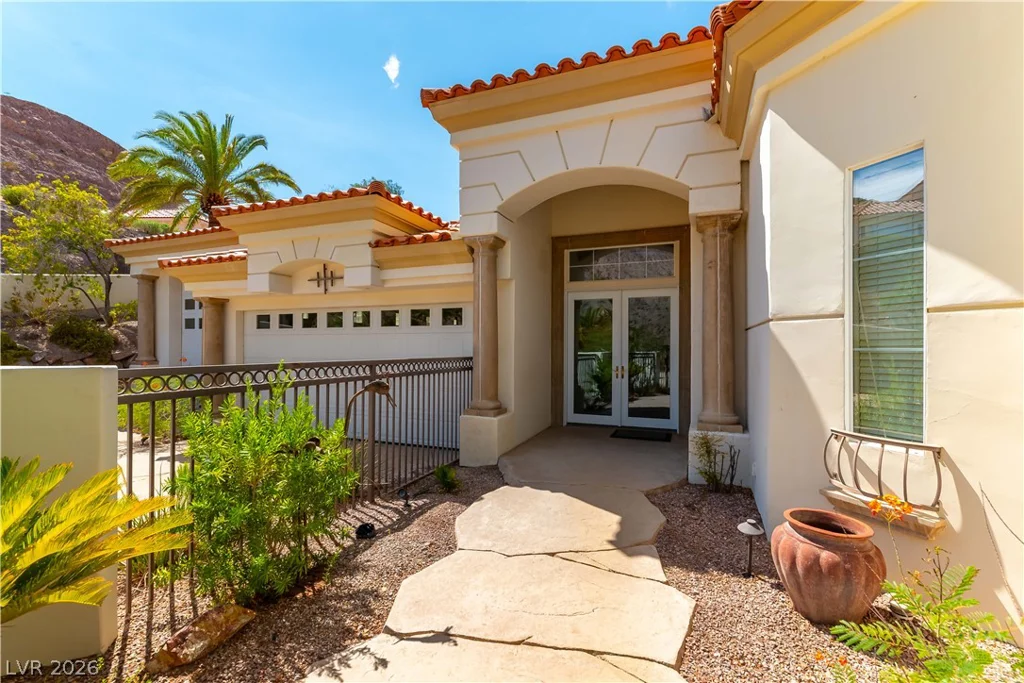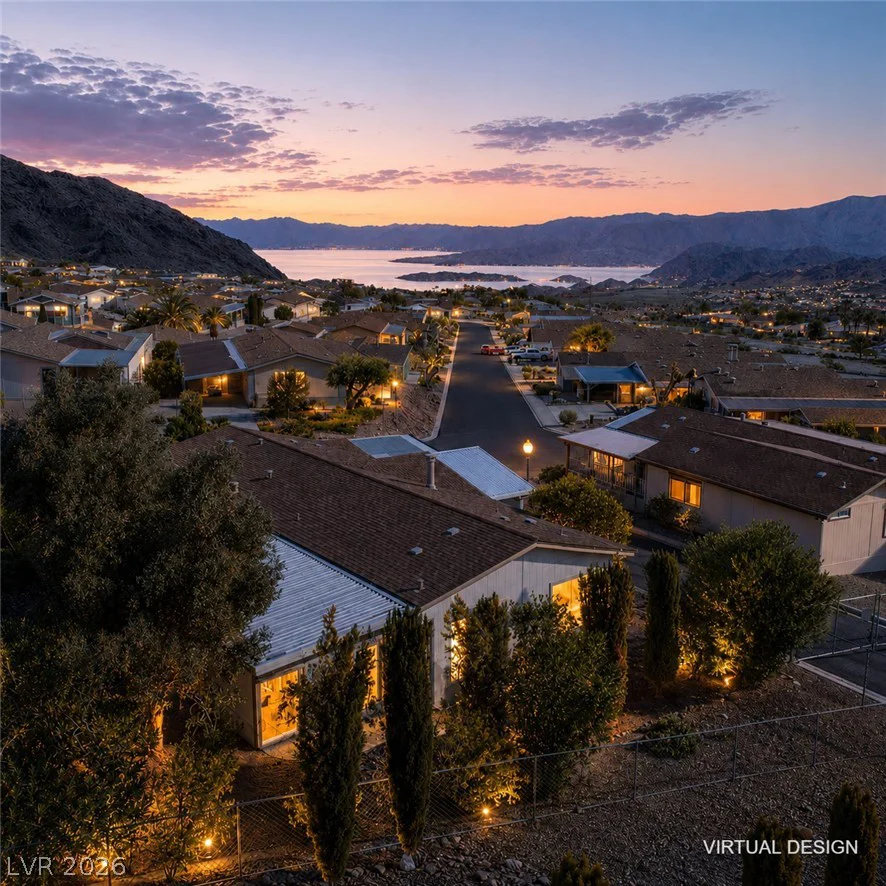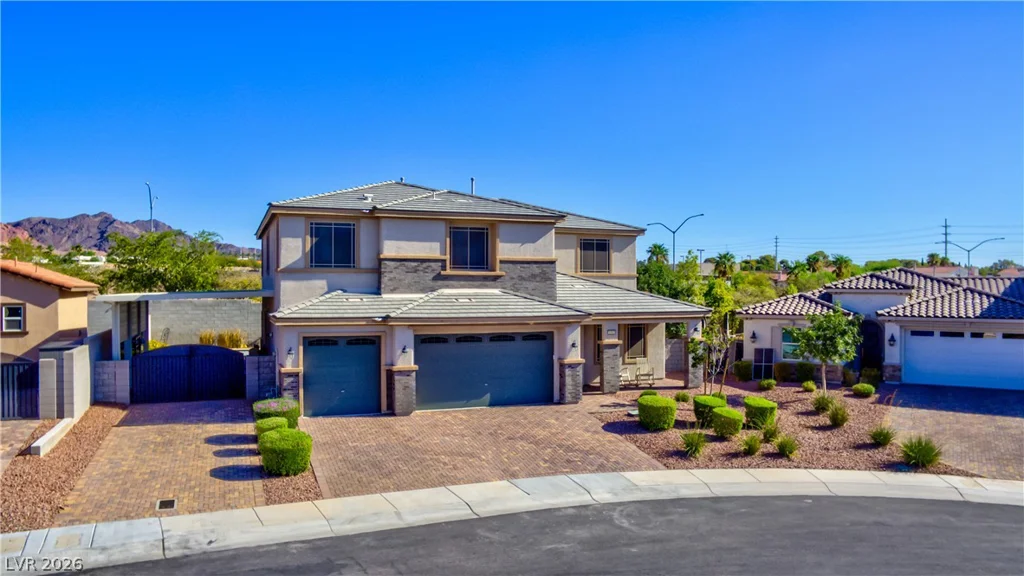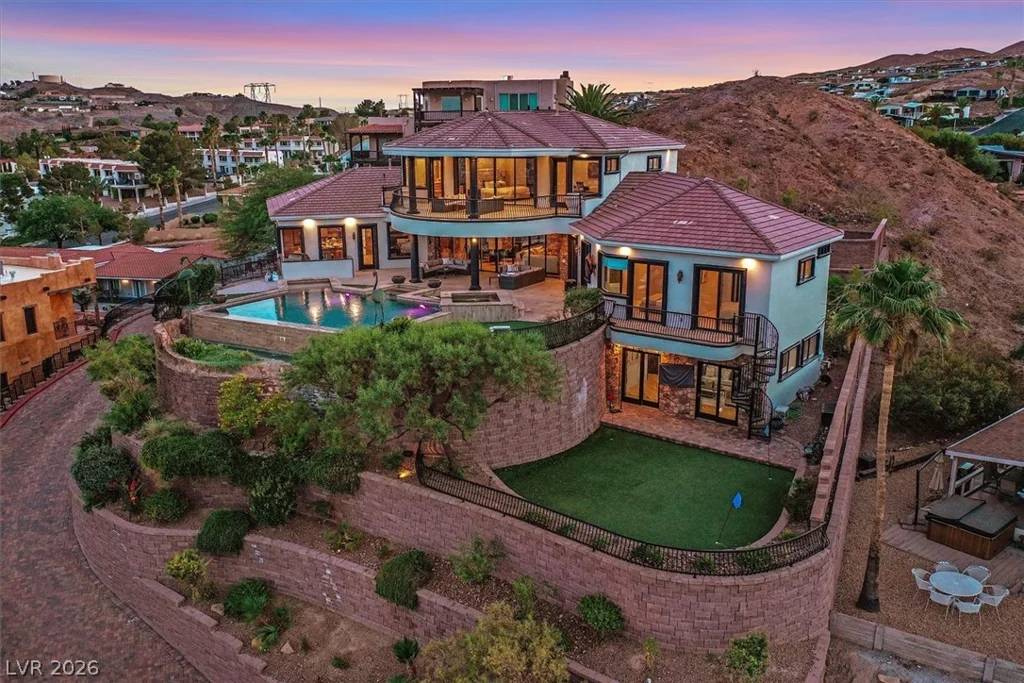
Why Mountain Views Matter in Boulder City
Surrounded by the El Dorado and McCullough ranges with the Eldorado Valley stretching toward the Colorado River, Boulder City has no shortage of mountain backdrops — the question for buyers among the roughly 29 listings marketed on this feature is which homes actually deliver an unobstructed, livable view versus a glimpse from one bedroom window. Because the town’s strict growth-control policies have kept large-scale development from crowding the hillsides the way it has in parts of the valley, view corridors here have remained more stable over time than in rapidly built-out submarkets — a meaningful selling point for buyers who’ve watched a once-clear view get swallowed by new construction elsewhere. Many of the best view lots sit on the elevated streets above the historic downtown near Arizona St, where older homes look out over Wilbur Square and toward the mountains beyond, but those same homes are often subject to design-review for any exterior changes, including additions that might extend or enclose a view-facing patio or balcony.
What to Inspect Before You Make an Offer
- Whether the view is protected by topography (a permanent canyon or open desert buffer) or simply by the current absence of construction on an adjacent vacant lot
- If the home is in the historic district, whether any view-enhancing structure — a raised deck, a window addition, or a removed wall — would need Historic Preservation Committee approval before it could be built
- Window and door seal condition on view-facing elevations of older homes, since large or original single-pane windows oriented toward mountain views can be a significant energy-efficiency liability
- Roofline and parapet height relative to neighboring structures, which affects both the current view and how much a future addition next door could block it
- Any easements or open-space designations on adjacent parcels that legally protect the sightline, versus views that rely on informal or undeveloped land with no protection
The Most Common Buyer Mistake in Boulder City
A surprisingly common error is falling for a single dramatic photo taken from an upstairs window or rooftop and assuming that view is representative of daily life in the home. In practice, the view that matters is the one visible from the kitchen, living room, primary bedroom, and backyard — the spaces where time is actually spent. Buyers should also be cautious about assuming they can “improve” a partial view by adding a second-story deck or enlarging a window opening on a historic-district home, since that kind of exterior modification is exactly the type of change that goes through preservation review and isn’t guaranteed approval just because the buyer wants better sightlines.
Resale Perspective & Market Reality
Genuine, livable mountain views are one of the more durable value drivers in Boulder City’s resale market, particularly for retiree buyers prioritizing a slower pace and a connection to the surrounding desert landscape rather than proximity to Las Vegas Strip amenities. Homes with confirmed, protected sightlines tend to spend less time on market than comparably sized homes without a view, and they’re frequently cross-shopped against Boulder City homes with no HOA by buyers who want both visual openness and freedom from association oversight — though as noted elsewhere, “no HOA” doesn’t mean no design-review for historic-district properties.
Local Cost Context
Because Boulder City’s growth-control ordinance limits the pace of new residential permits issued each year, the supply of new homes that could eventually block an existing view is more constrained than in faster-growing parts of the valley — which is part of why view premiums here can hold up over time. On the flip side, if a buyer’s plan involves modifying a historic-district home to capture more of a view, they should budget for the preservation review timeline and potential design constraints on materials and massing, which can add real cost and delay compared to a non-historic remodel. Buyers also weighing amenities should look at Boulder City homes with community pools, since pool-amenity HOAs in town are less common and tend to cluster in specific, non-historic developments.
Frequently Asked Questions
Are mountain views from Boulder City homes near downtown protected from future development?
There’s no blanket guarantee, but Boulder City’s growth-control ordinance, which caps the number of new residential building permits issued annually, combined with substantial surrounding public land managed by the Bureau of Land Management and the National Park Service near Lake Mead, means large-scale view-blocking development is less likely here than in areas without those constraints — buyers should still verify the zoning and ownership status of any adjacent vacant land.
Can a homeowner in Boulder City’s historic district add a rooftop deck to improve a mountain view?
It depends on the specific property and the visual impact from public viewpoints; rooftop additions on historic-district homes typically require Historic Preservation Committee review, and approval is more likely if the design is set back from street-facing elevations and doesn’t alter the home’s historic roofline as seen from Arizona St or surrounding public areas.