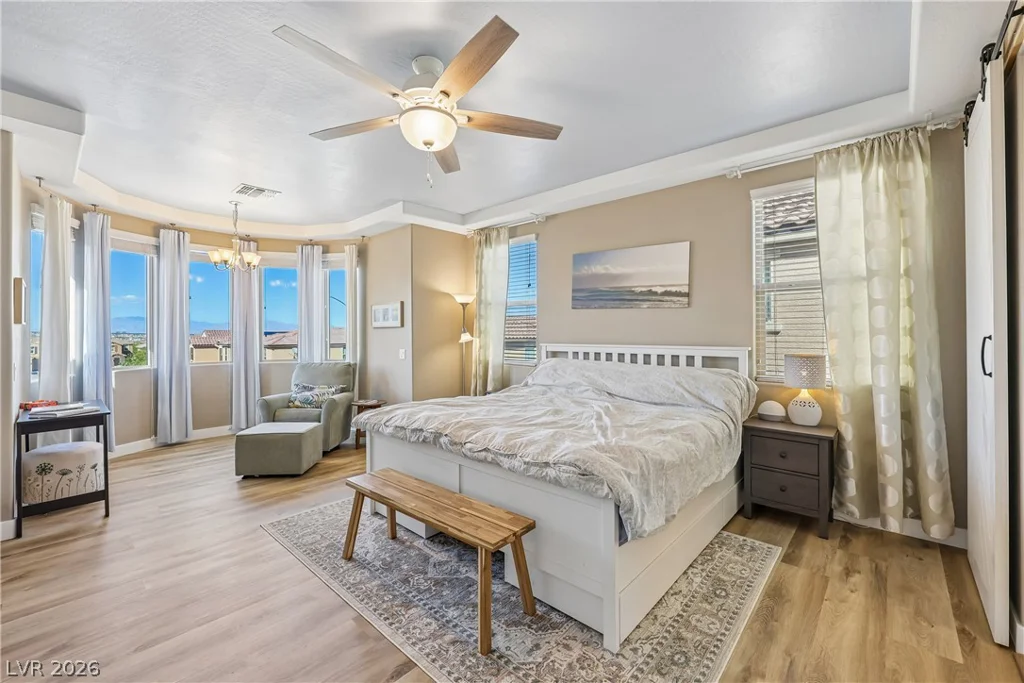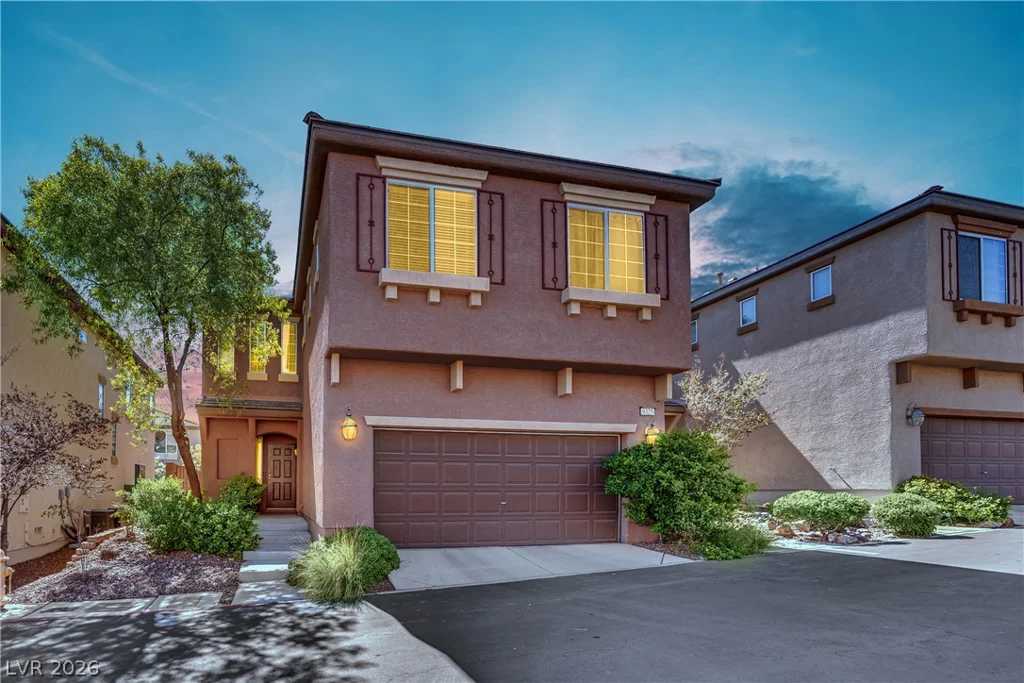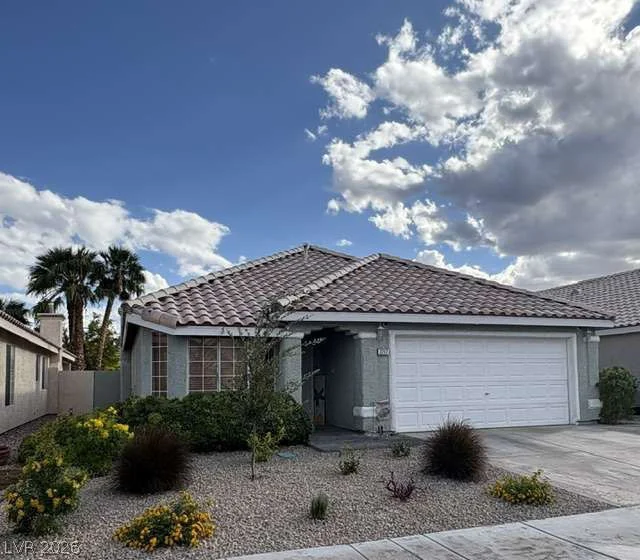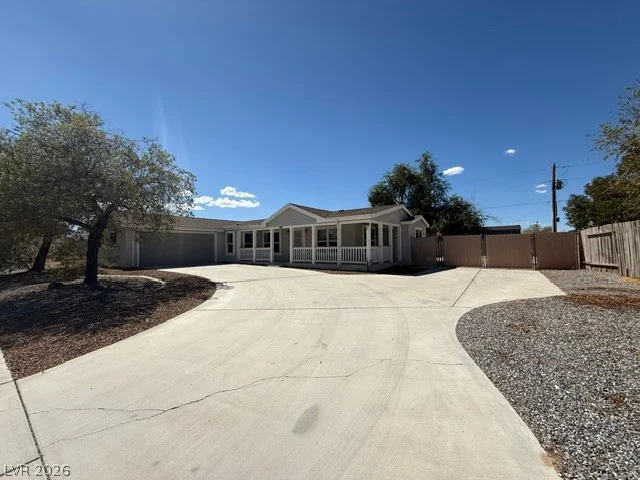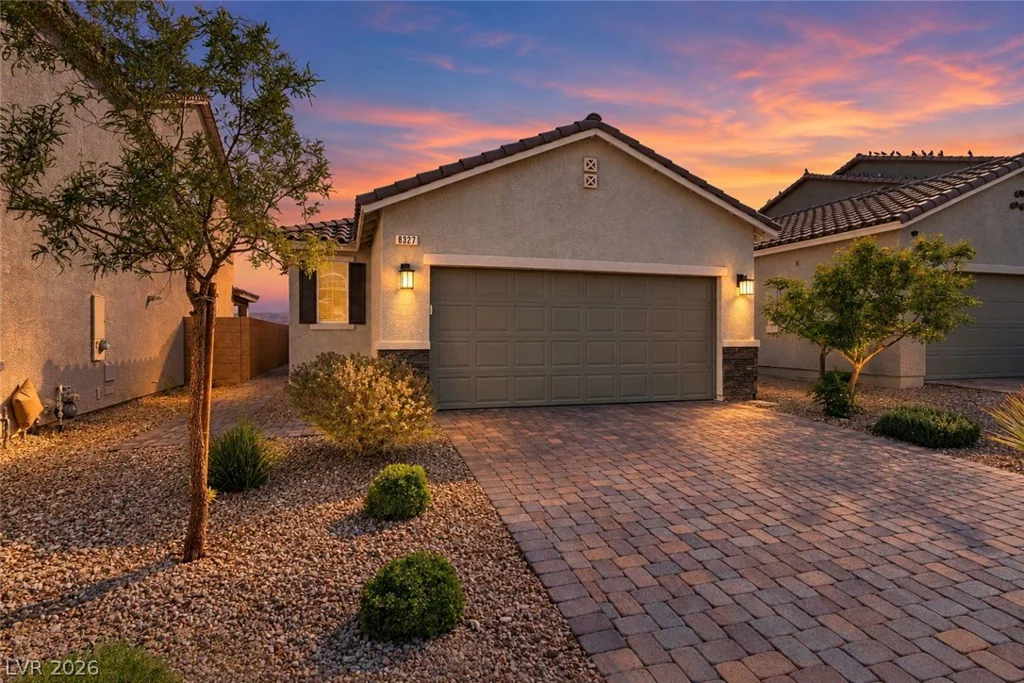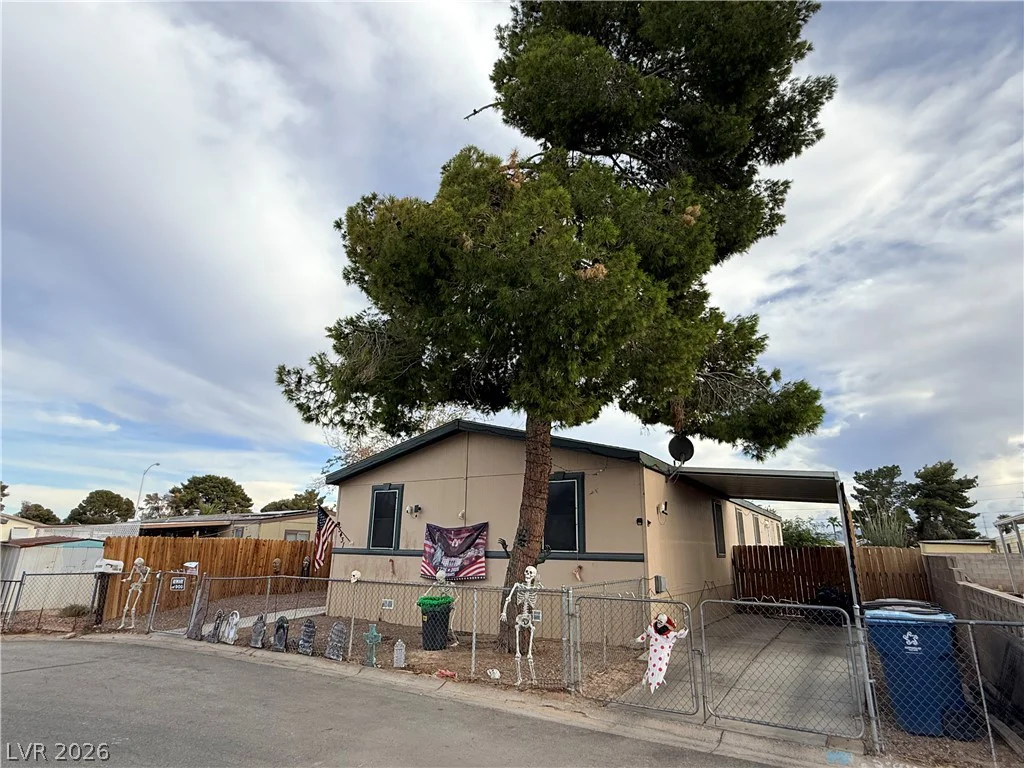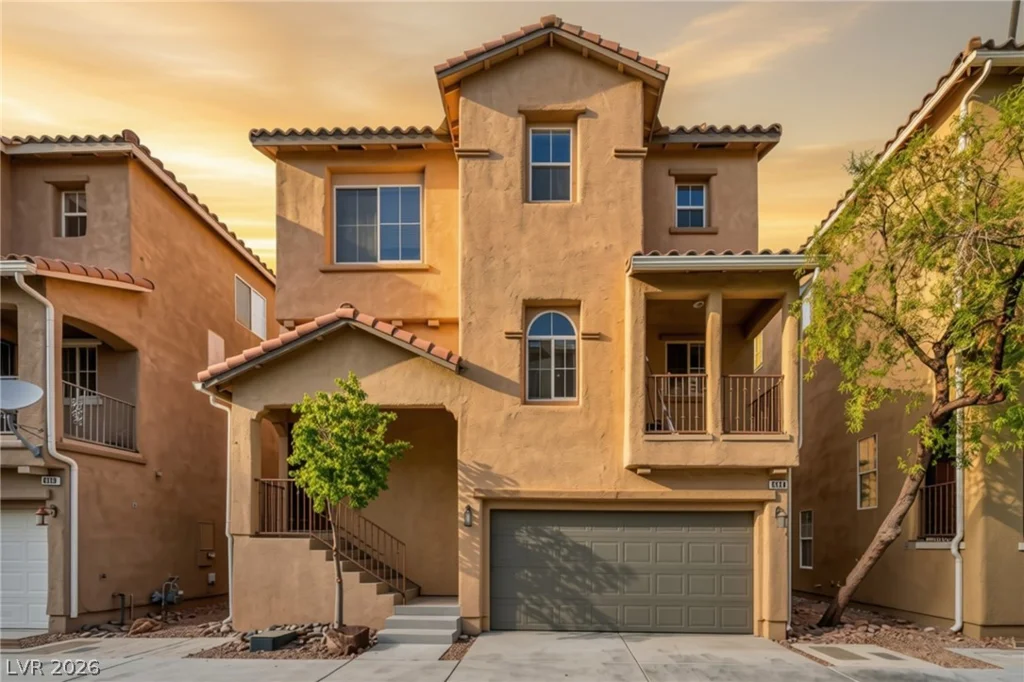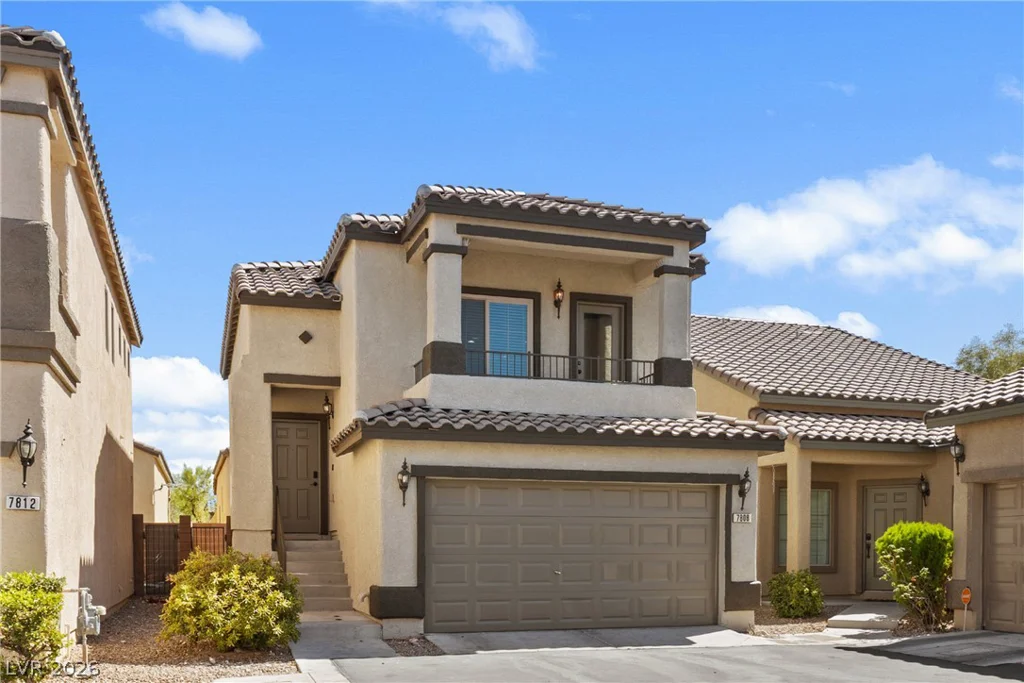
Why Assumable Loans Matter in Boulder City
Boulder City is the only incorporated Nevada municipality with an outright ban on gambling, which — combined with strict annexation limits, a reverence for its 1930s Hoover Dam construction-era downtown, and some of the tightest zoning controls in the state — makes it a genuinely supply-constrained market. New housing starts are deliberately limited, which means the existing inventory carries more weight. Buyers drawn to the Arizona Street historic district, the Nevada Museum of Art at the Hoover Dam, and the quiet residential blocks between the railroad museum and Bootleg Canyon will find a housing stock that skews toward the 1950s–1980s build era, with a meaningful layer of 2000s–2010s infill on the town’s eastern edges. FHA loans were the dominant origination vehicle for Boulder City’s more affordable buyer pool in 2020–2022, with USDA loans a secondary option given the town’s rural-adjacent classification during portions of that period. Buyers comparing Boulder City to the broader regional market should reference Las Vegas Homes with Assumable Loans to understand how much of a price premium Boulder City’s no-gaming, low-density character commands relative to assumable inventory in the valley.
What to Inspect Before You Make an Offer
- Verify zoning compliance for any planned improvements. Boulder City’s zoning board is famously slow to grant variances; a buyer who assumes a loan on a property with unauthorized additions or unpermitted outbuildings may inherit a zoning compliance issue that affects insurability and resale.
- Confirm the property’s historic district designation, if applicable. Homes in Boulder City’s historic district near Arizona Street have rehabilitation and modification restrictions that must be disclosed and that can affect the FHA appraiser’s assessment of the property’s condition and marketability.
- Check USDA Rural Development eligibility if the seller’s loan is USDA-backed. Boulder City has shifted in and out of USDA eligibility as its population has grown near the 35,000 threshold — assumption approval requires confirming the property is still in an eligible area at the time of assumption, not just at origination.
- Review the title chain carefully for Hoover Dam Bureau of Reclamation easements. Properties near Lake Mead’s Bootleg Canyon area may carry federal easements that affect the title commitment and must be reviewed before assumption proceeds.
- Inspect for asbestos and lead paint in pre-1978 construction. Boulder City’s older housing stock — the historic 1930s–1950s blocks especially — requires the full EPA lead disclosure protocol on FHA loans, and the FHA appraiser will flag obvious condition issues that must be remediated before assumption approval.
The Most Common Buyer Mistake in Boulder City
Buyers relocating to Boulder City for its small-town character frequently assume that the town’s low new-construction rate means the assumable loan inventory is plentiful. The reality is the opposite: because Boulder City’s housing supply is deliberately constrained, VA and FHA assumable listings appear rarely and are purchased quickly — often by buyers who have been monitoring the market for months. Buyers who wait to understand the assumption process until they find a property they love typically lose that property to a buyer who already had their financing strategy mapped out.
Resale Perspective & Market Reality
Boulder City’s constrained supply means that correctly priced properties — with or without assumable loans — move faster than the Clark County average. An assumable-rate listing near Wilbur Square Park or the Bootleg Canyon trail system generates interest from both serious buyers and curiosity lookers; the serious ones are those who have already calculated the equity gap and confirmed they can fund it. Sellers benefit from disclosing the loan details upfront — rate, remaining balance, servicer — because educated buyers move faster to offer.
Local Cost Context
Boulder City home prices from the 2020–2022 window clustered in the $320,000–$430,000 range, with FHA loan balances of $260,000–$380,000 and rates typically between 2.75% and 3.5%. Monthly payment savings versus a new 7.0% loan on a $320,000 balance run approximately $740–$790. Boulder City has no HOA in most of its residential areas — a sharp contrast to the master-planned communities in Henderson and Summerlin — which means the assumption process has one fewer bureaucratic layer to navigate. Buyers should, however, budget for Clark County Public Works water and sewer hookup fees that are specific to Boulder City’s municipal utility structure. For comparison across the valley’s HOA-free or HOA-light markets, Henderson Homes with Assumable Loans shows how the process differs when master HOA estoppel is required.
Frequently Asked Questions
Does Boulder City’s annexation moratorium affect how an FHA loan assumption is processed?
The city’s growth restrictions don’t directly affect loan assumption mechanics — the FHA servicer and HUD review the borrower’s creditworthiness and the property’s eligibility based on federal criteria, not municipal growth policy. However, the moratorium does affect property values by limiting supply, which can make Boulder City FHA appraisals more favorable for sellers (supporting higher valuations) and can make it harder for buyers to find comparable sales data for equity gap calculations, since so few properties turn over.
What is the typical FHA assumption approval timeline for a Boulder City property, and does the town’s remote location slow the process?
FHA assumption approvals are processed by the loan servicer and HUD’s centralized review team — neither of which is located in Boulder City — so the physical distance from Las Vegas does not create material delays in document processing. The standard 30–45 day HUD approval window applies. Where Boulder City does slow things down is in the title and appraisal pipeline: the small pool of local appraisers familiar with Boulder City’s unique market, combined with the historic district research required for older properties, can add five to ten business days to the appraisal delivery timeline.