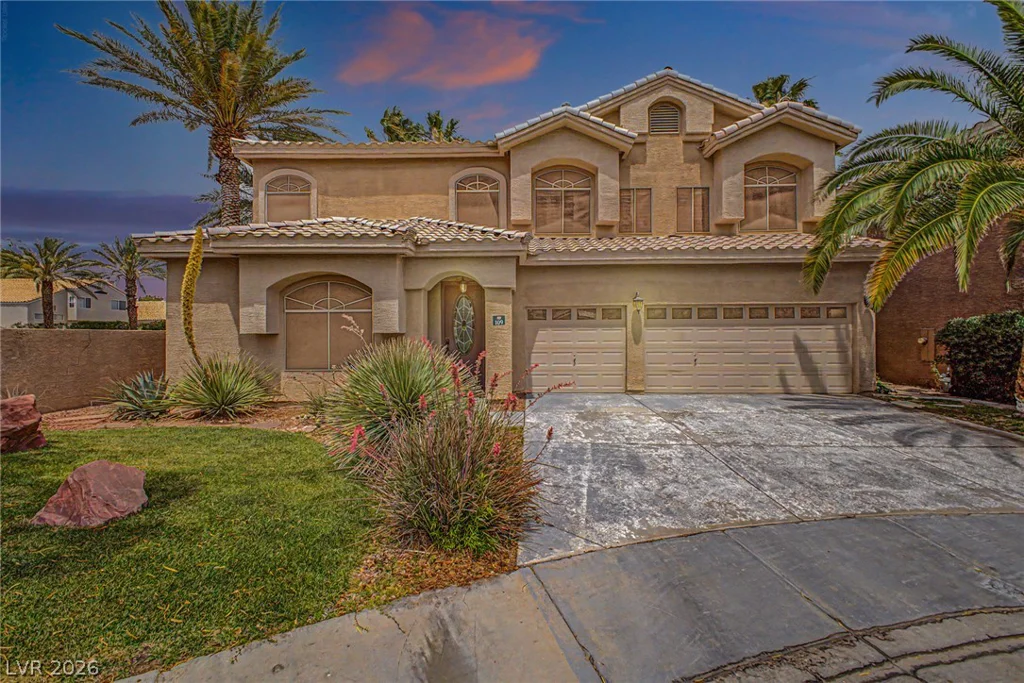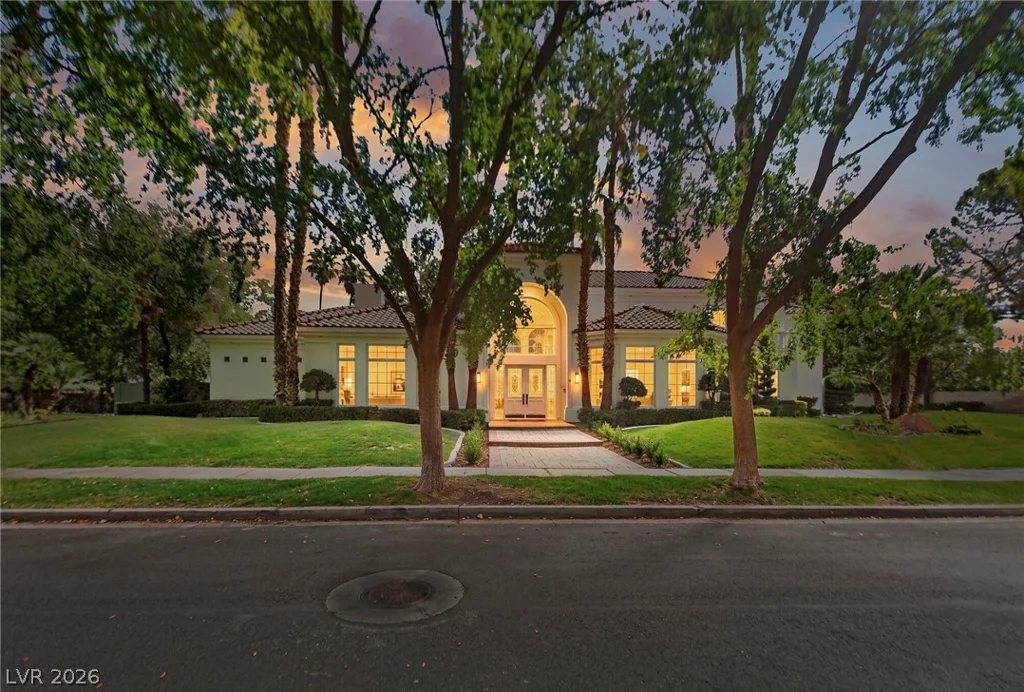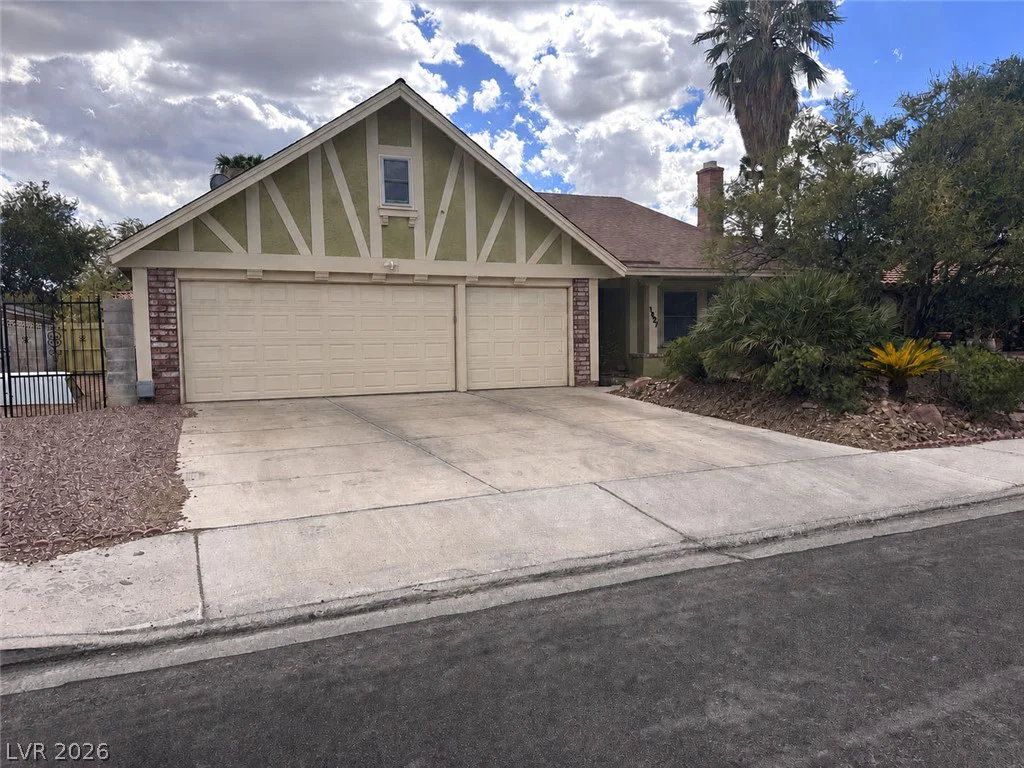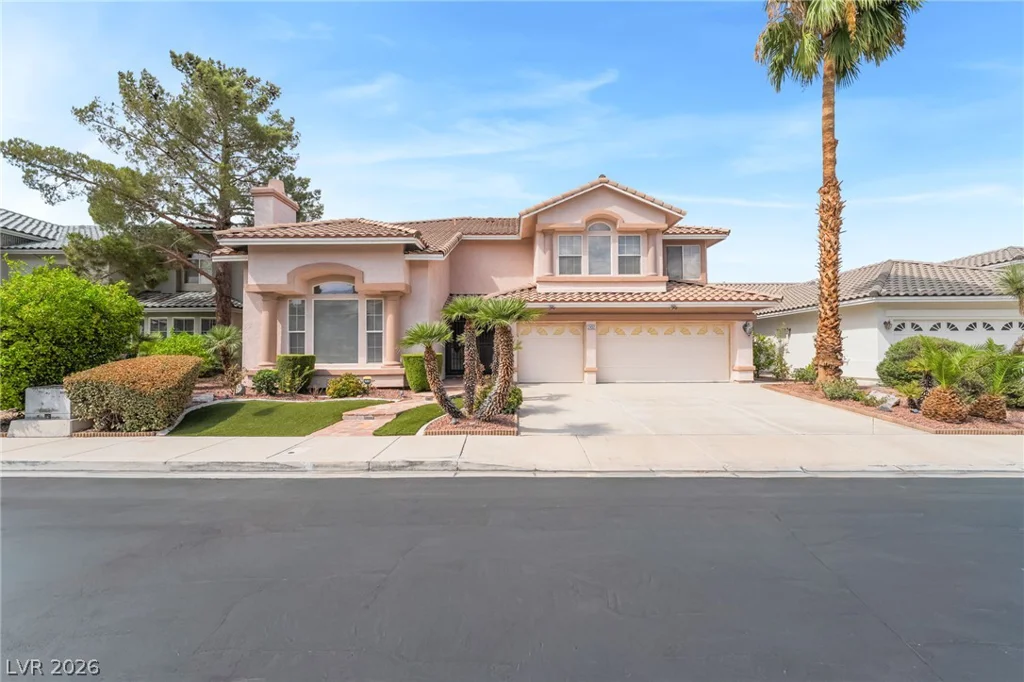
Why Heated Pools Matter in Green Valley
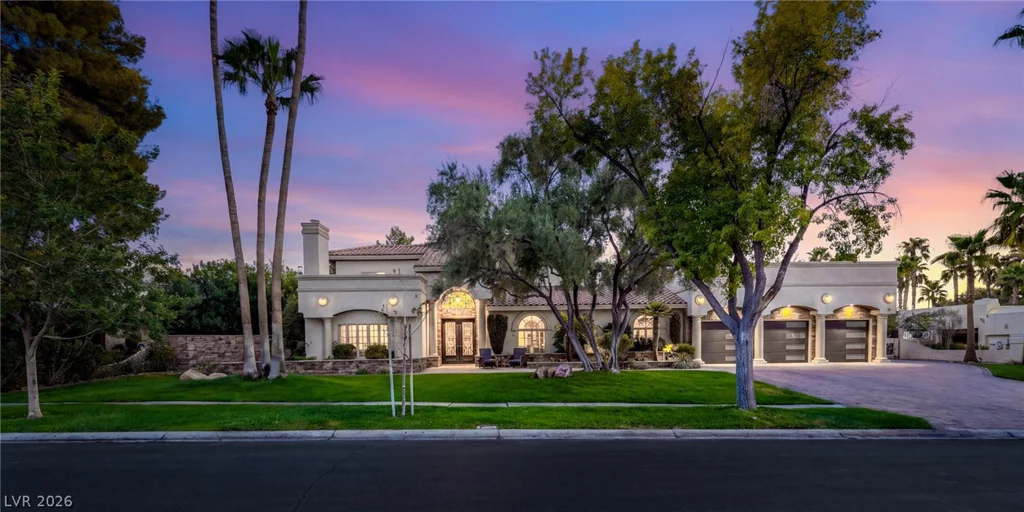
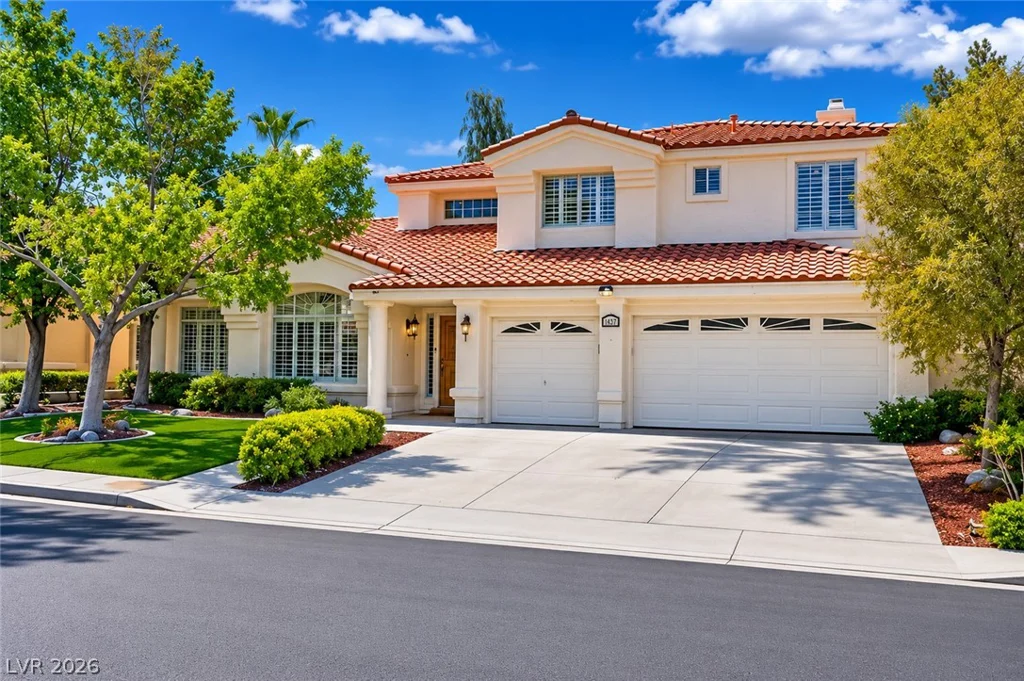
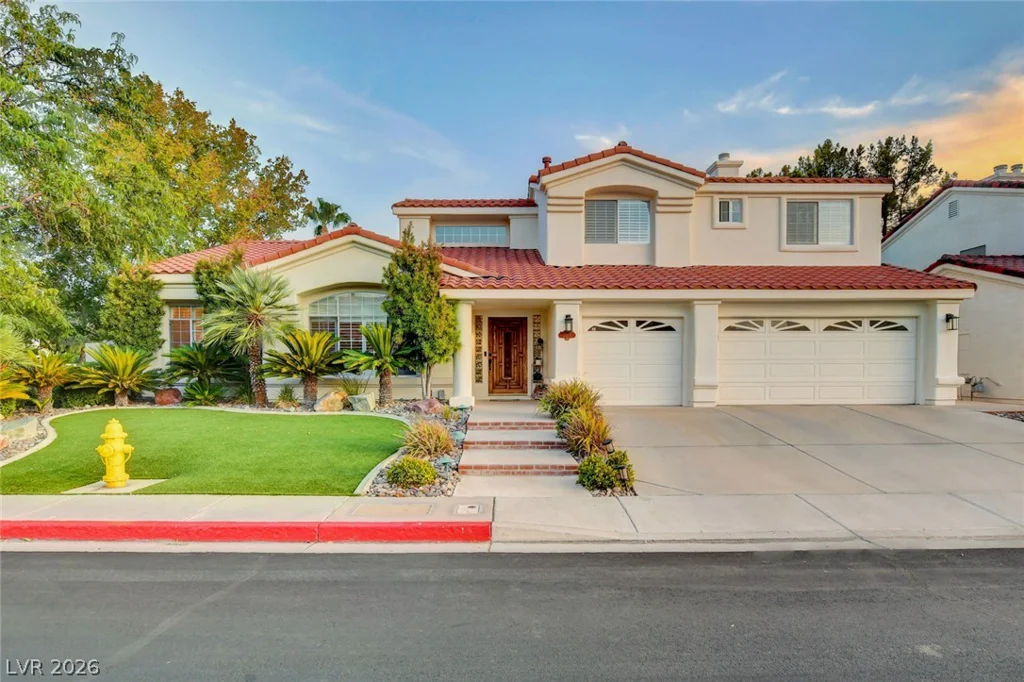
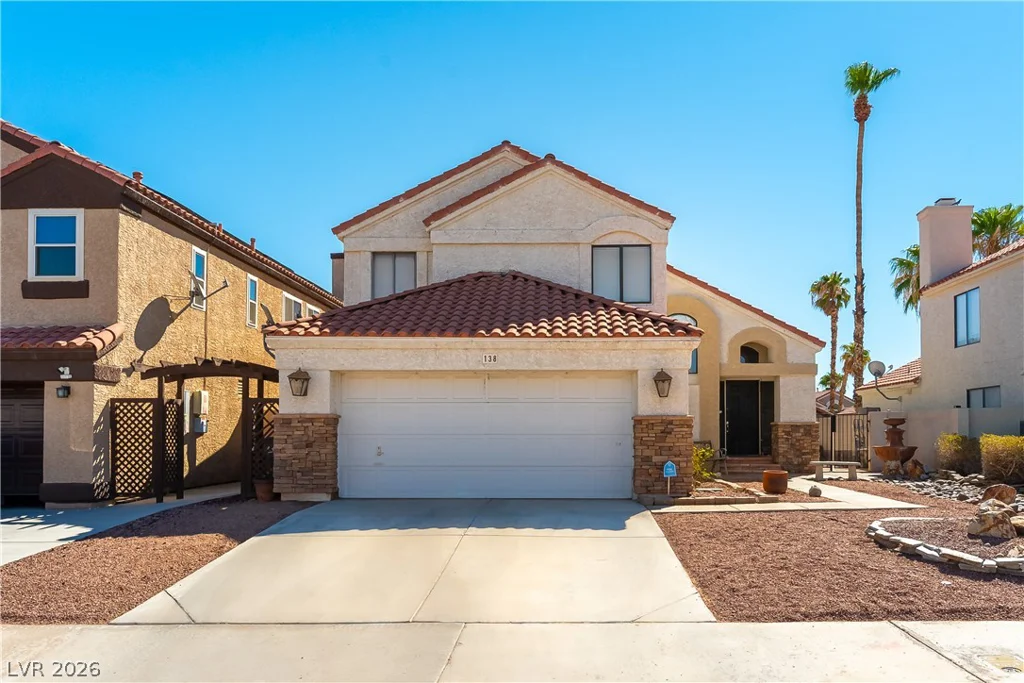
A pool that’s only usable for four or five months a year is a very different amenity than one that can be enjoyed well into the fall and even on warmer winter days, and in Green Valley—where the housing stock dates mostly to the late 1980s and 1990s—the heater is often the single piece of pool equipment most likely to need attention regardless of how well everything else has been maintained. Original heaters from this construction era are long past their expected service life, and even heaters installed during a later remodel are now reaching the age where replacement becomes a near-term consideration. For Henderson families who’ve enjoyed extended pool seasons in homes near Sunset Rd for years, a functioning heater paired with mature trees providing windbreak and shade represents a genuinely valuable combination that’s worth verifying carefully rather than assuming.
What to Inspect Before You Make an Offer
- Ask for the heater’s age, fuel type, and most recent service date, since gas heaters from the original construction era are almost certainly beyond their expected lifespan.
- Request that the seller demonstrate the heater actually reaching temperature, not just turning on, since a heater that ignites but doesn’t heat effectively can indicate a failing heat exchanger.
- Check the gas line and shutoff valve serving the heater for age-related wear, particularly if other plumbing in the home is still original galvanized material.
- Inspect for a pool cover or solar blanket, which significantly affects how efficiently a heated pool retains warmth and impacts ongoing energy costs.
- Look at the pool deck and equipment pad for cracking near mature trees, since root systems from established landscaping can affect both hardscape and buried gas or electrical lines running to the equipment.
The Most Common Buyer Mistake in Green Valley
Buyers frequently see “heated pool” listed as a feature and assume it adds straightforward value without asking what it actually costs to run. In Green Valley, where heater age is often a question mark, a buyer might inherit a heater that works but costs significantly more to operate than a modern, efficient unit—turning an assumed amenity into a recurring expense that wasn’t part of the original budget. Asking for actual utility bills from pool season, not just confirmation that the heater functions, gives a much clearer picture.
Resale Perspective & Market Reality
A heated pool with documented recent equipment service tends to be a meaningful differentiator in Green Valley, especially for buyers comparing against Green Valley guard gated homes that may offer community pool access instead of private heating. A heated pool with an aging or inefficient heater doesn’t necessarily reduce buyer interest, but it often becomes a point of negotiation once the heater’s true condition and operating cost come up during inspection.
Local Cost Context
Replacing a pool heater in the Henderson area is a meaningful but manageable expense, and ongoing costs to run an older, less efficient heater can add up significantly over a pool season compared to a newer unit. Green Valley’s comparatively modest HOA dues and less aggressive architectural review compared to newer master-plans mean equipment replacement typically doesn’t require the additional approval steps seen in communities like those offering Green Valley homes with private pools under stricter HOA oversight elsewhere in Henderson.
Frequently Asked Questions
What type of pool heater is most common in Green Valley’s older homes?
Gas heaters were the standard choice during Green Valley’s main construction era, though some homes have since been retrofitted with heat pump or solar heating systems, which generally cost less to operate but represent a different maintenance profile worth understanding before purchase.
Can a pool cover meaningfully reduce heating costs in a Green Valley backyard with mature trees?
Yes—a quality pool cover or solar blanket can significantly reduce heat loss overnight, and in yards with mature trees providing additional windbreak, the combination can extend the usable pool season without proportionally increasing heating costs.