Why Workshops Matter in Las Vegas
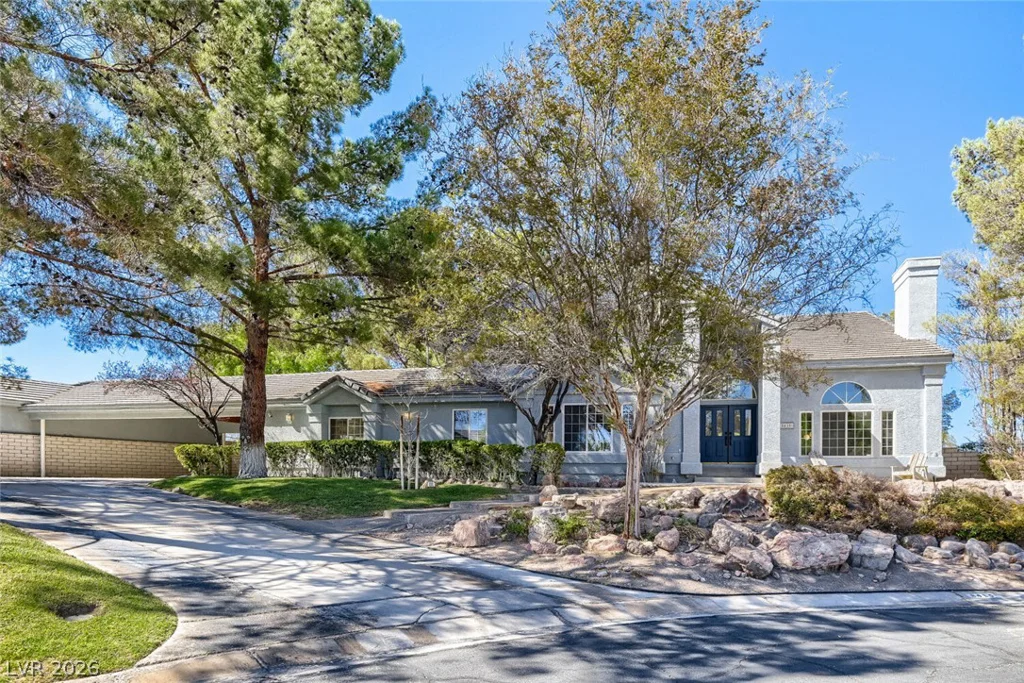
Hobbyists and tradespeople moving into the valley quickly discover that a “workshop” listed in a property description can mean anything from a corner of a standard two-car garage with a single 110V outlet, to a fully converted bay with 220V service, dedicated lighting, and a mini-split for year-round comfort. Older homes near the Scotch 80s or other established central-valley pockets sometimes have detached block structures originally built as storage sheds that owners have since wired and insulated into genuine workspaces, while newer builds further from the urban core may offer larger three- and four-car garages with more raw square footage but no upgrades beyond what the builder included. For anyone running power tools, welding equipment, or a small business out of the home, the gap between “has a workshop” and “has a usable workshop” is almost entirely about electrical capacity and climate control.
What to Inspect Before You Make an Offer
- Check the electrical panel size and confirm whether any 220V circuits were professionally installed and permitted versus added informally — this affects both safety and insurability.
- Test ventilation, especially in any space intended for painting, sanding, or welding — a workshop without proper exhaust in a desert climate becomes unusable for half the year due to heat buildup.
- Look for evidence of permitted structures if the workshop is in a detached building, since unpermitted additions can create issues with insurance claims and future resale disclosures.
- Evaluate access — driveway width, gate clearance, and door height matter if you’re moving in larger equipment like table saws, lathes, or motorcycles.
- Ask about lighting upgrades and flooring (epoxy, rubber mats, or bare concrete), since these details are rarely mentioned in listings but significantly affect day-to-day usability.
The Most Common Buyer Mistake in Las Vegas
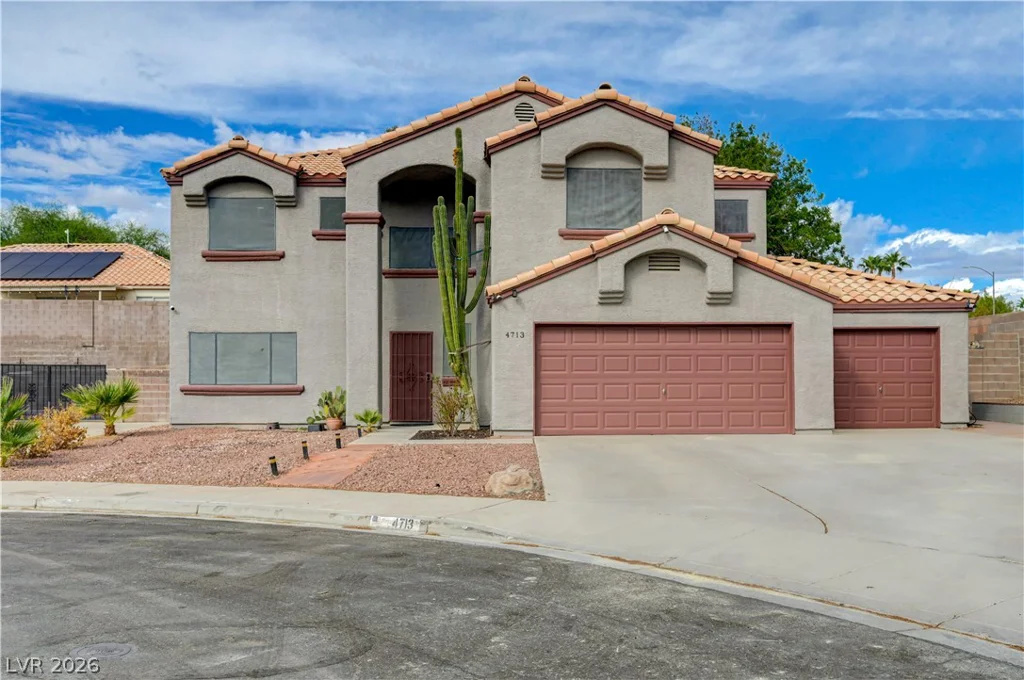
Buyers searching for “workshop” homes often fixate on square footage and overlook whether the space actually fits their specific equipment and workflow. A three-car garage advertised as having “workshop space” might have a low ceiling that won’t accommodate a car lift, or a layout where the water heater and HVAC equipment eat up the exact corner where a workbench would otherwise go. Because the term “workshop” isn’t standardized in MLS listings the way bedroom counts are, two homes described identically can differ enormously in real usability — the only way to know is to bring a tape measure and a list of your actual tools to the showing.
Resale Perspective & Market Reality
A genuinely well-equipped workshop — properly wired, insulated, and ventilated — can be a strong selling point for a specific buyer segment (contractors, hobbyists, car enthusiasts) and sometimes shortens the search for that niche audience considerably. However, for the broader buyer pool, an oversized garage converted heavily toward workshop use can read as “less garage space for actual cars,” which in a valley where covered parking matters during summer can be a mild drag on marketability unless the conversion is easily reversible.
Local Cost Context
Adding a properly permitted 220V circuit to a garage workshop typically runs a few hundred to over a thousand dollars depending on panel capacity and run length, and a mini-split system for climate-controlling a detached workshop can add a few thousand more — costs that matter when comparing an “as-is workshop” listing against one where these upgrades are already done. If garage and storage flexibility is the priority but a dedicated workshop isn’t essential, Las Vegas Homes with Balconies and Las Vegas Homes with Vaulted Ceilings highlight other space-driven features worth comparing against a workshop conversion. Buyers open to a slightly different commute should also look at Henderson Homes with Workshops for comparable setups in that part of the valley.
Frequently Asked Questions
Do I need a permit to convert part of my Las Vegas garage into a workshop?
Adding electrical circuits, lighting, or HVAC to a garage typically requires an electrical or mechanical permit from the relevant jurisdiction (City of Las Vegas, Henderson, North Las Vegas, or Clark County depending on location), even if you’re not changing the structure itself — and unpermitted electrical work can become a disclosure issue when you sell.
Will running a home workshop affect my homeowners insurance in Las Vegas?
It can — insurers may ask about the presence of woodworking equipment, welding gear, or flammable materials storage, and some policies require an endorsement or have exclusions for business-use activities conducted in a residential garage, so it’s worth disclosing your intended use when shopping for coverage.