Why Stainless Steel Appliances Matter in Las Vegas
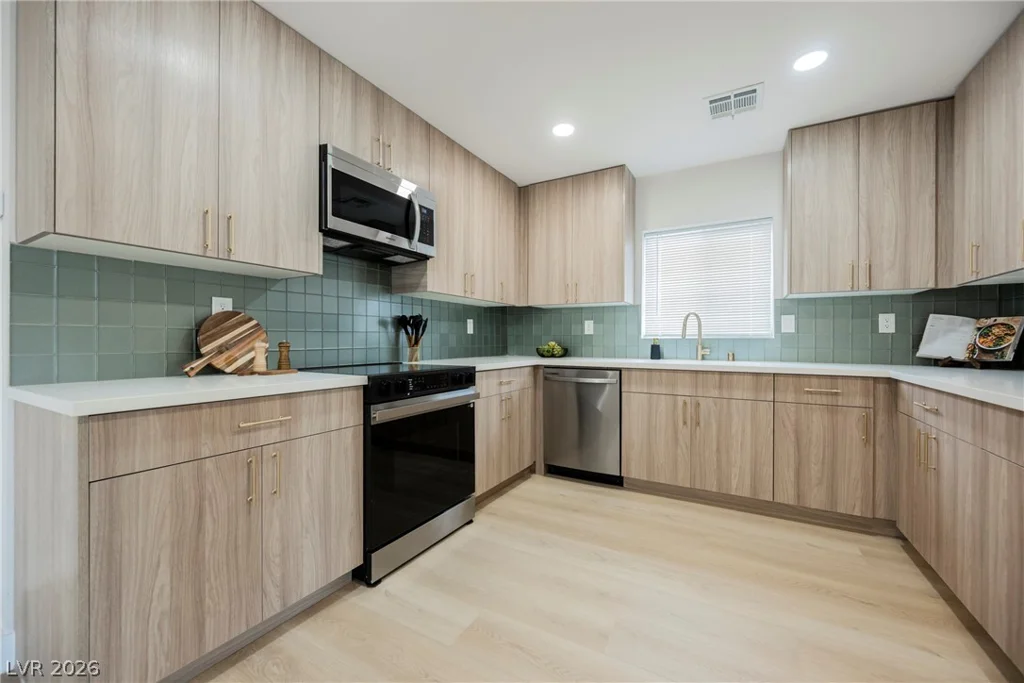
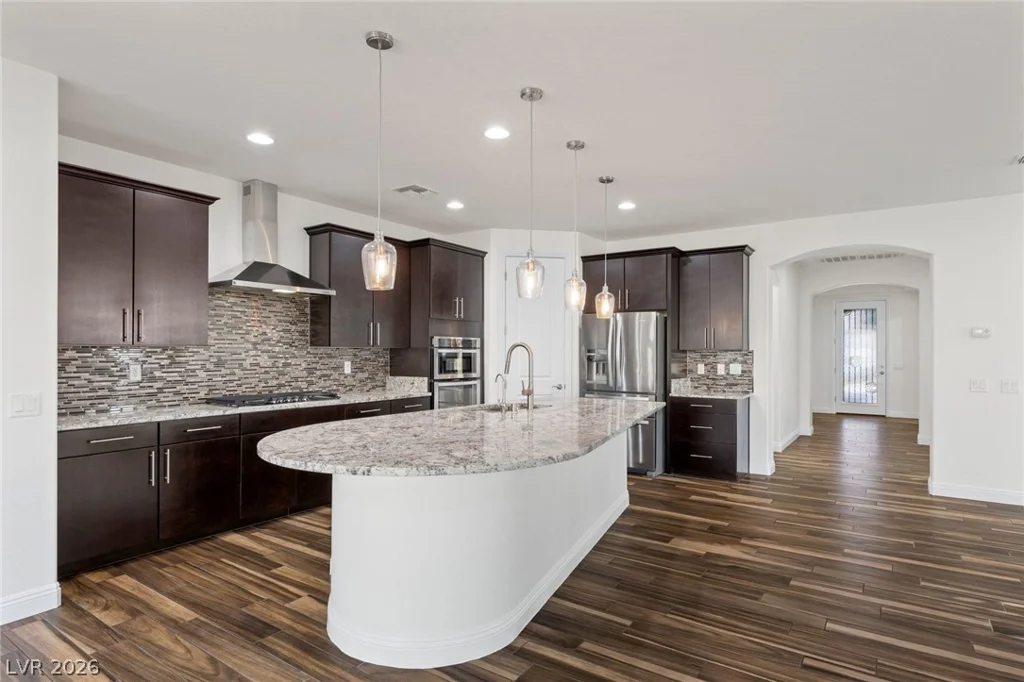
Scroll through enough Las Vegas listings and you’ll notice “stainless steel appliances” gets used as shorthand for “updated kitchen,” but the two don’t always go together. In flip-heavy pockets of the valley near Charleston Blvd and the Arts District, investors often install a basic stainless package as the cheapest visual upgrade before relisting an otherwise untouched 1970s or 1980s kitchen. In newer southwest and northwest subdivisions near the 215 Beltway, builder-grade stainless appliances are often standard from day one, so the finish alone tells you very little about the home’s age or condition. For buyers who actually cook regularly, the appliance brand, fuel type, and how the appliances fit the existing cabinet openings matter far more than whether the surface is stainless or white. In a market this large, the smartest approach is to treat stainless steel as one data point among many rather than a feature that defines the kitchen.
What to Inspect Before You Make an Offer
- Check appliance model numbers and manufacture dates, since a “new” stainless range can sometimes be an older discontinued model installed to save cost before listing.
- On homes from the 1980s and 1990s, confirm whether the kitchen still has the original cabinet boxes, since stainless appliances dropped into dated cabinetry can signal a surface-level update only.
- Verify gas versus electric cooking, especially in older central-valley homes where converting from electric to gas can require new gas line routing.
- Look for mismatched brands or finishes between the range, dishwasher, and refrigerator, which often indicates piecemeal replacements rather than a coordinated kitchen remodel.
- Ask whether any appliances are still under a manufacturer or builder warranty, and request documentation that the warranty is transferable to a new owner.
The Most Common Buyer Mistake in Las Vegas
It’s easy to walk into a kitchen with shiny new stainless appliances and assume the rest of the home has been updated to match, then discover during inspection that the electrical panel, plumbing, or HVAC are original to a decades-old build. Appliances are one of the cheapest and fastest things to replace before a sale, which makes them an unreliable signal for the overall condition of an older Las Vegas home.
Resale Perspective & Market Reality
Stainless appliances alone rarely move the needle on days on market, but a kitchen where the appliances, counters, and cabinets all feel cohesive tends to photograph better and generate more showings in the first two weeks of listing. Buyers who want a true move-in-ready feel across the whole home, not just the kitchen, often compare against Las Vegas Homes with Private Pools as a proxy for sellers who’ve invested broadly in the property rather than just the kitchen finishes.
Local Cost Context
A basic stainless appliance package in the Las Vegas market can be installed relatively inexpensively, while a coordinated kitchen remodel including new cabinets, counters, and appliances runs into five figures depending on scope. In HOA communities, kitchen appliance choices generally fall outside architectural review board oversight since they’re interior, but exterior venting changes for a new range hood may require approval in attached or townhome-style products. For buyers prioritizing lot shape and yard space alongside kitchen quality, Las Vegas Corner Lot Homes is a useful complementary search, and those focused on a specific golf community can check Rhodes Ranch Homes with Stainless Steel Appliances to see how that subdivision’s kitchens compare.
Frequently Asked Questions
Do stainless steel appliances increase a home’s appraised value in Las Vegas?
Appraisers generally don’t assign significant standalone value to appliance finish, but a kitchen that appraises as “updated” overall — including cabinets, counters, and flooring — can support a higher comparable adjustment than appliances viewed in isolation.
How can I tell if stainless appliances were installed just before listing?
Check for protective film still on appliance surfaces, manuals left in drawers, or warranty registration cards, all of which suggest a recent purchase timed to the sale rather than appliances the seller has used for years.