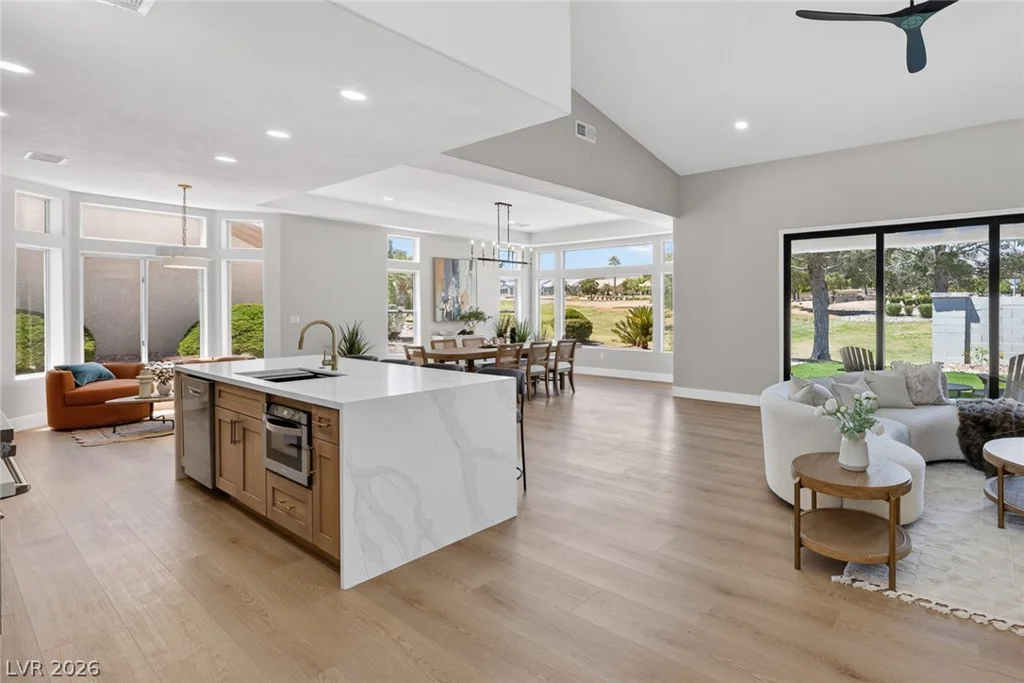
Why Golf Course Community Living Matters in Sun City Summerlin
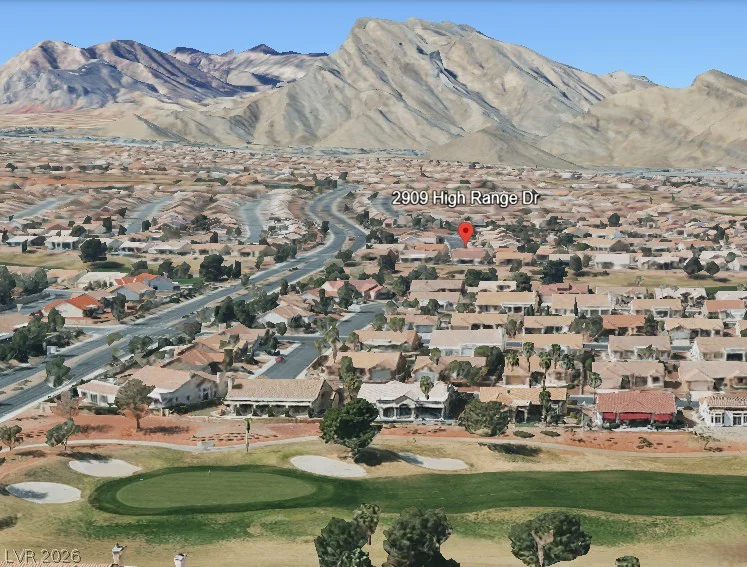
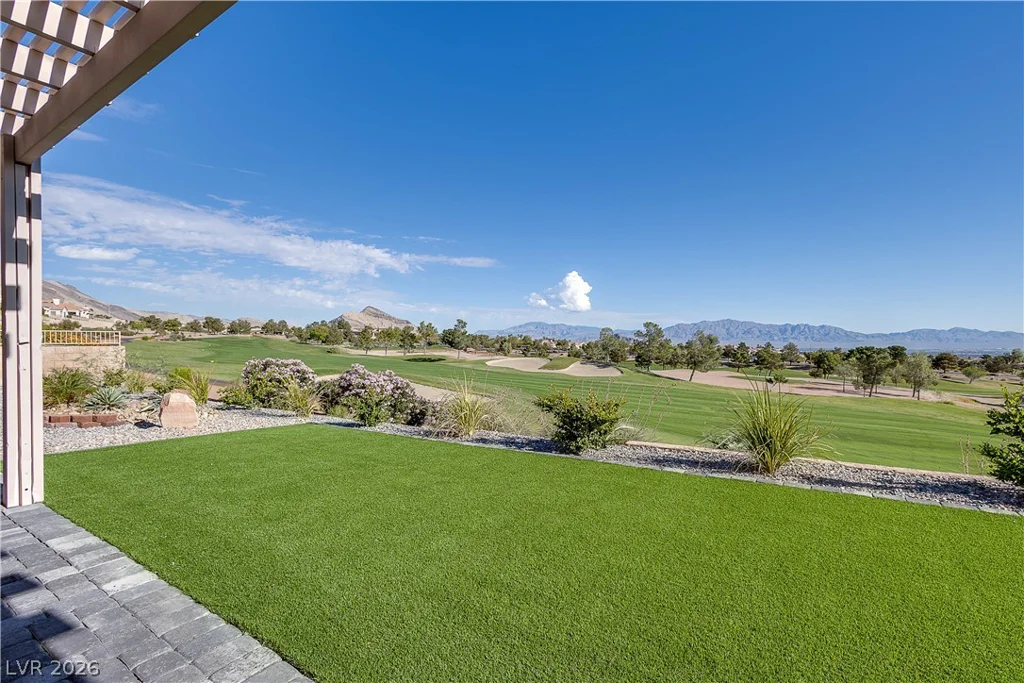
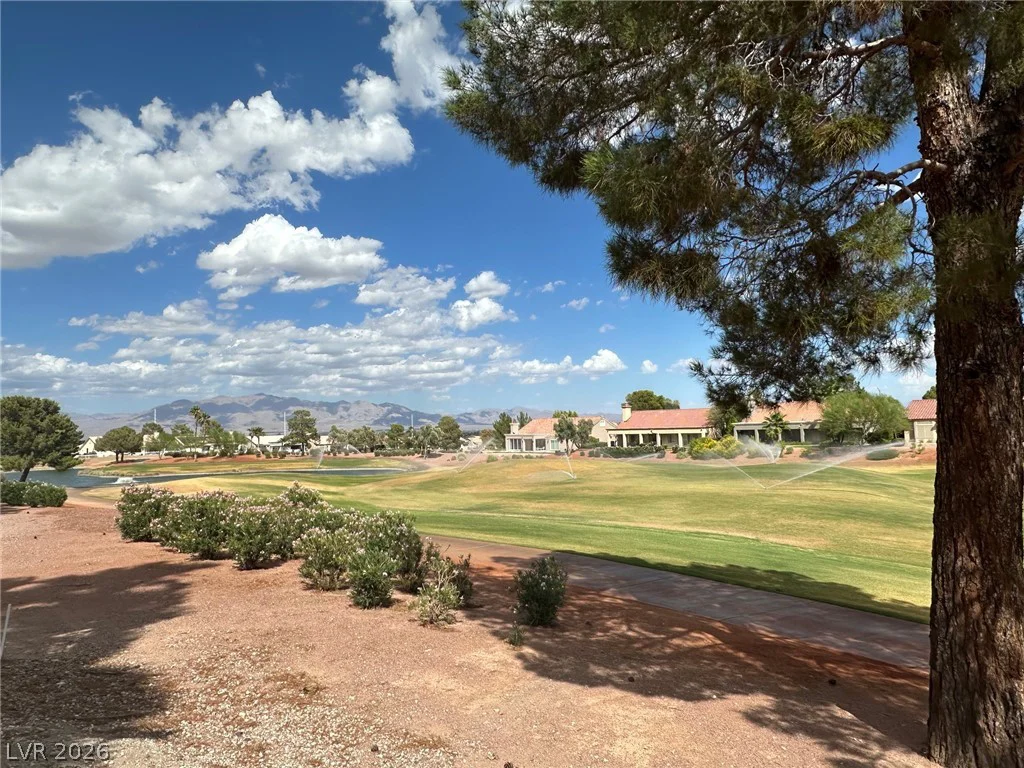
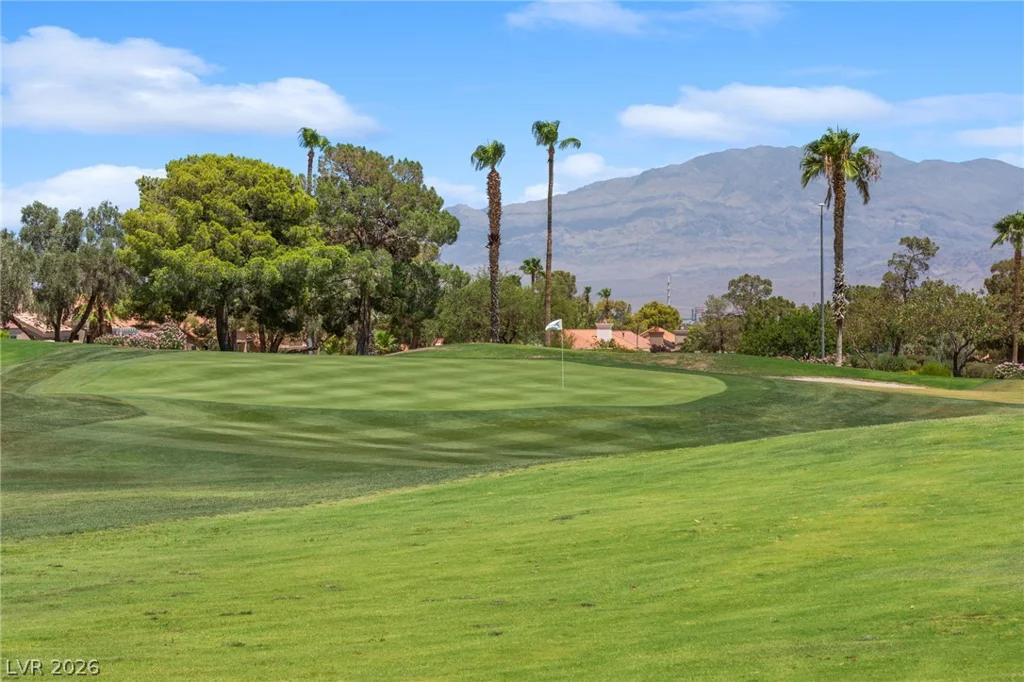
Three golf courses thread through this community, and depending on which one a home backs onto, the experience of “living on the course” can vary enormously. A fairway lot along the course nearest Mountain Shadows might offer a quiet, mature-tree-lined view with minimal foot traffic, while a lot positioned near a tee box on a different course can mean far more ball strikes, golfer noise during early tee times, and a steady stream of carts passing close to the property line. For buyers drawn to this community specifically because of its golf heritage, the course itself often matters less than where on that course a given home sits. Original 1990s owners selected these lots for the view premium at the time, and many of today’s listings reflect three decades of landscaping growth that has either enhanced privacy or, in some cases, created new maintenance and root-intrusion issues for backyard hardscape.
What to Inspect Before You Make an Offer
- Walk the backyard at the time of day matching typical tee times to gauge actual noise and ball-strike frequency rather than relying on a quiet midday tour
- Check the block wall or fencing along the course-facing property line for cracking or leaning, which can result from mature tree root systems common to 1990s landscaping
- Inspect window and patio door seals on course-facing rooms, since golf course-adjacent homes sometimes see more dust infiltration depending on irrigation and wind patterns
- Review the roof for any history of impact damage from errant golf balls, which insurers may ask about specifically for course-facing homes
- Confirm whether the home’s HOA dues include any course-specific landscaping assessment beyond the standard community fee
The Most Common Buyer Mistake in Sun City Summerlin
A common misstep is assuming all golf course frontage carries the same premium and the same tradeoffs, when in fact a lot backing a quiet stretch of fairway with mature trees offers a completely different living experience than one near a green or tee box where balls land more frequently. Buyers who don’t walk the specific hole their home faces sometimes discover after moving in that the “golf course view” they paid extra for comes with regular thuds against the block wall.
Resale Perspective & Market Reality
As original owners increasingly sell to incoming retirees, golf course-facing homes with well-maintained privacy landscaping tend to command faster sales than those where the course view comes with visible wear on fences or patio covers. Buyers often pair their golf course search with Sun City Summerlin Homes with Covered Patios, since a covered outdoor space makes a course-facing backyard usable for watching play rather than just viewing it from indoors. Interior features also factor in — homes with Sun City Summerlin Homes with Vaulted Ceilings often frame course views particularly well through larger window openings.
Local Cost Context
Golf course-facing lots in Sun City Summerlin generally carry a price premium over interior lots, though that premium can compress for homes needing fence or hardscape repairs. The HOA’s ARC has specific guidelines for fencing material and height on golf-adjacent lots, often requiring view fencing rather than solid block in certain areas, and any changes to that fencing require approval. Buyers should also budget for periodic patio screen or net installation if ball strikes become a recurring issue — a relatively modest cost compared to the view premium paid at purchase, but one that’s easy to overlook during initial budgeting.
Frequently Asked Questions
Does the HOA require specific fencing types for homes backing the golf course?
Yes — the ARC typically specifies view fencing (wrought iron or similar see-through materials) rather than solid block walls for golf course-adjacent lots in many sections, and any fence replacement or repair should be submitted for approval before work begins.
If a golf ball damages my roof or window, who is responsible for the repair cost?
Homeowners are generally responsible for their own property damage from errant golf balls, though some residents pursue claims through their homeowner’s insurance; the golf course operation typically does not cover individual property damage claims.