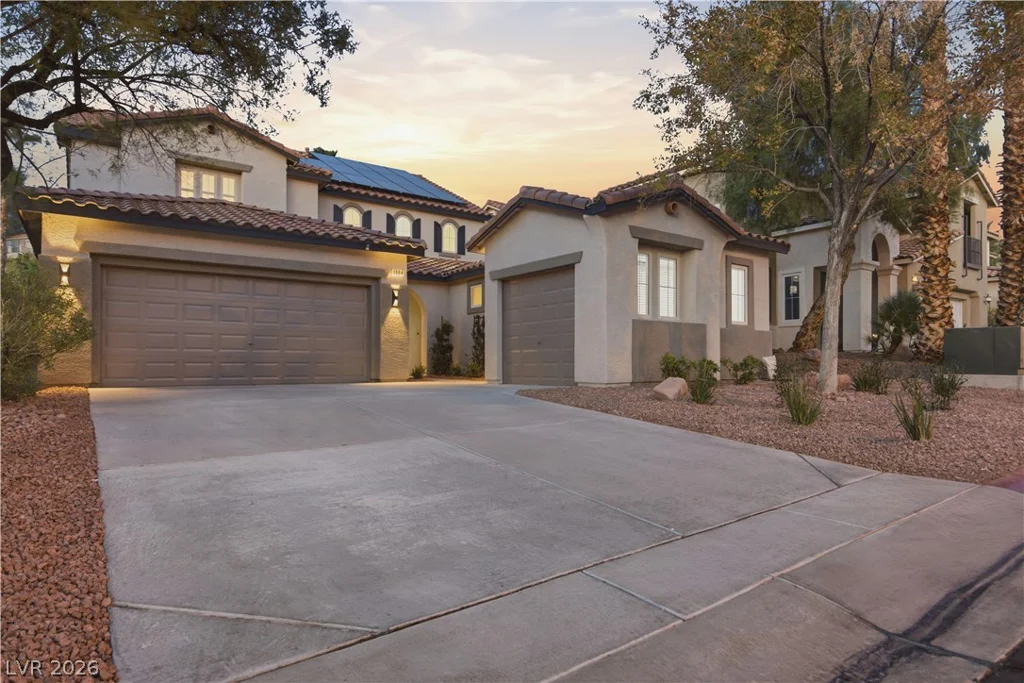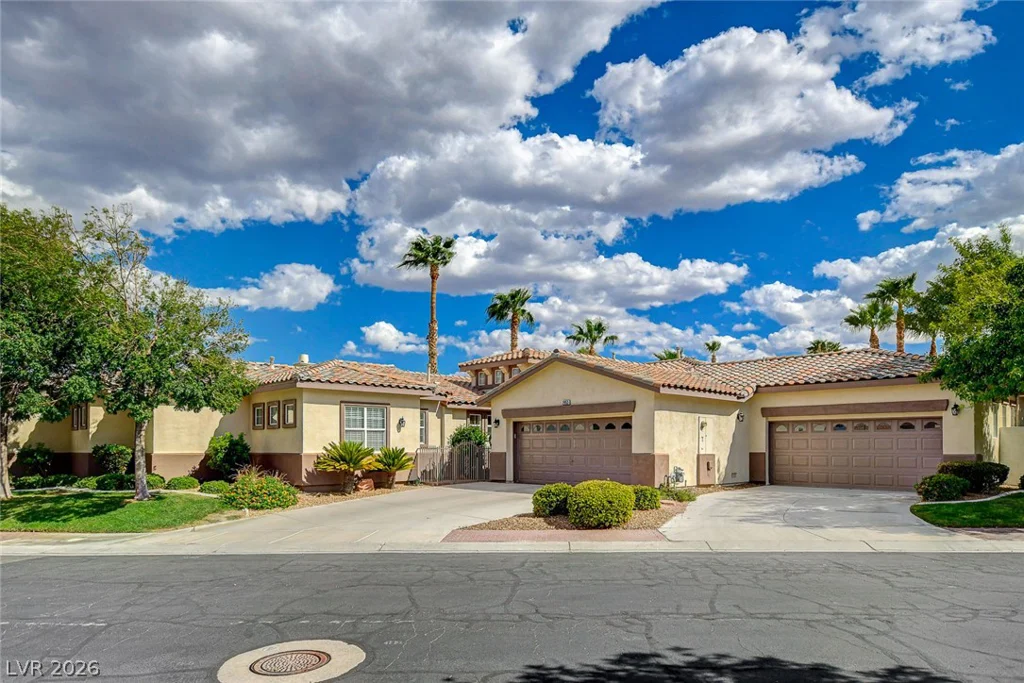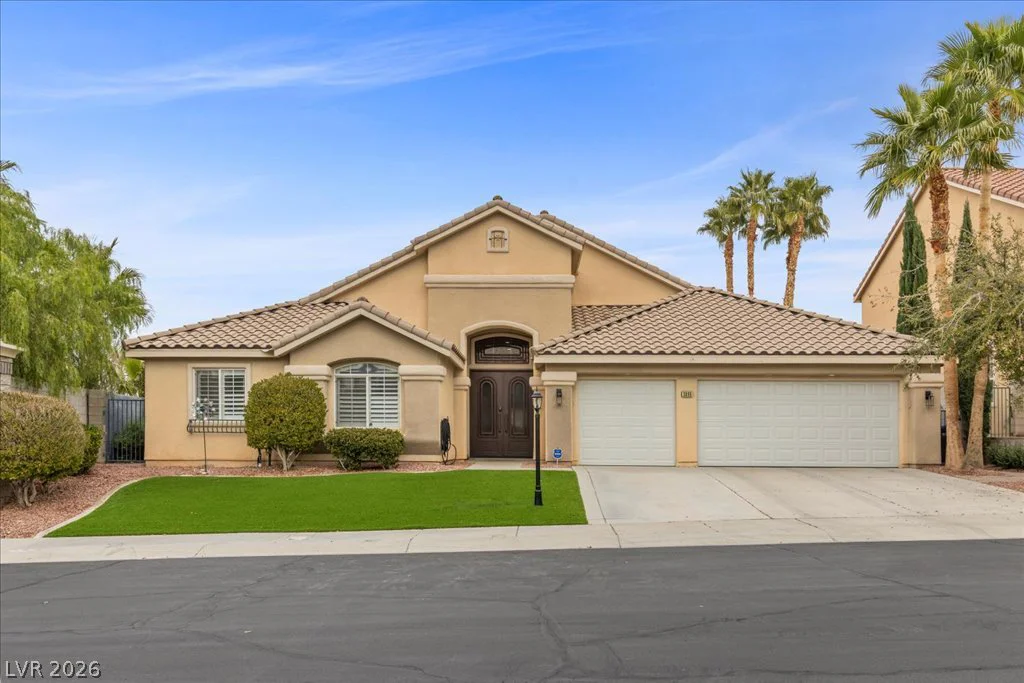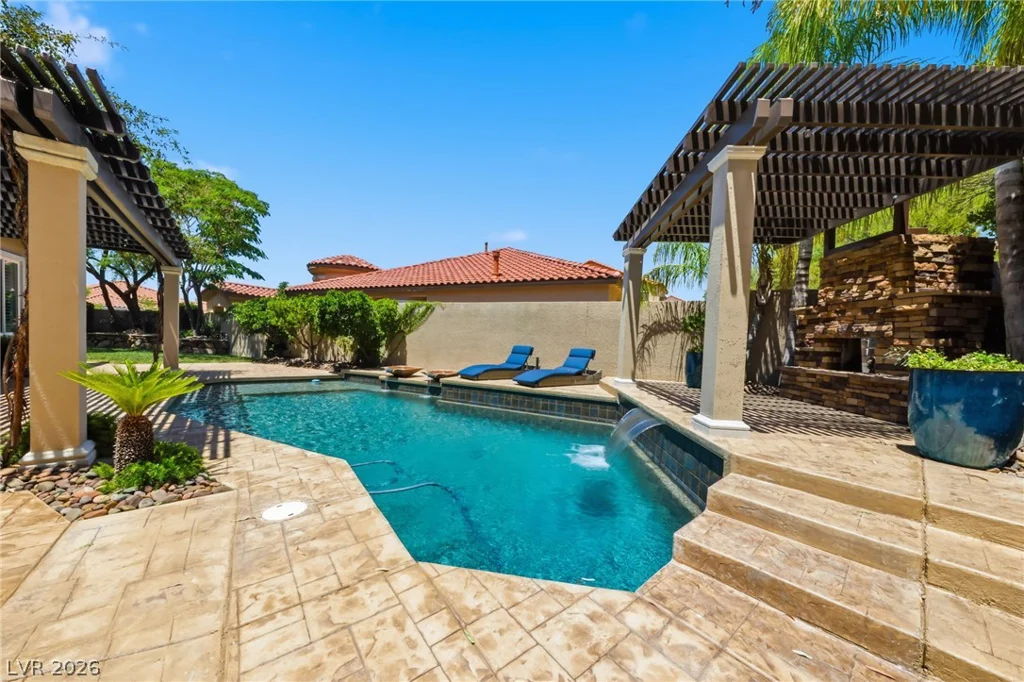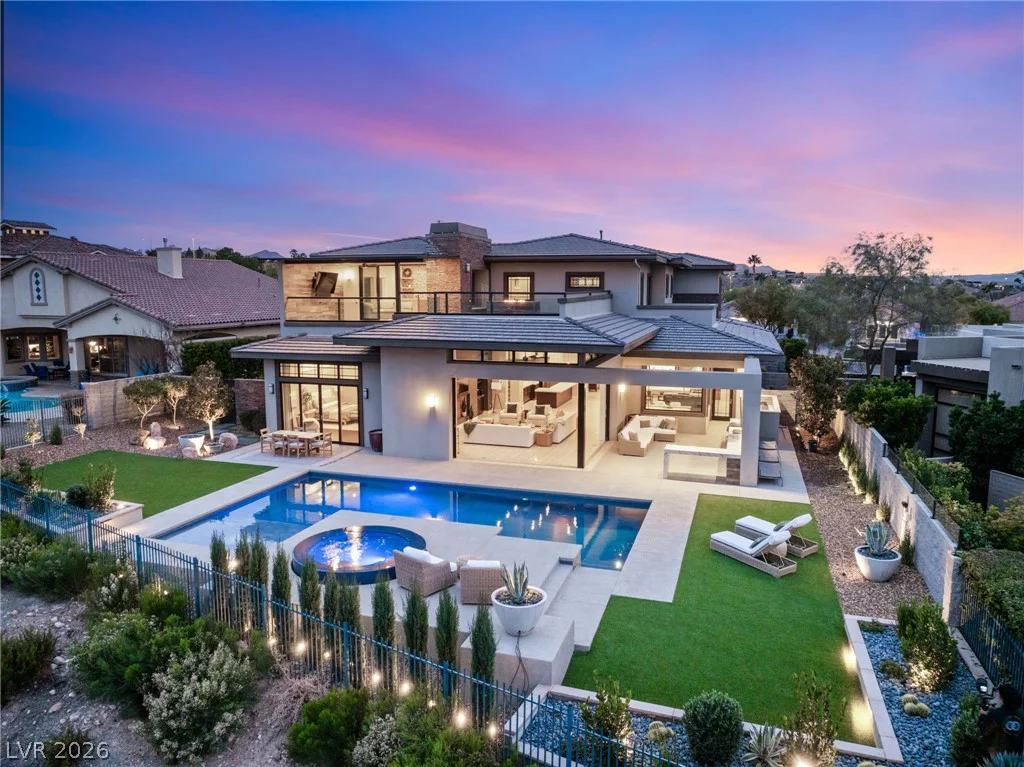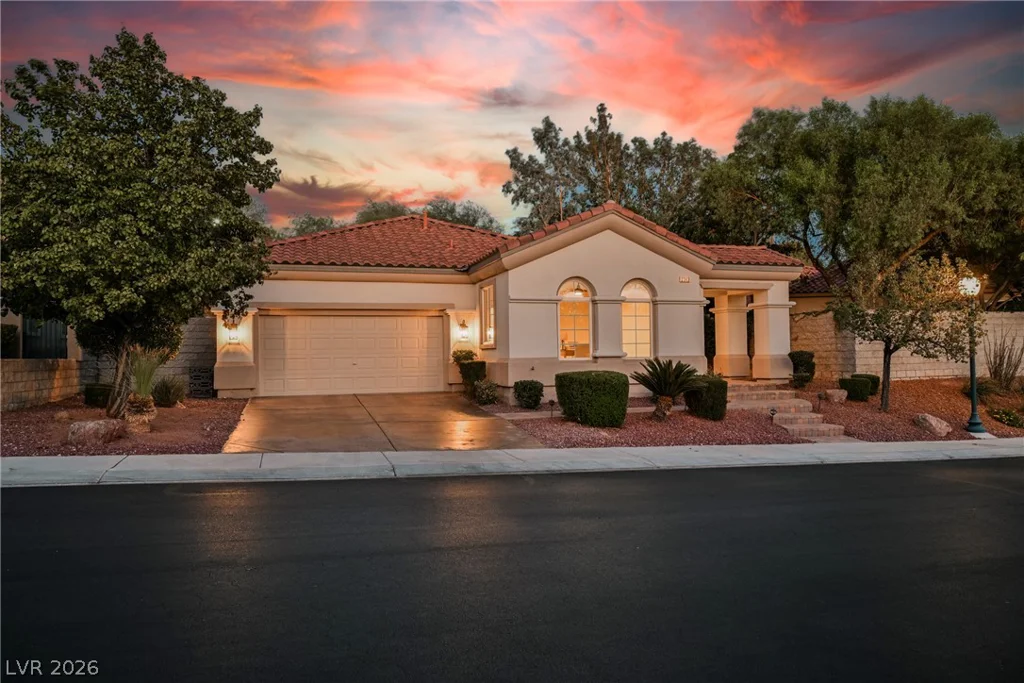
Step onto the back patio of a Seven Hills home along Promontory Ridge in late afternoon, and the difference a quality cover makes becomes obvious within seconds — the west-facing glare that bakes an open slab turns into a shaded, livable extension of the home. 11 active listings in Seven Hills currently advertise a covered patio, and in a community built largely between the late 1990s and 2000s on graded hillside pads, that shade structure often does more than block sun: it protects stucco, stamped concrete, and outdoor kitchens from a decade-plus of UV exposure and seasonal monsoon runoff.
Why Covered Patios Matter in Seven Hills
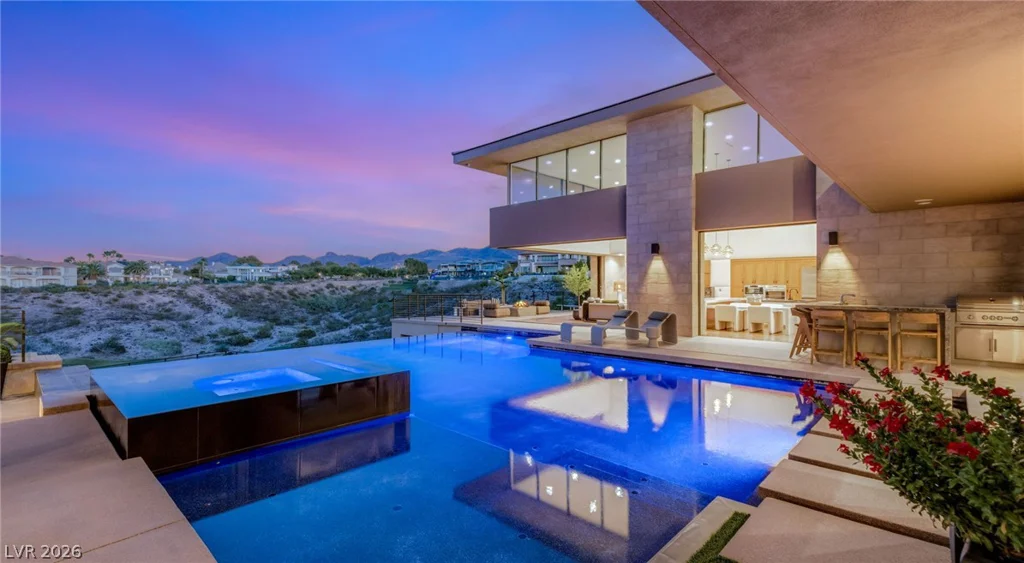
In a hillside community where lots were carved into the McCullough Range foothills, the orientation of a covered patio is tied directly to the orientation of the view. A patio that captures a Strip-facing panorama from a Seven Hills Drive lot is also, by definition, catching the harshest west and southwest sun in the valley — which is exactly why a well-built cover matters so much here. Buyers comparing Seven Hills Homes with Mountain Views alongside covered-patio listings will notice that the two features often overlap on the same elevated parcels, since the same grading that created the view also created a backyard that needs shade to be usable for more than a few months a year. A patio cover that’s been engineered for the slope, with proper flashing into the roofline and gutters that direct water away from the foundation on a graded lot, adds genuine year-round value rather than just curb appeal.
What to Inspect Before You Make an Offer
- Check whether the patio cover was permitted with Henderson and whether it appears on the county’s structure record, since unpermitted additions on hillside lots can complicate refinancing
- Inspect the ledger board attachment to the home’s stucco and look for water staining, which is common on homes from this era where flashing wasn’t properly integrated
- Look at how the patio drains relative to the retaining walls and graded slope behind the home — standing water against a 20+ year-old wall is a red flag
- Test ceiling fans, recessed lighting, and any gas line stub-outs for outdoor kitchens, since electrical work added after original construction isn’t always inspected
- Confirm the cover doesn’t block sightlines that the HOA’s architectural guidelines protect, particularly on view-corridor lots near Promontory Ridge
The Most Common Buyer Mistake in Seven Hills
The mistake buyers make most often here is touring a covered-patio listing in the morning, when the backyard looks shaded and pleasant, without returning for a late-afternoon visit to see how the same space performs at 4 or 5 p.m. in summer. On a west-facing lot off Seven Hills Drive, a patio cover that seemed generous in the morning light can leave half the seating area exposed to direct sun precisely when most families want to use it. Buyers also tend to assume the cover’s structural posts were set into footings that account for the hillside grade, when in some older builds they were simply anchored to the existing slab — a detail worth confirming with the listing agent or a contractor before writing an offer.
Resale Perspective & Market Reality
Homes with a functional, well-integrated covered patio tend to spend fewer days on market in Seven Hills because the move-up and executive buyers who target this neighborhood are often relocating from out of state and prioritize turnkey outdoor living over a backyard that needs immediate construction work. A patio cover that’s clearly an afterthought — mismatched materials, an awkward roofline tie-in, or a structure that obstructs the very view the home was priced around — can actually slow a sale, since it signals to buyers that other parts of the property may have similarly improvised updates. Listings that pair a covered patio with Seven Hills Homes with Private Pools tend to draw the broadest buyer pool, since the combination addresses both shade and water in one backyard.
Local Cost Context
Replacing or upgrading a patio cover in Seven Hills typically runs higher than in flatter Henderson neighborhoods, partly because any structure visible from the street or from a neighboring view corridor has to clear the HOA’s architectural review committee, which can add weeks to a permit timeline and may require revised renderings if the design alters sightlines for adjacent homes. Buyers should also budget for the possibility that a patio cover built in the early 2000s used materials that no longer match current HOA-approved palettes, meaning a repaint or resurfacing project could trigger a fresh review even if the structure itself is sound.
Frequently Asked Questions
Does the Seven Hills HOA require approval to enclose or extend an existing patio cover?
Yes. Any modification that changes the footprint, height, or roofline of a patio cover — including converting an open lattice cover to a solid roof — requires architectural committee review, particularly on lots where the change could affect a neighbor’s view corridor along Seven Hills Drive or Promontory Ridge.
How do drainage easements on graded hillside lots affect where a patio cover can be built?
Many Seven Hills lots have recorded drainage easements that route runoff from the slope above toward the street, and a patio cover’s footings or gutter discharge can’t interfere with that path; a survey or the original grading plan should be checked before finalizing cover placement.