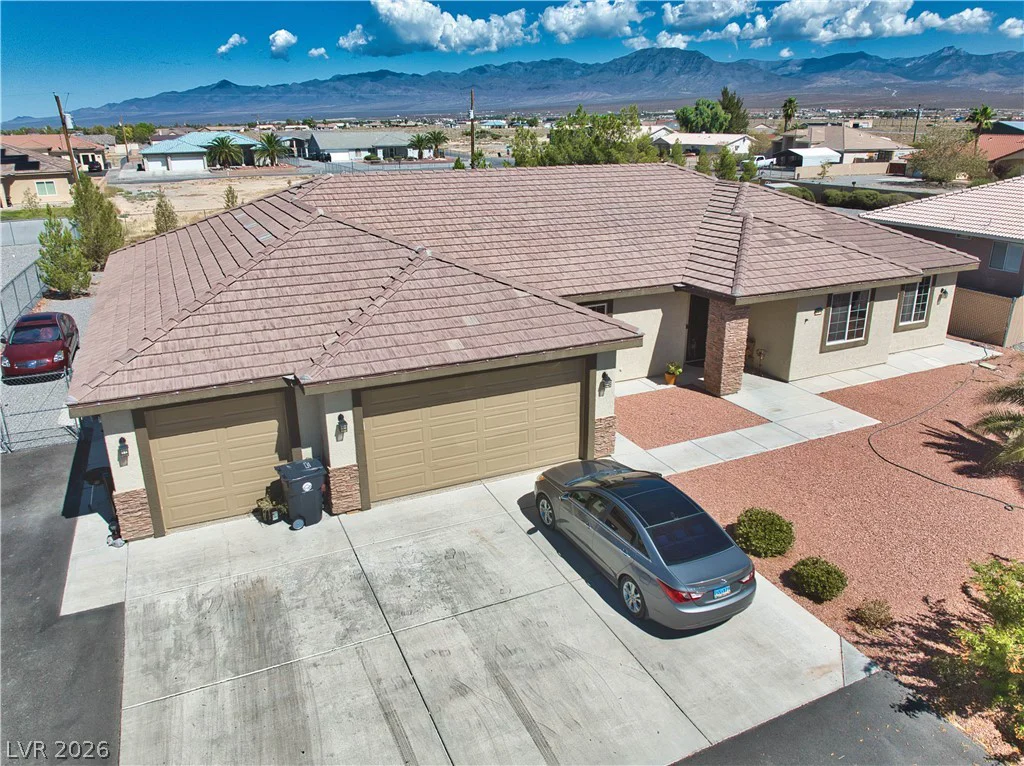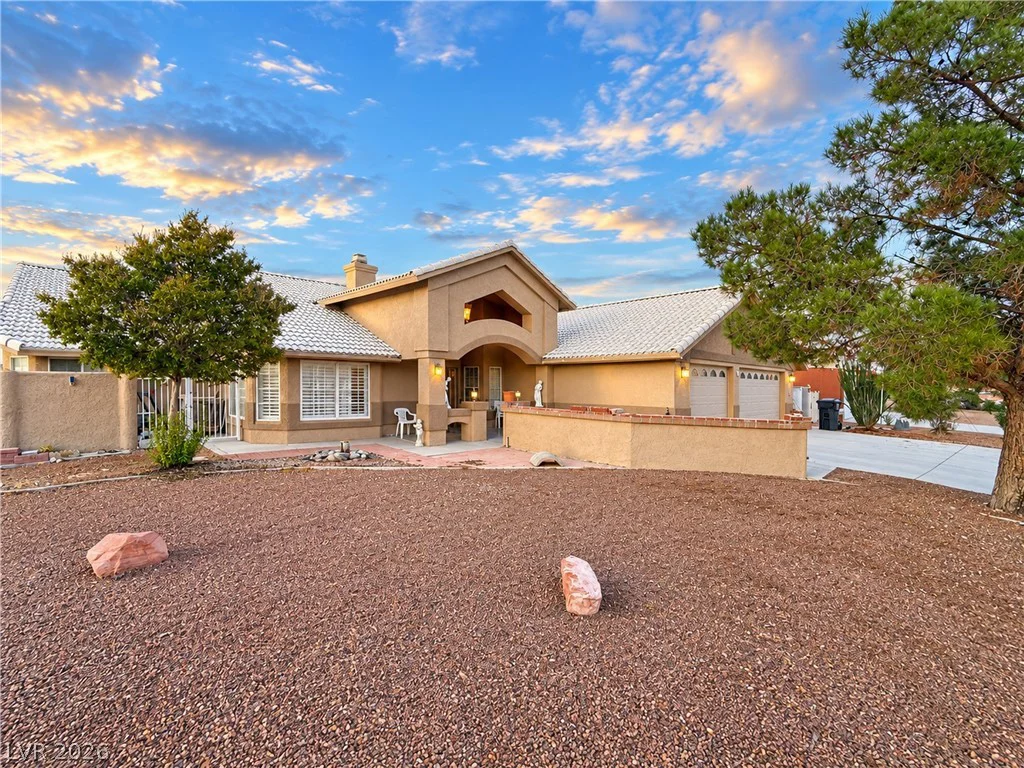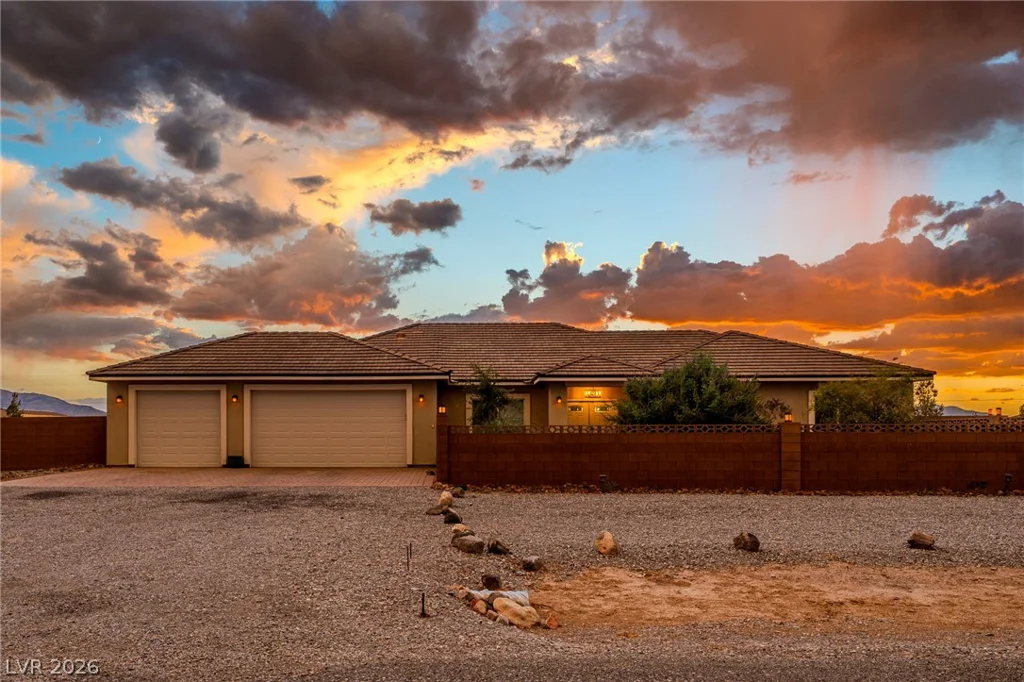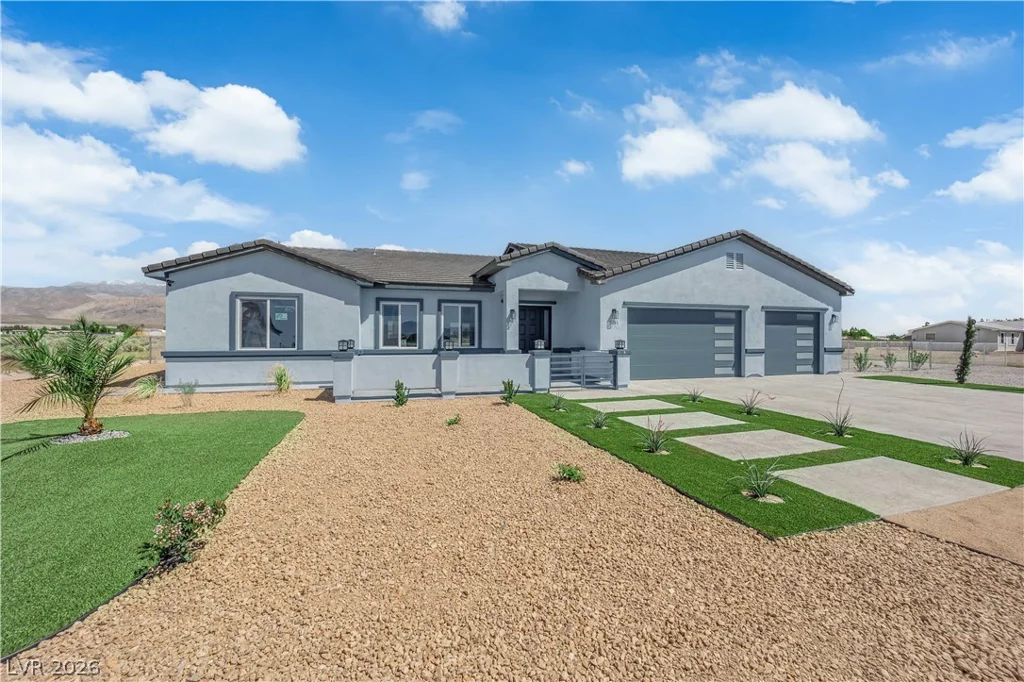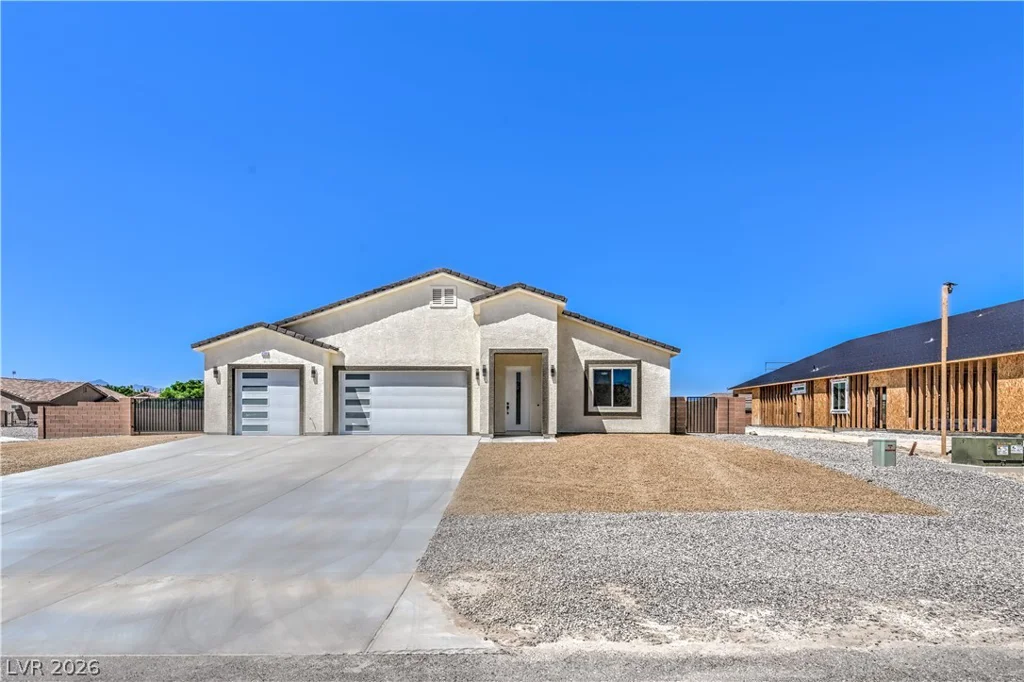
Why Walk-In Pantries Matter in Pahrump
Ask any longtime Pahrump resident about grocery runs and you’ll hear the same thing: the nearest big-box store is a real trip, not a quick errand, and that changes how households stock food. A walk-in pantry stops being a “nice extra” and becomes the room that makes a Costco run from Las Vegas or a bulk order actually work — cases of water, canned goods, feed-store snacks, and seasonal supplies all need somewhere to live besides the garage floor. Many Pahrump homes with RV parking attract buyers who already think in terms of stocking up before a trip, and a deep, shelved pantry fits that mindset perfectly. Combined with a kitchen that has room to actually prep meals, a walk-in pantry is one of the features that separates a home built for rural self-sufficiency from one that was simply scaled up from a city floor plan.
What to Inspect Before You Make an Offer
- Whether shelving is fixed wood, wire, or freestanding, and if it can handle heavy canned goods and water jugs without sagging
- Signs of rodent or pest entry points around baseboards, vents, and exterior walls common to outlying Nye County properties
- Ventilation and humidity — pantries on the home’s west or south wall can run hot in summer and affect dry goods storage
- Whether the pantry sits near an exterior door used for unloading groceries or feed, which matters when the driveway is gravel or unpaved
- Electrical outlets inside the pantry for a chest freezer or backup fridge, which many rural households rely on
The Most Common Buyer Mistake in Pahrump
Buyers fall for a beautifully staged pantry with open wire shelving and forget to check whether it’s climate-controlled. A pantry that shares a wall with the garage or sits over an uninsulated slab can swing 15-20 degrees with the outside temperature, which means stored produce, canned goods, and even pet food can spoil faster than expected. In a town where the next supply run might be a 45-minute drive each way on Highway 160, that’s not a cosmetic issue — it’s a planning issue.
Resale Perspective & Market Reality
Homes with a true walk-in pantry tend to move a bit faster among the retiree and ranchette crowd because it signals the kitchen was designed for real use, not just photos. On the flip side, if the pantry has been converted into a mudroom or laundry overflow space, expect buyers touring multiple Pahrump homes with workshops and outbuildings to ask pointed questions, since storage-minded buyers in this market cross-shop kitchen storage against shop and barn storage as part of the same decision.
Local Cost Context
Most Pahrump properties carry no HOA or ARC fees at all, so there’s no committee approval needed to add shelving, a second freezer, or even build out an exterior shed for overflow pantry goods — something that would require paperwork in many Las Vegas master-planned communities. The tradeoff is that any pantry remodel, like adding a dedicated outlet or removing a wall, is entirely on the buyer’s dime with no shared reserve fund to draw from. Budget a few hundred dollars for basic shelving upgrades versus a couple thousand if you’re reframing the space or adding insulation.
Frequently Asked Questions
Does a walk-in pantry affect septic or well systems in any way?
No, a pantry itself has no plumbing connection in most layouts, so it doesn’t factor into septic tank sizing or well capacity. The only exception is if a previous owner added a sink or ice maker line inside the pantry, which should be inspected for proper drainage tie-in to the home’s existing septic system.
Are pantry square footage numbers usually accurate in Pahrump listings?
Pantry space is often included in total interior square footage but rarely broken out separately in MLS data for this area, so it’s worth measuring in person. Older manufactured and stick-built homes in outlying Pahrump sometimes have pantries added after original construction, which may not be reflected on the county’s assessor record.