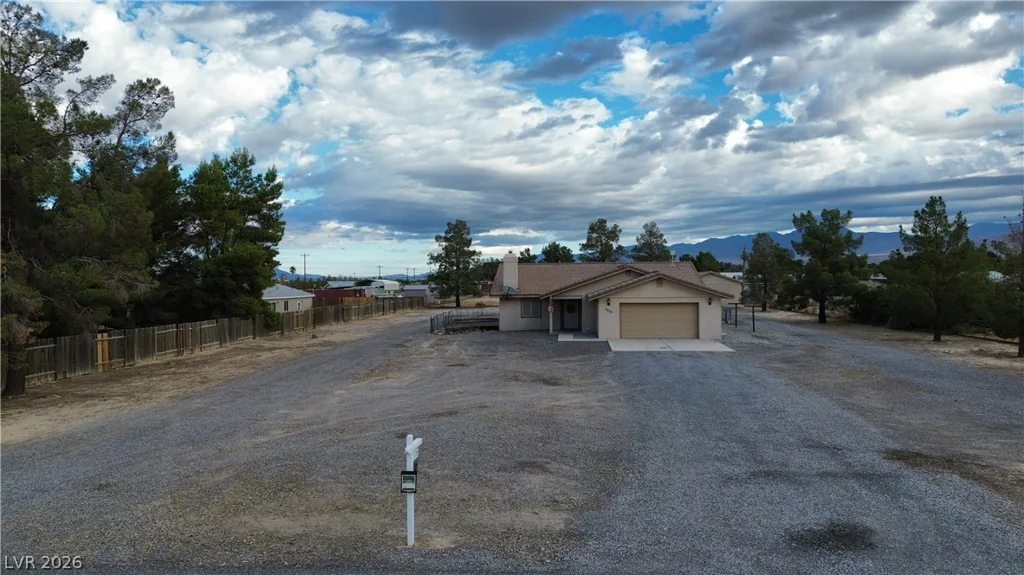
Why Mountain Views Matter in Pahrump
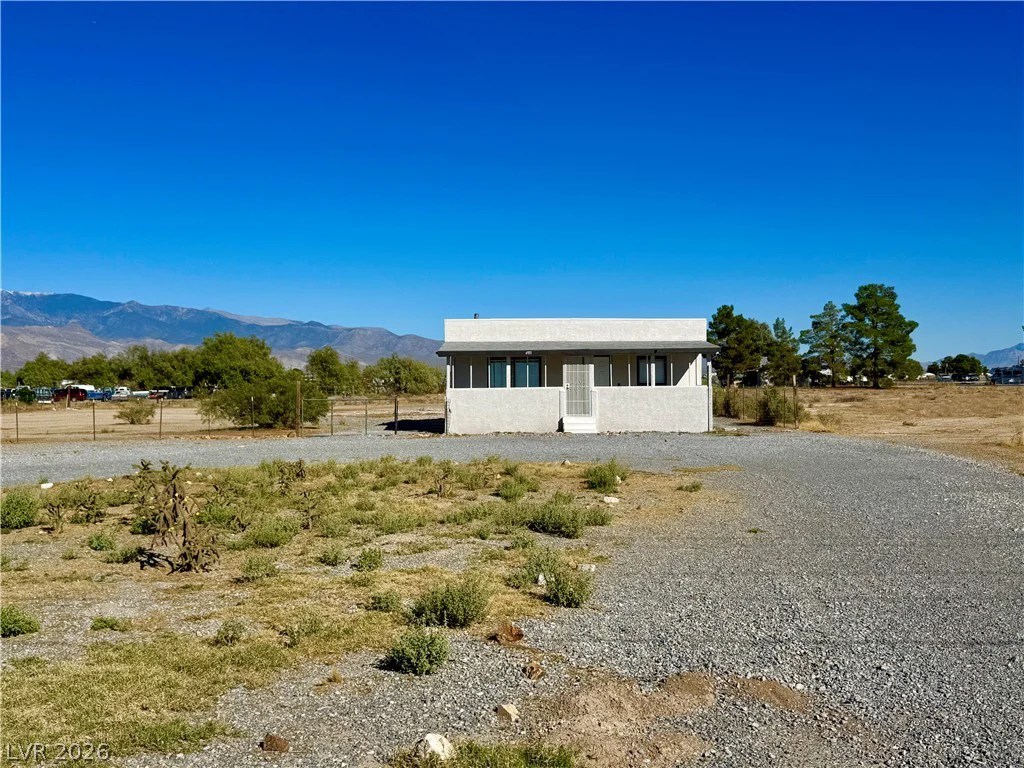
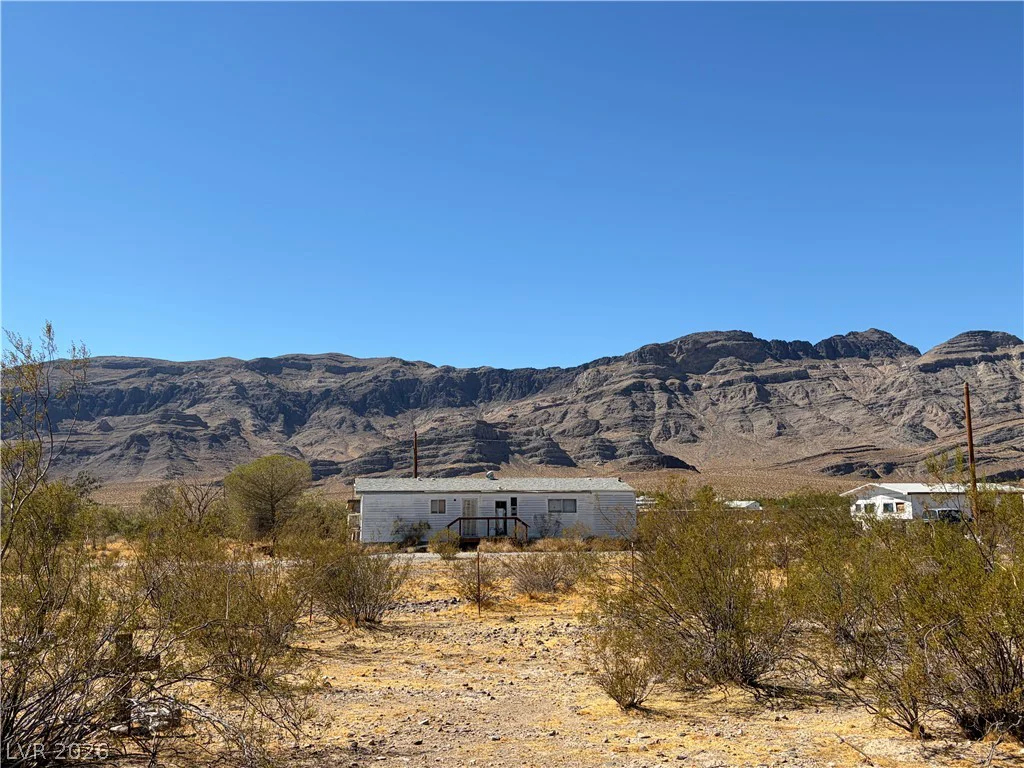
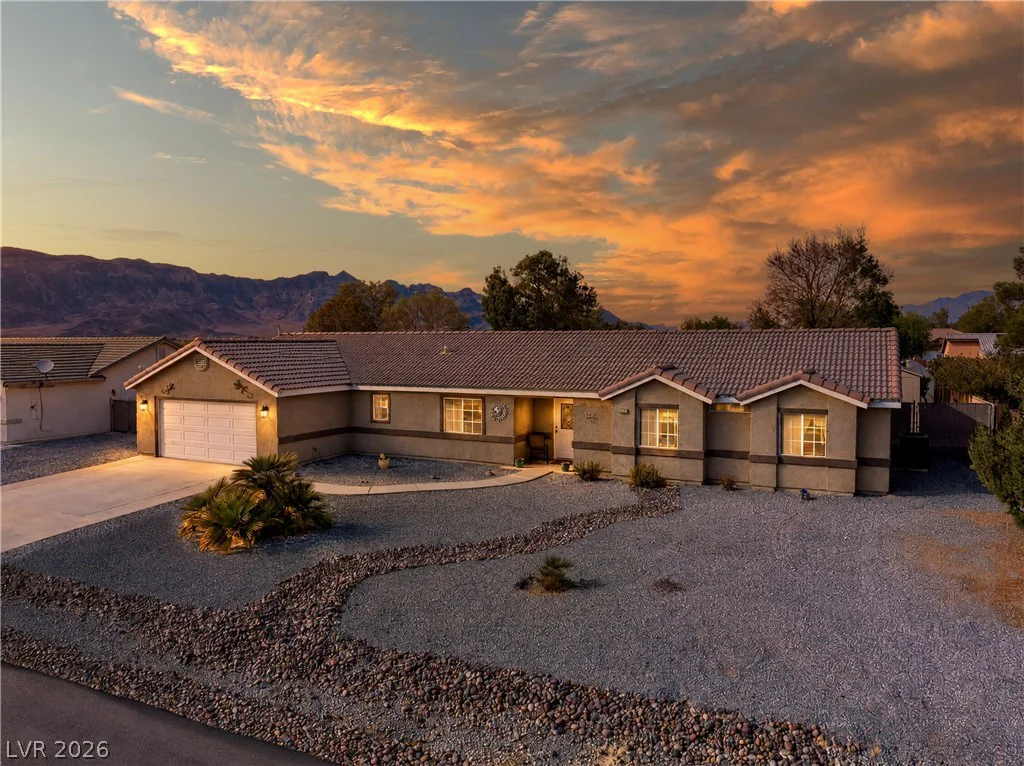
Few things sell a Pahrump property faster than a back patio facing east toward the Spring Mountains, where Mt. Charleston’s western escarpment catches the morning light in shades of rose and gray long before the valley floor warms up. Because Pahrump sits in its own broad basin ringed by the Spring Mountains to the east and the Nopah and Funeral ranges to the west, view corridors here are rarely blocked by future construction the way they might be in a tightly platted Las Vegas subdivision — large lot sizes and low-density zoning mean the mountain backdrop tends to stay open for decades. For retirees and ranchette owners alike, an unobstructed view of the range is often cited as the single biggest lifestyle upgrade over their previous Clark County home. That said, view quality varies block by block depending on which direction the lot faces and whether nearby properties have tall outbuildings, water towers, or mature tree lines that interrupt sightlines toward the peaks.
What to Inspect Before You Make an Offer
- Walk the lot at different times of day to see how the view changes with sun angle and shadow on the Spring Mountains
- Check whether neighboring parcels are vacant and zoned in a way that could allow a future structure tall enough to block the sightline
- Confirm window placement actually frames the view from living areas, not just a single bedroom window
- Ask about the well’s location relative to the view-facing yard, since some wellheads and pressure tanks sit awkwardly in prime patio space
- Inspect any existing patio cover or pergola for wind damage, since exposed view lots often catch more desert wind than sheltered subdivision lots
The Most Common Buyer Mistake in Pahrump
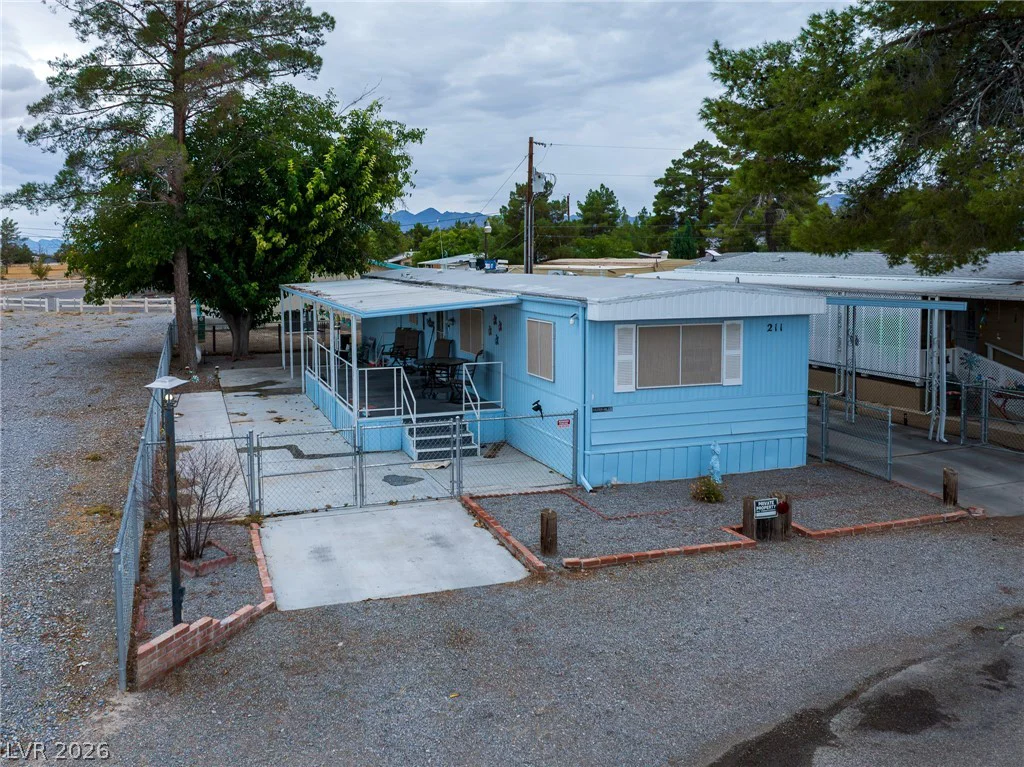
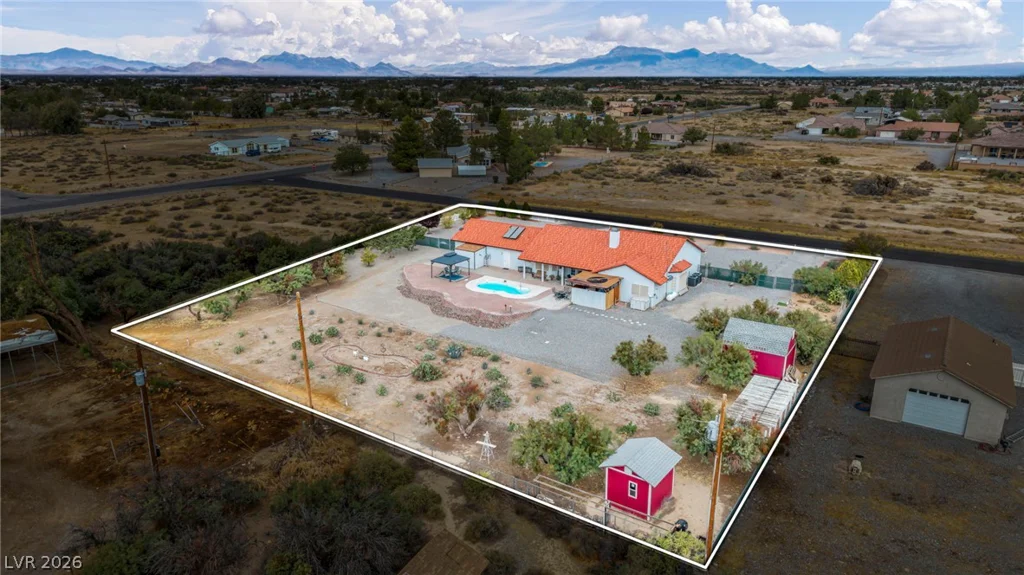
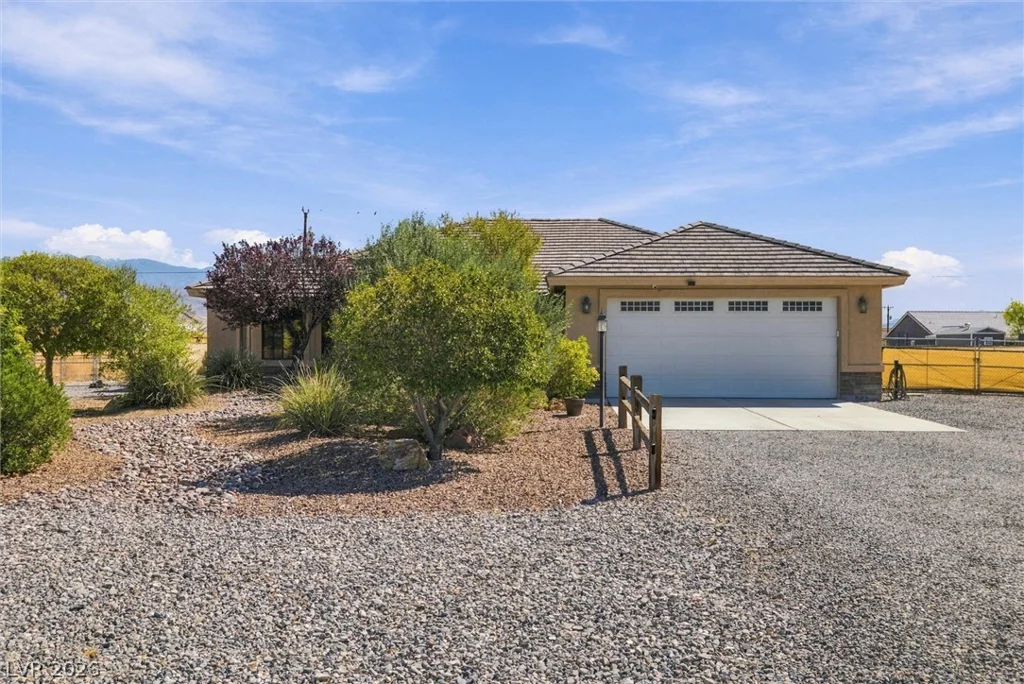
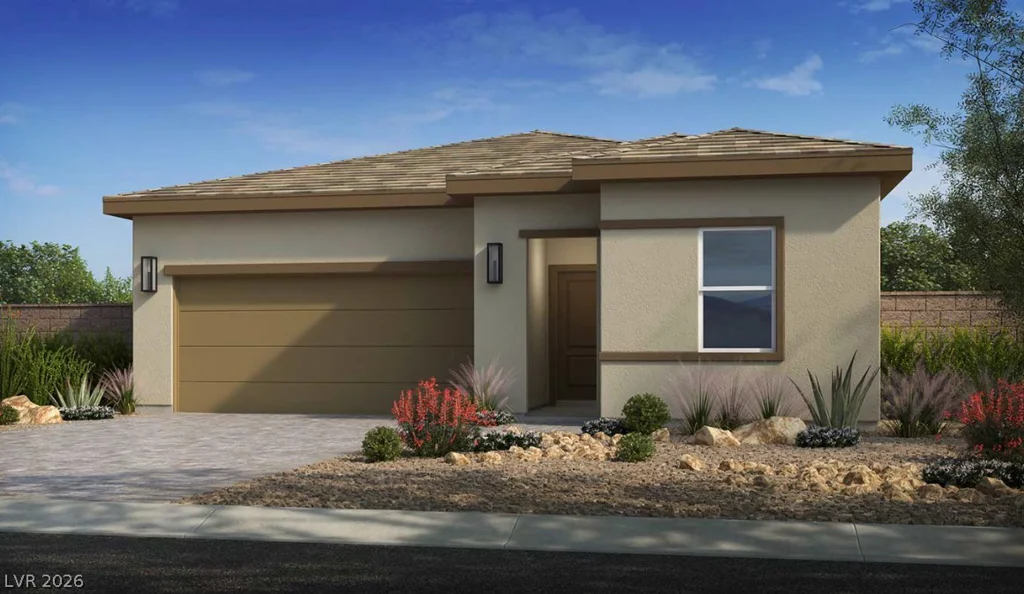
Buyers fall in love with a listing photo taken from a drone or a second-story window and assume that same vantage point exists from the backyard or living room at ground level. In Pahrump, where many homes are single-story ranch-style builds, the actual eye-level view from the patio can be considerably more modest than the marketing photos suggest, sometimes obstructed by a block wall, a neighbor’s shed, or even the home’s own roofline. Always ask to see the view from where you’ll actually spend time — the kitchen window, the patio table, the primary bedroom.
Resale Perspective & Market Reality
Genuine, unobstructed Spring Mountain views are one of the few features in this market that can shave real time off a listing’s days-on-market, particularly among the roughly 592 view-oriented listings competing for buyer attention. A home with a verified, durable sightline toward Mt. Charleston’s western face tends to draw repeat showings from out-of-area buyers researching online, who often prioritize the view photo above square footage when deciding which Pahrump Move-In Ready Homes to tour first.
Local Cost Context
There’s no HOA premium tied to view lots in most of Pahrump, since the vast majority of the valley has no association at all, but larger view-oriented parcels on the valley’s eastern edge sometimes carry slightly higher property tax assessments due to lot size. Buyers should also budget for exterior maintenance on view-facing windows and patios, since west-facing glass exposed to desert sun and dust requires more frequent cleaning and can fade interior finishes faster than in a shaded Las Vegas courtyard home.
Frequently Asked Questions
Does a mountain view affect well placement or septic leach field location on the lot?
Sometimes. On larger acreage parcels, sellers may have positioned the septic leach field and well on the side of the property away from the best view to preserve the patio area, so ask for a site plan showing where these systems sit relative to the view-facing yard before assuming you can expand the patio later.
Will future development in Pahrump ever block these mountain views?
It’s unlikely in most areas given Nye County’s low-density zoning and the sheer amount of vacant land, but it’s still worth checking the county’s parcel viewer for any nearby lots zoned for multi-story or commercial use, particularly along main corridors like Highway 160 where future development is more probable than on interior residential streets.