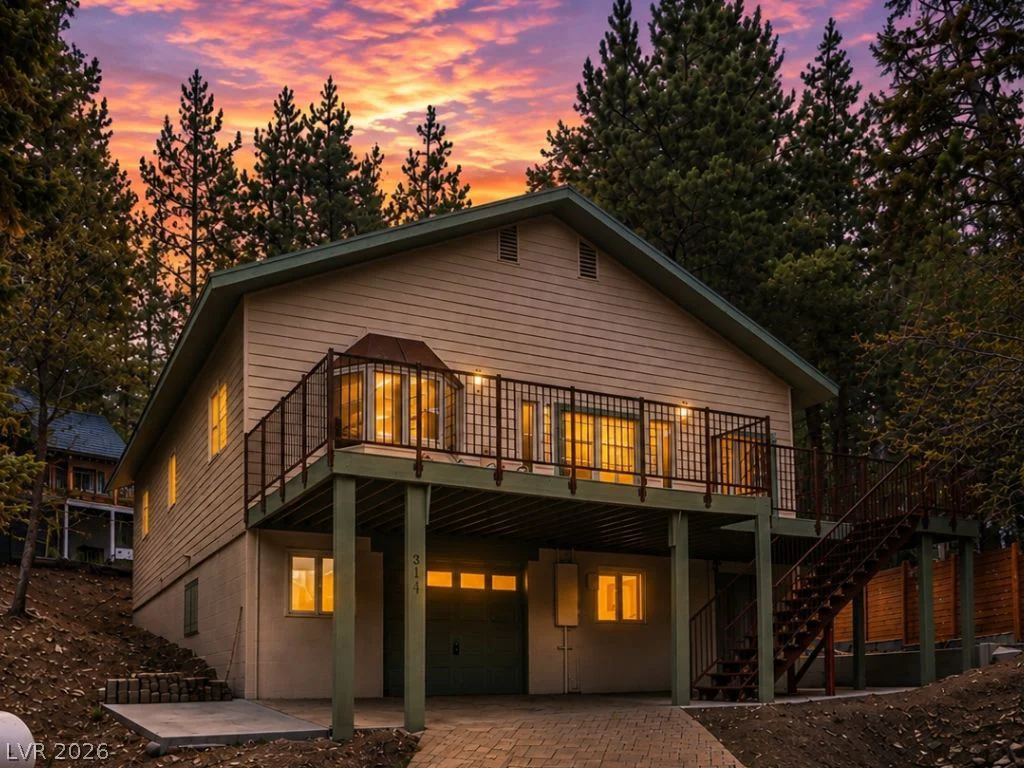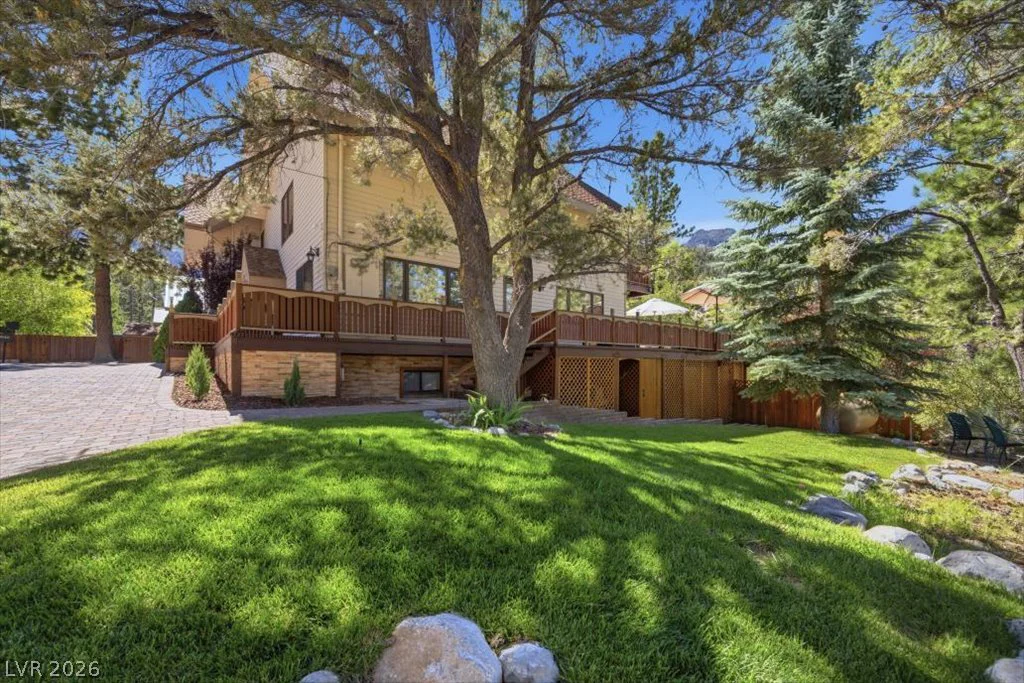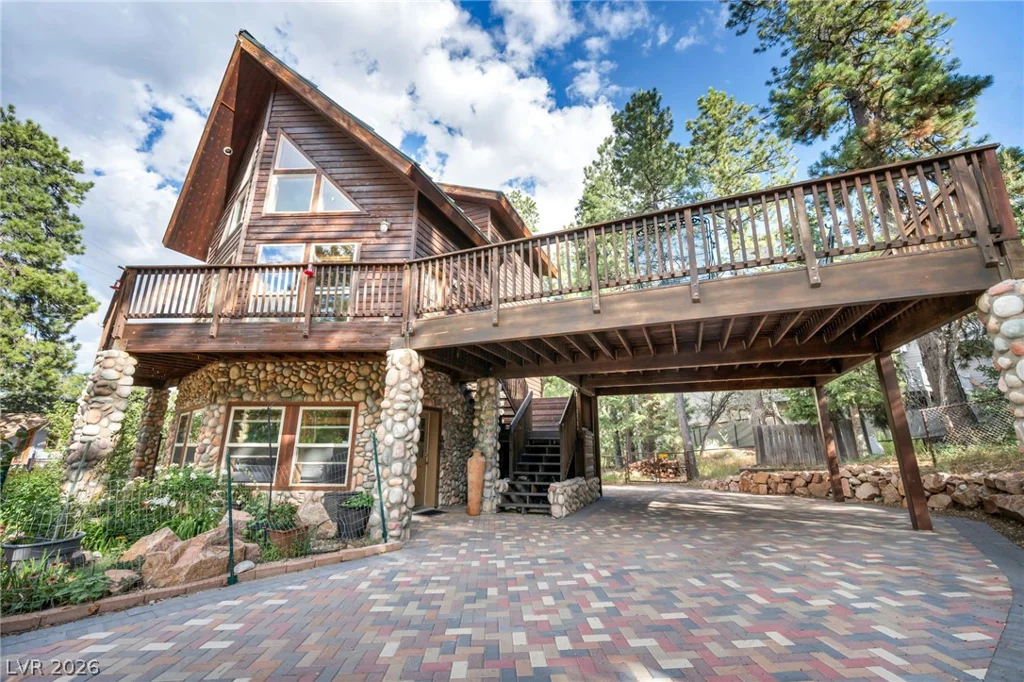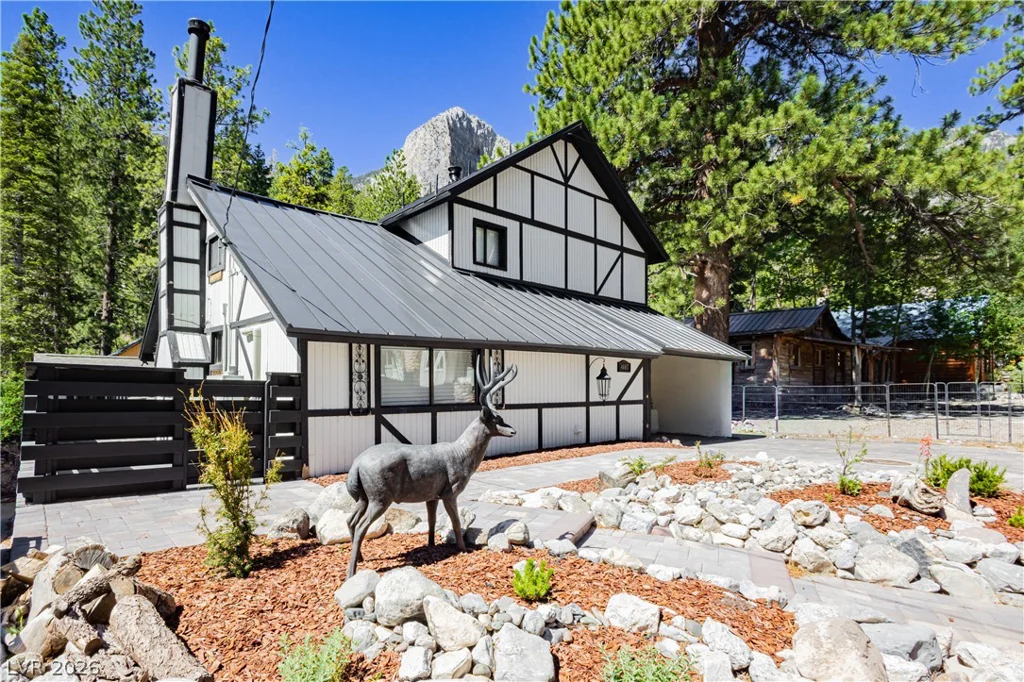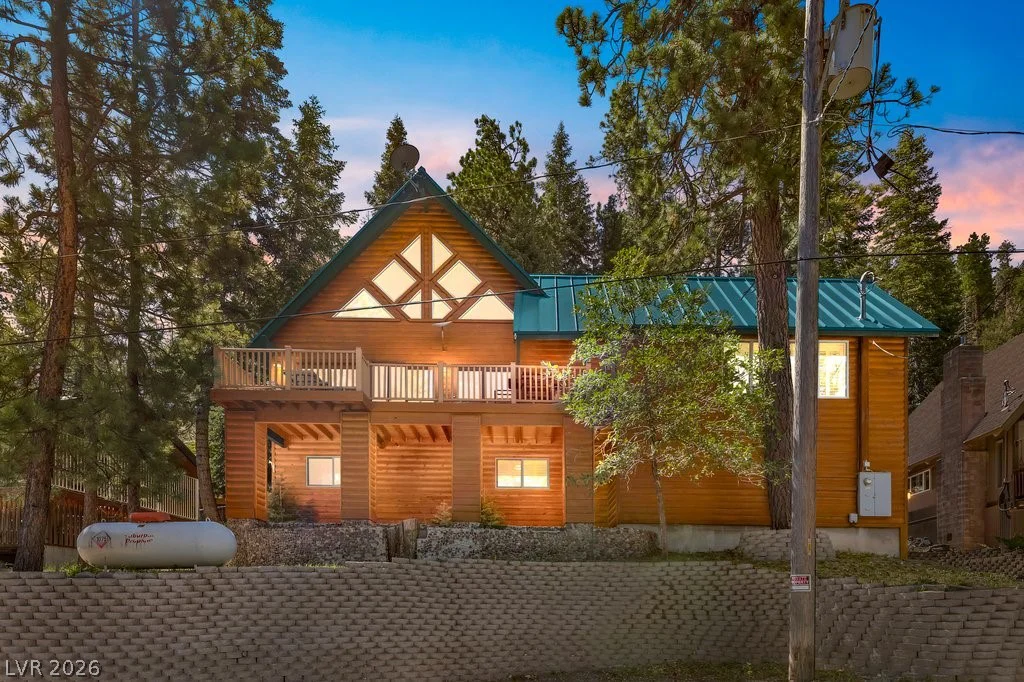
Why No HOA Matters in Mount Charleston
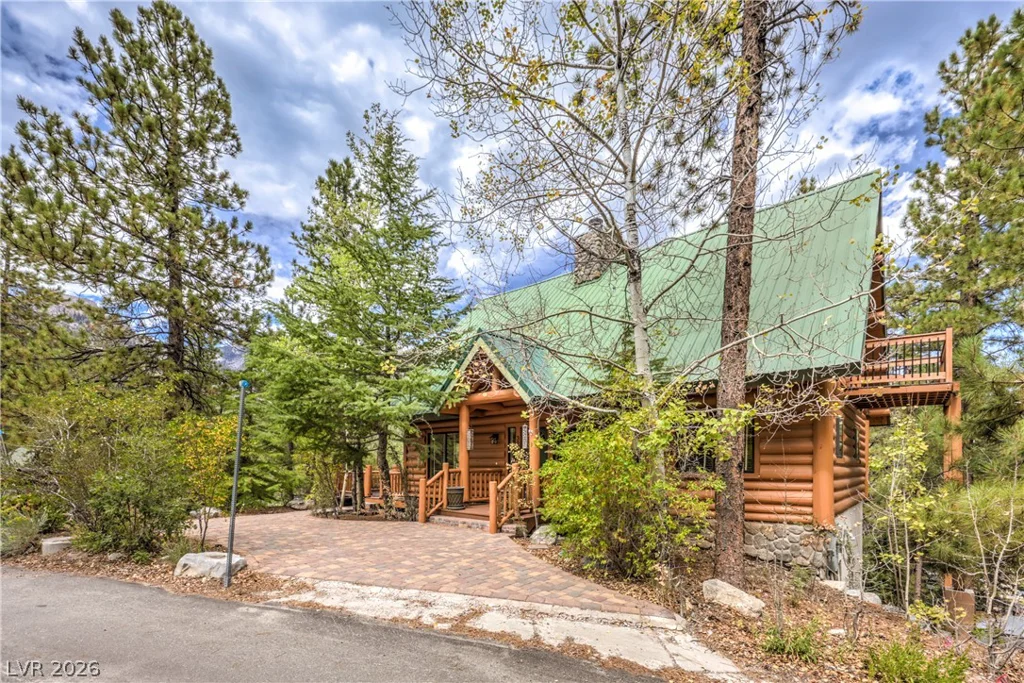
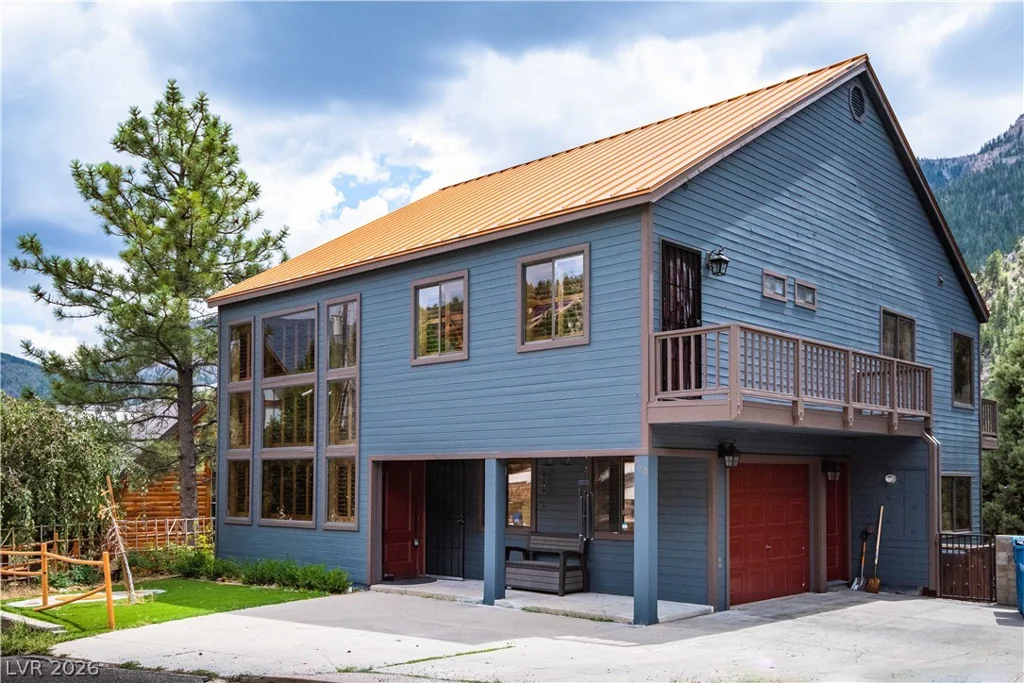
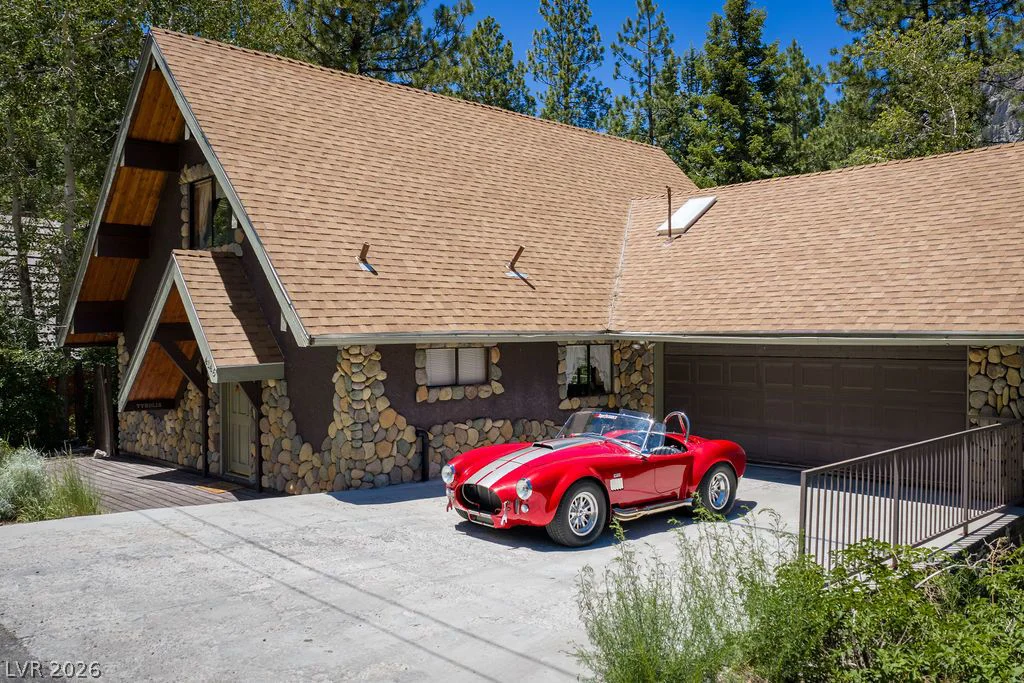
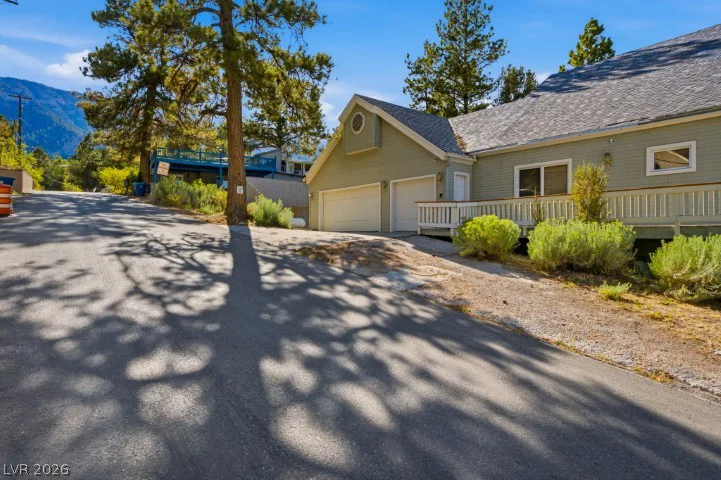
Up in the Spring Mountains, the absence of a homeowners association isn’t a marketing checkbox — it’s often a practical necessity. Many cabin parcels around Kyle Canyon and Old Town sit on lots with irregular shapes, shared driveways, and decades-old additions that would never pass a modern architectural review committee. Without an HOA dictating exterior paint, roof materials, or outbuilding placement, owners can maintain wood-burning stoves, install snow-rated metal roofing, store firewood stacks, or park a truck with a snowplow attachment in the driveway through winter. For a community that depends on self-sufficiency during road closures on Kyle Canyon Road, that flexibility matters. It also means buyers take on more personal responsibility: there’s no association plowing common areas, managing erosion on steep lots, or enforcing defensible-space brush clearance near Forest Service boundaries. Mount Charleston homes with mountain views frequently overlap with no-HOA inventory, since many of the larger view lots were platted before any association structure existed.
What to Inspect Before You Make an Offer
- Confirm whether the parcel has a private well, a shared community water system, or hauled water storage, and ask for recent water test results
- Check septic system age and tank location, especially on sloped lots where leach fields can be affected by snowmelt runoff
- Verify the access road’s maintenance arrangement — some cabin roads rely on informal neighbor agreements rather than county maintenance
- Look for signs of snow-load stress on roof framing, decks, and carports, particularly on older A-frame and chalet-style cabins
- Ask about Forest Service boundary lines and any special use permits tied to the property’s access easement
The Most Common Buyer Mistake in Mount Charleston
Buyers coming from valley subdivisions often assume “no HOA” means no oversight at all, then are surprised when Clark County still enforces setback and septic permitting rules through its mountain-area building department. The bigger mistake, though, is underestimating winterization. A cabin that looks charming in July can have frozen and burst pipes by January if the heating system, insulation, and pipe wrap weren’t maintained by the previous owner. Buyers who skip a winter-specific inspection — or who buy sight-unseen during a summer visit — often face a five-figure plumbing repair bill in their first season.
Resale Perspective & Market Reality
No-HOA cabins in Mount Charleston tend to sit on the market longer than comparable Las Vegas valley homes, often 60-120 days, because the buyer pool is narrower: primarily second-home buyers, retirees, and remote workers comfortable with the 45-60 minute commute. However, well-maintained cabins with documented winterization and clear access tend to resell faster than those with deferred maintenance, since the next buyer inherits the same self-sufficiency burden. Properties near Lee Canyon ski area also see seasonal demand spikes in late fall as buyers shop ahead of the first snowfall.
Local Cost Context
Because there is no HOA, buyers won’t see a monthly assessment line item, but that savings should be redirected toward a maintenance reserve. Snow removal alone can run several hundred dollars per storm if a contractor is needed, and propane delivery (the primary heating fuel for most cabins) fluctuates seasonally and can be a significant winter expense. Property insurance also tends to run higher than valley homes due to wildfire risk classifications near Forest Service land, so buyers should get an insurance quote before removing contingencies. For comparison shopping on rural no-HOA inventory, some buyers also look at Pahrump homes with no HOA or Moapa homes with no HOA, though the climate and commute profiles differ substantially from the mountain.
Frequently Asked Questions
Can I add a detached garage or workshop without HOA approval in Mount Charleston?
Without an HOA, you won’t need association sign-off, but you’ll still need a Clark County building permit, and any structure near a Forest Service boundary may require a survey to confirm it sits entirely on private land before construction begins.
Does the lack of an HOA affect snow removal responsibility on shared driveways?
Yes — on shared-access cabin roads, snow removal is typically handled through informal cost-sharing agreements between neighbors rather than a formal association, so ask the seller for documentation of how the current arrangement works before closing.