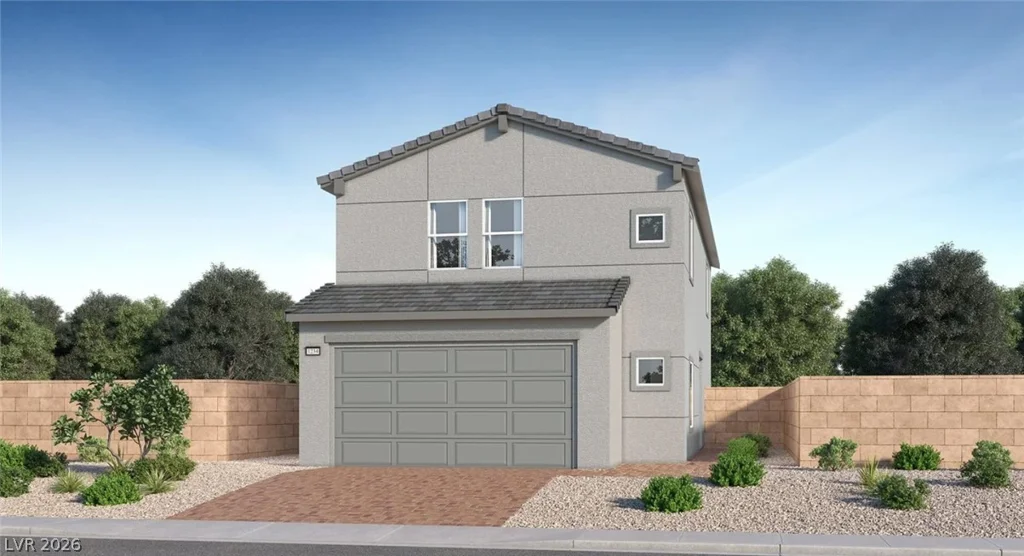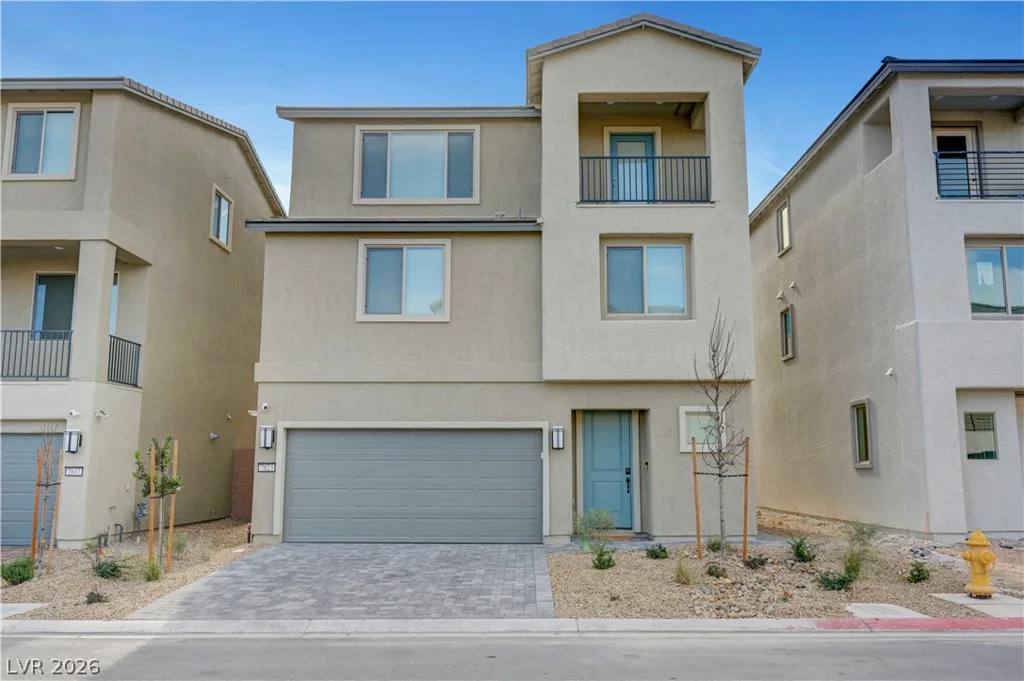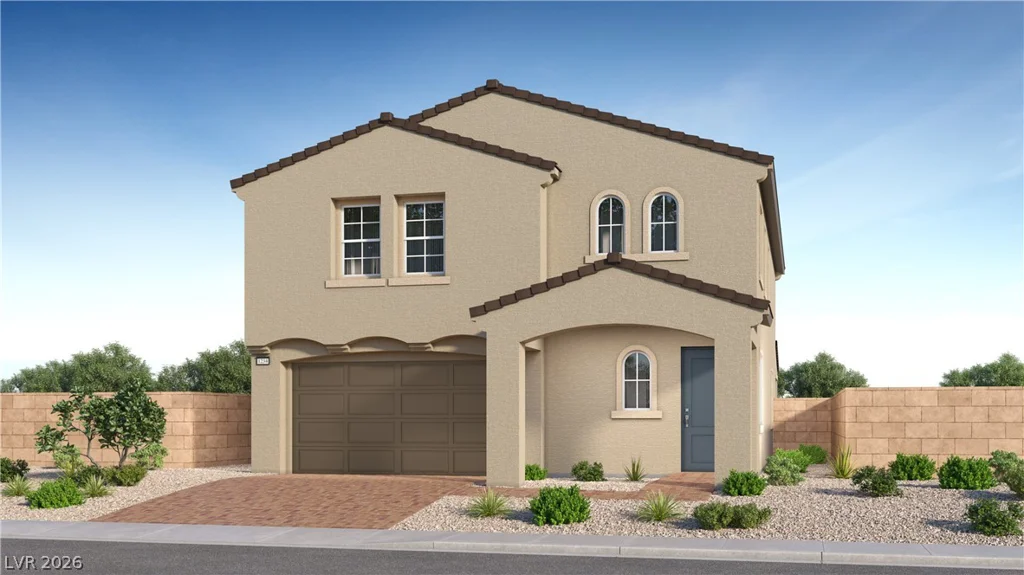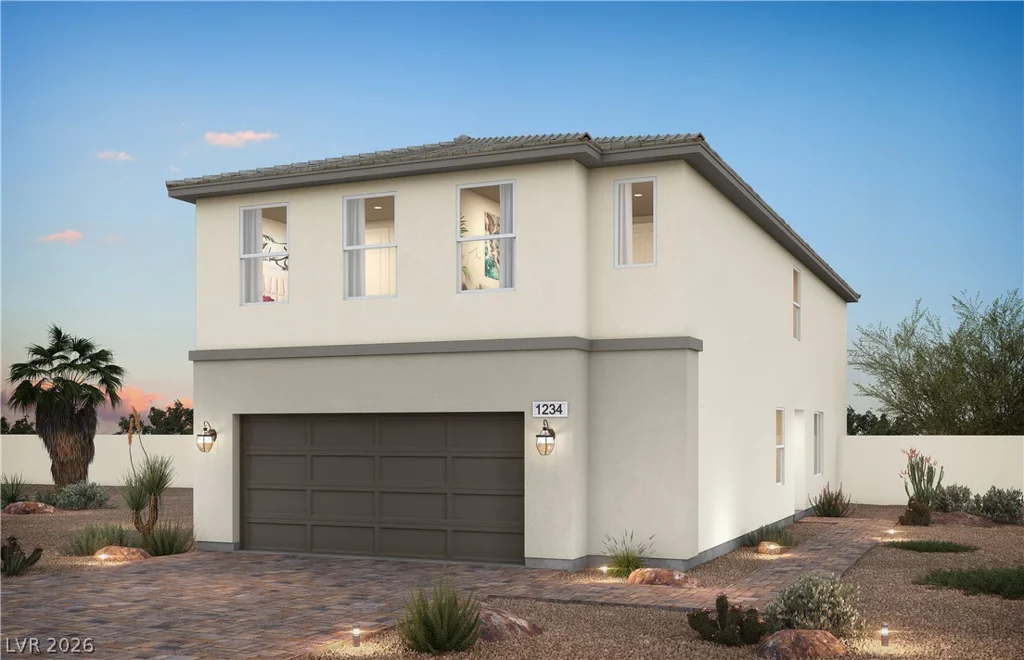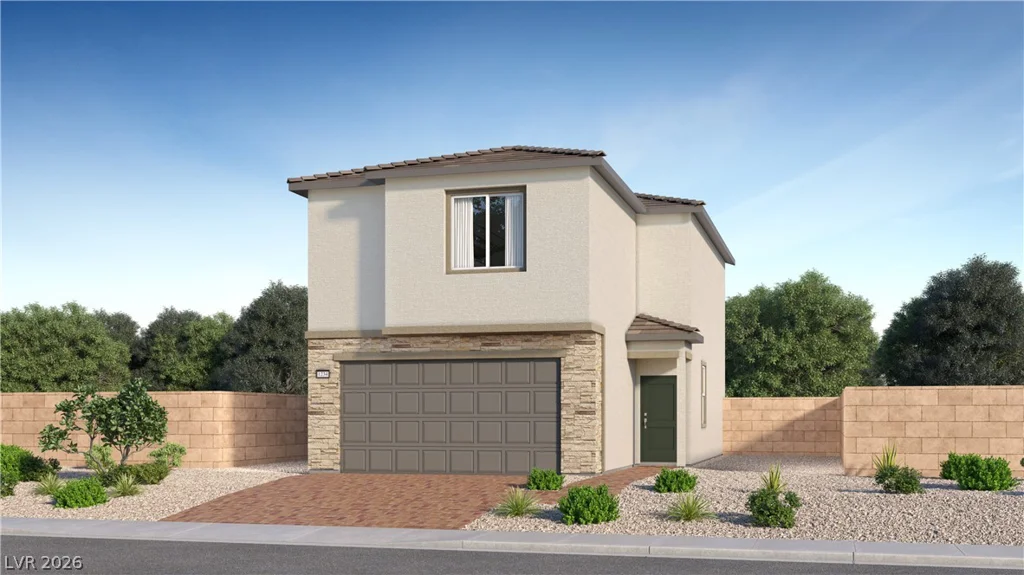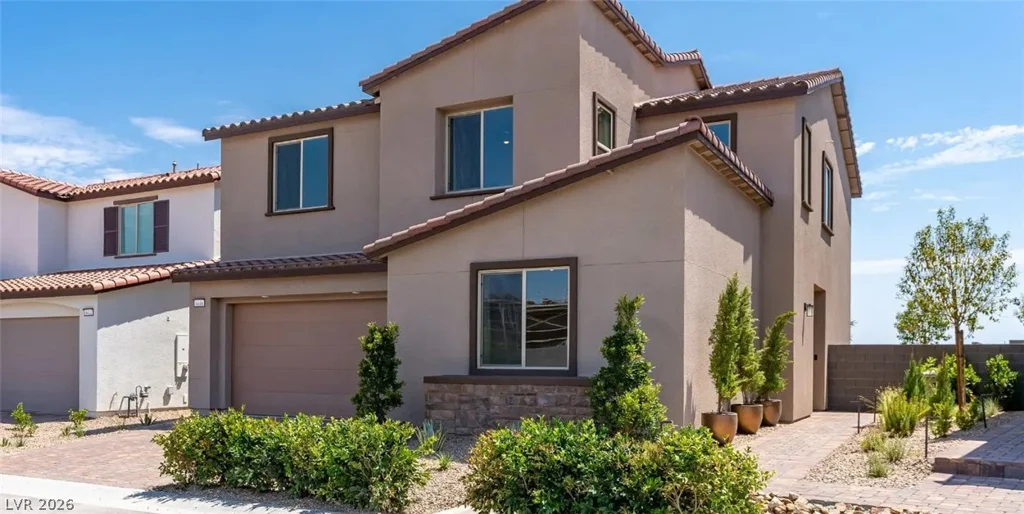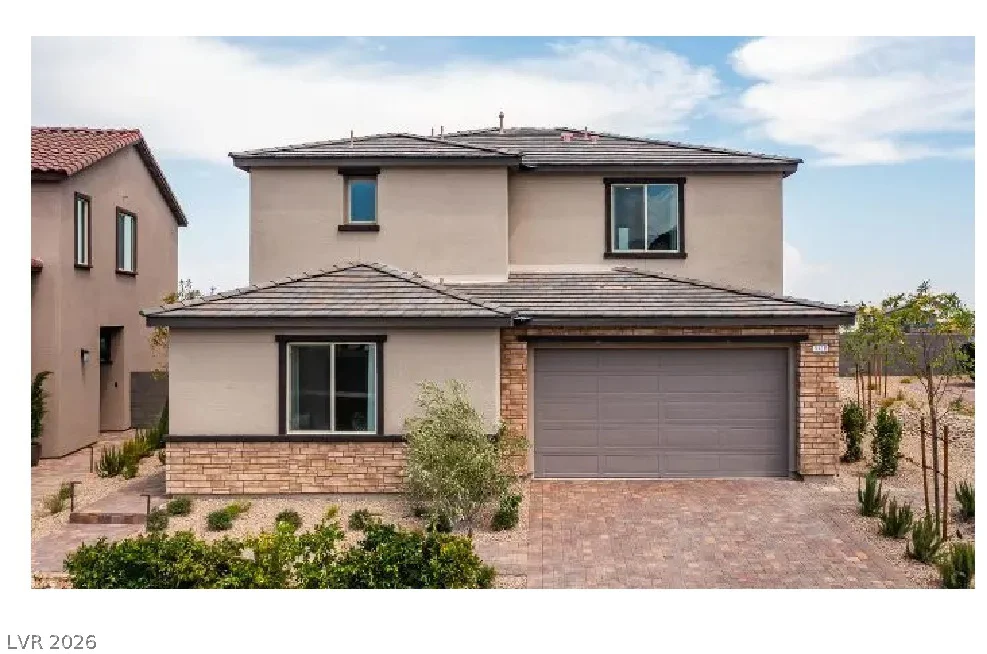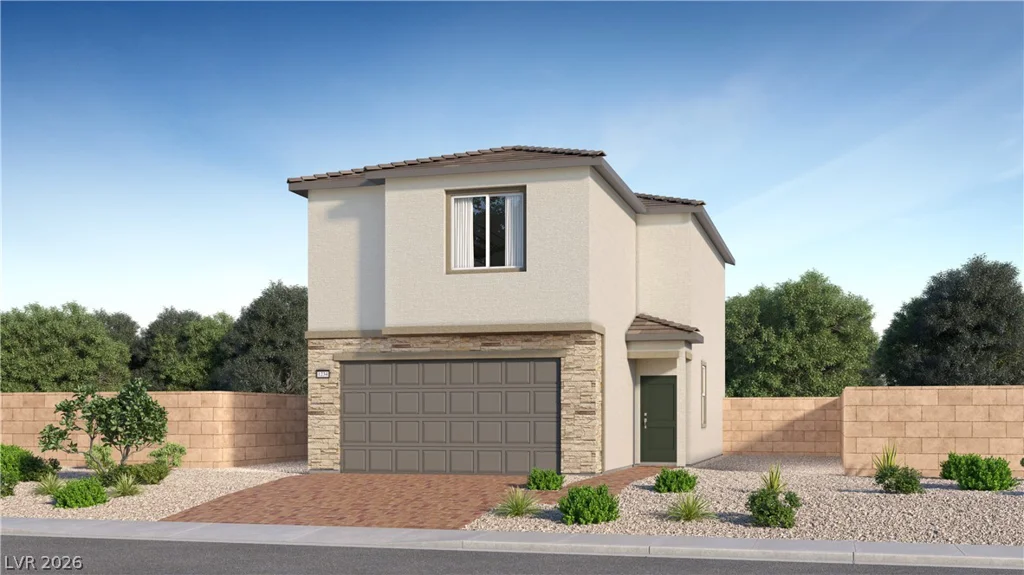
Why New Construction Matters in Las Vegas
Far-flung valley pockets — the master-planned grids pushing out past the 215 Beltway toward the northwest and southeast edges — are where most of the valley’s active new-construction activity is concentrated, and buyers drawn to these communities are often trading commute time and established tree canopy for a builder warranty, modern floor plans, and energy codes that didn’t exist when older Las Vegas neighborhoods near Desert Inn Rd or Sunset Park were built. The appeal isn’t just “new” in the cosmetic sense; it’s the difference between inheriting someone else’s deferred maintenance and starting the clock on your own. For buyers who’ve spent time touring 1990s and early-2000s resale stock with aging stucco, single-pane windows, and HVAC units nearing the end of their service life, a new-construction listing represents a fundamentally different ownership proposition.
What to Inspect Before You Make an Offer
- Get the builder’s base-price spec sheet in writing and compare it line by line against what’s installed in the model home — flooring, countertop tier, and appliance packages are the most commonly upgraded items shown in models.
- Ask for the structural and systems warranty documentation (typically 1-year fit-and-finish, 2-year systems, 10-year structural) and confirm it’s transferable if you’re buying from an early second owner rather than the builder directly.
- Review any SID (Special Improvement District) or LID (Local Improvement District) assessments tied to the parcel — these are bonds that fund infrastructure and can add a separate line item to your property tax bill for years.
- Check the HOA’s current reserve study and dues schedule, since brand-new HOAs often start with low dues that increase sharply once the developer turns control over to homeowners.
- Confirm lot premium charges and whether the price reflects a standard interior lot, a corner lot, or a premium view/greenbelt lot, since these can vary by tens of thousands of dollars on the same floor plan.
The Most Common Buyer Mistake in Las Vegas
Walking through a fully decked-out model home and assuming the listed price includes what you’re standing in is the single most expensive misread in new-construction shopping. Builders routinely show models with $40,000 to $80,000 in upgrades — extended patios, upgraded cabinetry, owned solar, epoxy garage floors — none of which are reflected in the advertised base price. Buyers who fall for the model staging often end up either overpaying for a long upgrade list at the design center or moving in disappointed by how different the base-spec home feels compared to what sold them.
Resale Perspective & Market Reality
New-construction communities in the valley’s growth corridors typically see their first wave of resales within 2 to 4 years as early buyers relocate or upgrade, and these resales often compete directly with the builder’s still-active sales office next door — which can pressure pricing since builders frequently offer rate buydowns and incentives that resale sellers can’t match. Homes in newer HOAs with completed amenities (clubhouses, pools, parks) tend to hold value better in resale than those purchased in early phases where amenities were still “coming soon,” because buyers can now see exactly what they’re getting rather than relying on renderings.
Local Cost Context
SID/LID assessments in newer valley master plans commonly add anywhere from a few hundred to over a thousand dollars annually to the tax bill depending on the community’s infrastructure financing, and HOA dues in amenity-rich new communities often start in the $100-$200/month range with planned increases as common areas mature. If a den or home office is on your list for the new floor plan, Las Vegas Homes with Dens or Offices shows how that’s handled across both new and resale inventory, and Las Vegas Homes with Lofts is worth a look if a flexible second-floor space matters more than a dedicated office. For buyers focused specifically on the northwest growth corridor, Skye Canyon New Construction Homes covers one of the valley’s most active master-planned communities in detail.
Frequently Asked Questions
Who pays the SID/LID assessment on a new-construction home in Las Vegas — the builder or the buyer?
The assessment is attached to the land itself and transfers with ownership, so as the buyer you take over the remaining annual payments (often itemized separately on your Clark County tax bill), regardless of whether you’re the first owner or buying resale from someone who purchased new.
Can I negotiate price on a new-construction home in Las Vegas the way I would on a resale?
Builders generally hold firm on the base price but will negotiate on incentives — rate buydowns, closing cost credits, or design center allowances — especially toward the end of a fiscal quarter or when a community is in its final phases and the builder wants to close out remaining lots quickly.