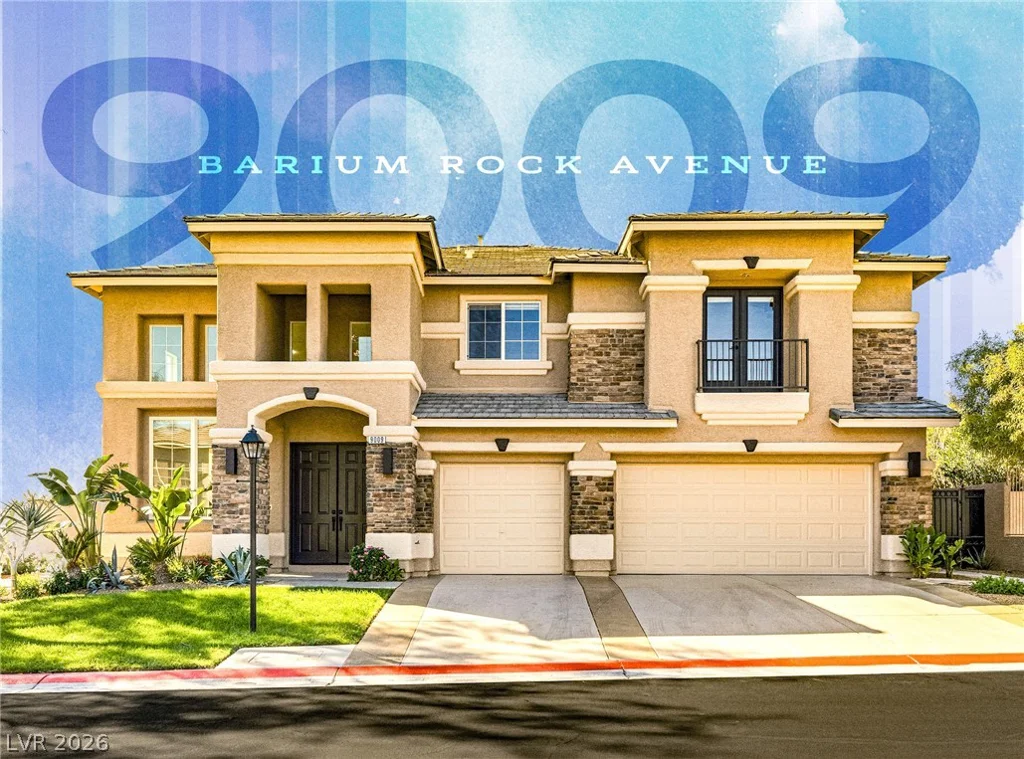
Why a Covered Patio Matters in Centennial Hills
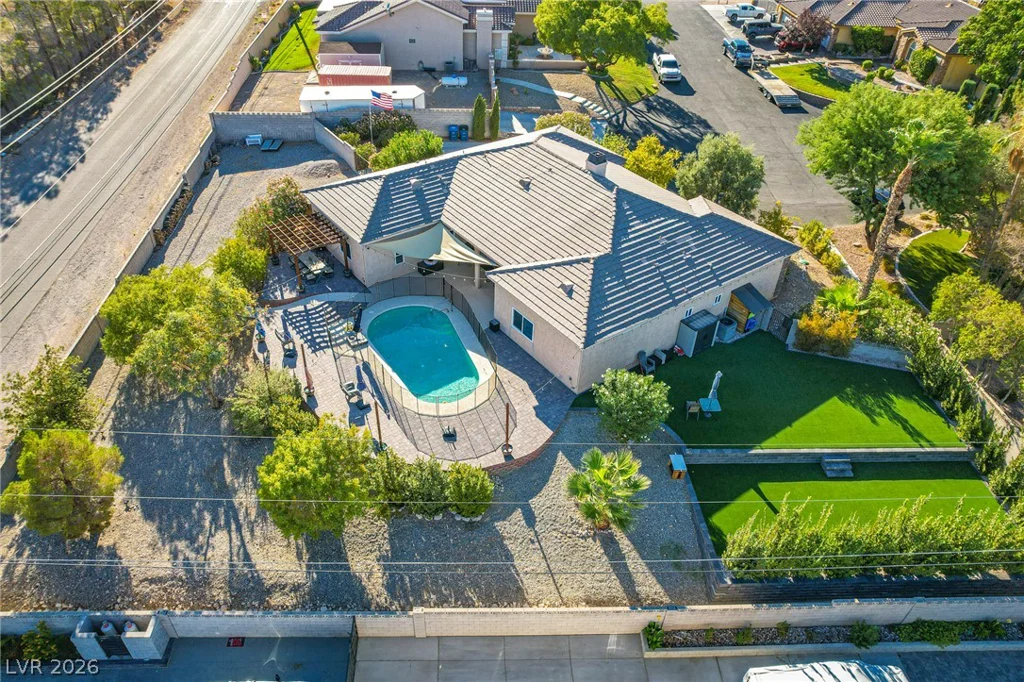
Summer afternoons near Floyd Lamb Park at Tule Springs can be brutal, and a backyard without shade structure often goes unused from May through September. Because Centennial Hills was largely built out during the 2000s with builder-standard backyard packages, many homes came with either a small awning-style patio cover or none at all, leaving later owners to add aluminum or wood patio covers themselves — which means the quality and permitting status of these additions varies enormously from one listing to the next. For families who chose this northwest pocket partly for its easy access to both neighborhood parks and weekend trips toward Mt. Charleston, a well-built covered patio extends the usable living space of the home significantly, especially for households that entertain or have young kids who need an outdoor play area shielded from direct sun during the hottest parts of the day.
What to Inspect Before You Make an Offer
- Ask whether the patio cover was permitted through the county, since unpermitted aluminum covers are common in this area and can complicate insurance or future sale disclosures
- Check the attachment point where the cover meets the house — improperly flashed ledger boards are a frequent source of water intrusion into the stucco
- Evaluate the orientation relative to the backyard’s western exposure, since a cover on the wrong side of the house may provide minimal relief during peak afternoon heat
- Look for ceiling fans, electrical outlets, or lighting already wired into the cover, which indicates a more finished, code-compliant installation versus a bolt-on kit
- Confirm the HOA’s documentation on file matches the as-built patio cover, since some HOAs require after-the-fact approval that sellers never completed
The Most Common Buyer Mistake in Centennial Hills
Buyers often tour homes in the morning or evening when the backyard is shaded by the house itself, then are surprised to find the covered patio offers little relief from 3 p.m. to 6 p.m. sun angles in summer because the cover doesn’t extend far enough or faces the wrong direction. A second common mistake is overlooking whether a patio cover was added without permits, which can become the buyer’s problem to resolve during refinancing or future resale disclosures, even though they didn’t build it.
Resale Perspective & Market Reality
In Centennial Hills, a properly built and permitted covered patio is a modest but real differentiator among otherwise similar 2000s-era floor plans, often shaving a week or two off days-on-market compared to identical homes with bare concrete slabs. Buyers relocating from climates without extreme summer heat consistently ask about outdoor shade during showings, making this one of the more frequently requested features in this price range. Pairing patio space with 3-car garage storage tends to appeal to the same family-oriented buyer pool looking for both indoor and outdoor functional space.
Local Cost Context
Most Centennial Hills neighborhoods operate under an HOA with modest monthly dues, and patio cover additions typically require architectural committee approval before installation — a step many DIY sellers skip, creating disclosure issues at closing. Retrofitting a quality aluminum or wood patio cover after purchase commonly runs into the thousands of dollars depending on size and materials, so buyers should weigh that cost against asking price when comparing a covered-patio listing to a bare-slab one. For comparison in age-restricted communities, Sun City Summerlin homes with covered patios often show more uniform, builder-installed covers due to stricter original community standards, while Green Valley homes with covered patios represent an older, more established neighborhood with more retrofit variety similar to Centennial Hills.
Frequently Asked Questions
Do Centennial Hills HOAs require specific materials for patio covers?
Many HOAs in this area specify approved colors and materials (often requiring covers to match the home’s stucco or roof tile color) through their architectural guidelines, so a mismatched aftermarket cover could trigger a compliance notice for a new owner.
How can I tell if a patio cover addition was permitted by Clark County?
You can request a copy of the property’s permit history from Clark County’s building department using the parcel number; if no patio cover permit appears despite a visible structure, it was likely built without one and should be factored into your offer or negotiated as a seller disclosure item.