Why Spas and Hot Tubs Matter in Boulder City
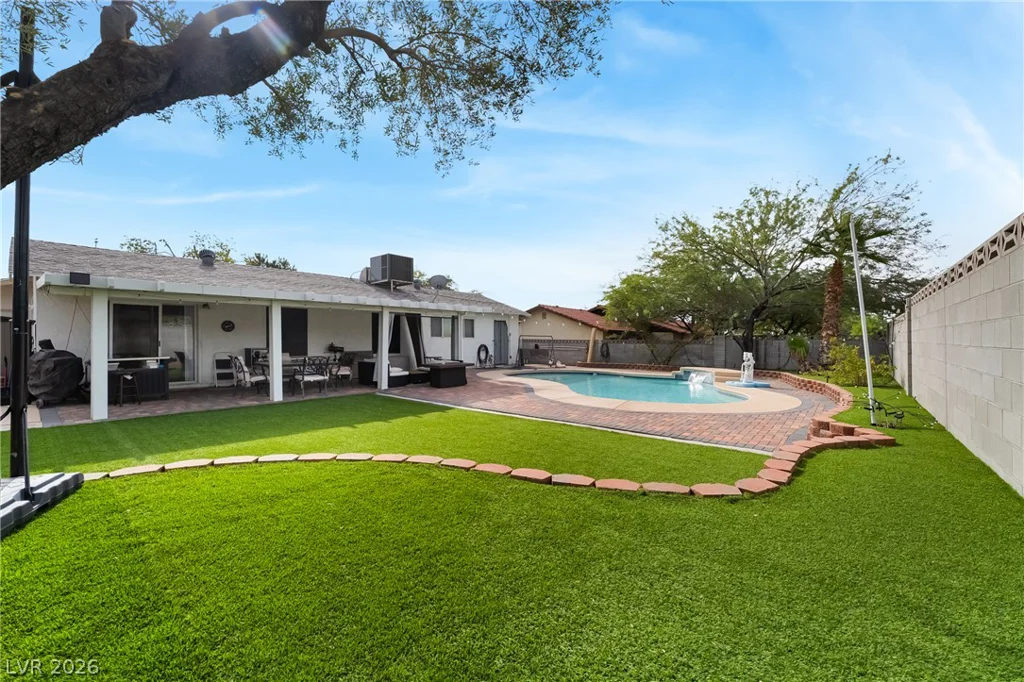
Evenings in Boulder City cool off noticeably once the sun drops behind the surrounding hills, and for many of the retirees who’ve chosen this town specifically for its slower pace over the casino-driven energy of the Strip corridor, a backyard spa is where that quieter lifestyle plays out most directly. Among the roughly 26 listings here advertising a spa or hot tub, the feature tends to skew toward smaller, attached spas built into existing pool decks or compact standalone units rather than the large resort-style setups sometimes found in newer Henderson or Summerlin developments — a reflection of Boulder City’s generally smaller lot sizes and its older housing stock. For buyers prioritizing year-round relaxation without the upkeep of a full pool, a well-maintained spa can be a major lifestyle win, but the age of the surrounding hardscape and equipment matters more here than almost anywhere else in the valley, simply because so much of Boulder City’s housing predates the more recent construction boom seen elsewhere.
What to Inspect Before You Make an Offer
- Age and service history of the heater, pump, and filtration equipment, since older Boulder City homes may still be running original equipment that’s well past typical replacement intervals
- Whether the spa structure or any surrounding enclosure required design-review approval if visible from the street on a home within the historic district
- Tile, plaster, or surface condition around the spa, paying attention to cracking that may indicate ground movement near drainage paths from nearby washes
- Electrical setup for the spa’s dedicated circuit, especially in homes where the electrical panel itself is original and may need upgrading to safely support spa equipment
- Whether the spa is plumbed independently or shares equipment with a pool, which affects both repair complexity and ongoing utility costs
The Most Common Buyer Mistake in Boulder City
Buyers often treat a spa as a simple bonus feature and skip a real evaluation of its equipment, assuming that if it “looks fine” in photos it will work fine after closing. In an older Boulder City home, spa equipment that hasn’t been serviced in years can fail within the first few months of ownership, and if the spa structure sits within view of the street on a historic-district property, even replacing an above-ground spa enclosure or surrounding decking can require a look from the Historic Preservation Committee before work begins — a step buyers rarely anticipate when budgeting for what they assumed would be a quick equipment swap.
Resale Perspective & Market Reality
A spa in good working order is a meaningful draw for the retiree buyer pool that defines much of Boulder City’s demand, and listings where the spa is clearly functional with documented recent service tend to generate faster offers than those where the feature is present but its condition is unclear. Buyers torn between a spa-equipped home and one offering shared amenities often compare this directly against Boulder City homes with community pools, weighing the private, year-round usability of a spa against the lower personal-maintenance burden of an HOA-run pool — a tradeoff that shapes how quickly each type of listing moves.
Local Cost Context
Spa equipment replacement — heater, pump, and controls — is a real budget line that buyers of older Boulder City homes should price into their offer rather than treat as a future “someday” project, since failing equipment on a decades-old spa is often a matter of when, not if. If the spa or its surrounding structure sits on a historic-district property and needs visible exterior repair, factor in the Historic Preservation Committee review timeline alongside the repair cost itself; this added step is part of the broader growth-control framework that keeps Boulder City’s character intact but does add friction to projects that would otherwise be straightforward. Buyers comparing outdoor living priorities should also look at Boulder City homes with no HOA, since a private spa often appeals most to buyers who specifically want to avoid HOA-managed amenity fees.
Frequently Asked Questions
Do older Boulder City homes with a spa require a permit to replace the heater or pump?
Routine equipment replacement, such as swapping a heater or pump for a comparable unit, is generally handled as a standard mechanical or electrical permit through the city’s building department and does not typically trigger historic-preservation review on its own; review becomes relevant only if the work involves visible structural or aesthetic changes to the spa enclosure itself.
Is a detached spa on a Boulder City property subject to the same setback rules as a pool?
Detached spas are generally subject to the same accessory-structure setback requirements as pools under Boulder City’s zoning code, meaning minimum distances from property lines and the main structure apply; buyers should confirm an existing spa’s placement complies with current setbacks, since older installations predating current code may be legally non-conforming.